Your guide to a magic 24 hours on Maria Island, Tasmania

Roam wild on Maria Island, Tasmania: 24 hours of wombats, cliffs, beaches, and hikes — camp, explore, and live the island adventure.

Tasmania’s World Heritage–listed Maria Island serves up a seriously eclectic and epic mix of nature-based tourism attractions — wombats, painted cliffs, fossil shores, scenic climbs and beach sunsets.

Perhaps best known as the ultimate Tassie location for wombat selfies, this little island paradise packs a serious punch when it comes to wildlife spotting and epic coastal scenery.

And the good news is, a visit to Maria Island doesn’t have to break the bank.

A spur of the moment decision saw us pack our bags and head to Maria Island for an incredible overnight adventure in December 2025.

We camped on the island and ticked off many of its most notable attractions in 24 hours.

Here’s how we did it, and you can too.

Table of Contents

Good to know

Maria Island is totally car-free, so pack your walking shoes or hire a bike.

Tackling the ‘whole’ island is a multi-day undertaking, as it’s about 20 kms in length from north to south and, at its widest, about 13 kms. Most visitors focus on the island’s north, where many of the most iconic attractions are located.

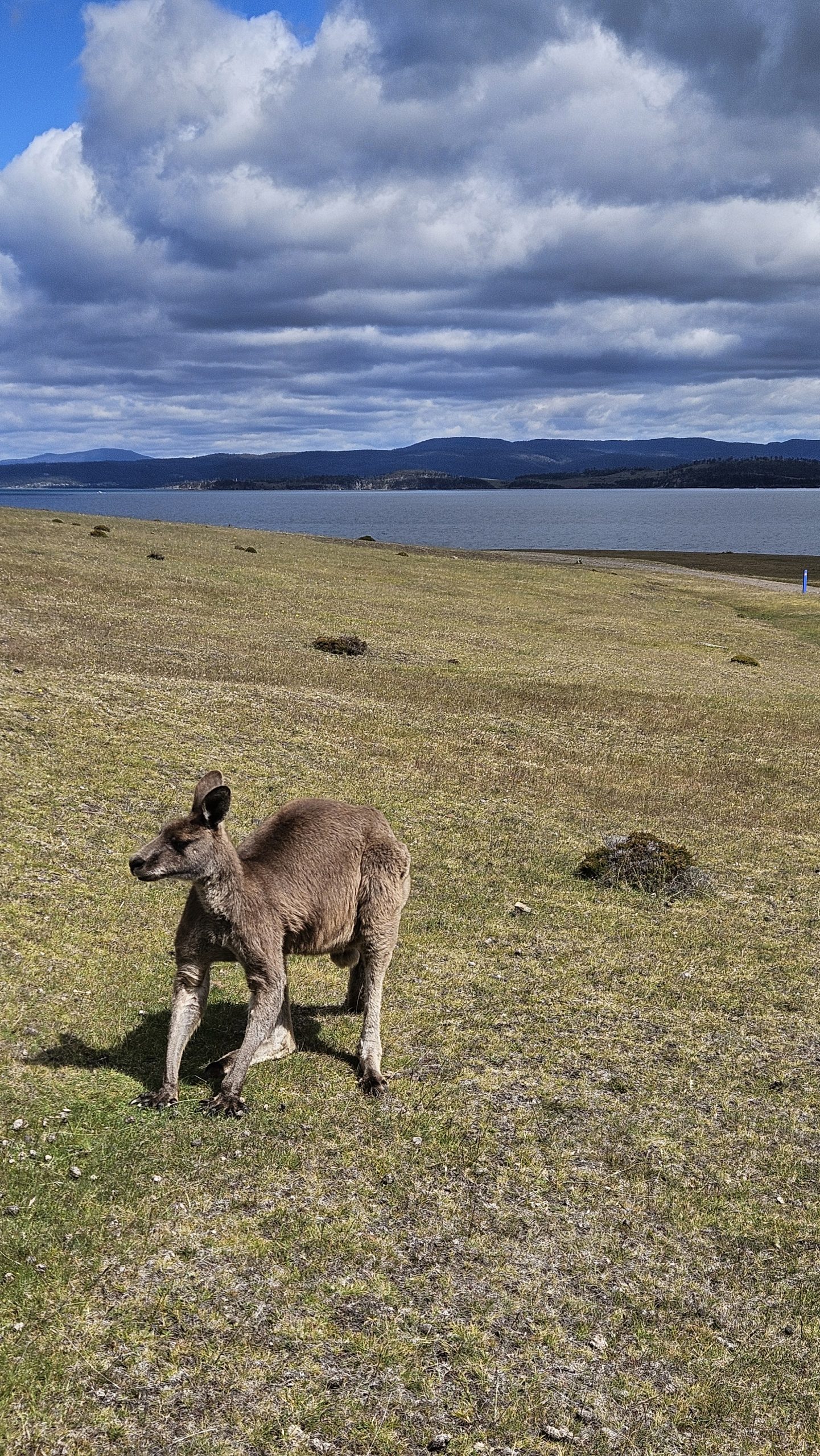
Maria Island doesn’t have a permanent resident population like a town. Friendly wombats, kangaroos, and Cape Barren geese are basically the locals. Keep an eye out for them as you roam the island.

There are no shops anywhere on Maria Island, andwater is non-potable, so plan your food and ensure you have a way to treat or boil water. All rubbish must be carried out.

Our tips:

  • The Darlington Campground ($7 pp pn) is the best base to explore the north.
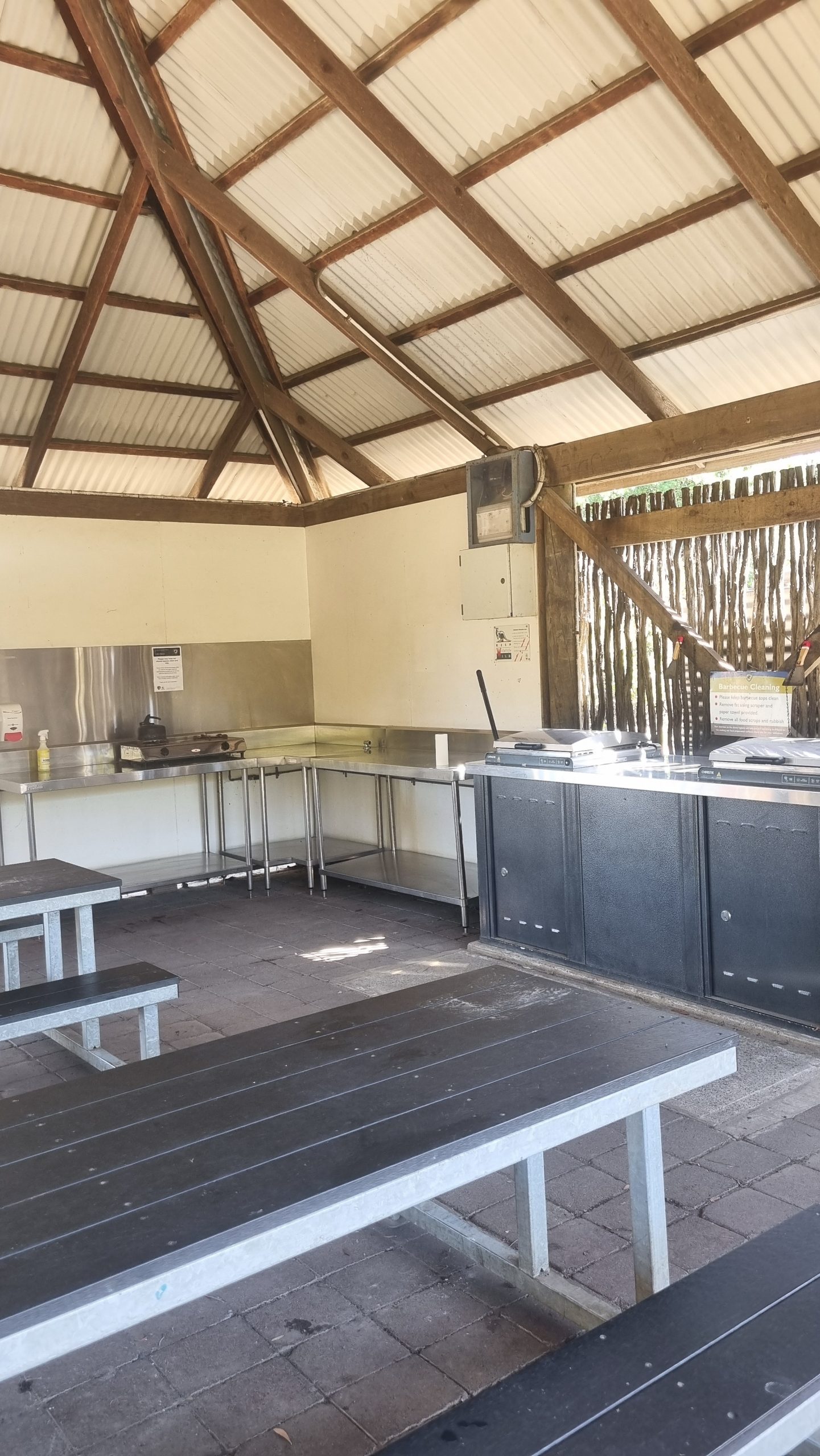
  • Its camp kitchen has BBQs, gas cookers, and food storage lockers, meaning you can go fancier than dehydrated meals.
  • If you’re not up for camping, book the Penitentiary Accommodation (it’s low-cost but sells out fast).
  • The more remote south deserves extra time (even if you’re cycling) and is home to two free camps (Frenchs Farm and Encampment Cove).

Our costs (pp):

  • Ferry — $67 (conc. $56.50)
  • Camping fee — $7
  • National Parks Pass — $23.85

When to visit Maria Island

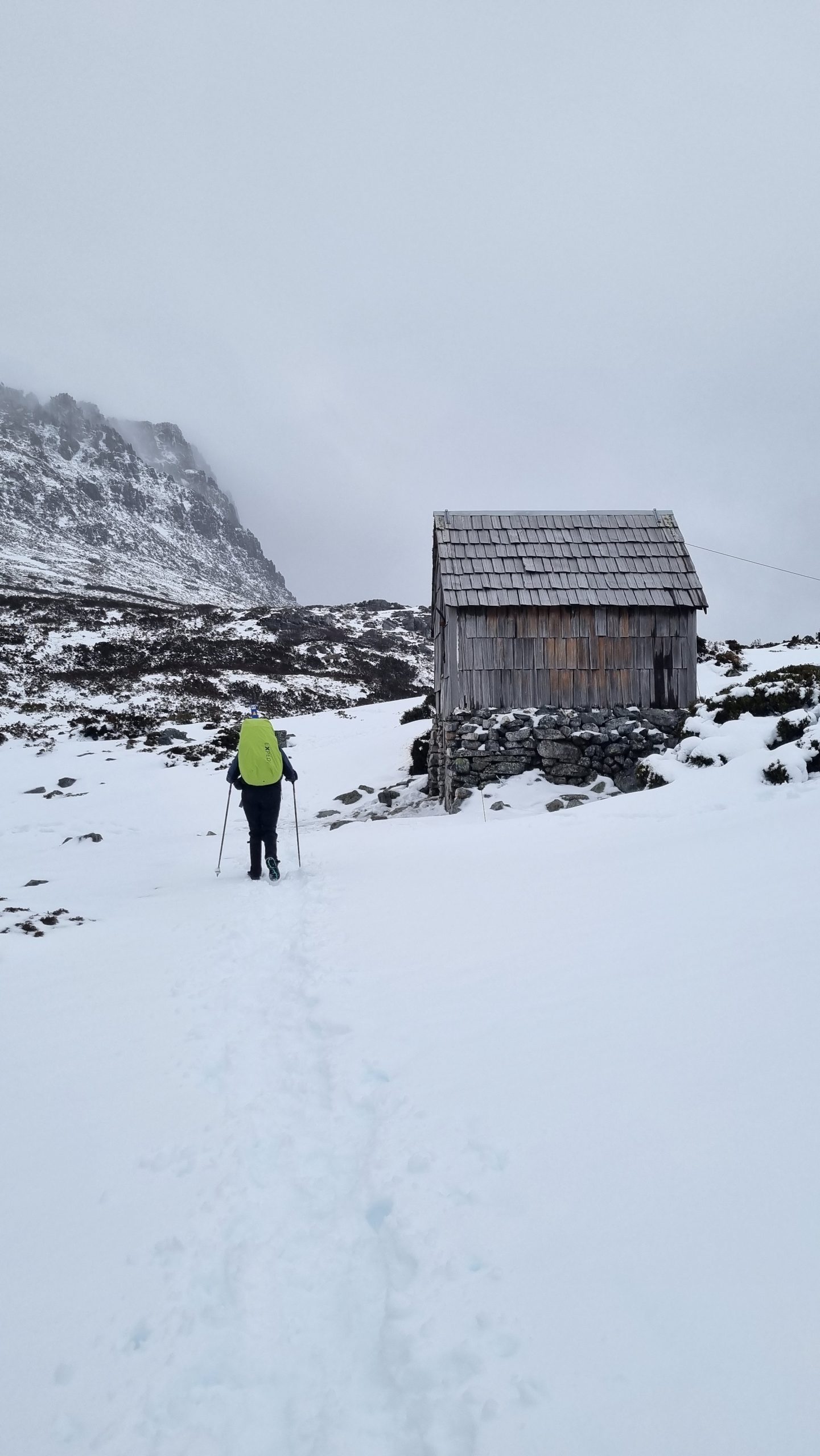
Spring and autumn are great for dodging the crowds, with wildflowers in bloom, crisp air, and wildlife roaming in abundance. Summer brings long, warm days and golden light, though it can get busy. Winter is raw and wild, with winds whipping the cliffs and trails —if you want the island to feel untamed, this is when it shows its true face.

How long do I need to experience Maria Island?

Maria Island is split into northern and southern halves, joined by the thin strip of sand known as McRaes Isthmus. Most of the island’s historic buildings and key sights, like the Painted Cliffs, Fossil Cliffs, and Bishop and Clerk hike, sit in the northern section.

An overnighter will give you enough time to hit the main (northern) highlights and catch your breath, while a day trip will have you racing from spot to spot.

To truly soak in the island’s wild vibe, experience the wilder southern side, and tackle longer hikes, set aside two or three nights.

Getting to Maria Island

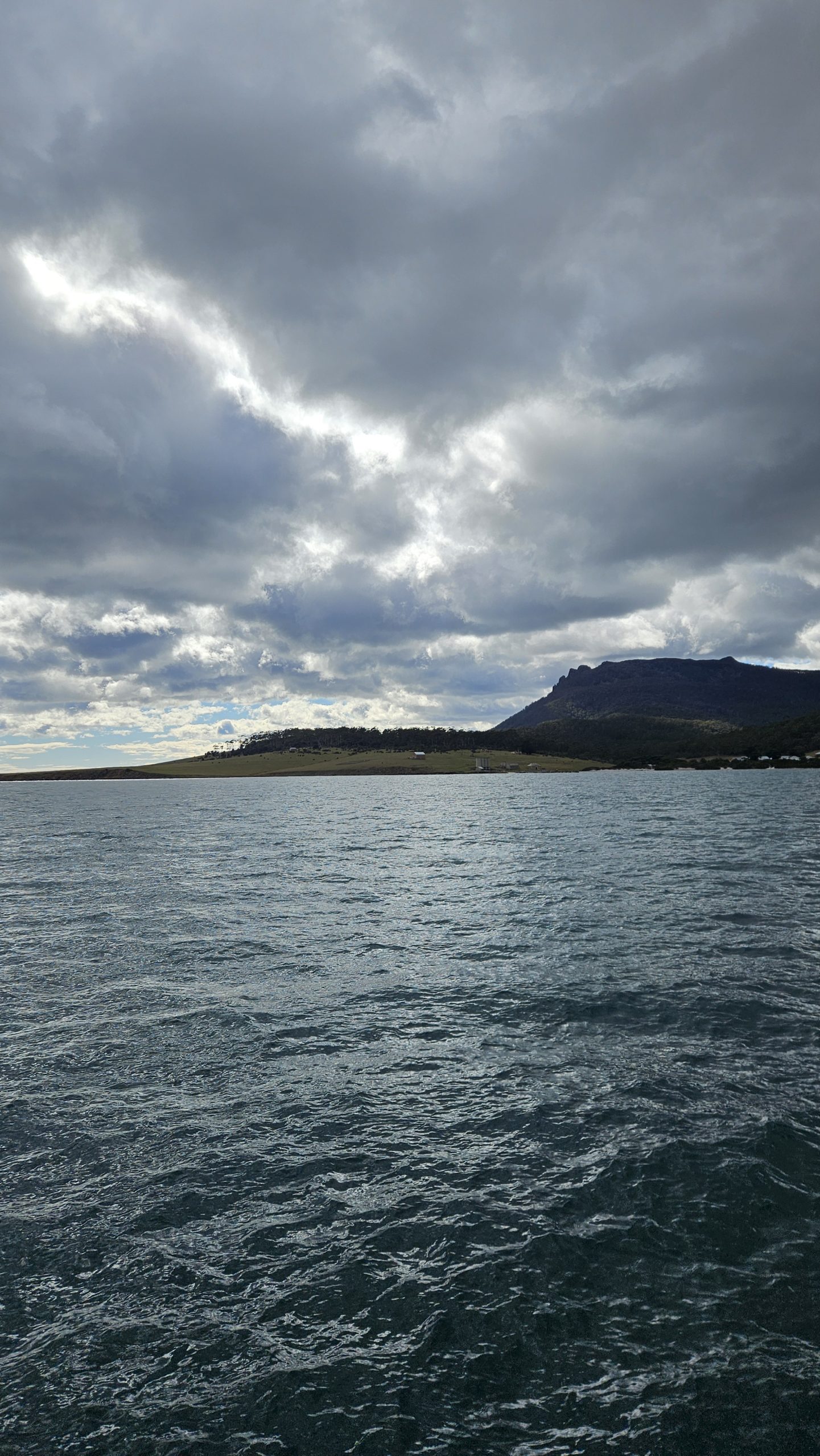
Maria Island sits off Tasmania’s east coast near Orford, just 90 km northeast of Hobart.

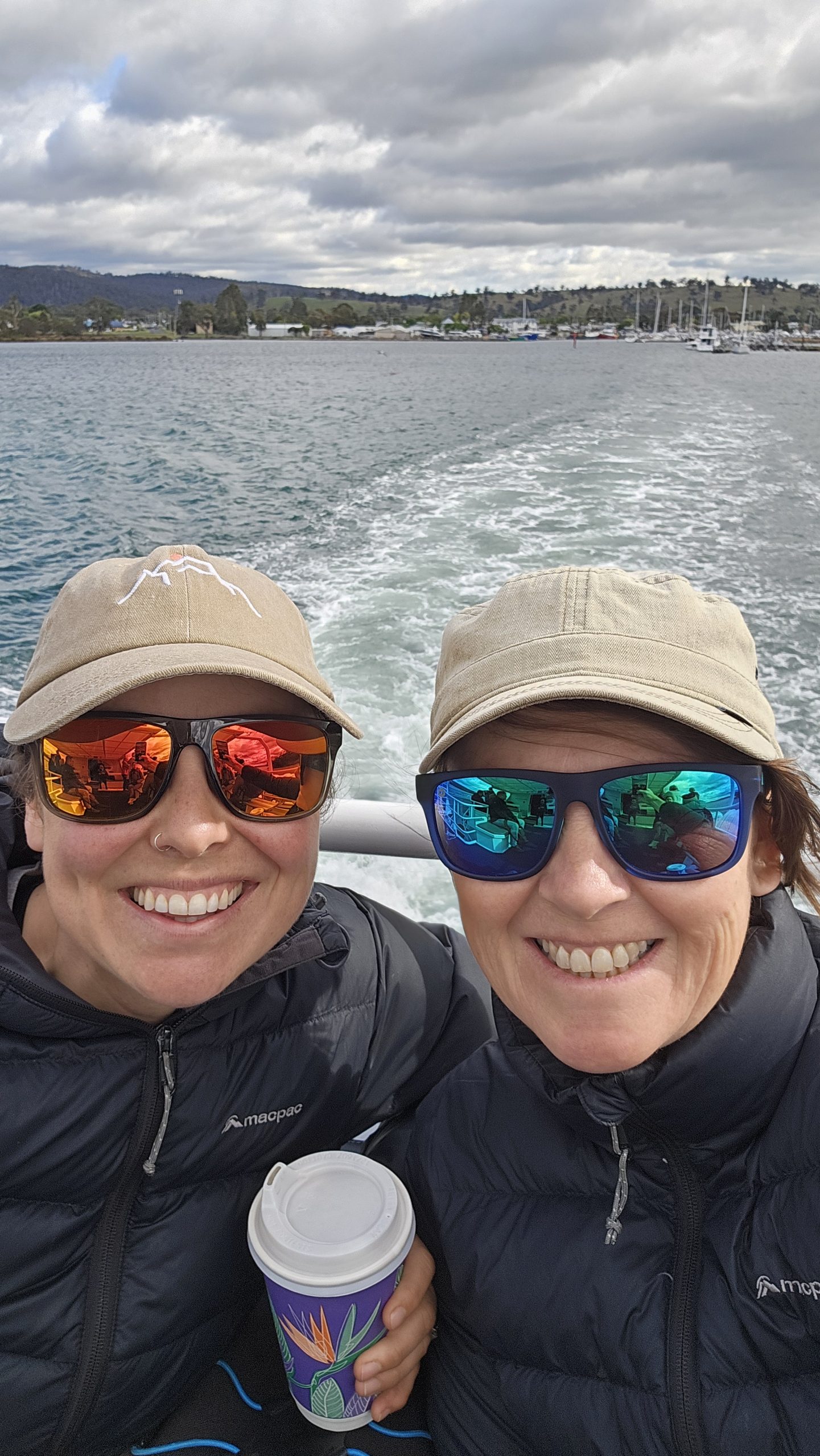
It’s reached by passenger ferry from the neighbouring town of Triabunna. The official ferry service to Maria Island National Park is operated by Encounter Maria Island. The crossing from Triabunna Wharf to Darlington Bay takes about 30–45 minutes, with sailings running regularly throughout the day (advance bookings recommended).

You can check-in, and buy your National Parks pass and pay camping fees, at the Maria Island Gateway building next to the wharf before boarding.

If you’re keen to catch the first ferry of the day — like we were — there’s a donation campsite behind the Spring Bay Hotel for the night before. It’s across the road from the ferry terminal. Show your appreciation by buying a meal or drinks at the pub.

There’s also plenty of free parking at the wharf for those wanting to leave their car overnight.

Where to stay on Maria Island

You can camp at Darlington, or on the island’s less visited southern side, or stay in a cabin at the Maria Island Penitentiary if you want a little more comfort.

Maria Island Penitentiary accommodation

From $75 per night, the historic penitentiary at Darlington offers simple bunkhouse-style accommodation — a unique way to spend the night at this World Heritage-listed convict site. There are 10 rustic rooms, each with bunk beds, comfortable mattresses, a picnic-style table and chairs, and a wood heater (wood supplied). There is no electricity, and the toilet block is separate but nearby.

Maria Island camping at Darlington (Northern Maria Island)

Starting at $7 pp pn, the historic settlement of Darlington is home to a large campground. The campground offers an undercover barbecue area, fireplaces (wood provided), and an amenities block with toilets. This camp is the closest to the ferry and is in the heart of the main area, so is a popular option. Note: You’ll need to transport all your camping gear from the ferry, so pack smart and use the supplied trolleys. Bookings are not taken ahead of time. Instead, camping fees are payable at the Maria Island Gateway before boarding the ferry.

Other campsites on Maria Island

These camps are better suited to multi-night stays and exploring the southern end of Maria Island. Camping at these locations is included in your Parks Pass. Facilities are minimal and fuel stoves are required (as fires are not permitted).

  • Frenchs Farm
    About a 3-hour walk from Darlington, Frenchs Farm offers flat grassy campsites with views of Mount Maria and surrounding valleys. The sheltered campsite is a good option in rough weather and makes a great base for exploring McRaes Isthmus — a narrow strip of land with sweeping beaches on both sides. The farmhouse is day-use only.
  • Encampment Cove
    Encampment Cove is a quieter, more remote campsite about 45 minutes south of Frenchs Farm. Set beside a sheltered beach, it’s a peaceful base for exploring the island’s southern coastline and the ruins of the Long Point Probation Station.

Our 24-hour Maria Island itinerary

We’re stoked we turned what many do as a day trip into an overnight adventure.

This is why we reckon an overnighter is the way to go:

  • Dawn and dusk are prime wombat watching hours
  • Painted Cliffs are quietest late in low tide (due to 4pm ferry rush)
  • It only costs about $15 more
  • No need to race around like a mad thing
  • Get to enjoy an island sunset and fireside dinner

Here’s how to spend 24 hours on Maria Island, just like we did.

Day 1 (Early morning): Triabunna → Darlington

Head to the Maria Island Gateway office before boarding the 8.30am ferry (first for the day) to check-in, and pay for your National Parks Pass and camping fees. There’s a coffee truck at the wharf if you want a hot drink for the trip.

After the 45-minute cruise, jump off the ferry and beeline it to the Darlington campground to set up your tent and pop your food in the lockers. If you want dinner tonight, you’ll want to keep your food safe from the roaming animals. There’s lots, including Tassie Devils.

Day 1 (Mid-morning): Fossil Cliffs

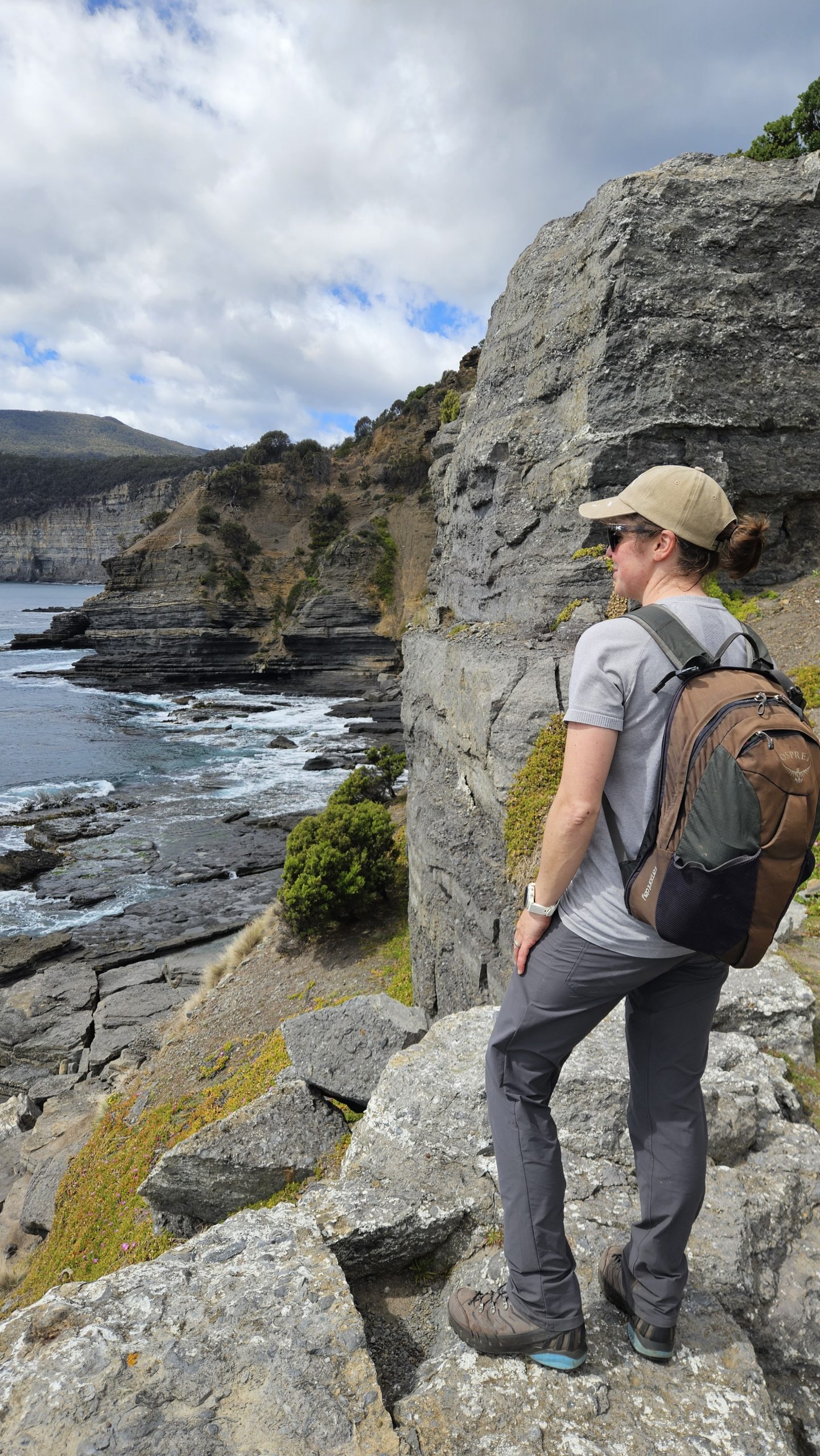
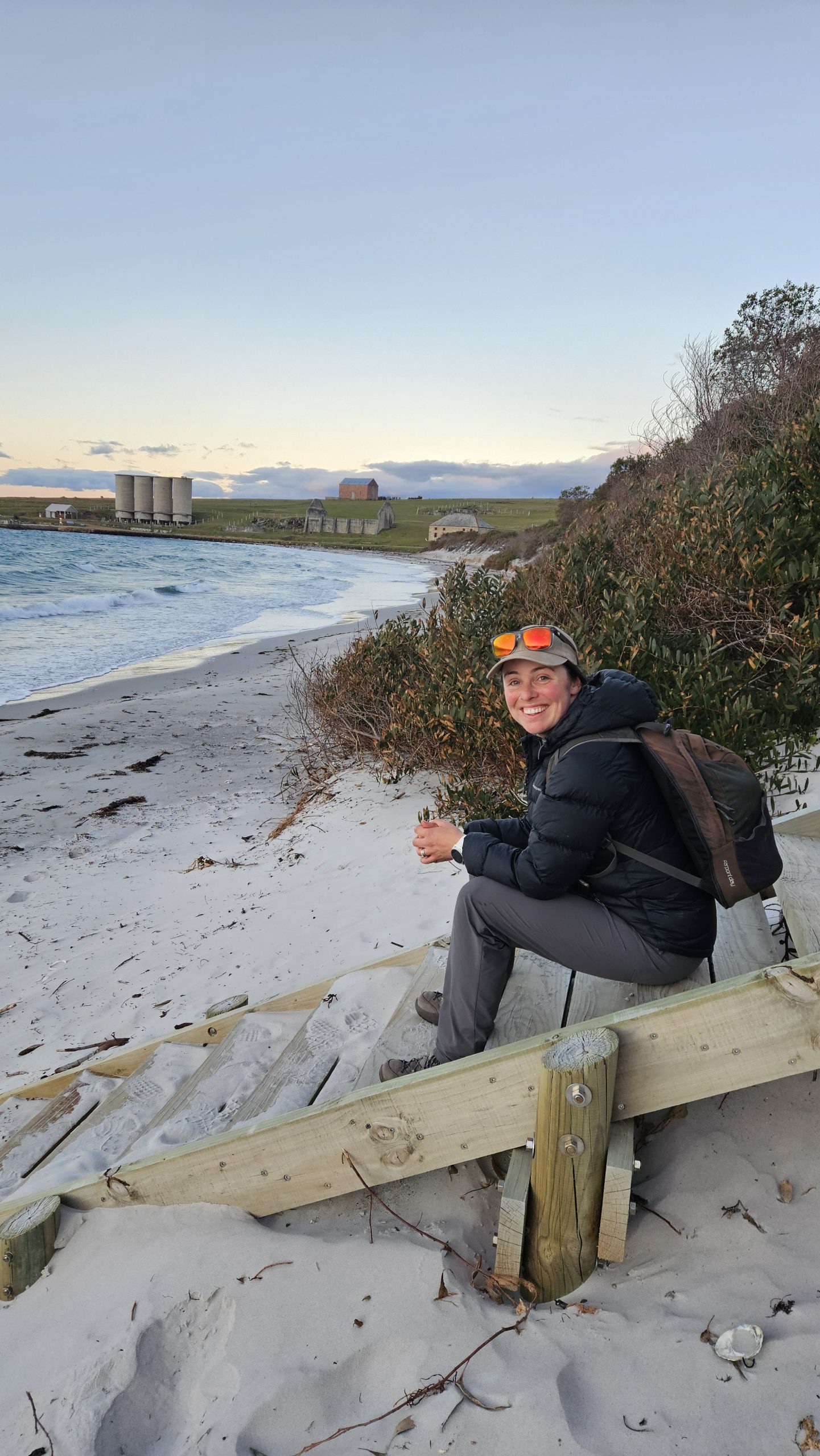
Grab your day pack and walk along the coast — back past the ferry terminal — to Fossil Cliffs, checking out the historical sites on your way.

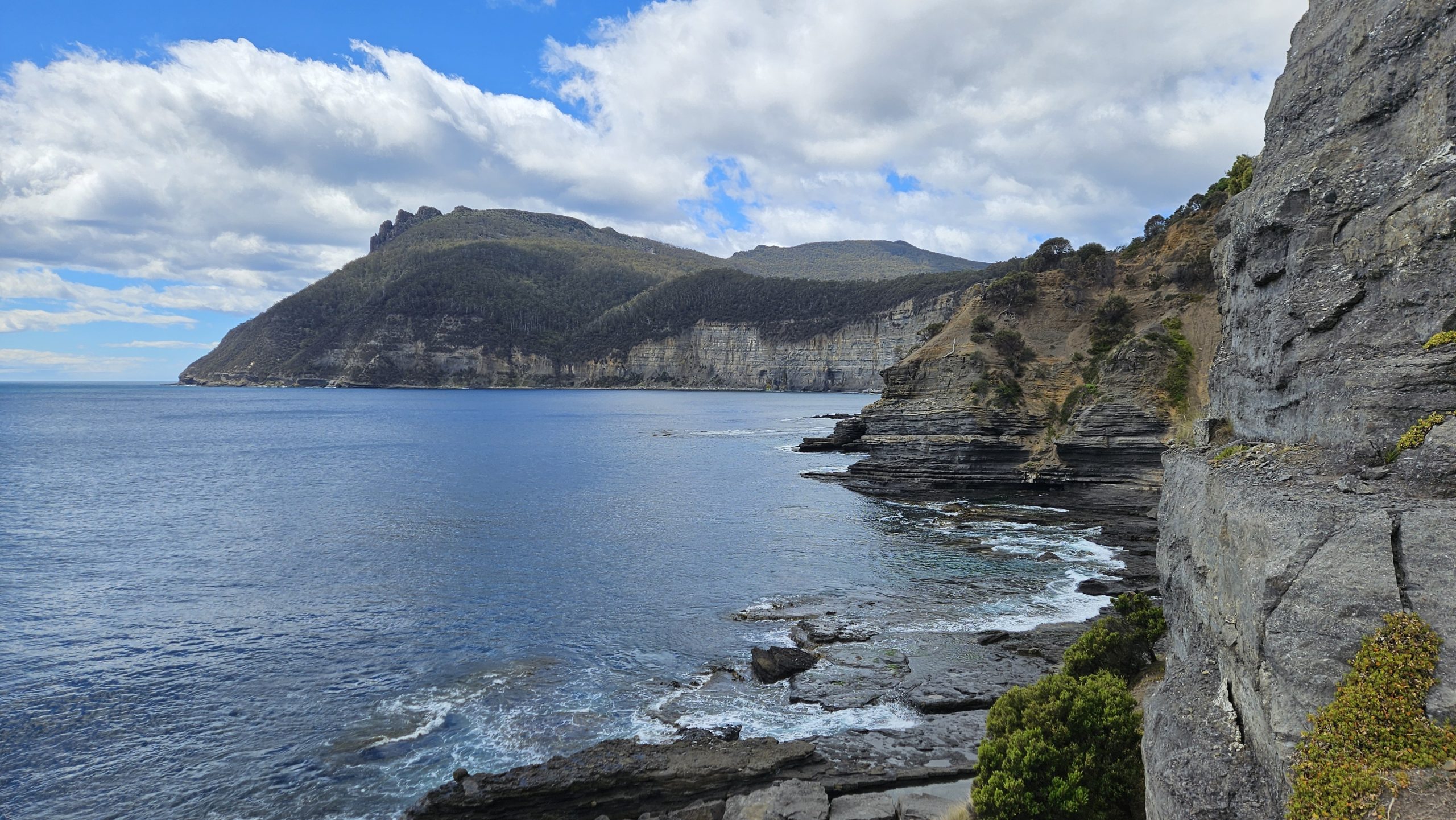
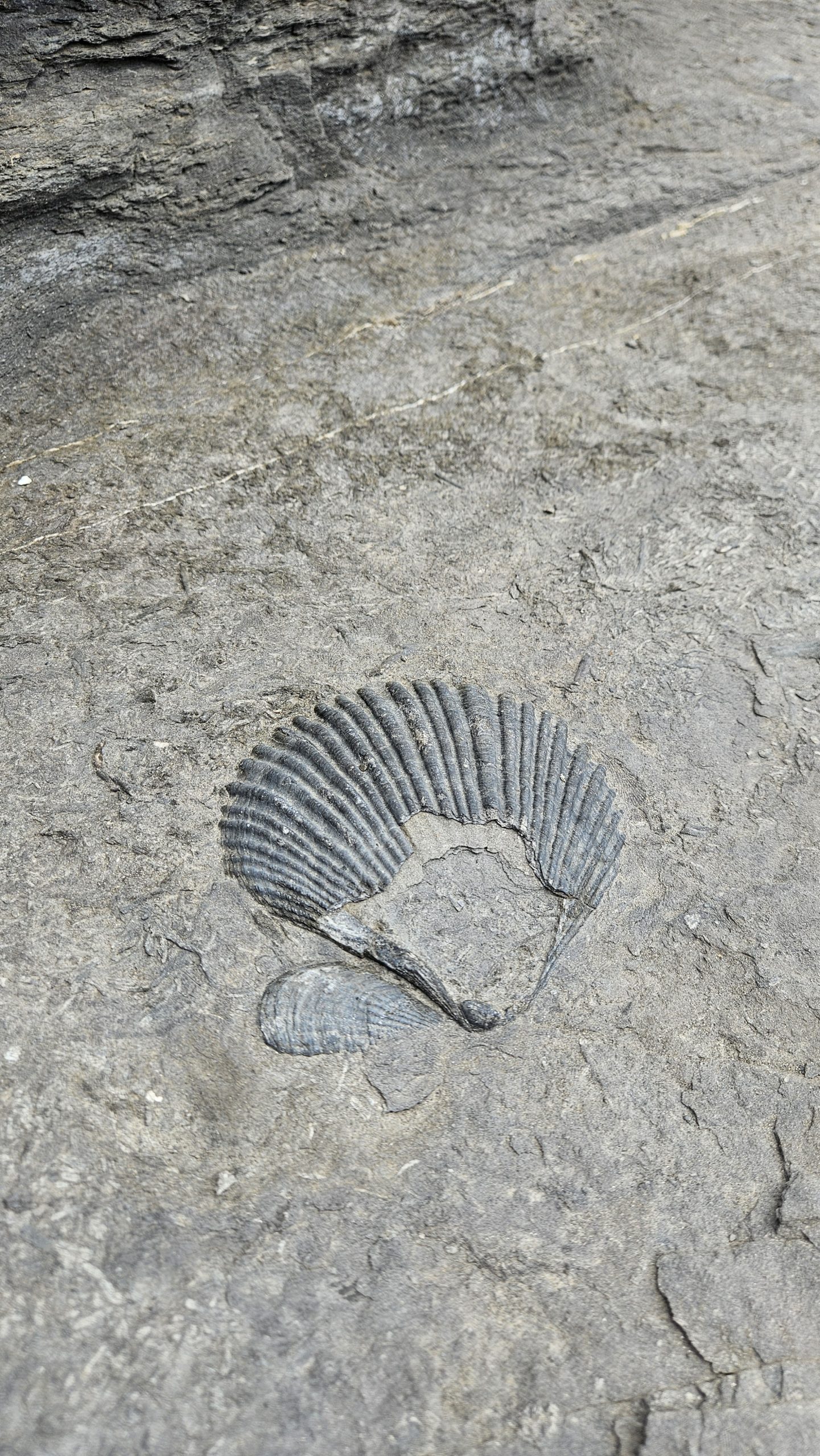
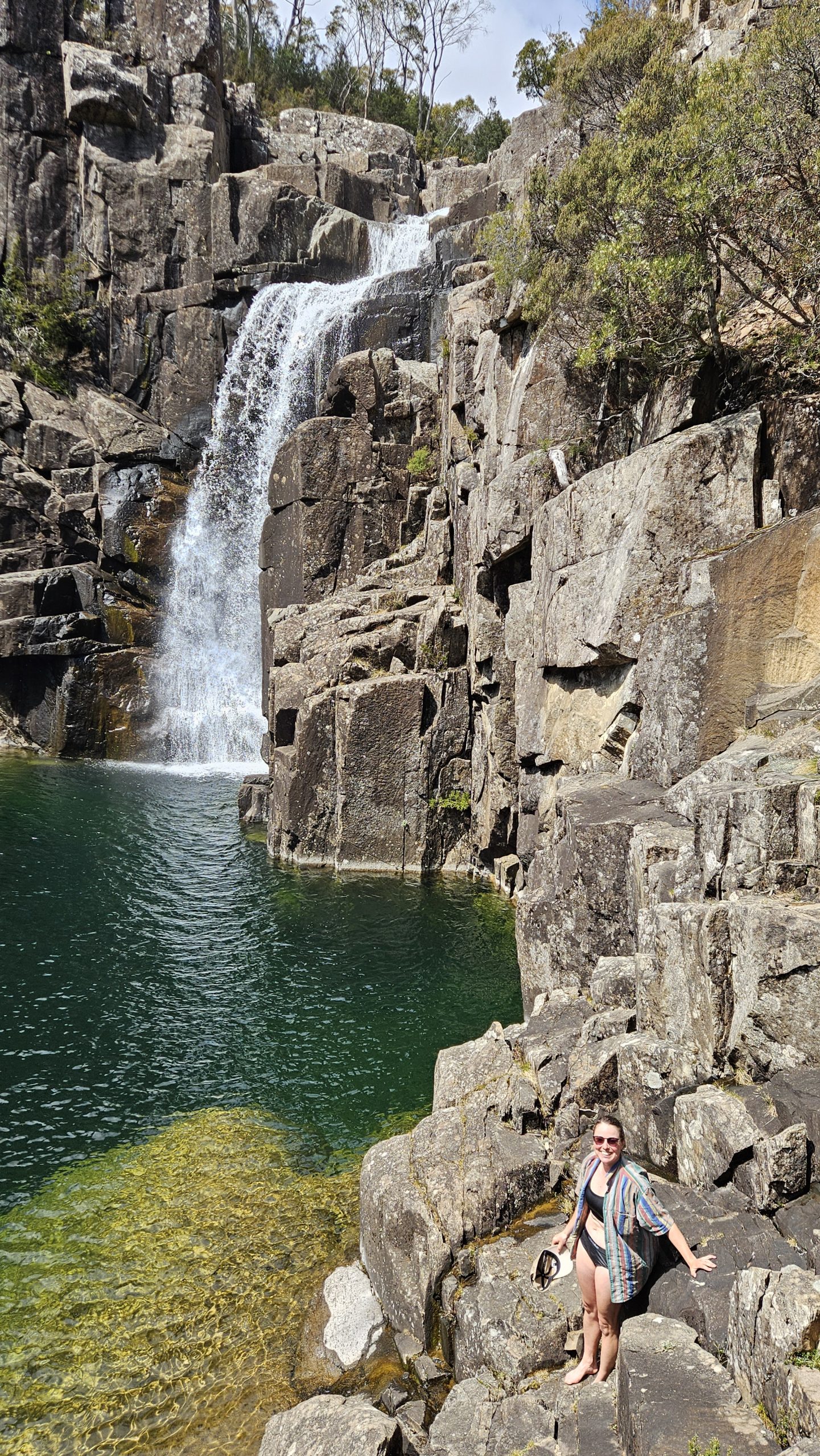
Fossil Cliffs offers epic coastline and stacks of ancient fossils. Take your time soaking up the views and ancient markings.

Day 1 (Late morning – afternoon): Bishop and Clerk

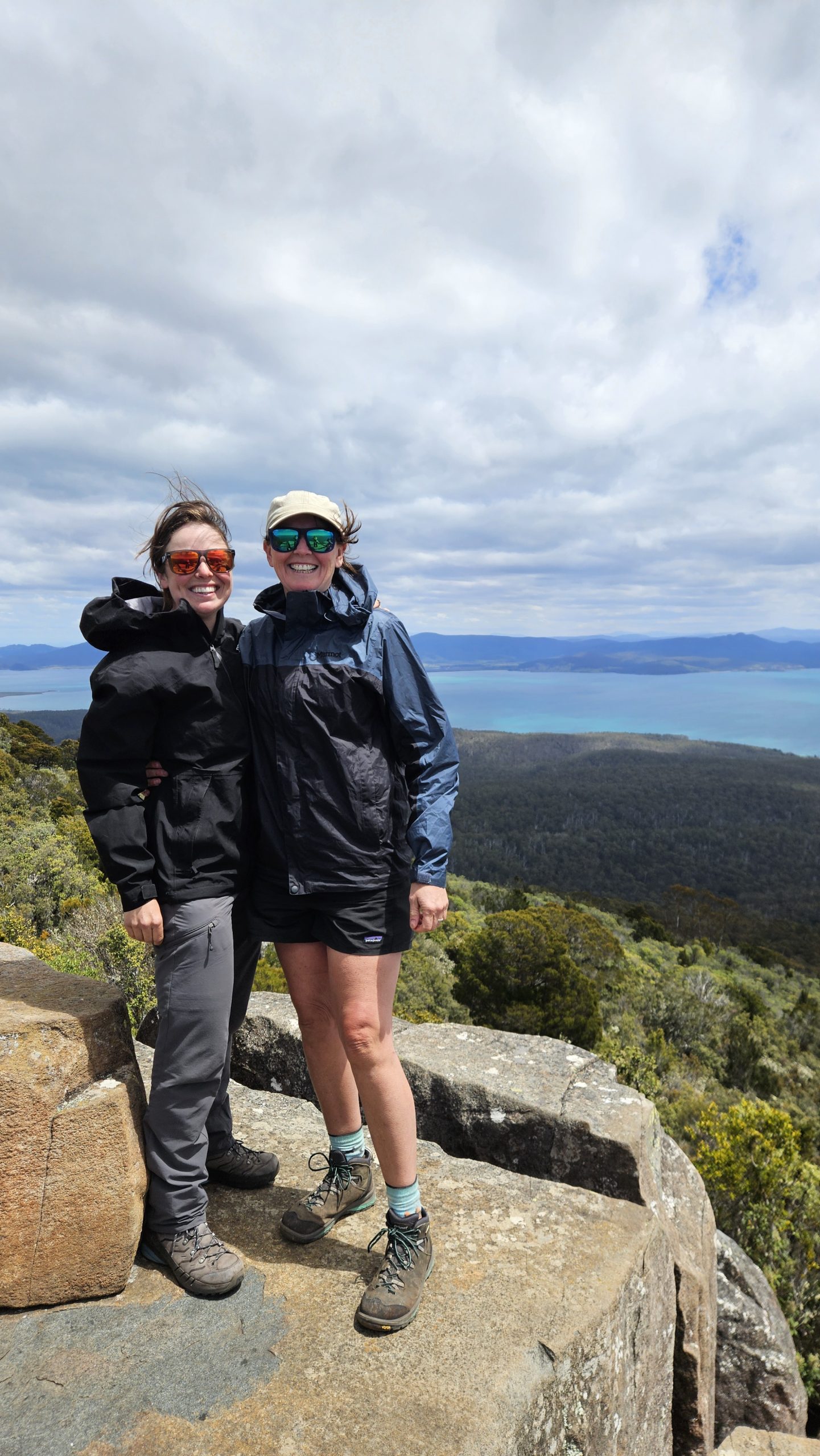
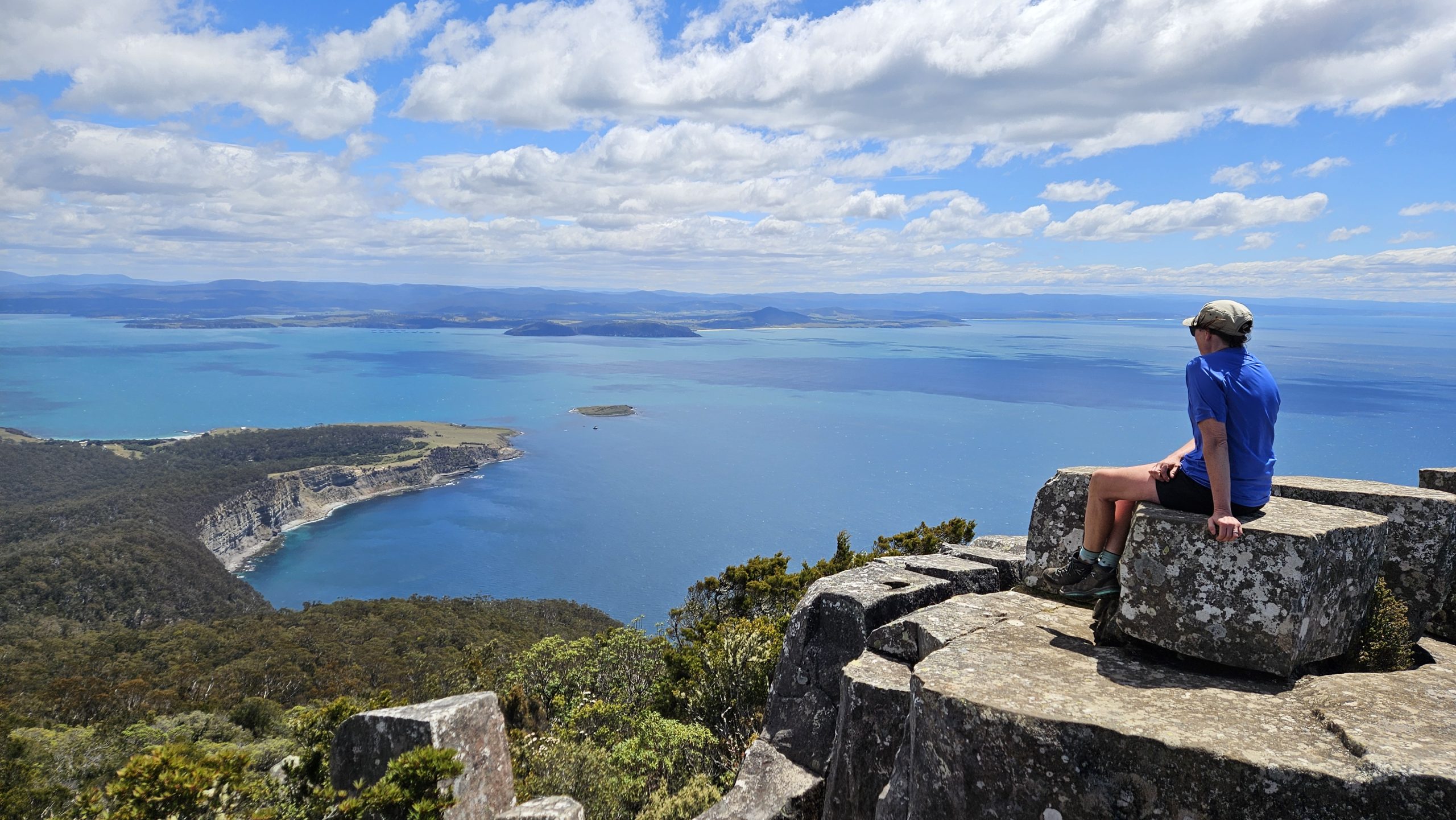
Next, head to Bishop and Clerk for a challenging hike with spectacular summit views (4–5 hr, 11 km return). It’s a gruelling climb but the outlook is absolutely worth it.

With burning legs and wide eyes, return to the Darlington campground for a late lunch, taking the walking track that follows Bernacchis Creek. Keep your eyes peeled for wombats on your way and check out the old cement factory.

Day 1 (Late afternoon): Painted Cliffs

The Painted Cliffs are an absolutely stunning rock formation best viewed at low tide. We went late at low tide and had the whole place to ourselves due to the 4pm ferry rush. On our way, we passed streams of people heading to the ferry.

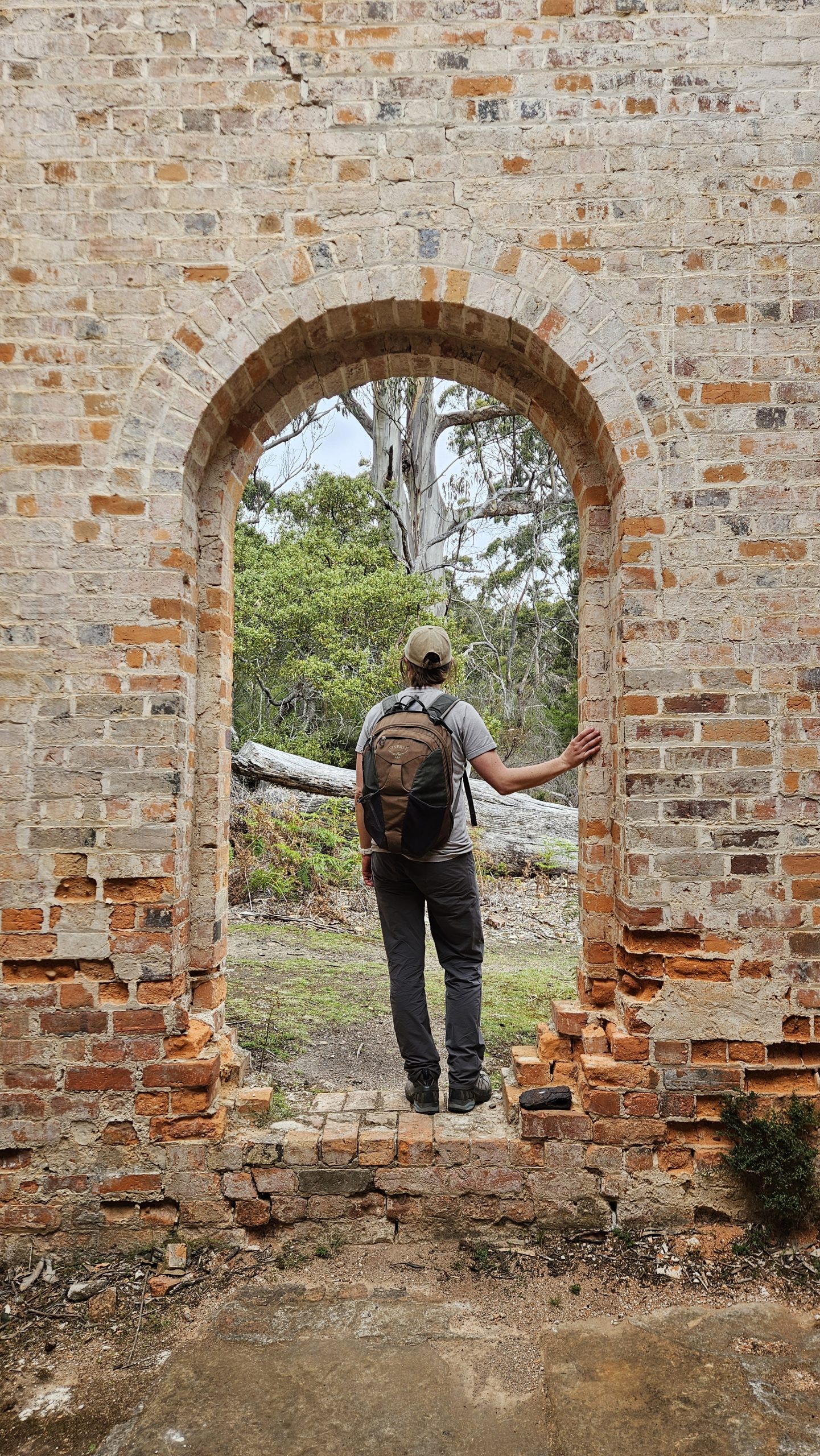
Check out Mrs Hunt’s cottage on your way back to Darlington. Mrs Hunt is recognised as one of the last residents to leave Maria Island in 1968 before it was declared a National Park in 1971. She was the radio signal woman and operated a pedal wireless. We loved standing in her tiny home imagining life back then.

Day 1 (Evening): Darlington

As dusk approaches, get ready for some primo wombat and wildlife spotting action. Walk around the historic Darlington Township and see wombats grazing as the sun fades.

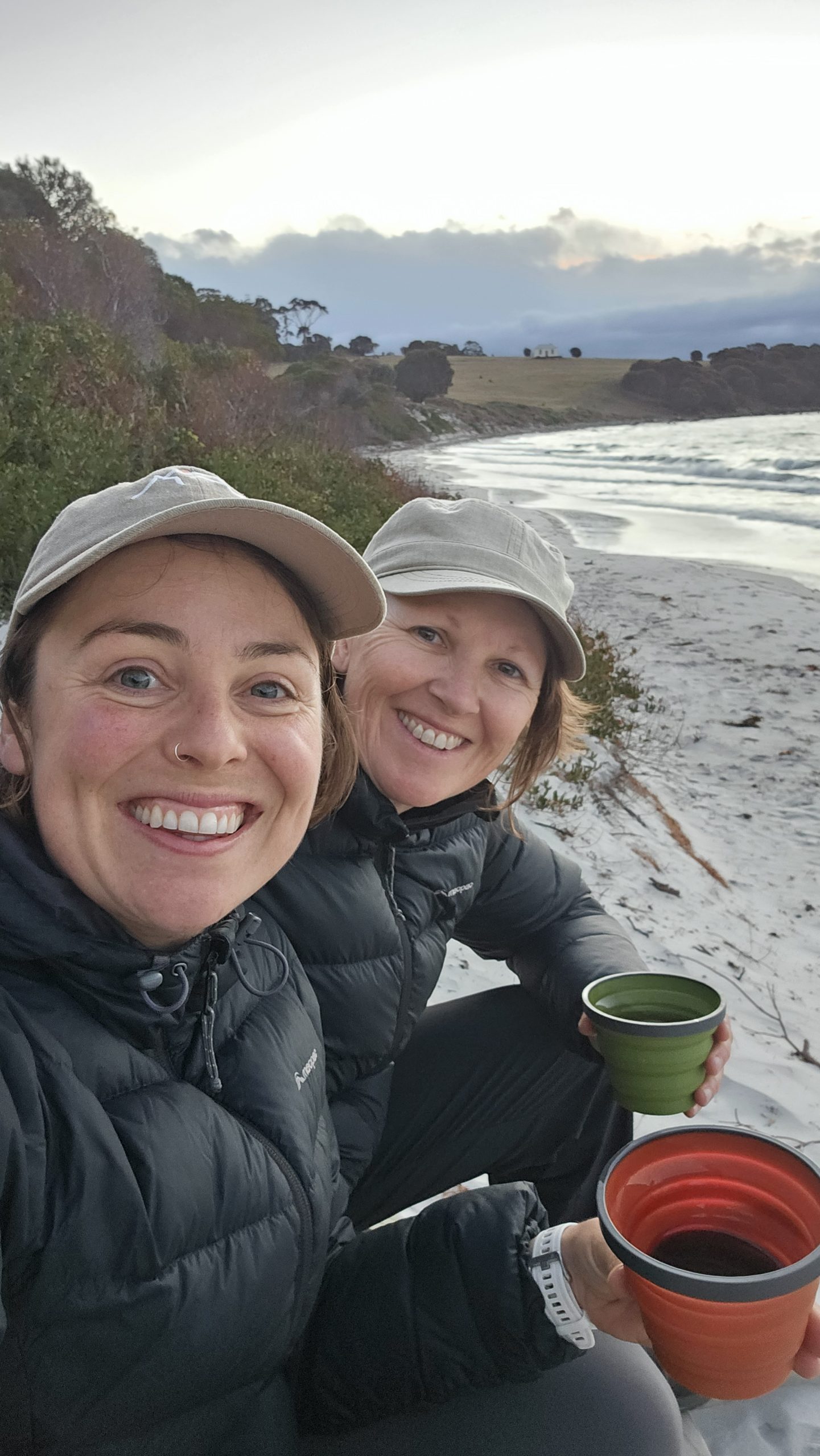
Then go to Darlington Bay for a beautiful island sunset, BYO wine if you’re so inclined (we did).

Next, head to the camp kitchen for a fireside dinner (wood supplied, but you’ve gotta light it). Cook up a nice meal using the free gas barbecues or your own butane cooker. Keep your eye out for roaming devils around the camp kitchen.

Day 2 (Morning): Darlington Township

Explore the old penitentiary and colonial ruins dotted around the Darlington area.

Jump on the ferry back to Triabunna the next morning. Then hit the road and keep exploring Tassie’s picturesque East Coast.

Want more?

Check out our six-week Tasmania lap itinerary for an epic adventure around the island. Tackle the whole thing, or bite off the chunks that jump out at you.

Share:

More posts

Want to roam with us?

Sign up to receive our latest travel stories, tips, tricks and destination guides.

Want to roam with us?

Sign up to receive our latest travel stories, tips, tricks and destination guides.

We honour the ancient cultures of the First Nations peoples whose land we travel.

Copyright © Franky Roams | 2026 | All Rights Reserved