Our complete guide to working on the road

When travel savings run low, working on the road can keep the adventure rolling — and give you time to truly explore places like a local.

How we found work on the road — and you can too

We were 12 months into our vanlife adventure and our savings were running dangerously low. But we weren’t ready — or keen — to beeline it home and slide back into a 9–5 office job.

So we weighed up our options:

  1. Buy Lotto tickets and hope for the best
  2. Hire a metal detector and head to the nearest gold rush town
  3. Find a roadlife work gig

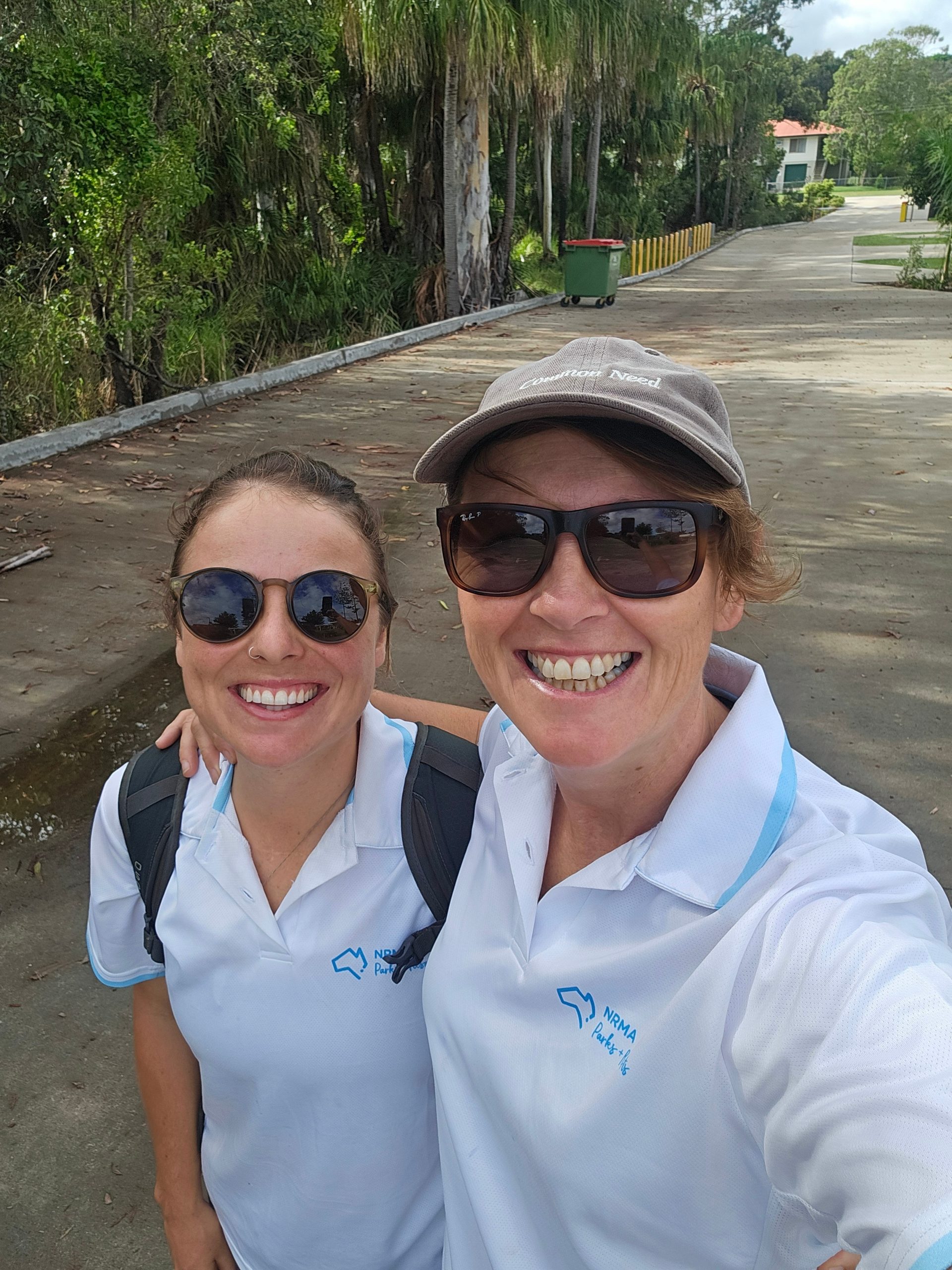
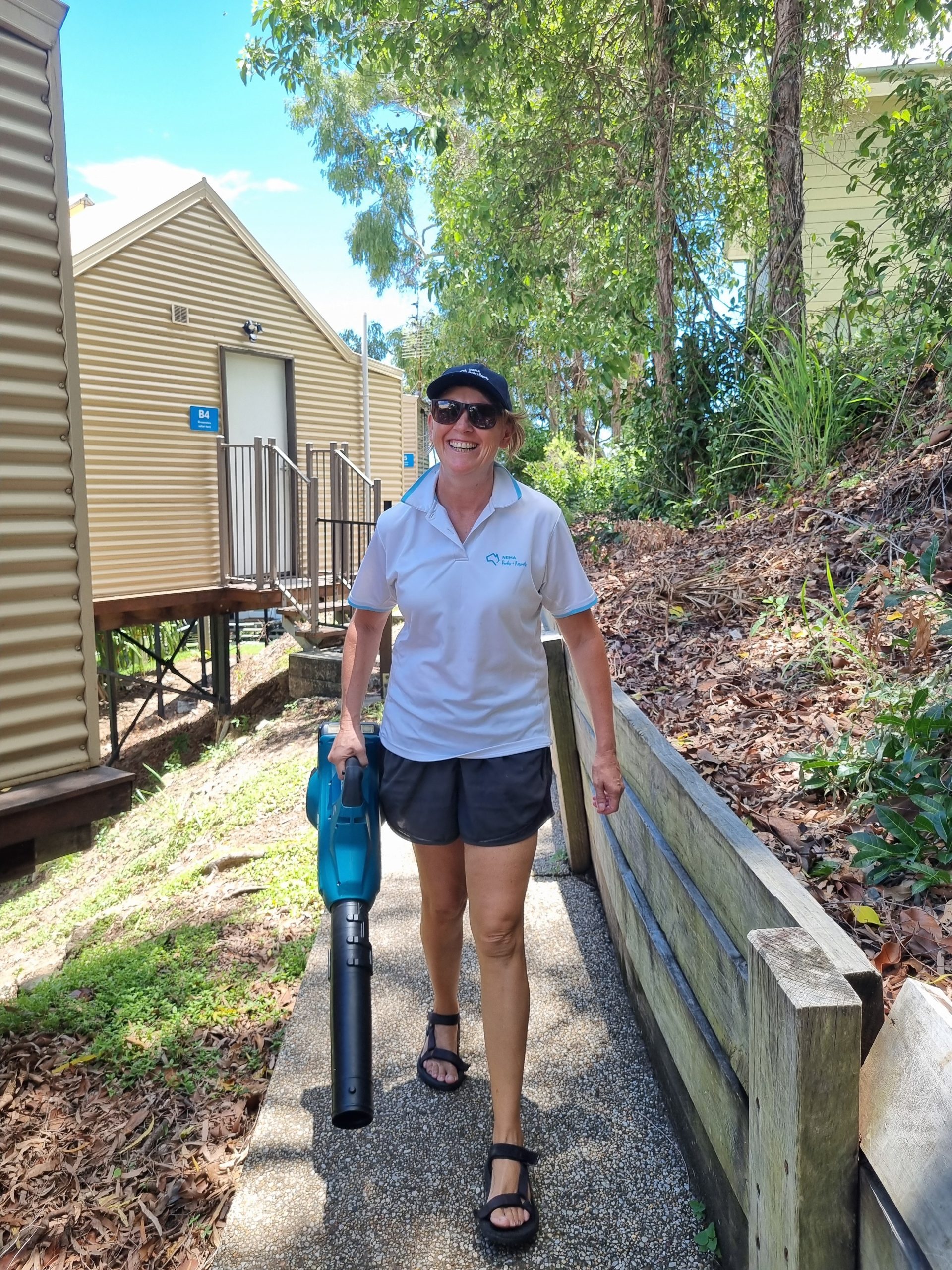
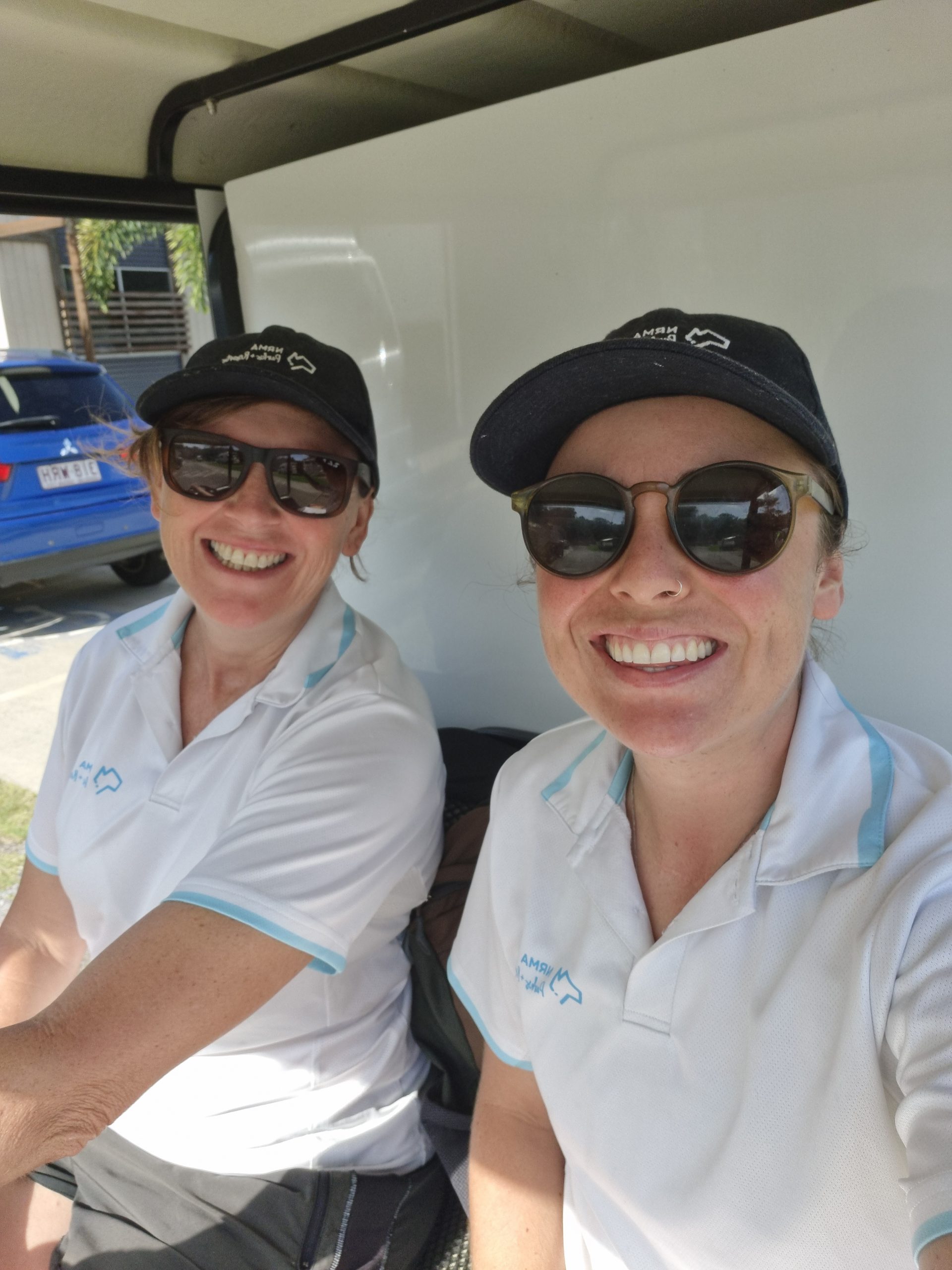
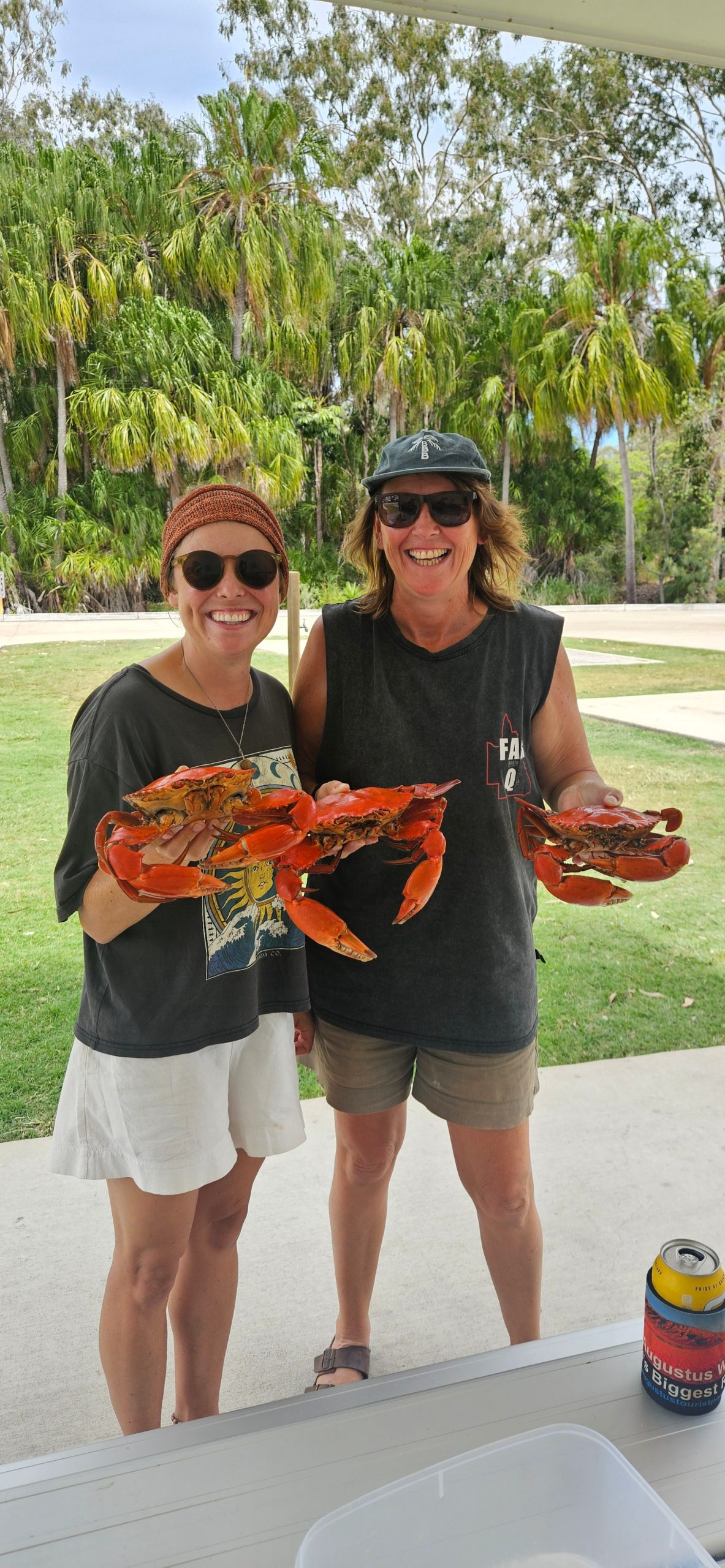
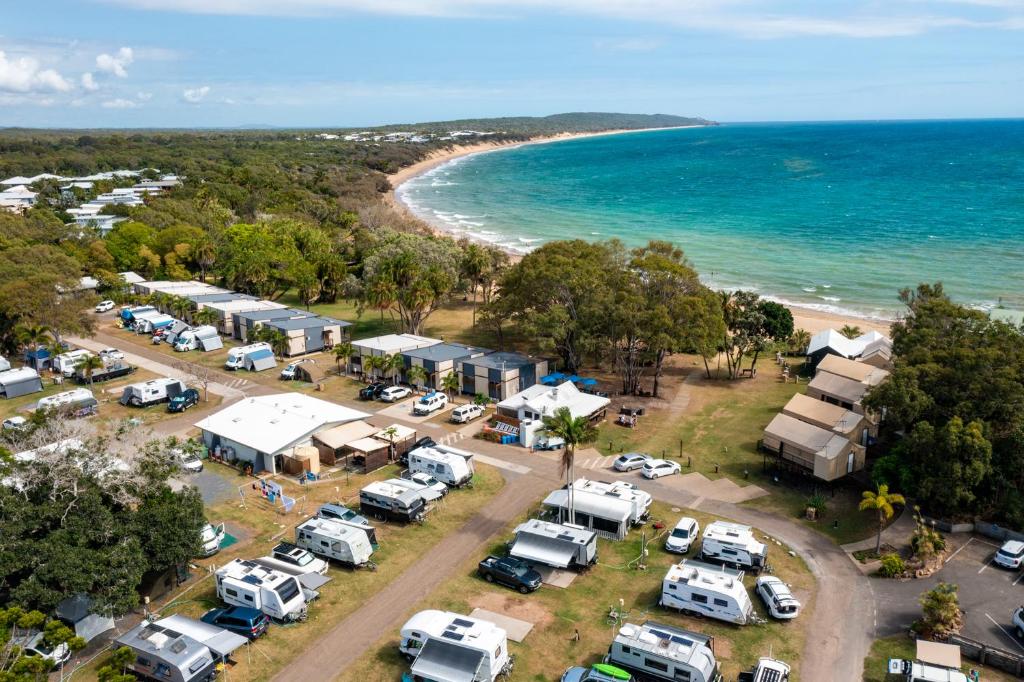
We went with option three — and landed a three-month stint as housekeepers at a holiday park on Queensland’s balmy central coast.

Working on the road is one of the best ways to keep your adventure going. You also get to experience a place like a local and discover hidden gems you’d never find on a quick stopover.

But what kind of work is actually available? And how the hell do you find it?

This guide breaks down the most common road-friendly jobs, how to land them, and how to balance earning with exploring. It’s written specifically for full-time Aussie travellers — people living on the road, just like us.

Best jobs for full-time travellers

From caravan parks and remote stations to farms and hospitality venues, there are plenty of ways to earn money while exploring Australia. Some industries suit roadlife better than others — the big two being tourism and agriculture, which rely heavily on seasonal workers.

Caravan park, roadhouses & station stay jobs

  • Cleaning, cooking, office work, maintenance, groundskeeping, and all-rounder roles
  • Management or caretaker positions
  • Often include free or discounted accommodation

Farm work

  • Fruit picking, pruning, packing sheds, or station work
  • Perfect for seasonal or short-term gigs
  • Physically demanding but usually pays well
  • Can be competitive with many overseas travellers seeking work

Hospitality & Tourism

  • Cafés, bars, hostels, resorts, and tour guides in tourist hubs
  • Casual shifts allow flexibility
  • Seasonal peaks align with school holidays and tourist seasons

Tip: Jobs with included accommodation or meals can save you big on travel costs while still exploring.

How to find work on the road

Our two roadlife gigs so far show just how differently opportunities can come about:

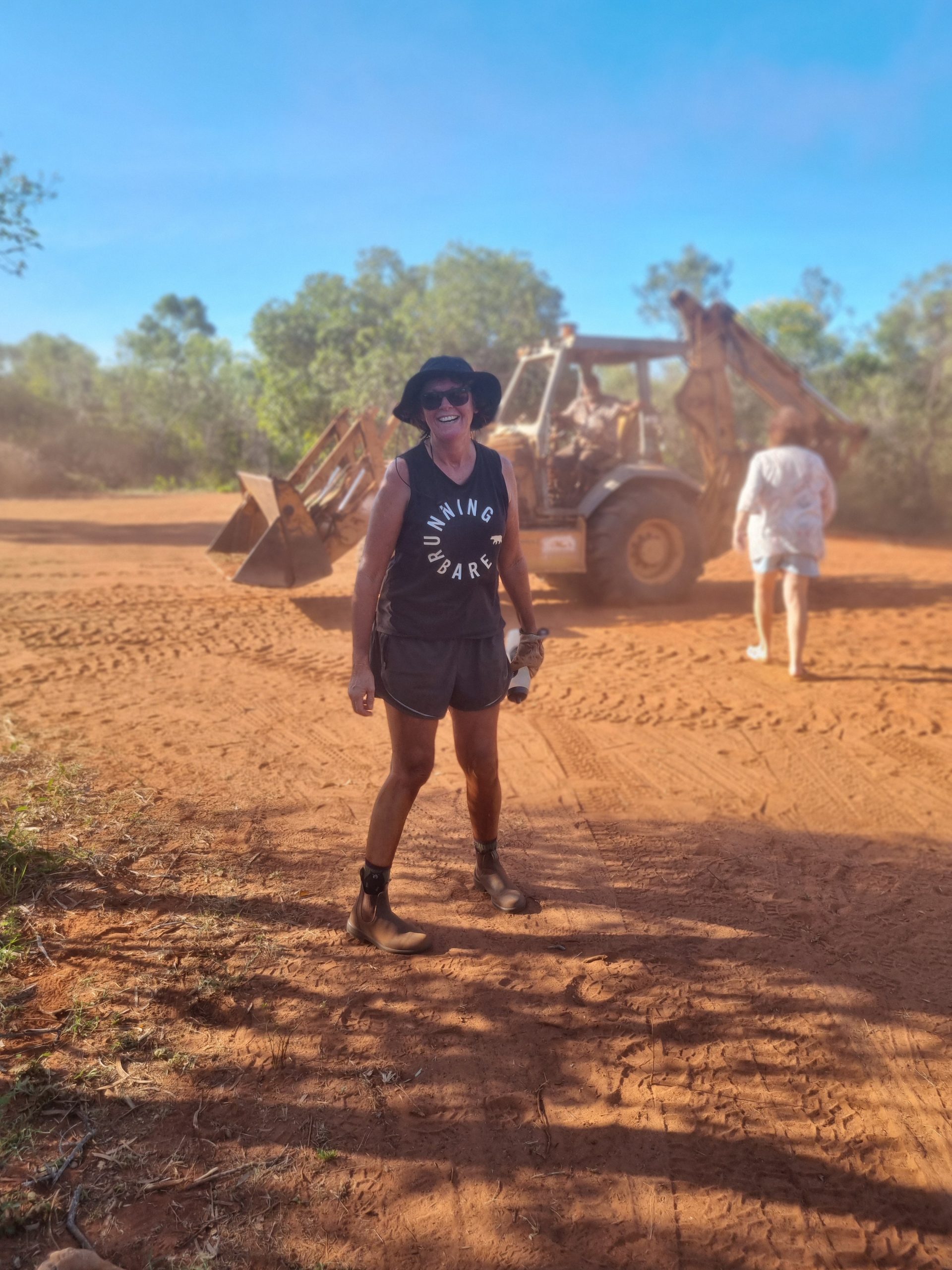
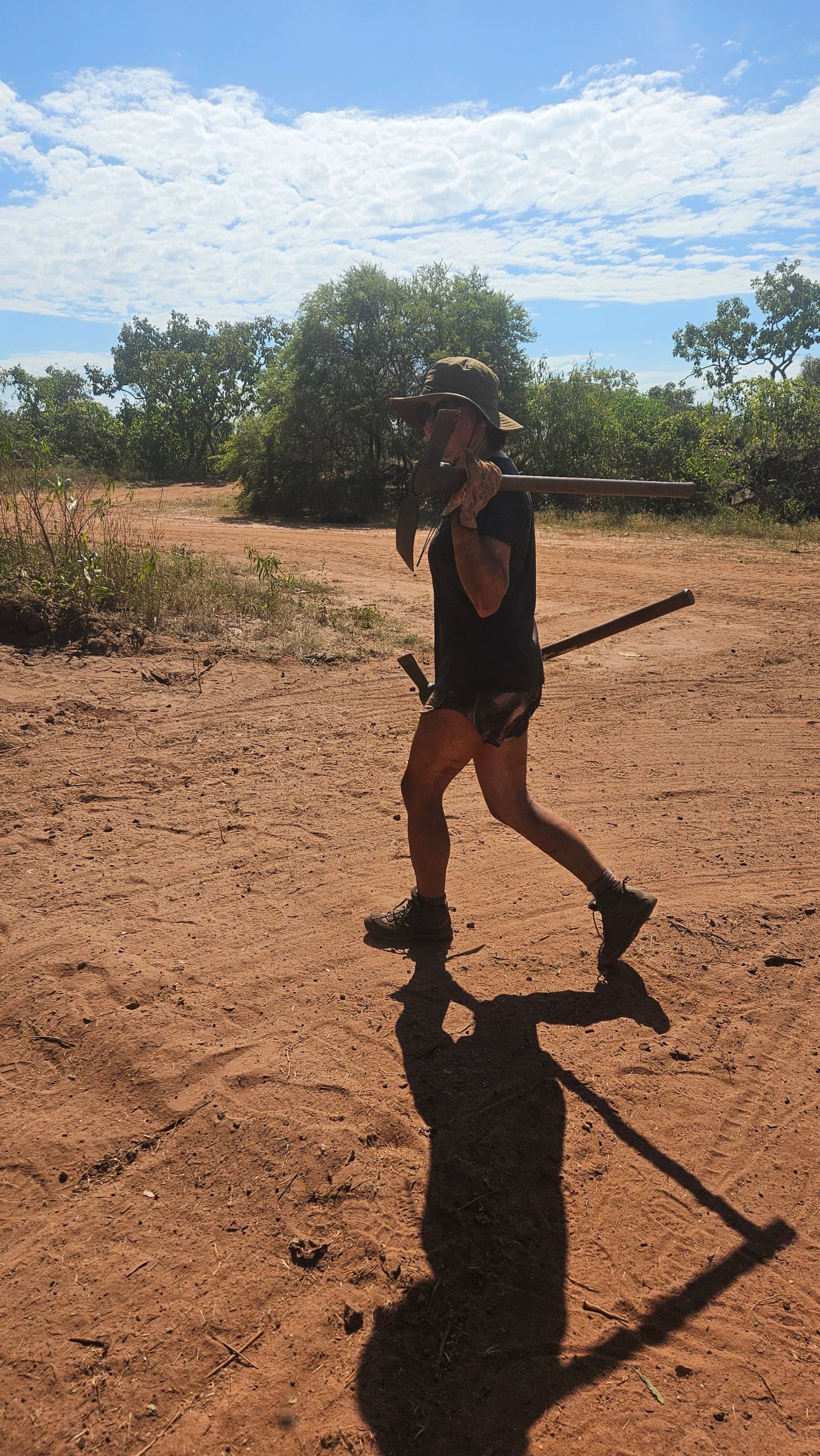
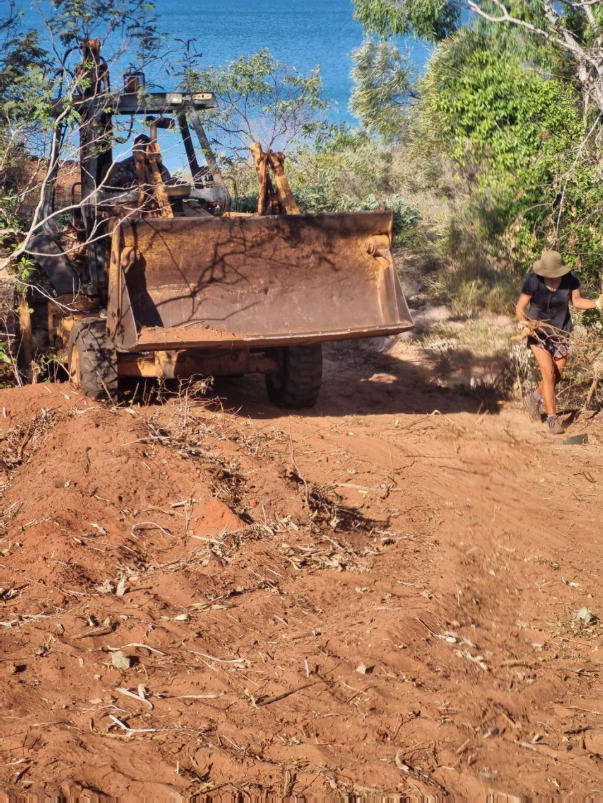
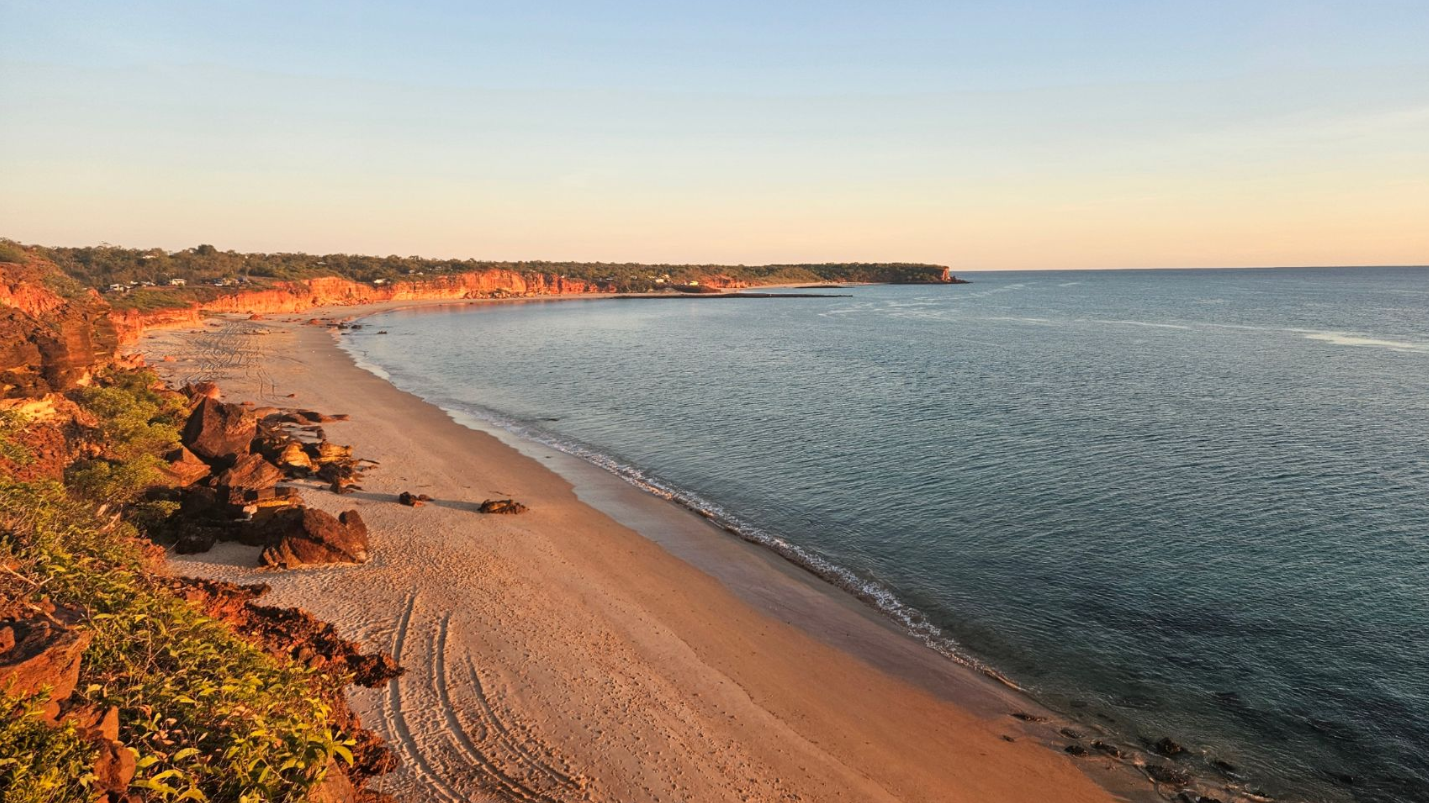
On WA’s Dampier Peninsula, we scored a short station stay stint by simply chatting with the owner on check-in. He was facing his busiest season yet. Within hours, we had boots on and were clearing land for new caravan sites.

In Queensland, our holiday park housekeeping role came via a Facebook ad on a jobs group targetting full-time travellers. We scored the gig about a month before starting.

Here’s how you can track down work too.

Traveller-focused Facebook groups

Facebook groups are gold for full-time travellers. You can check out jobs across Australia or post an intro about yourself.

Here are some of the biggest groups:

Caravan parks & station stays

General

Regional & rural

Farming & agriculture

Tips for using Facebook groups effectively:

  • Introduce yourself: say where you are, what work you want, and when you’re available
  • Check the rules: some groups require specific post formats
  • Use the search function: keywords like “caravan park”, “farm work”, “seasonal”, “cleaner” pull up older posts you can respond to
  • Search “Jobs [town name] Australia” on Facebook to find local community pages where employers post directly.

Asking directly

Sometimes the simplest approach works best: walk up and ask. Many caravan parks, farms, and tourism businesses are constantly on the lookout for extra hands due to high staff turnover. It’s all about being at the right place at the right time.

How to make it work:

  • Pick the right time – avoid busy check-in hours or peak meal times
  • Be prepared – carry a short “road-ready” resume, list relevant skills, and your availability
  • Be friendly and flexible – smile, introduce yourself, and emphasise that you can jump in where needed
  • Follow up – if no work right now, leave your contact details and check back later

Online job boards

Job websites, like Seek, are perfect for lining up casual or seasonal work before you arrive.

Popular online job boards include:

Tips for using online job boards:

  • Search smart: keywords like “casual,” “seasonal,” “caravan park,” “farmhand,” “hospitality”
  • Complete your profile: list skills, experience, and a photo — employers can reach out directly
  • Be clear: state your availability and travel lifestyle
  • Follow up: friendly emails or calls can help you stand out
  • Use multiple sites: Seek, Indeed, Jora, Workforce Australia
  • Keep a digital copy of your resume handy — some jobs may need it immediately

Other options to consider

WWOOFing (World Wide Opportunities on Organic Farms)

WWOOFing is a global movements enabling  travellers to volunteer on organic farms in exchange for food and accommodation.

WWOOFers usually work 4–6 hours a day helping with gardening, harvesting, animal care, or small building projects.

Unlike paid farm work, WWOOFing is an exchange rather than employment. It’s perfect if you’re willing to get your hands dirty, want to learn something new, as well as reduce expenses, and experience regional Australia more deeply.

Through living with Australian families, learning and working alongside them your holiday and experiences will be unique.

Here are two of the main places WWOOFing opportunities can be found:

  • WWOOF Australia — The official WWOOF Australia website ($70 for a WWOOFer volunteer membership to search for opportunities)
  • Work For Accommodation In Australia — A Facebook group providing travellers with work for accommodation possibilities across Australia.

Tip: Always clarify hours, accommodation standards, meals, and days off before locking in a WWOOFing gig.

Pros and cons of working on the road

Let’s be honest — would you work if you didn’t have to? Probably not. If we won the Lotto, we’d probably just keep roaming.

But there is something special about working on the road. The random experiences it throws your way. It encourages you to slow down, explore more deeply, build relationships, and even discover new skills or industries.

For us, it’s simply part and parcel of travelling full-time.

Pros

  • Extend your adventure: earn money without cutting your trip short
  • Live like a local: longer stays reveal hidden spots and experiences
  • Get fit quickly: many jobs are physical and fast-paced, so it’s a workout without even trying
  • Accommodation perks: caravan parks, farms, and hostels often offer free or discounted stays
  • Meet people: work introduces you to locals and fellow travellers
  • Flexible opportunities: seasonal and casual jobs suit unpredictable travel plans

Cons

  • Less travel time: work can slow your itinerary, especially with demanding roles
  • Physical demands: farm work, cleaning, and maintenance can be tough
  • Inconsistent income: short-term jobs come and go, which can make budgeting tricky
  • Isolation: some gigs are in remote locations
  • Competition: seasonal roles fill quickly, so you need to be proactive

Tips for a positive work experience

  • Clarify shift expectations before accepting the role, so you know what you’re in for.
  • Check how many hours you’re likely to get, as many positions are casual.
  • Ask about the pay rate and whether overtime or bonuses are available.
  • Check if accommodation is provided or discounted; savings here can make a big difference.
  • Police checks: some employers require them — having one done annually keeps you ready.
  • Confirm what’s included: utilities, meals, internet — especially if staying offsite.
  • Have your superannuation and taxation (TFN) details at hand, or ABN for freelance or contract work.

FAQs – Working on the road

Before you jump into working on the road, you probably have a few practical questions. These are the ones we get asked most by fellow travellers.

How long is a role likely to last?
Most employers expect a minimum commitment. Seasonal work, like grain harvesting or grape picking, usually lasts the full season — grape harvest, for example, is around eight weeks. Caravan parks, hostels, and tourism roles often require three to six months minimum, depending on the peak season.

How much can I expect to earn and save?
It depends on the job and lifestyle. For context, we saved $20,000 over three months working as housekeepers at a holiday park. We paid a discounted site fee of $100/week, worked around 30 hours/week, and limited spending to $500/week.

Tip: Jobs with included accommodation or meals make saving much easier.

Can couples work together?
Absolutely — we did! Many farms and caravan parks welcome couples. That said, some roles remain “gendered” (handyman/grounds work vs. front office), which may be tricky for same-sex couples.

Do I need experience or certifications?
It depends on the role. Being efficient, a fast learner, and easy to work with will help you land and keep a job. Prior experience, plus first-aid, food handling, Responsible Service of Alcohol, or machinery licenses, will give you an edge. Harvest and farm roles often require experience.

How do I balance work and travel?
Apply for work in a destination you’re keen to explore. Short-term roles near national parks or in beautiful coastal townships allow you to see the sights after hours or on weekends.

Want more?

Check out our Ultimate Vanlife Guide, and turn your vanlife dream into a blazing reality.

Share:

More posts

Want to roam with us?

Sign up to receive our latest travel stories, tips, tricks and destination guides.

Want to roam with us?

Sign up to receive our latest travel stories, tips, tricks and destination guides.

We honour the ancient cultures of the First Nations peoples whose land we travel.

Copyright © Franky Roams | 2026 | All Rights Reserved