
Welcome to vanlife 101
Suburbs to sunsets
The road starts here
Vanlife isn’t just a way to travel—it’s a total lifestyle reset and your ticket to absolute adventure.
From practical steps to get road-ready, to budgeting and planning for life on the road, this guide covers everything you need to turn your vanlife dream into reality. Whether you’re a first-time adventurer or a seasoned road-tripper, we’ll help you hit the road with confidence.
Out of the ordinary
In late 2023, we packed up our lives and hit the road in search of something greater. More adventure. Wilder spaces. Time to breathe.
We traded in the steady hum of suburban life for a little home on wheels, and a sense of complete freedom. We’ve followed dusty roads through the outback, pulled up beside beaches that feel like secrets and wandered forests that speak only in rustling leaves.
Every day has been a lesson in living differently. Living bigger with less. We'll show you how.
Tips & tricks to get you road-ready
We’ve pulled together a bunch of handy articles to help you avoid rookie mistakes, and dive straight into the good stuff.
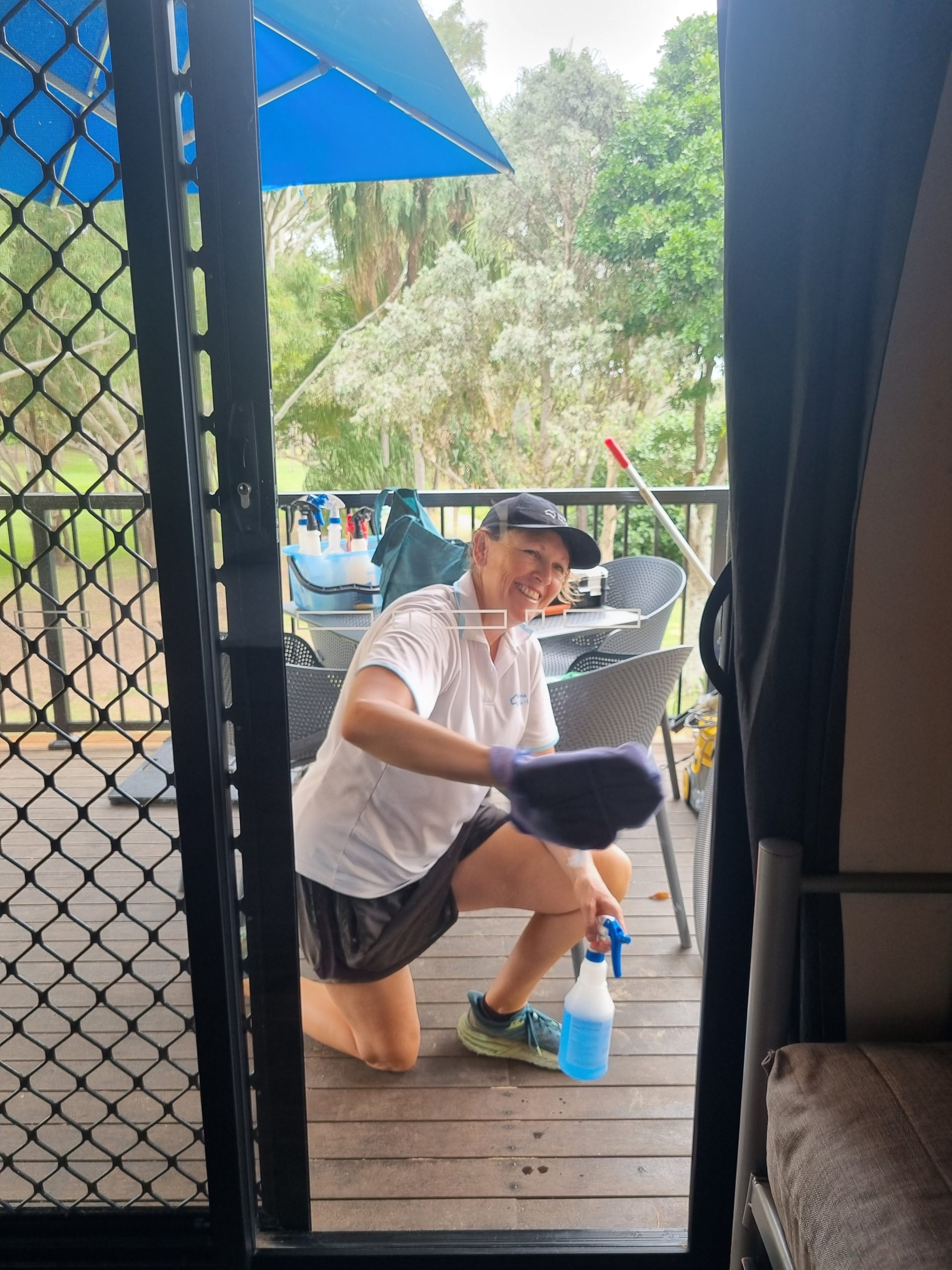
Our complete guide to working on the road
When travel savings run low, working on the road can keep the adventure rolling — and give you time to truly explore places like a local.
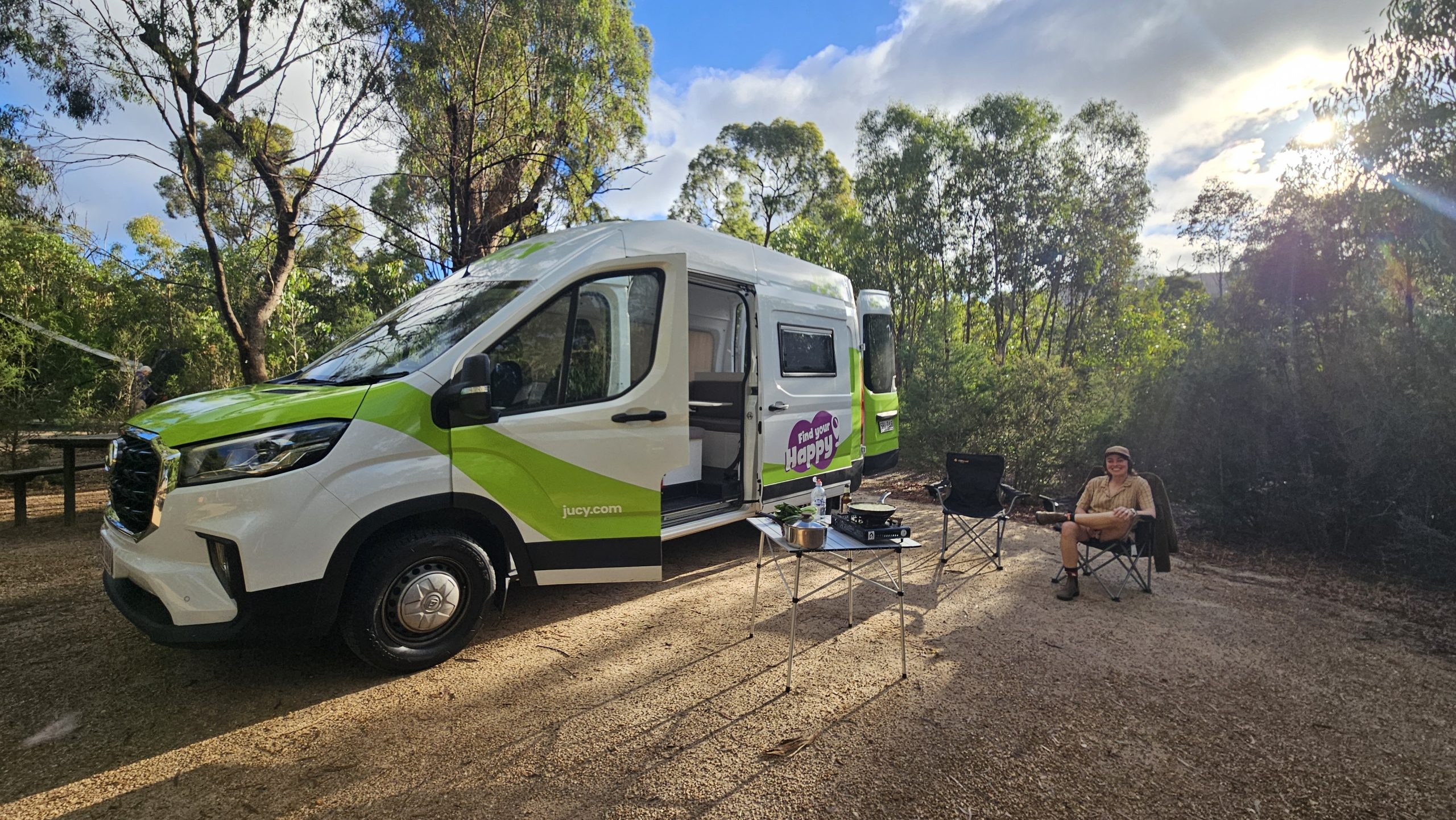
How we scored a $1 campervan hire (and you can too)
We road-tripped from Adelaide to Melbourne for $1 a day. Here’s how campervan car relocations work — and the catches.
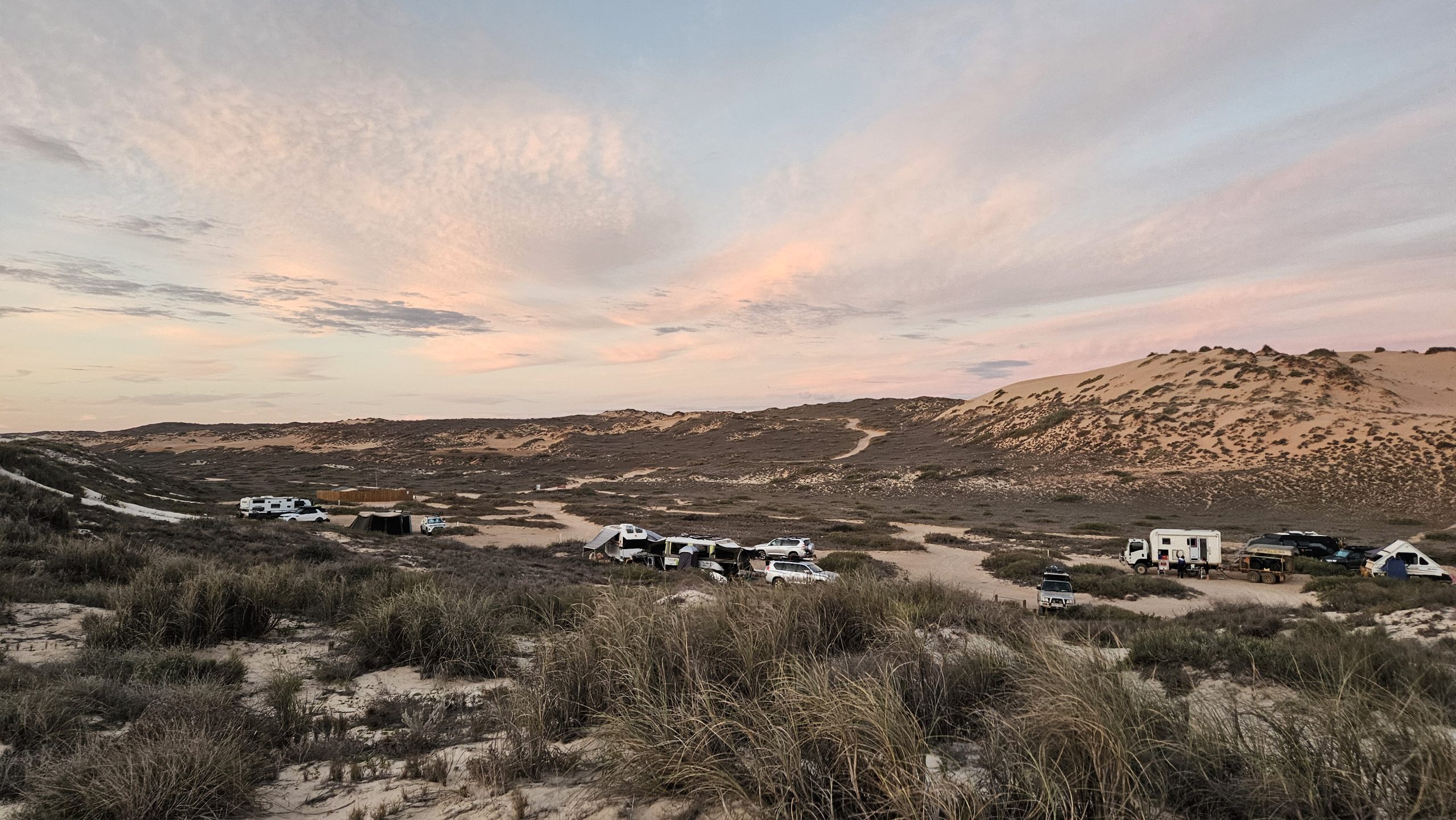
Vanlife like a pro: Tips to nail your vanlife setup
Hard-earned tips for setting up your vanlife rig, choosing the right gear, and thriving on the road in Australia.
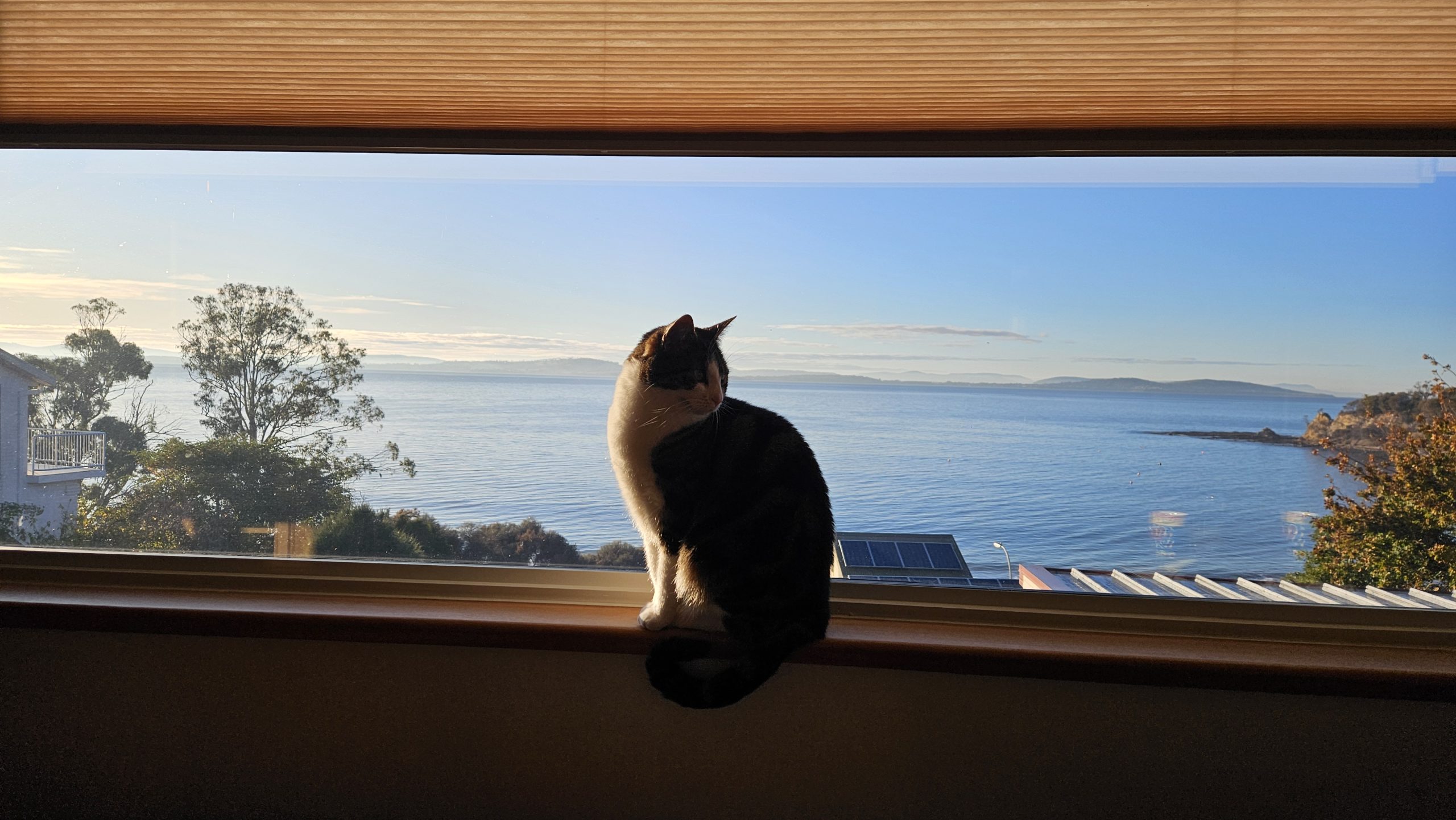
House & pet sitting in Australia: A traveller’s guide
From herding goats to cuddling cats, we’ve discovered the magic of house and pet sitting—here’s our guide to living like a local while on the road.

Road-tested: The vanlife apps that keep us rolling
The essential vanlife apps that helped us lap Australia twice — from free camps and fuel savings to weather and offline maps.

Vanlife budgeting 101: Spend less, live bigger
You can live the vanlife dream without breaking the bank — it’s all about a setup and travel style that works for you and some creative budgeting hacks.
Got questions? We've got you.
We’ve rounded up some of the most common things people ask us about vanlife — so you can spend less time wondering and more time adventuring.
What does vanlife really cost?
Vanlife doesn’t have to break the bank. Fuel, food, campsites, and maintenance all add up—but how much depends on your setup and how you travel.
In the years before hitting the road, we bought a secondhand 4WD and pop-top caravan and saved enough money for a year’s worth of travel. We also kitted out our 4WD for off-road adventures, renovated our home to get it ready to rent, and found a property manager.
In the months prior, we paid upfront for a year’s worth of insurance and registration, sold off surplus assets and stored our belongings in our shed, put a 12-month postal redirection in place to a family member’s place, relocated our cat to our son’s house, picked a departure date and gave notice to our employers, and stayed at a nearby caravan park for three days while we did a final clean of our house.
The money you need depends on a few factors — the type of rig you want, the weekly budget you’d be happy to live on, the pace at which you intend to travel (and fuel needs), and whether you’re happy to pull up for brief work stints.
We can only speak to our experience. In the years before hitting the road in 2023, we bought a $22,000 secondhand 4WD, a $32,000 pop-top caravan, and saved up $52,000 to see us through a year of travel. We didn’t work at all in our first year. We easily could have, and many people do, which means they need less in the bank to hit the road. We could have also lived on $500 per week if needed. For our first lap of Aus in 2019, we drove a 1996 Toyota HiAce campervan, which set us back $12,000. So you really don’t need to sell up, or win the lotto. We’ve also found that we spend less money on the road.
At the end of our first year on the road, we had a few grand left in the bank, but we were keen to keep our adventure going. To top up funds, we parked up at a beautiful seaside caravan park for three months and worked as housekeepers. We saved enough to travel for another six months.
There are so many jobs out there for people willing to do them, and that require very limited prior knowledge or experience, if any. So far, we’ve worked as station hands and housekeepers. We found our housekeeping job on a Facebook group called ‘Caravan Park Industry Jobs’, while our brief stint as station hands was the result of a chat with a station owner when we were checking in for our stay.
That depends on where we are — the city or outback, how far we’re travelling (our petrol bill), and what adventures or activities we’re embarking on. Generally speaking, if we’re living large (enjoying big-ticket tourist attractions and exploring cities) or travelling long distances and paying lots for fuel, we can outlay up to $1,000 per week. Conversely, if we’re beach camping and not moving, we may only outlay a couple of hundred. Our sweet spot is $500–$700 per week. If we spend big one week, we’ll go off-grid the next to balance it all out.
It changes a bit every week, but generally speaking, we spend about $150 on food, $120 on entertainment (coffees, a meal out, and a few beers), $50 on bills, $100 on fuel, and $50 on site fees.
If we’re near — or passing by — a Coles or Woolworths, we’ll place an online pick-up order, as we’ve found this is the best way to stick to our $150 grocery budget. For fuel, we use a bunch of petrol apps, like Fuel Spy, to locate the cheapest diesel.
We buy our clothes, books, and any incidentals from op shops. We go without haircuts, or book into the local TAFE hair school for a $10 trim. We keep an eye out for local dining specials and happy hours on social media, and opt for a couple of beers and a bowl of chips or a pizza to share, in lieu of specials. We both run with an Aldi prepaid plan for our mobile phones (at $25 per month). But if we’re in the outback, one of us uses a Telstra prepaid SIM. We don’t have Starlink. Instead, we utilise mobile data and free WiFi from cafes, libraries, caravan parks, and pubs to download content from streaming sites to watch later offline. We limit ourselves to one streaming plan at a time.
When our insurance plans come up for renewal, we compare other providers and swap/haggle to ensure we’re getting the best deal. If you’re going to be in a state for many months, we look at buying an annual national parks pass instead of once-off permits.
Is it all sunsets, or dust and dodgy dinners?
Vanlife is everything—sunsets and spanners, freedom and flat tyres, bird baths and baked spuds. It’s a mixture of magic and mayhem, and that’s exactly what makes it unforgettable.
We predominantly utilise the WikiCamps app to find camps, as it offers a very comprehensive database of sites, from caravan parks and Hipcamps right through to 24-hour free RV stays, bush camps, and roadside rest stops. We also rely on word-of-mouth recommendations from other travellers and locals, as well as Facebook groups like ‘Not Grey Nomads’ and Instagram for travel inspiration.
Generally speaking, we don’t book ahead, as we prefer to keep our options open and just follow our feet. But at peak tourist times, like Christmas and Easter, it’s worth booking ahead or securing a free camping site before the peak period gets underway. We were in Pemberton, WA, for New Year’s eve in 2023, and the caravan parks were full, but we managed to secure a self-contained site at a local winery, which was beautiful. You also need to book ahead if you’re keen to stay at a popular national park, like Wilsons Promontory or Cape Range, for more than a day or two. Bookings open six months in advance, and you need to be ready to jump online and snag a spot at midnight. Cancellations do occur, though, so keep a close eye on the booking site too. Another example of needing to book in advance includes popular station stays, like Barn Hill, Cheela Plains, Bullara, and El Questro.
We’ve found there’s a bit of conjecture about what “self-contained” actually means. According to the CMCA (Campervan and Motorhome Club of Australia) policy, a self-contained recreational vehicle has a built-in sink, on-board cooking and sleeping facilities, carries a supply of fresh water, and retains all grey and black wastewater, essentially allowing it to stay anywhere and 'leave no trace'. Specifically, the policy sets out the need for a water tank, a plumbed sink (noting a shower as optional), a fitted or portable grey water tank, an onboard fitted or portable toilet (with a black water storage cassette), and a sealable rubbish container. But some local government campsites don’t appear to accept a portable toilet, and specify an onboard shower as a must.
When we set out on our first lap of Aus in 2019, we had no idea what being self-contained meant — that is, until we were moved on by a ranger at a free camp in Norseman, WA, with rain pouring and a half-cooked bolognaise on the stove. So when we set off in 2023, we made sure we were as self-contained as possible for a van without a shower and fitted onboard toilet. We purchased a flushable portable toilet with cassette and a portable grey water storage container, as well as hoses to connect it to our sink outlet. We are yet to be turfed from a free self-contained RV site.
We stay at a caravan park every couple of weeks to do all our laundry and enjoy a long hot shower. When we’re not at van parks — which is most of the time — we opt for warm bird baths using our sink and cold showers available in some beachside council amenity blocks. Our van also has an outdoor heated shower, which we use if we’re somewhere long enough to bother putting up a shower tent and that allows shower water to hit the ground. On this note, we use eco-friendly products to reduce our environmental impact.
No, not really. Although we do miss some creature comforts of a home, like a lounge, full kitchen, and a bath, we’ve found that spending a couple of nights out of the van every six months or so is a beautiful holiday within a holiday, and we really appreciate it. For a longer break, to save money, explore like a local, or get off the road at peak times (like Easter), we look for house sits. A house sit also gives you the space and time to sort out your life — go through your gear (sell what you don’t need), detail your van and car, get them serviced if needed, or book any medical or dental appointments.
We eat the same stuff we ate at home, including a Sunday roast!
We have a 130L fridge in our van and a 45L fridge in our car, which allows us to store plenty of fresh food. We use a dual gas burner in our van, as well as a Weber Baby Q to roast.
Not having 240V appliances like blenders and kettles just makes the cooking process more manual.
No. But we fill the gap by creating social media and website content.
Decent deck chairs — we spend so much time in them. They’re our lounge and dining chairs.
Folding outdoor kitchen setup — gives us plenty of room to whip up meals outside when the weather is divine and we want to enjoy our beautiful surroundings.
JBL — what is life and travel without music?
Car fridge — so we can go bush bashing without our van and have extra space to store food when going off-grid.
Rooftop tent — it’s allowed us to leave our van and head to some pretty incredible places.
Portable grey water storage and toilet — so we can use self-contained van sites.
Yeti tumblers — to enjoy hot and cold drinks (they’re an absolute necessity up north in summer!).
Fly nets — never ever will we travel north of Geraldton without them.
Laptop — to watch movies when we feel like a quiet night in.
220W portable solar panel — we literally need this to power our fridge and keep the lights on.
Tyre deflator and compressor — to allow us to off-road and air back up.
Handheld UHF — to assist with reversing and to go ahead to suss out rough tracks.
Check out our full vanlife gear list recommendations for more essentials we rely on while living on the road.
Sure. Try to have as few plans and advance bookings as possible, so that you’re free to cruise at your own pace, give locations the time they deserve, and explore new discoveries along the way. It’s in your best interests to learn the language of volts, amps, and PSI.
To tow or not to tow?
Mirrors check, lights check…now just do your best, darling. Towing for the first time can feel daunting, but don’t stress—we’ve been there and got tips to make it easier.
While we don’t come across heaps of women towing, we know there's plenty out there and we love it when we knock into someone. There are social media groups dedicated to connecting women, like ‘Girls Who Tow,’ with 6,800+ followers and ‘Van Dykes’ with 5,500+.
We've found though, that there's a general presumption out there that only men tow. I’ll (Kyla) never forget being instructed to “Get your husband to park around the back,” by a receptionist at a holiday park who then caught a glimpse of my wife through the car window and apologised with red cheeks.
Nah, it's not that hard. It just takes practice. Before we bought our van, we’d never really towed anything, other than a 6x4 trailer a few times. Our best advice, just jump in and give it a crack. It’s the only way to learn. It can feel a little stressful, so have patience with yourself, and each other.
The first time we towed, we were in a really busy caravan park during school holidays and we were allocated a tiny corner bay with very little turning space. As we attempted to back in our van, trying to do everything in opposites before a crowd of onlookers, a lovely gentleman approached us and offered some great advice - “Just remember, whatever way you send your steering wheel, is the way you’ll send your van”. So, if you place your hand at the bottom of the steering wheel and move it left, you caravan will swing left. Move it right, and it will swing right. This advice was gold and really simplified everything. One of us also stands behind the van and, we use a mobile phone or handheld two-way to offer direction. It saves yelling at each other. Trust us, you don’t want to be ‘that couple’! And remember, if you can’t see your partner in the side mirror, they can’t see you or your hand signals.
Our best advice, buy a reversing camera if you can afford it. These things are amazing!
- Triple check everything before you take off, like your trailer lights, trailer plug connections, caravan window latches, boot locks, gas bottles, and trailer hitch. Keep an eye on your van as you travel to make sure nothing is moving around. Bumpy roads can cause some latches to unhook!
- Slow and steady wins the race, and saves fuel. Don’t feel pressured if you’re leading a convoy of 20 cars, but pull over when you safely can to let them through, and use your UHF to chat with other drivers to help them safely overtake.
- Not only are decent towing mirrors often a legal requirement, they are really helpful to know what’s happening on the road behind you and keep an eye on your van, so make sure you have them.