Our complete guide to working on the road
When travel savings run low, working on the road can keep the adventure rolling — and give you time to truly explore places like a local.
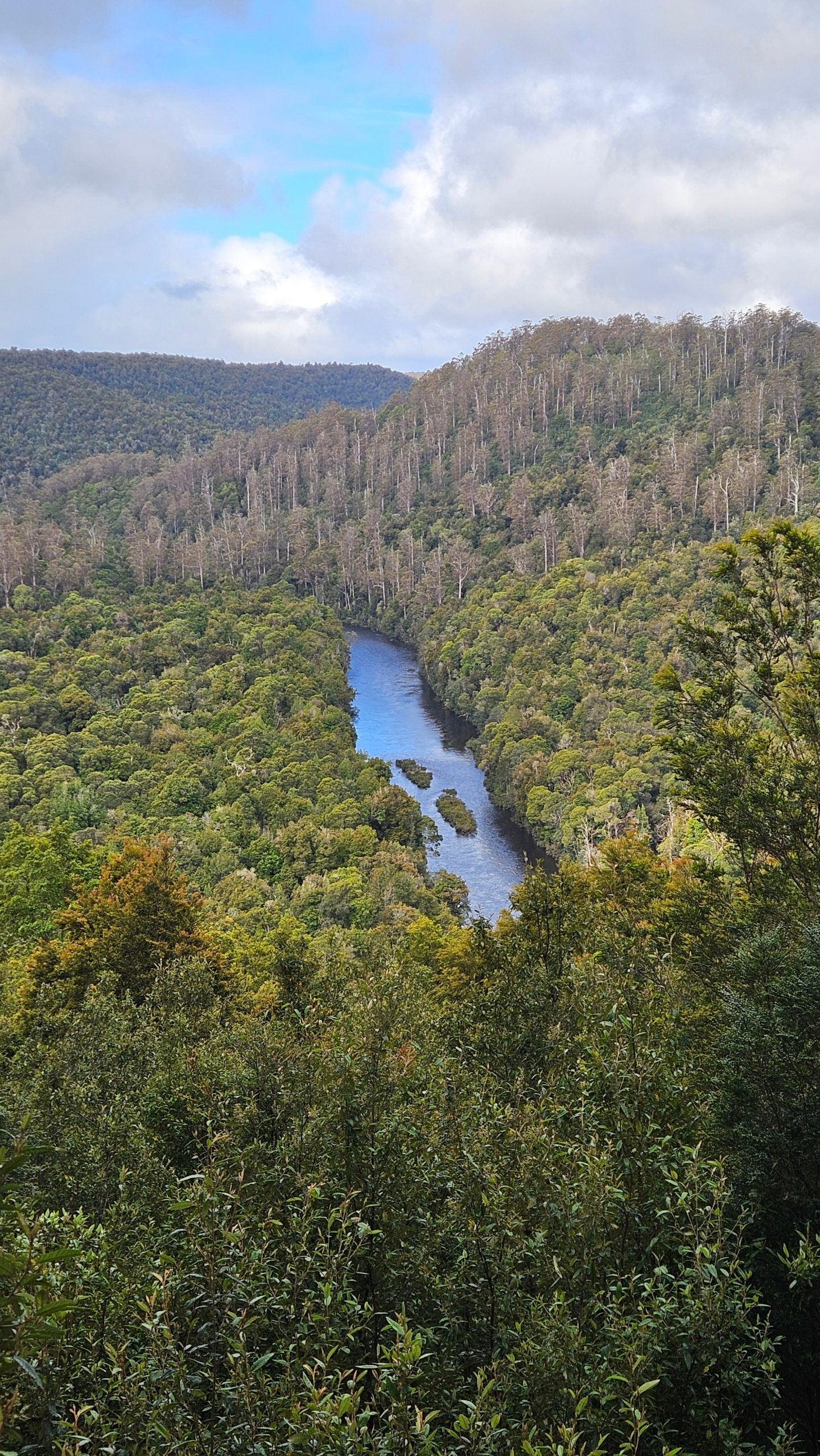
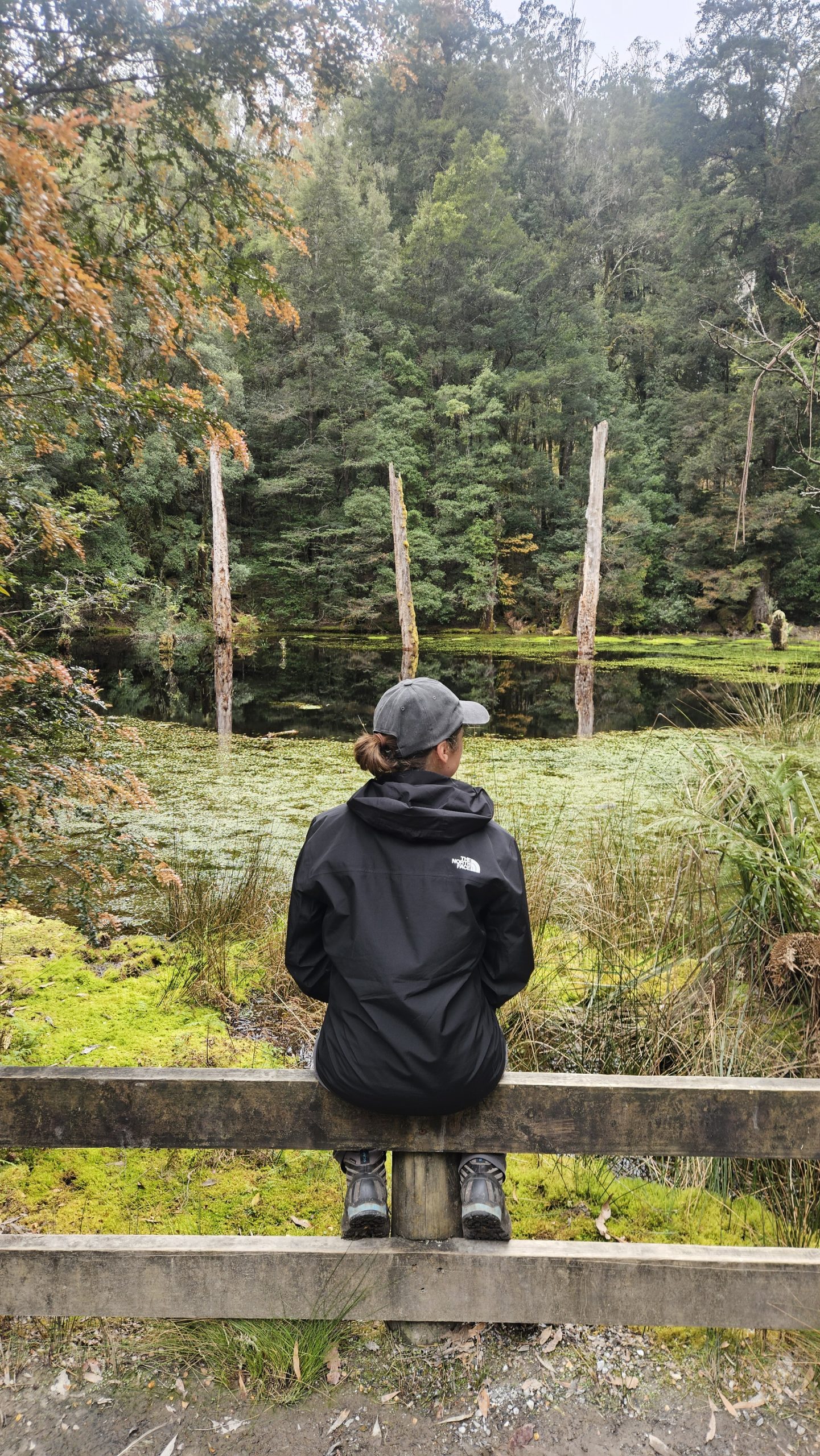
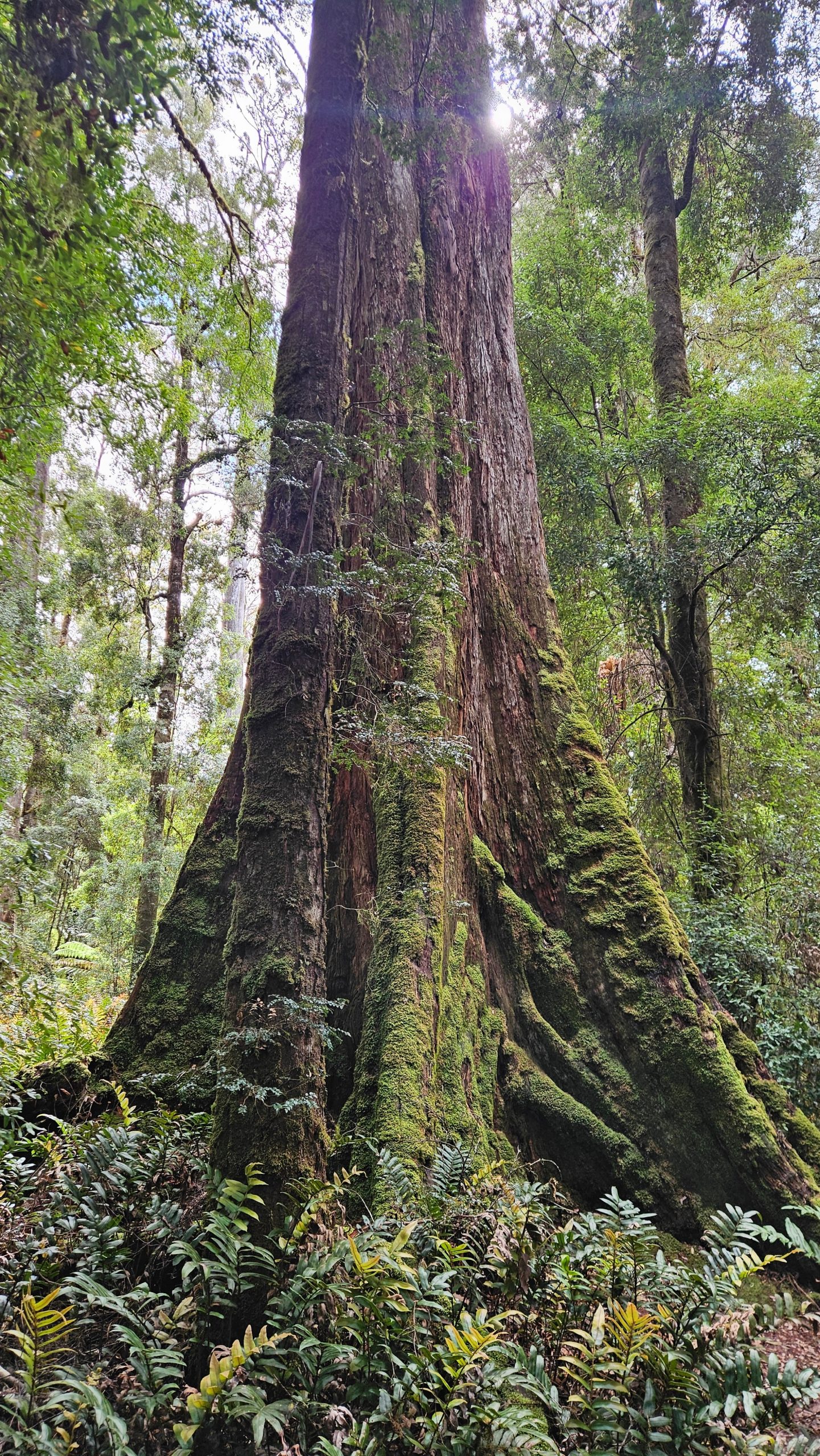
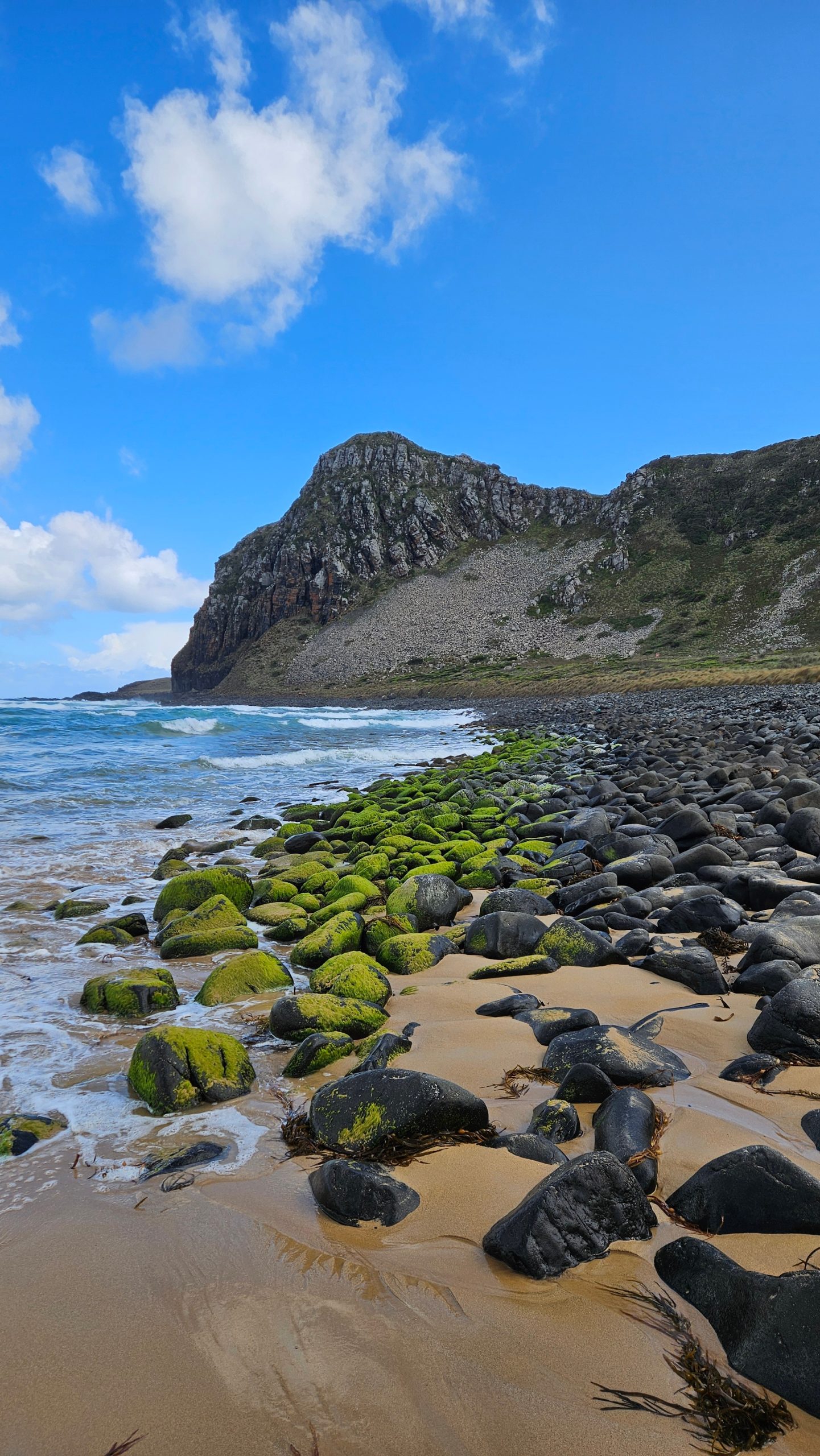
The Tarkine (Takayna) is one of Tasmania’s wildest corners. Here, ancient rainforest meets vast buttongrass plains, tannin-stained rivers, a windswept coast, and sacred Aboriginal sites. It’s raw, remote, and utterly captivating.
Spanning some of the world’s largest Gondwanan temperate rainforests, the Tarkine is rich in biodiversity—and home to Aboriginal cultural sites dating back millennia.
The Tarkine isn’t a quick tourist stop—it’s a roadtrip that demands time, curiosity, and a love of the untamed.
We explored the Tarkine over five days via the Tarkine Drive (130 km, 20+ stops) and the Western Explorer—also known as the Road to Nowhere (100 km of mostly dirt).
If you want a more accessible Tasmanian roadtrip, the East Coast is for you. But for a wilder, grittier adventure where the journey itself is part of the reward, the Tarkine is hard to beat.
Our Tarkine route:
The Tarkine Drive sits in Tasmania’s far north-west, and the small town of Smithton makes the easiest starting point for exploring the inland rainforest section.
If you’re arriving on the Spirit of Tasmania, it’s about a 2-hour drive from Devonport. From Launceston, allow around 3 hours. Once you reach Smithton, you’re right on the doorstep of the Tarkine wilderness.
Most travellers start with the Inland Rainforest Circuit, then head west toward Marrawah and Arthur River to explore the rugged coast. From there, the adventure can continue south along the Western Explorer — a remote gravel road that cuts through the heart of the Tarkine toward Corinna.
Quick driving distances:
Road tips:
Smithton is the perfect base for your first Tarkine leg: the Inland Rainforest Circuit. The 60 km circuit will take a full day, but factor in another 80 km to get there and back from town.
The inland circuit takes in 60 kilometres of the total Tarkine drive, but you’ll clock up around 140 km getting to the start of the drive and back from Smithton.
It’ll take you a full day to get to all of the attractions on the inland circuit.
Highlights you shouldn’t miss:
Where we stayed:
Tips:
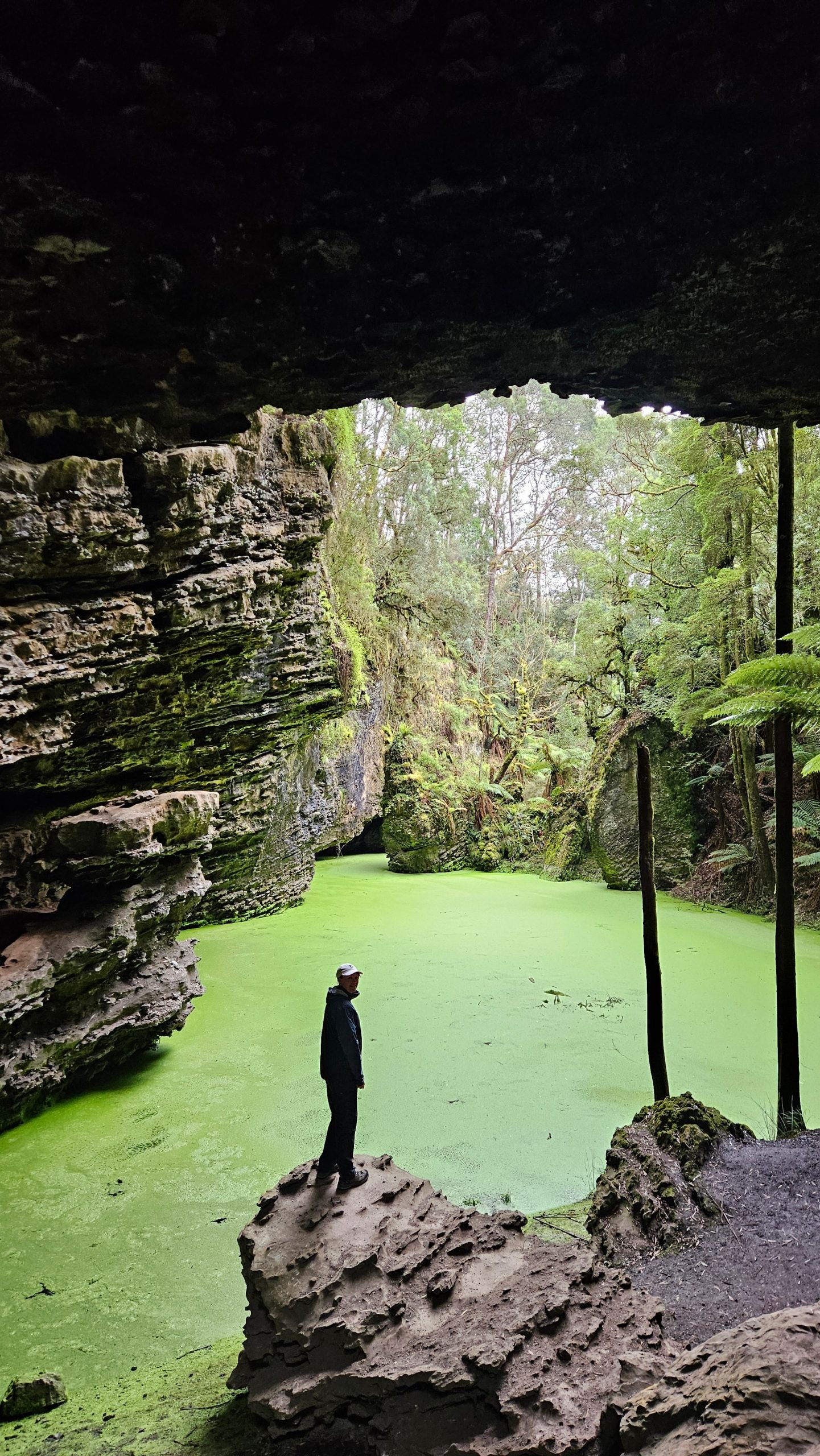
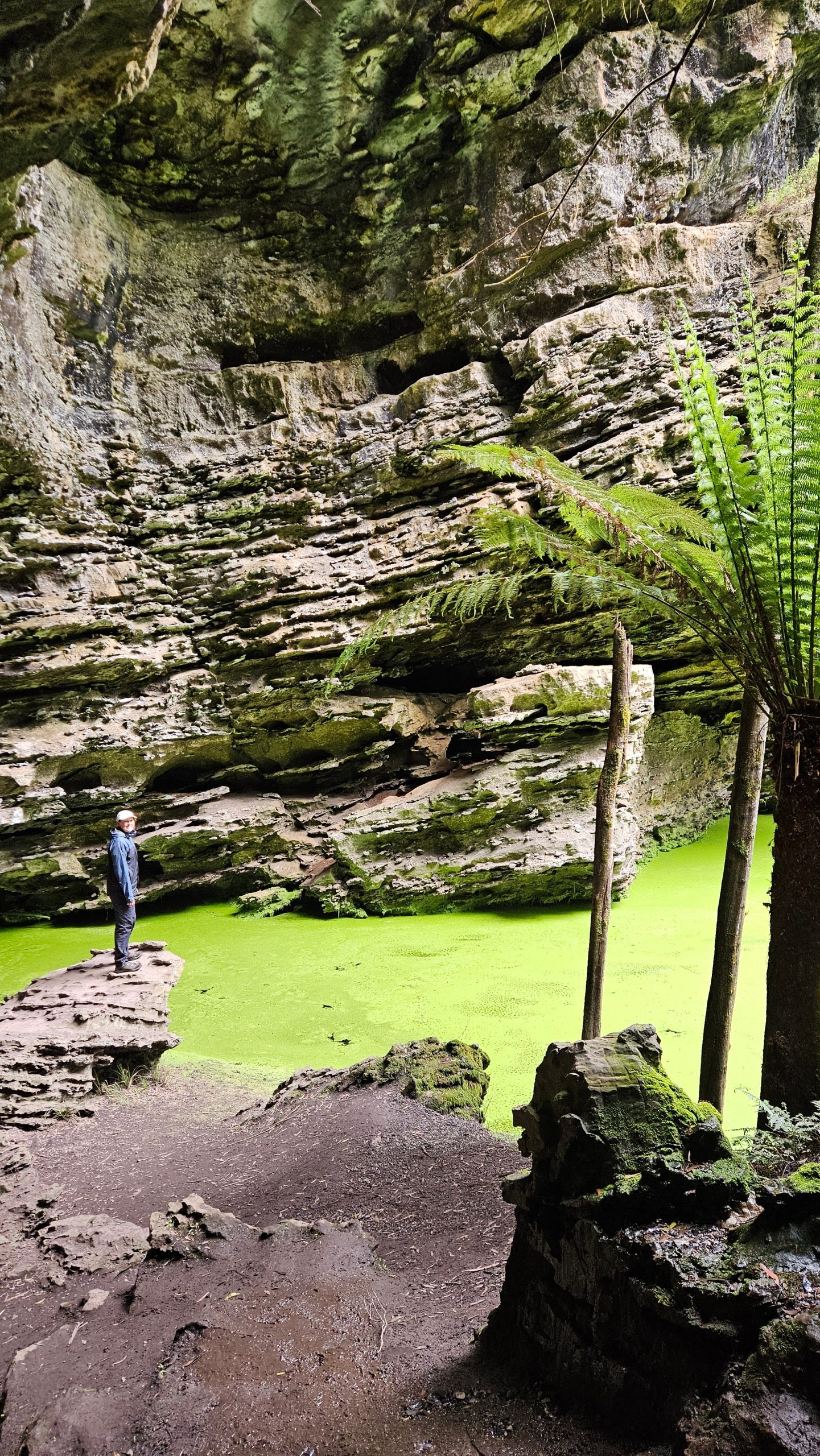
If you only see one site on the inland circuit, make it Trowutta Arch. Trowutta Arch is a standout of the Inland Rainforest Circuit. The 20-metre-deep sinkhole glows a brilliant green beneath a rugged limestone arch formed by ancient collapse. The 1.1 km return trail (Grade 1) winds through the Trowutta Caves State Reserve, offering an easy, unforgettable glimpse into the Tarkine’s wild heart.
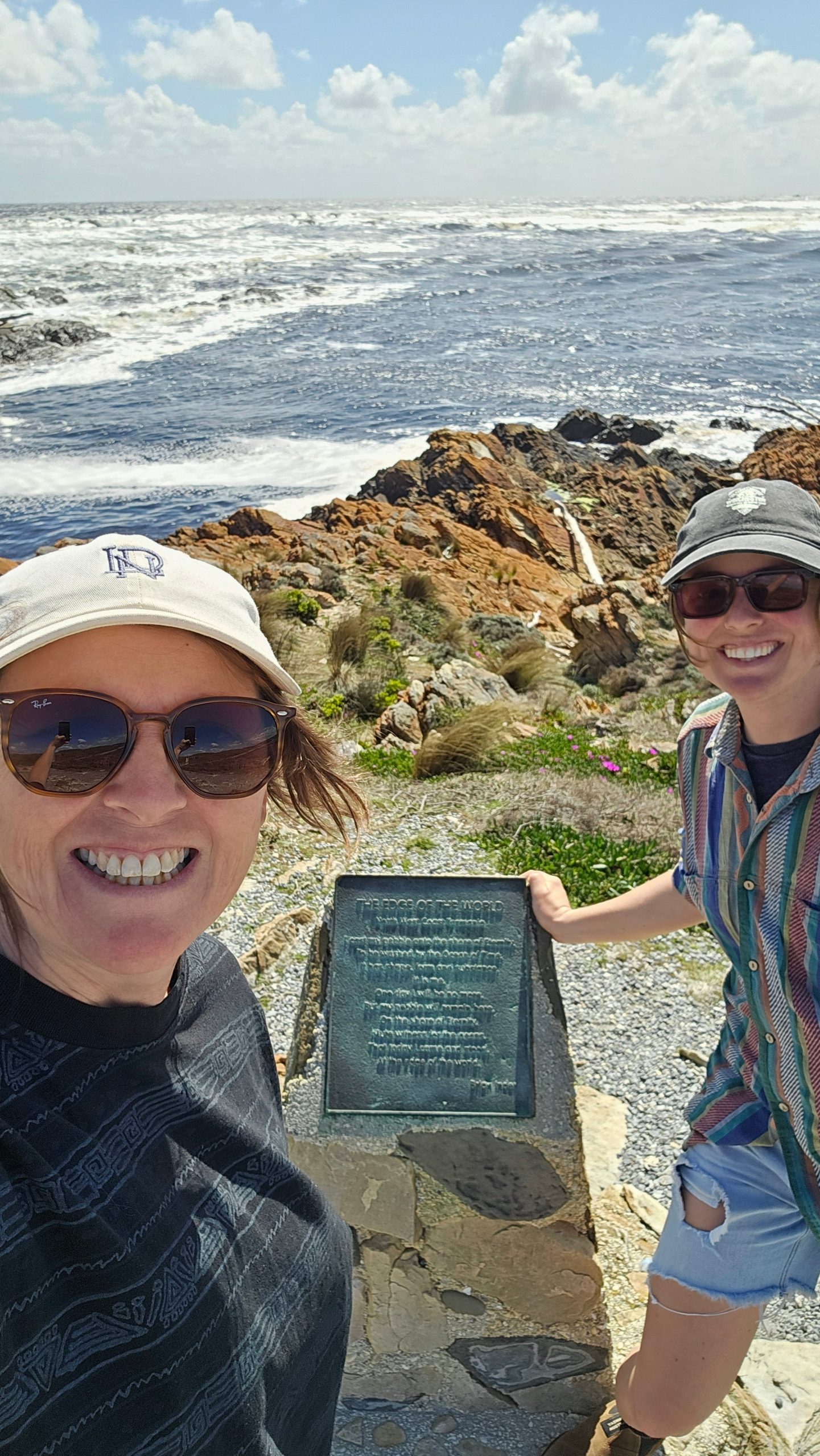
The second leg of your Takayna (Tarkine) adventure takes you to Marrawah—Tasmania’s westernmost community—and onward to the mouth of the Arthur River, where tannin-stained waters spill into the Southern Ocean.
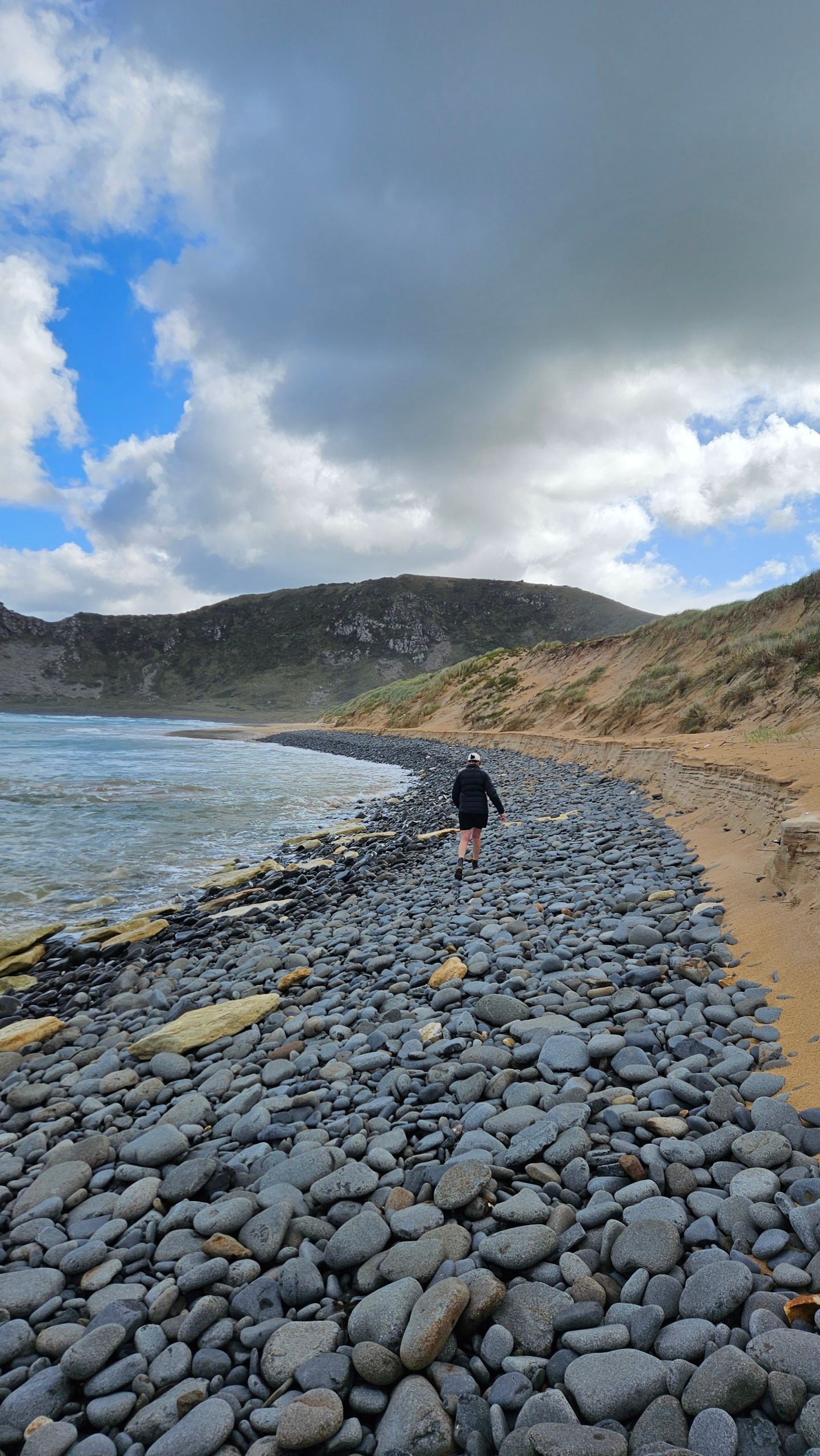
Tassie’s remote north-west coast is rugged, windswept, and beautifully wild. Solitude reigns here, driftwood piles like sculptures, Tasmanian devils roam in secret, and 14,000-year-old petroglyphs tell the stories of an ancient culture. Spend a day or two exploring this coastline—you won’t regret it.
Highlights you can’t miss:
Where we stayed:
Together, these spots capture the Tarkine’s wild, untamed spirit and make for an unforgettable day on Tassie’s far northwest coast.
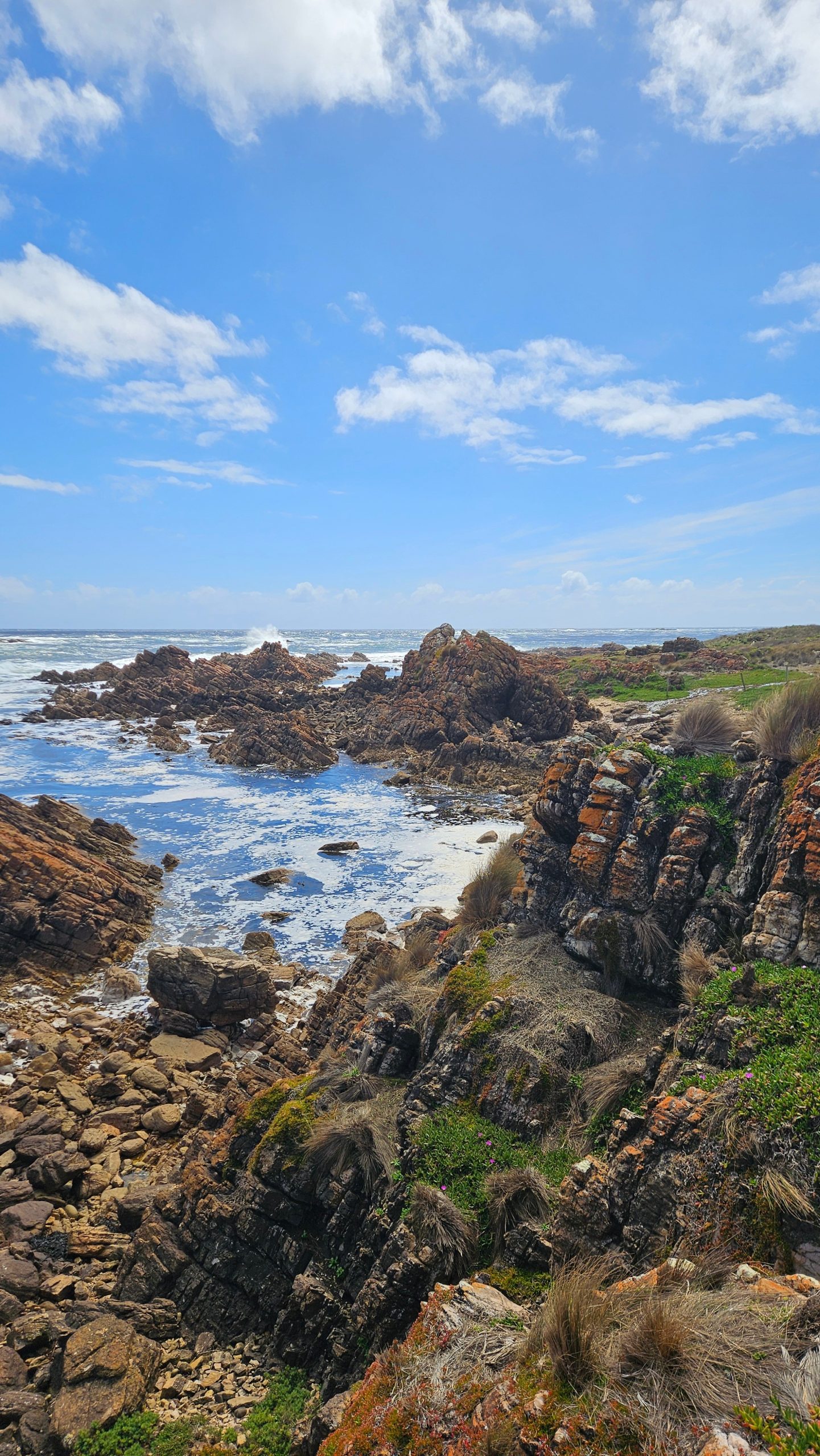
Start your coastal exploration at Green Point, where a spectacular 3-hour return walk takes you along windswept cliffs to Preminghana (formerly Mt Cameron West). The trail winds past rugged coastline, tussock-covered hills, and dramatic ocean vistas, offering moments to pause, breathe, and soak in the raw power of the Southern Ocean.
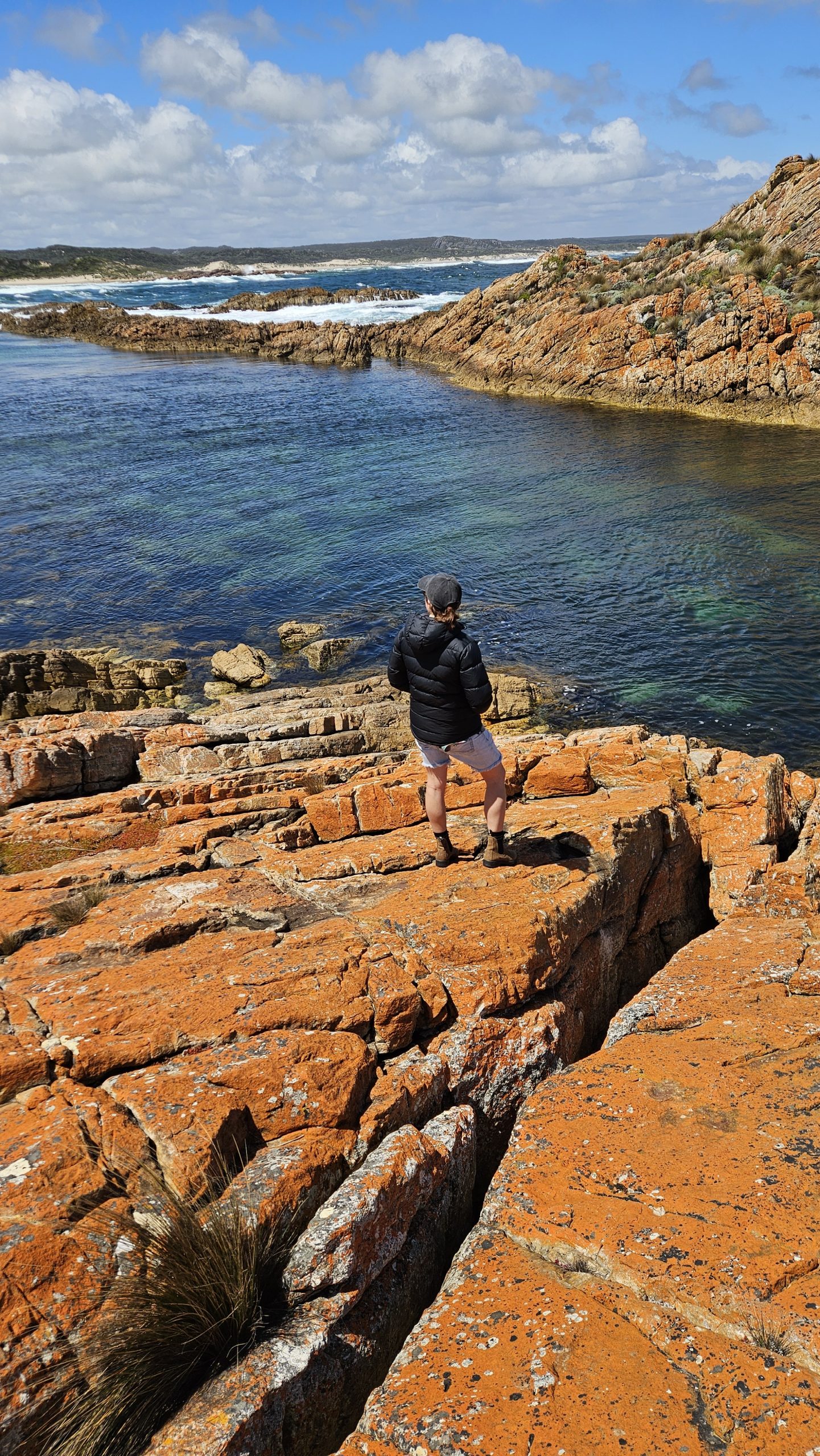
Just a short drive away, West Point is a photographer’s dream: bright orange, lichen-covered rocks rise against the backdrop of turquoise waves, creating a striking contrast that feels almost otherworldly. West Point is the West Coast’s answer to the iconic Bay of Fires.
The Petroglyph Coastal Walk at Sundown Point winds along a rugged, windswept coastline where ancient Aboriginal rock carvings lie hidden in the sandstone. These 14,000-year-old petroglyphs can be tricky to spot on your own, so have a chat with the local rangers—they’ll point you in the right direction. With the ocean crashing beside you and the wind tugging at your jacket, the walk feels raw, wild, and truly special.
The ‘Road to Nowhere’ (Western Explorer) is a remote and windy 120-kilometre stretch of dirt road cutting deep into the Arthur-Pieman Conservation Area.
Windswept buttongrass plains, charred countryside, rolling hills, dark rivers, and ancient Tarkine forest make this leg feel like a true adventure.
The bitumen fades to white gravel about 30 km southeast of Arthur River. No 4WD needed, but expect potholes—and take it slow if you’re in a hatchback!
Highlights you can’t miss:
Where we stayed:
Our tips:
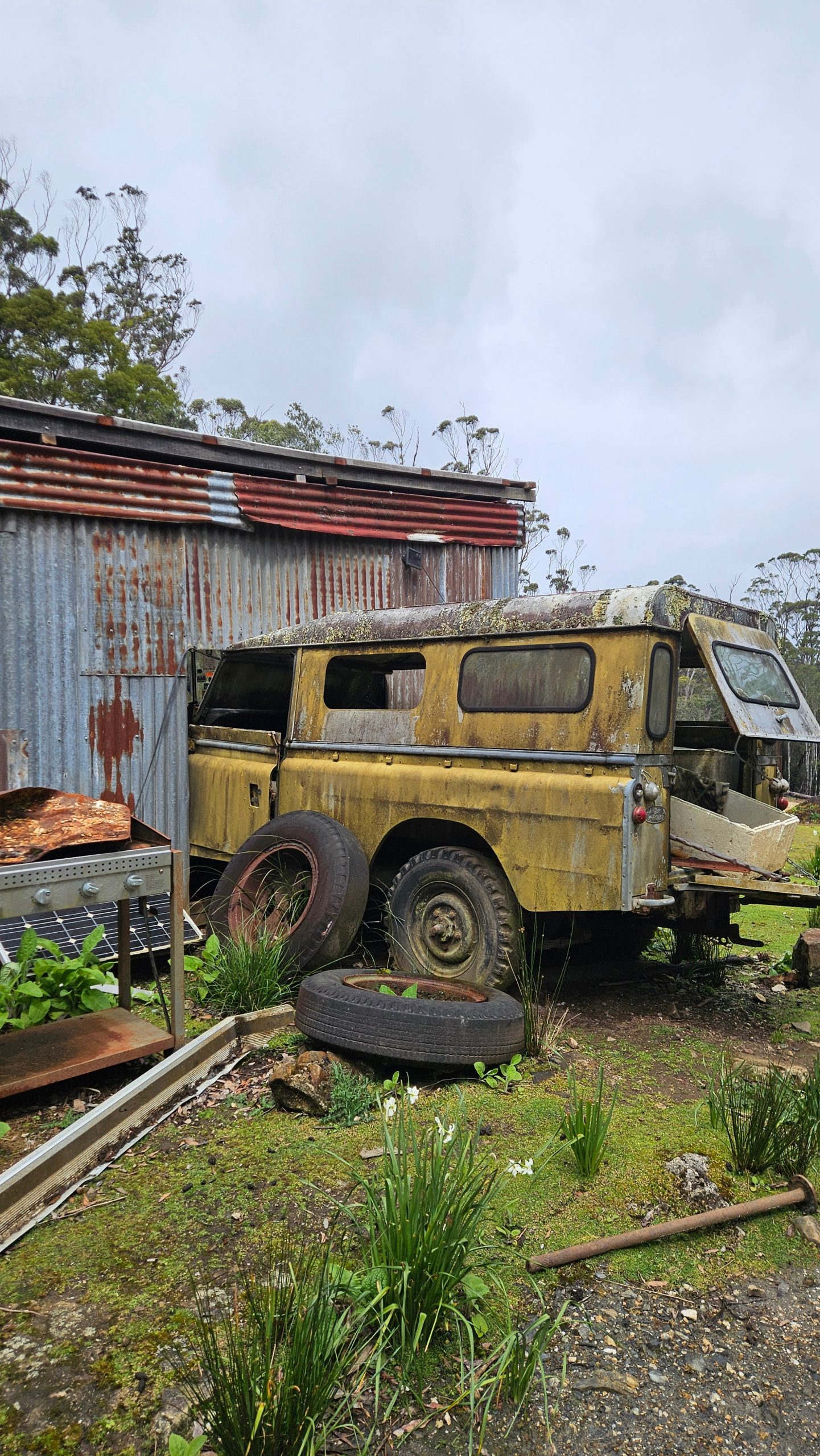
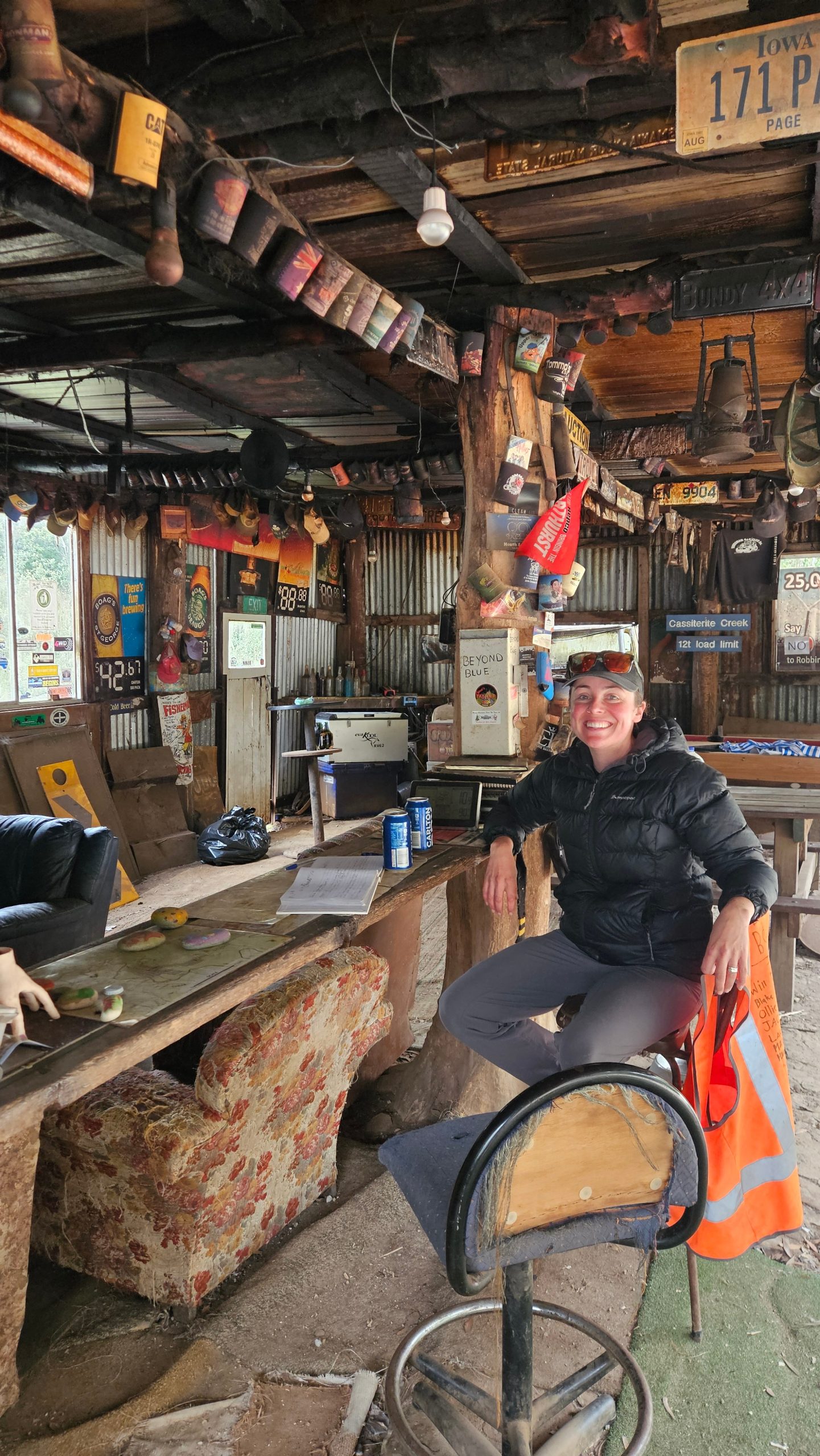
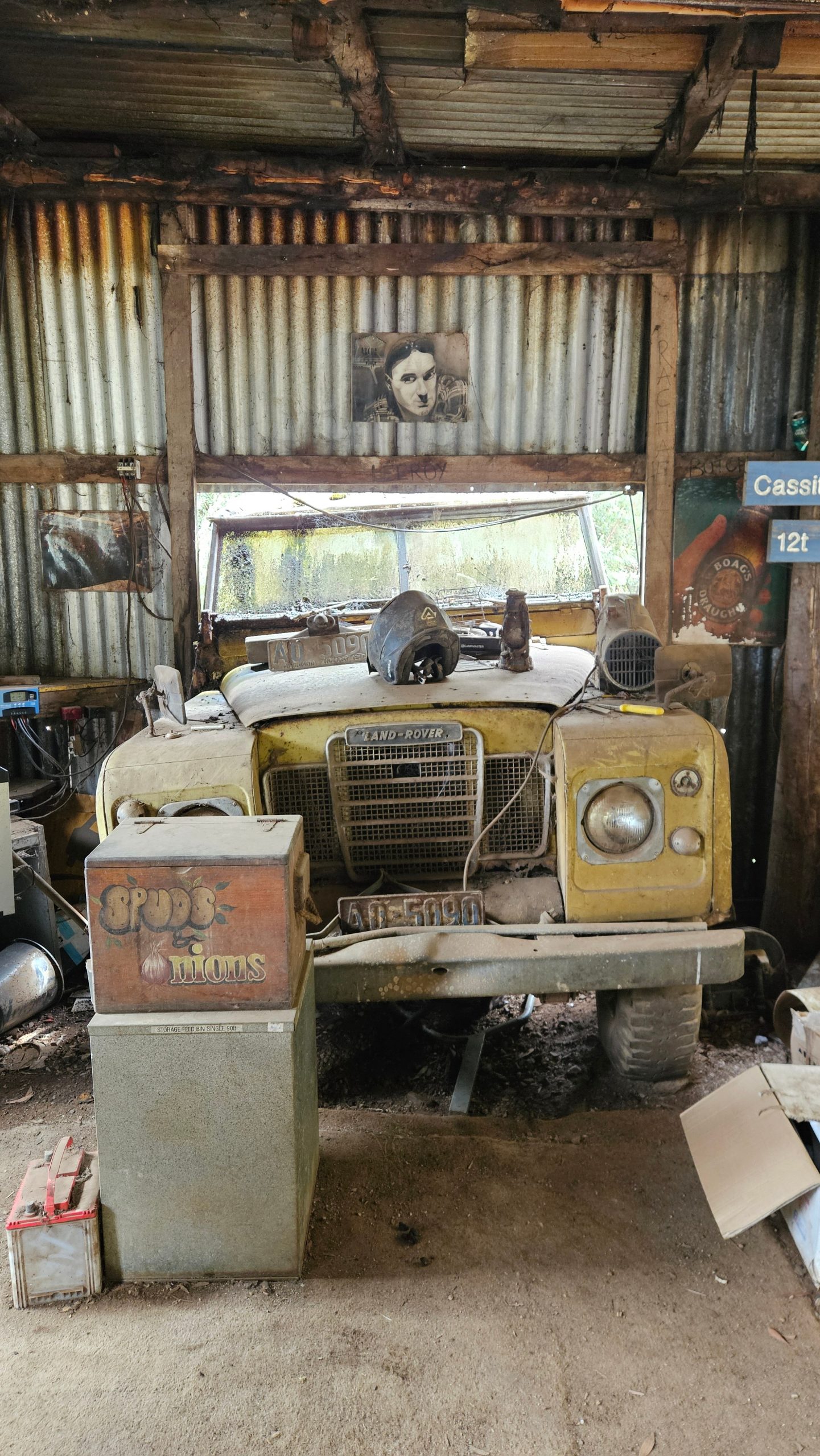
A detour to Balfour is a super quirky and worthy side mission, if you’re travelling in a 4WD. This abandoned mining settlement is eerie but fascinating—with most of its remains having been reclaimed by the wild Tarkine. A ramshackle pub is standing, though there’s no beer—just a chilly 12V fridge ready for BYO.

When travel savings run low, working on the road can keep the adventure rolling — and give you time to truly explore places like a local.

We road-tripped from Adelaide to Melbourne for $1 a day. Here’s how campervan car relocations work — and the catches.
Hard-earned tips for setting up your vanlife rig, choosing the right gear, and thriving on the road in Australia.
Developed and tested on some of Australia’s toughest trails and in extreme weather, these 15 hiking gear hacks will elevate your hiking experience.
Sign up to receive our latest travel stories, tips, tricks and destination guides.
We honour the ancient cultures of the First Nations peoples whose land we travel.
Copyright © Franky Roams | 2026 | All Rights Reserved