Kakadu itinerary: Rocks, crocs and waterfall drops

Five days through Kakadu, where rivers rumble with crocs, waterfalls plunge, rock art whispers ancient stories, and sunsets ignite the vast Top End.

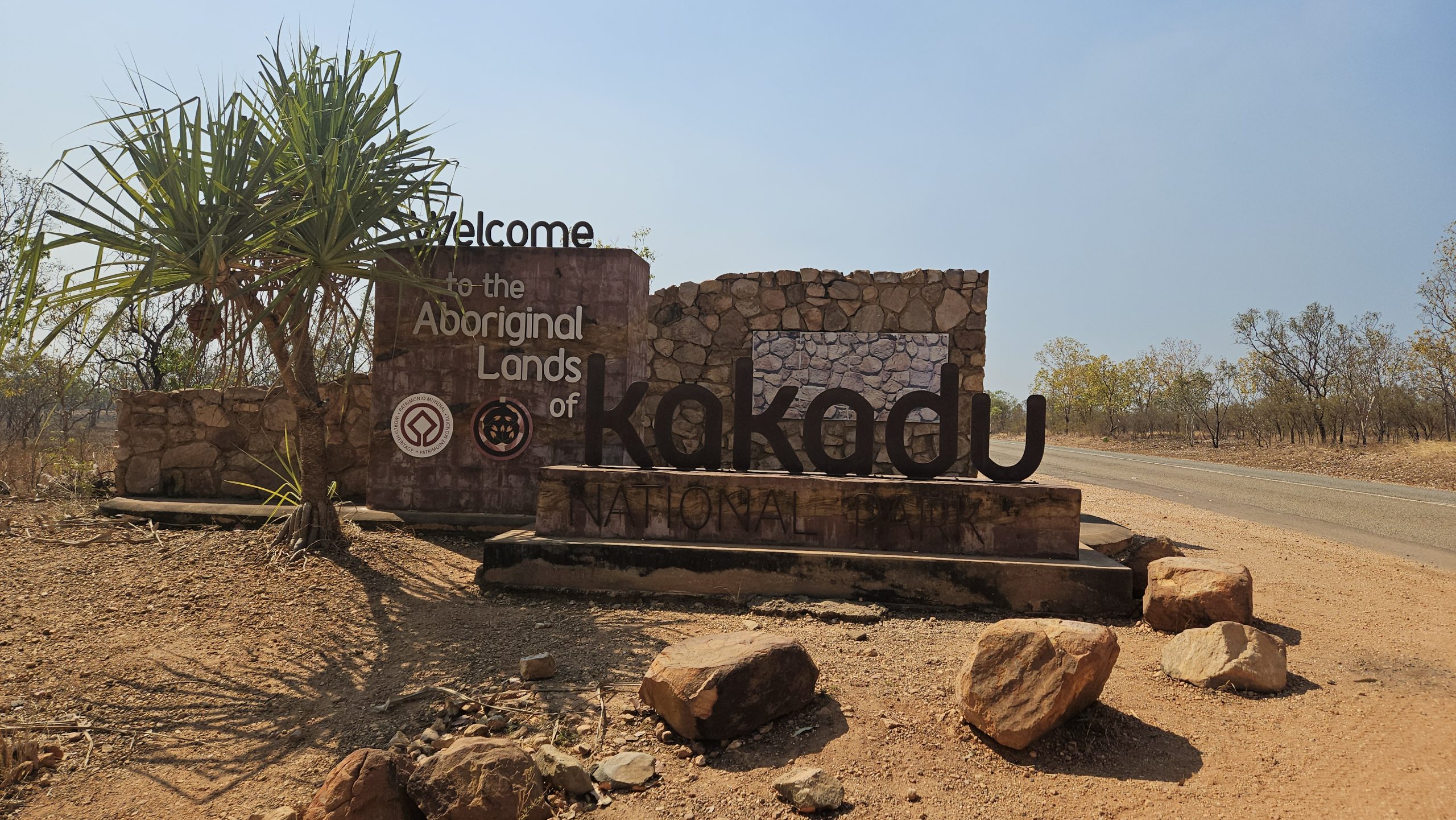
Here’s our guide to five epic days exploring Kakadu National Park on Bininj/Mungguy Country — a place where water spills from towering gorges, ancient stories are etched into stone, crocodiles rule the rivers, and fiery sunsets ignite vast savannah woodland

Just a three-hour (250km) drive from Darwin, Kakadu is Australia’s second-largest national park, spanning an enormous 20,000 square kilometres. It’s a landscape that feels wild, powerful and deeply alive

We spent five unforgettable days in 2024 road-tripping this iconic Top End destination, travelling in a loop from Darwin along the Arnhem and Kakadu Highways. This was our second time exploring Kakadu.

This itinerary captures our absolute highlights.

Table of Contents

Good to know

Many of Kakadu’s highlights are 2WD-friendly, but some areas need a high-clearance 4WD — we’ll flag these clearly so you don’t end up in sh*t creek (literally).

Plan ahead for seasonal closures, especially if you’re visiting during the wet season — some roads and waterfalls are off-limits when the floodwaters come. Fuel and supplies can be sparse once you leave the main towns, so top up whenever you can.

Bring plenty of water, sun protection, and insect repellent — Kakadu is beautiful, but the flies do love you. Camping is generally straightforward if you stick to designated areas, but a quiet night under the stars on a deserted track is one of Kakadu’s little rewards.

Finally, remember that much of the park is Aboriginal land. Respect signs, stay on marked trails, and take a moment to appreciate the cultural and natural significance of the places you’re exploring.

Best time to visit Kakadu

The best time to visit Kakadu National Park is during the dry season (May to October). This is when Kakadu is at its most traveller-friendly — cooler days, lower humidity and far fewer road closures.

Tracks are generally open, waterfalls are still flowing (especially early in the dry), and it’s much more comfortable for hiking, camping and long days exploring rock art sites and wetlands. It’s the sweet spot for road-trippers.

We visited in September, towards the end of the season, and the crowds were far fewer.

The wet season (November to April) is a different beast. The landscape turns wildly green, waterfalls thunder to life and storms roll across the floodplains — but access can be limited, and the heat and humidity are no joke. Some roads and major falls close due to flooding.

If you want the easiest, most reliable experience, aim for the dry. If you’re chasing dramatic scenery and don’t mind adapting plans, the wet has its own magic.

Getting to Kakadu

Kakadu National Park sits about 250 km east of Darwin, making it an easy road trip from this Top End city if you’ve got a car. Most visitors fly into Darwin and pick up a rental — either a 2WD for the main roads or a high-clearance 4WD if you want to hit the more rugged tracks and waterfalls.

If you’re driving from Darwin, the journey takes roughly 3 to 4 hours along sealed roads before you hit the park entrance. From there, roads start to branch into 4WD tracks, leading to highlights like Jim Jim Falls and Twin Falls..

For those chasing a slower pace, you can also combine Kakadu with Litchfield National Park for a multi-day loop — it’s a beautiful mix of waterfalls, swimming holes, and red-dirt tracks.

A few extra tips:

  • Fuel up in Darwin — petrol stations are few once you’re inside the park.
  • Check road conditions before heading out; some tracks close in the wet season.
  • Plan your overnight stops in advance if camping.

Day 1: Darwin → Merl Campground (3hr driving)

Highlights

  • Crocs at Cahills – Watch hungry saltwater crocodiles hunt at high tide.
  • Ubirr sunset – Wander past rock art to a floodplain lookout for epic sunset views.

Today you’ll leave Darwin behind and follow the Arnhem Highway east into Kakadu, ending the day at Merl Campground, near the infamous East Alligator River.

Croc action at Cahills

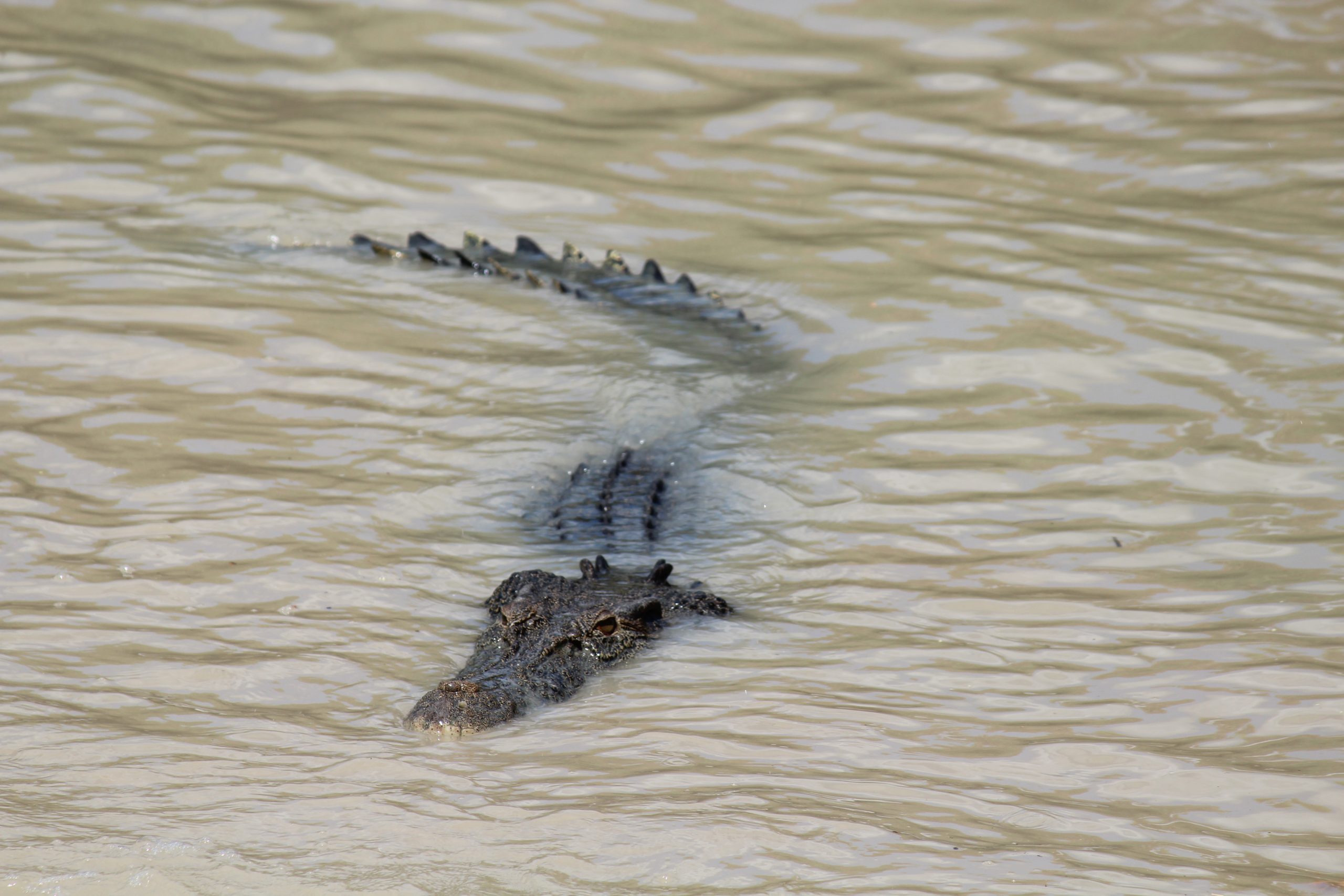
Kick things off with a short walk to Cahills Crossing for some serious croc watching action. This place is epic! Head there an hour before high tide and look on as the tide pushes barramundi over this notorious Top End crossing into the waiting mouths of massive saltwater crocodiles —  the largest reptiles on Earth. We counted more than 20 crocs during our visit. There’s a dedicated viewing platform on the western bank of the East Alligator River where you can watch safely, and often join a seasonal ranger talk.

Top End sunset at Ubirr

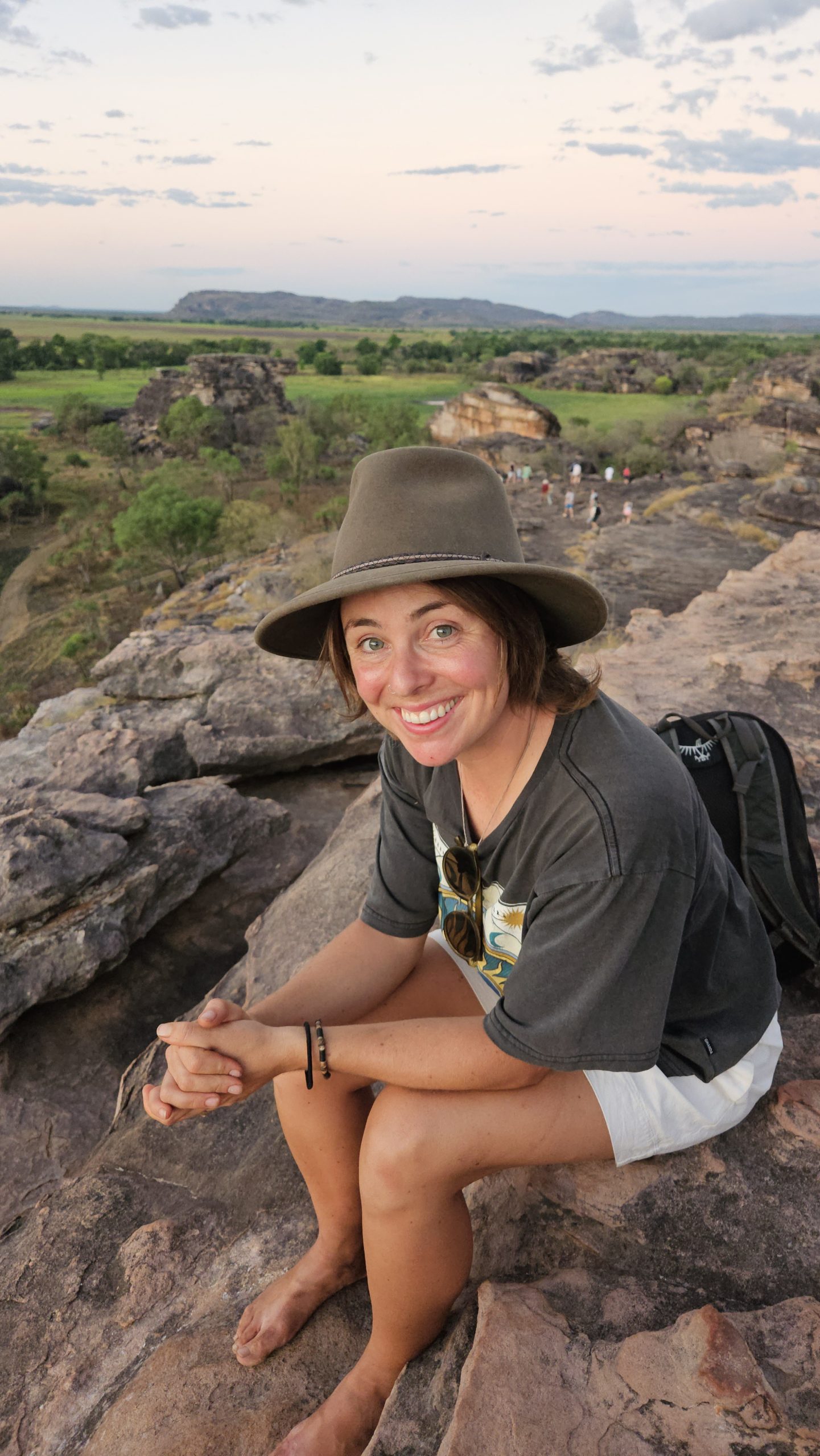
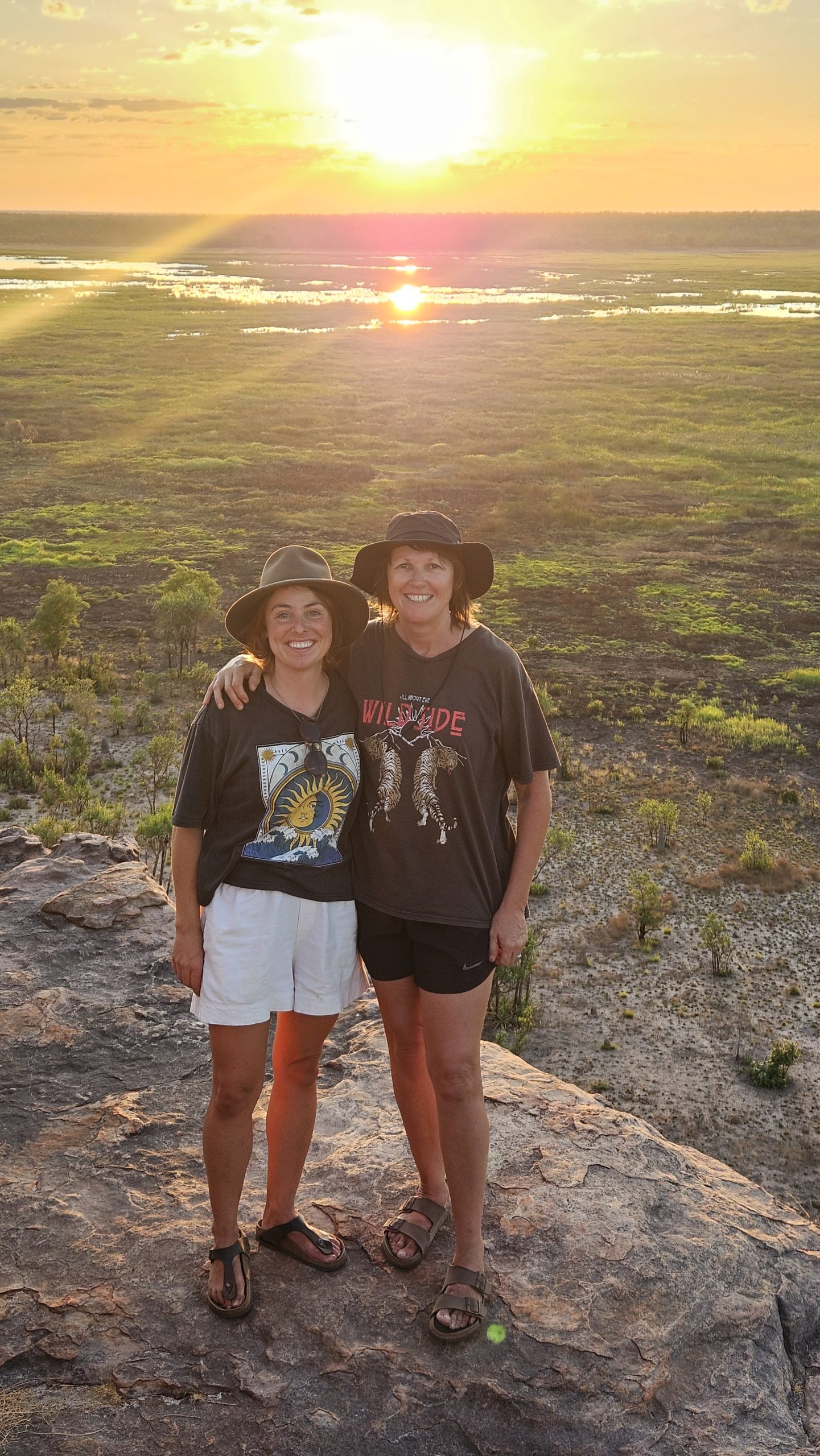
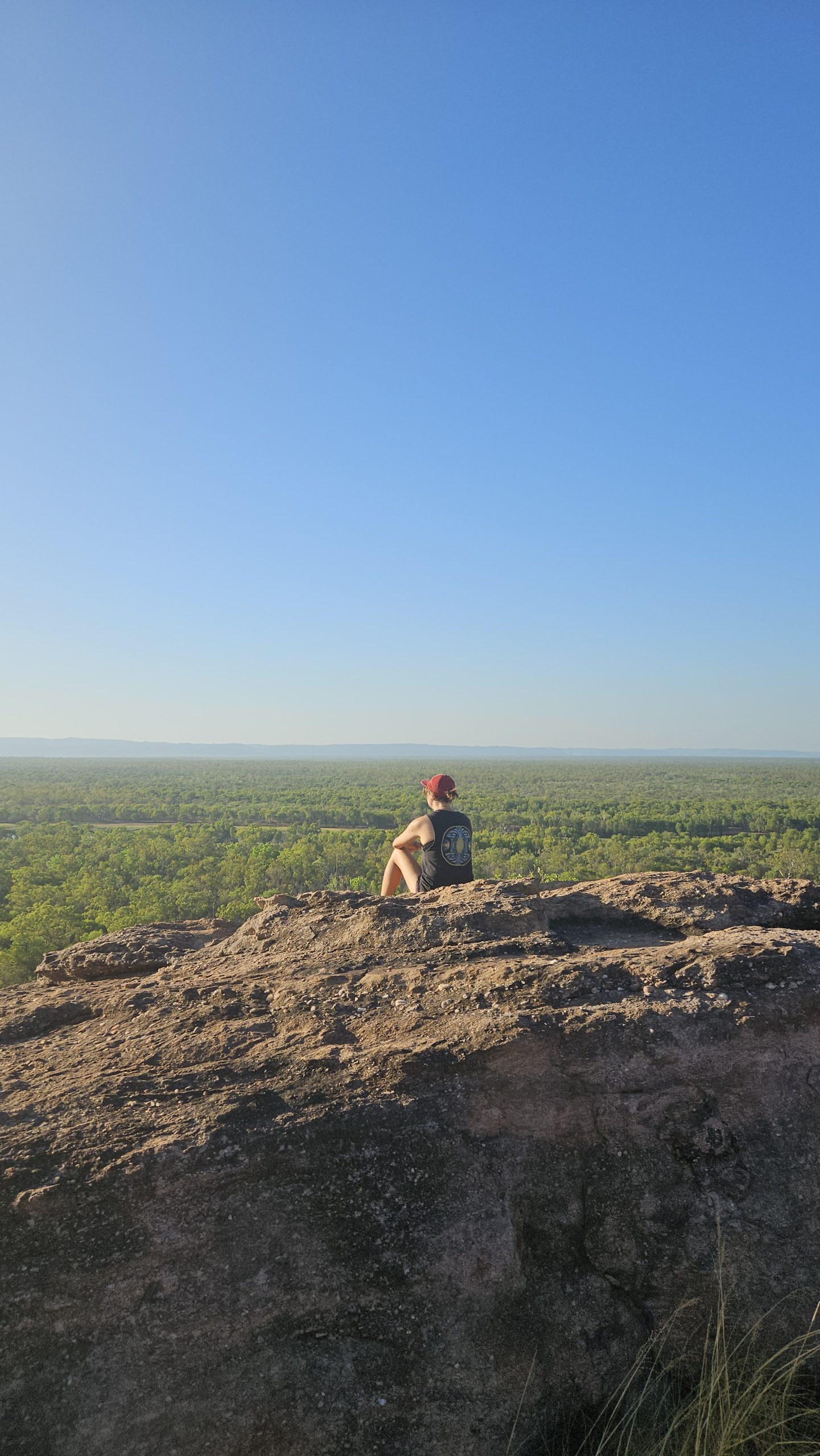
Next, pack some snacks and water (or something a little fancier) and drive 3km to the Ubirr rock art site. Follow the 1km Ubirr walk (allow about an hour), passing several extraordinary Aboriginal rock art sites before climbing to a lookout over the Nadab floodplain. If you can, join a ranger-guided walk to gain deeper insight into the artwork and Kakadu’s powerful ancestral stories. Finish the day watching the sun sink over the floodplains — a classic Top End sunset with sweeping views across Arnhem Land and the surrounding woodlands. This was one of our absolute highlights of Kakadu.

Tips

  • Best time for croc watching: July to October (sometimes into November).
  • Ranger talks run year-round and are included with your park pass.
  • Merl Campground is first-come, first-served, with fees collected by the on-site camp host.
  • Jabiru (30 minutes away) offers motel accommodation and a caravan park with a pool and bar.

Day 2: Merl Campground → Cooinda Lodge (1hr 30min)

Highlights:

  • Nanguluwurr — One of the best places in Kakadu to see Aboriginal rock art.
  • Burrungkuy (Nourlangie) — Iconic galleries and ancient shelters.
  • Anbangbang Billabong — Serene walk and incredible birdlife.
  • Nawurlandja Lookout — Unbeatable escarpment views at golden hour.

Day two is all about slowing down and diving deep into Kakadu’s cultural heart, with a series of short walks that reveal thousands of years of Bininj history, art and connection to Country.

After a big day exploring, head to Cooinda Lodge to unwind — relax by the pool, grab a drink at the bar, and enjoy a meal at the restaurant. Accommodation options include lodge rooms and camping. This will be home for two nights.

Burrungkuy (Nourlangie) Rock Art Site

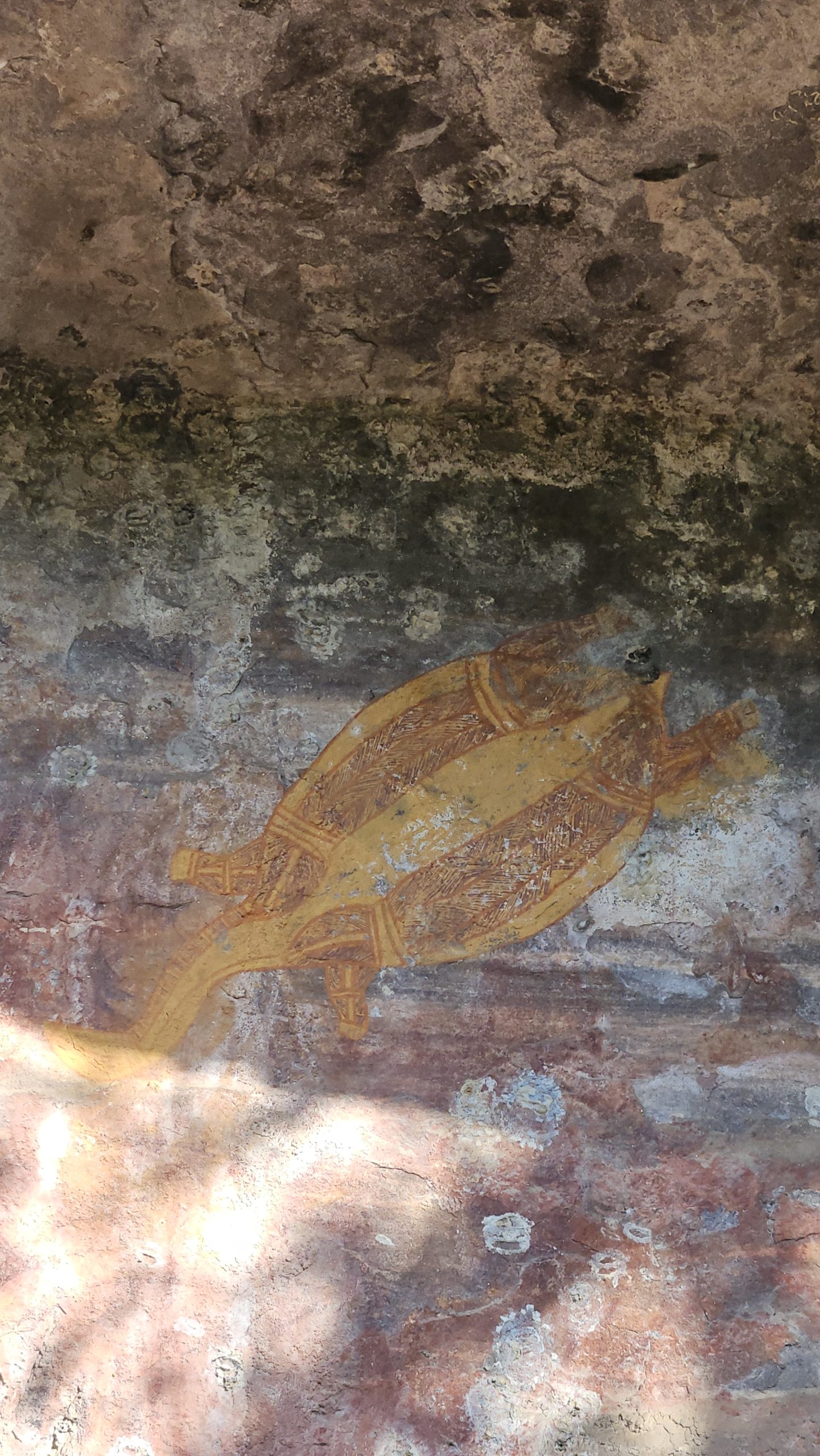
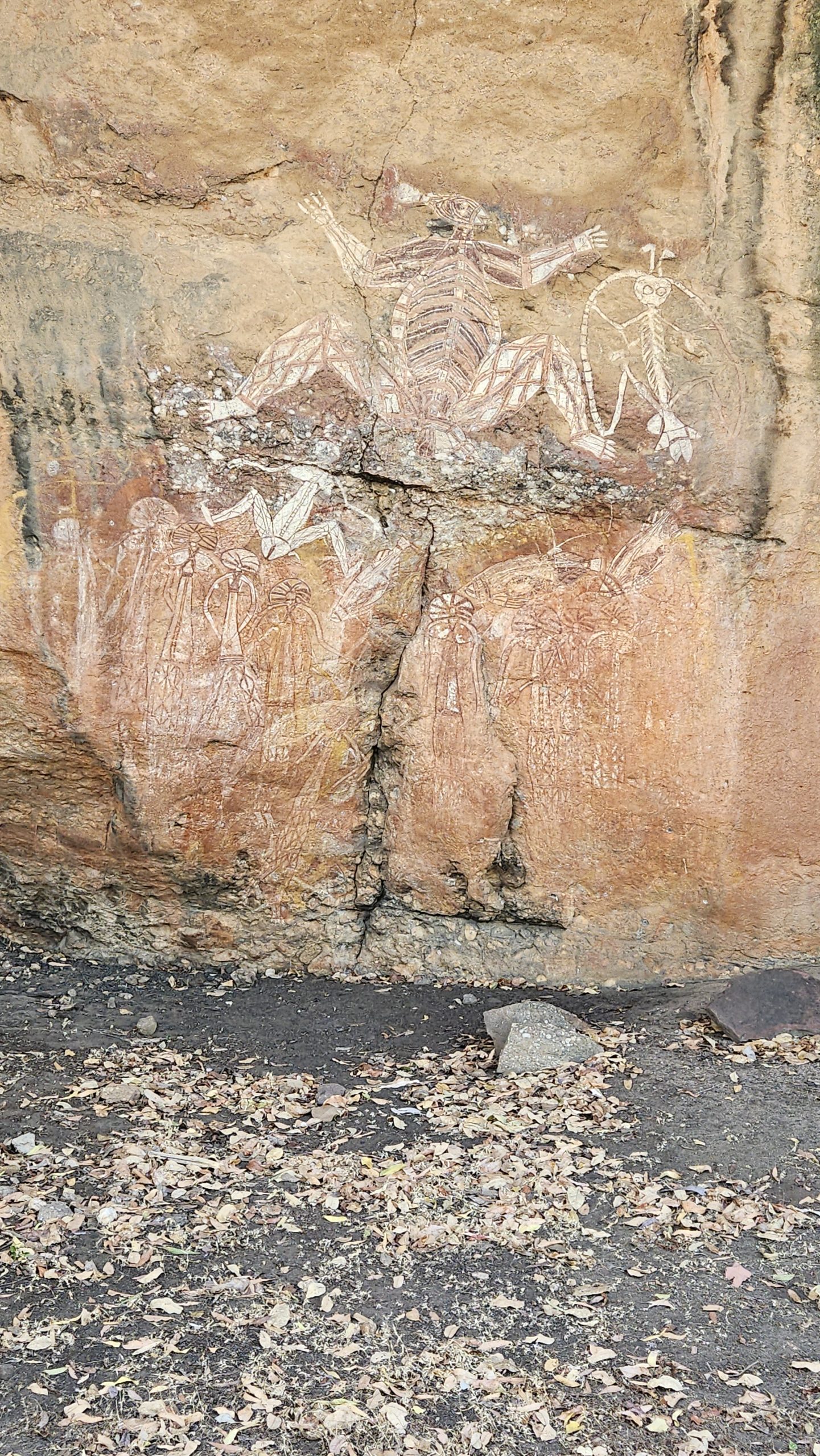
Kick off the day at Burrungkuy (Nourlangie), one of Kakadu’s iconic rock art spots. The short 1 km walk takes you through shady shelters that have been both home and canvas for tens of thousands of years. Don’t miss the Anbangbang Gallery — the walls burst with stories of ancestral beings and daily life. Pause, take it in, and let the history soak in; this place sticks with you long after you leave.

Nanguluwurr Rock Art Walk

Next, wander through open woodland to the hidden Nanguluwurr rock art site (3.4 km return). Quieter than Nourlangie, it’s the perfect spot to get up close to intricate Aboriginal art without the crowds. Easy, flat, and full of calm — a place to slow down and soak in the vibes.

Anbangbang Billabong

By late morning, make your way to Anbangbang Billabong for the 2.5 km loop. This peaceful wetland is alive with birds, and the calm waters mirror pandanus palms and escarpment walls. It’s a perfect spot to relax, enjoy a picnic, spot wildlife, or take an easy, scenic stroll.

Nawurlandja Lookout

Wrap up the day with a short climb to Nawurlandja Lookout. From the top, you get sweeping views over Burrungkuy (Nourlangie), Anbangbang Billabong, and the Arnhem Land escarpment. Stick around late afternoon to watch the rocks light up — it’s a seriously epic way to end the day.

Tips:

  • Grab a coffee at the awesome Marrawuddi Arts & Culture in Jabiru before hitting the trails.
  • The gates to the Nawurlandja Lookout don’t open until 7 am — so sunrise is a no go (we tried, and failed).

Day 3: Cooinda → Jim Jim & Twin Falls (3-4hr)

Highlights:

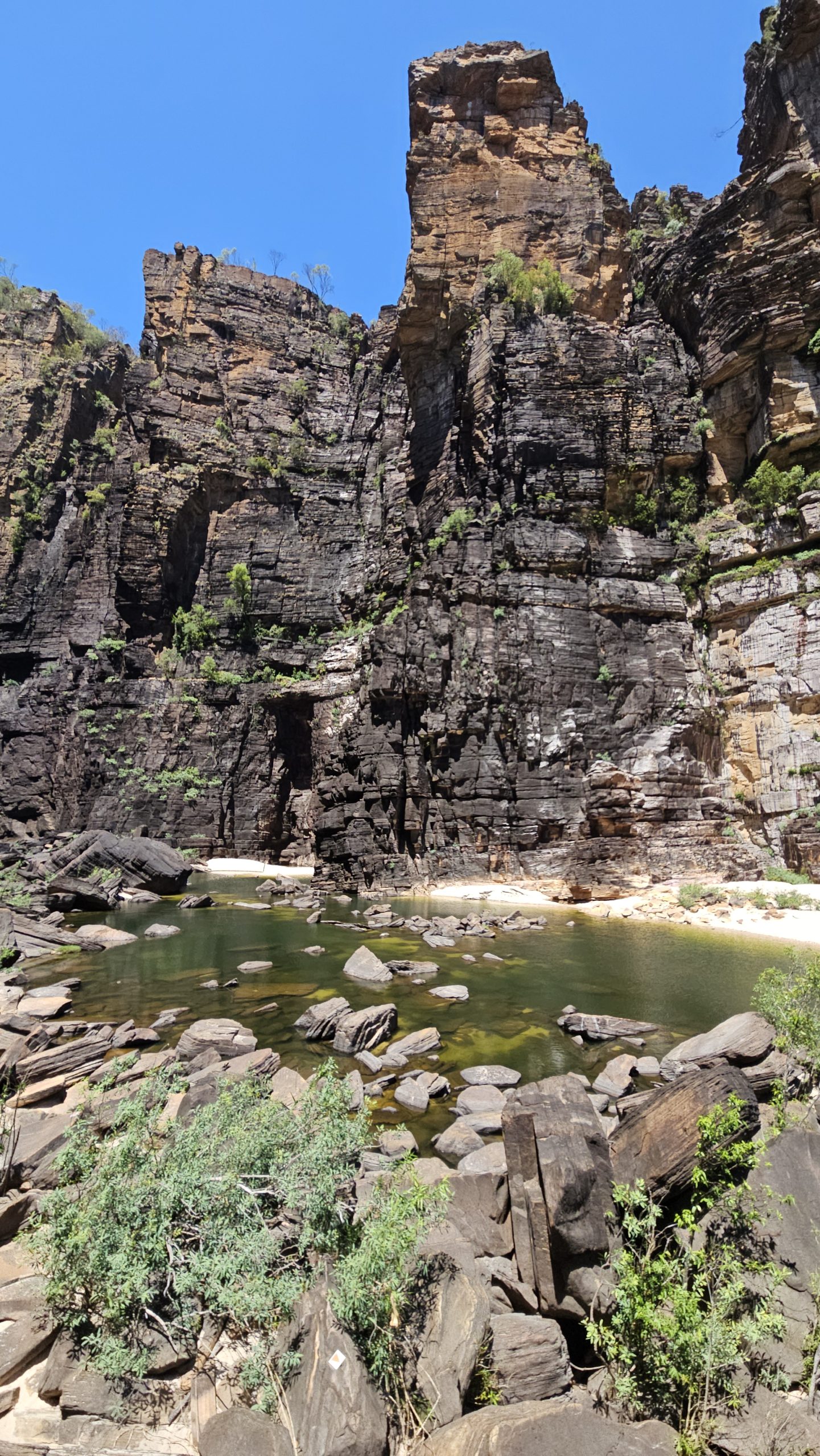
  • Jim Jim Gorge – Cool off in a stunning plunge pool beneath towering gorge walls.
  • Twin Falls – A 6 km escarpment trail with epic views and a refreshing dip.

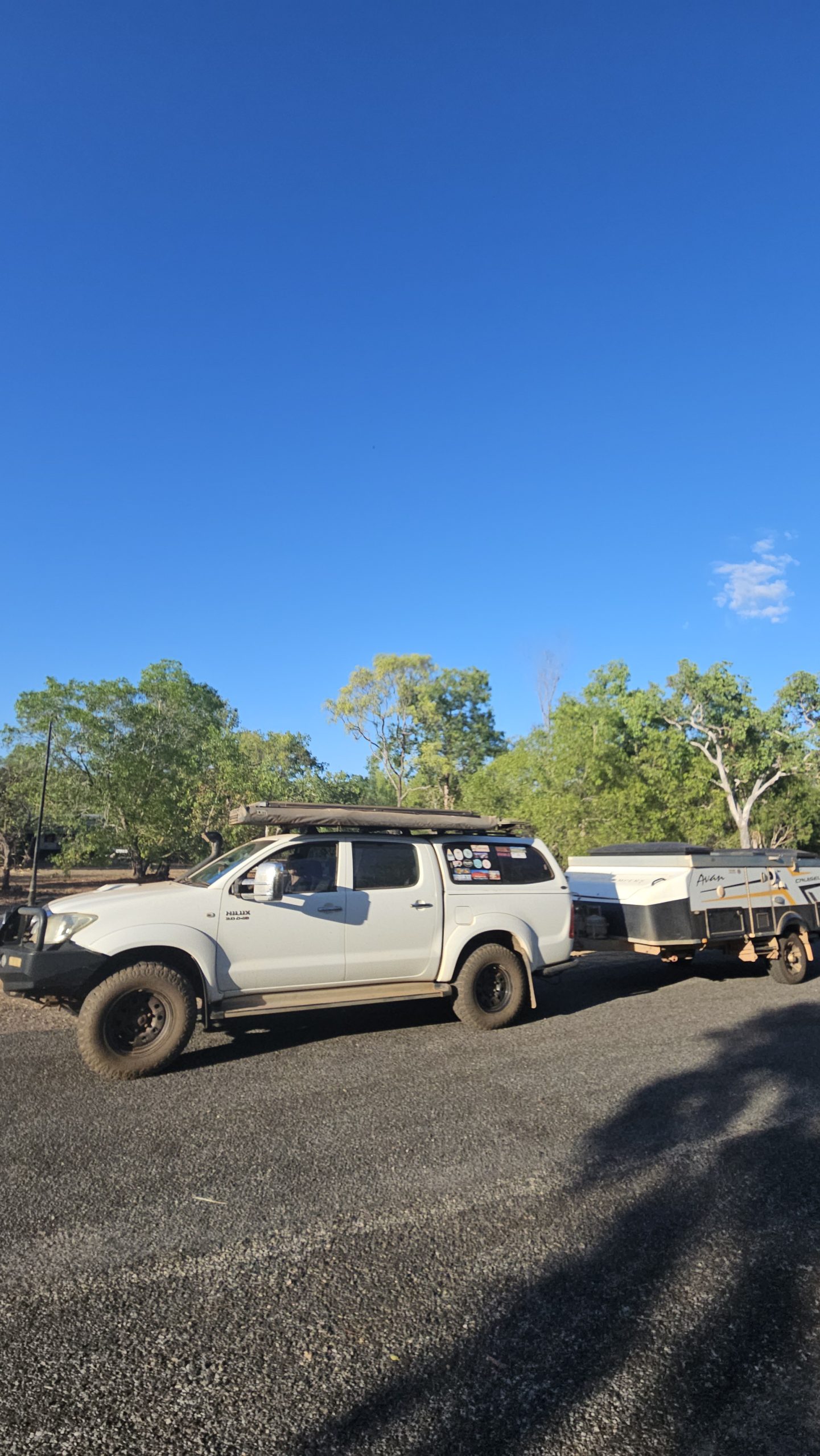
Today you’ll head deeper into Kakadu’s wilderness, exploring two of the park’s most iconic gorges and waterfalls. Make sure your 4×4 is ready — both destinations require high-clearance access.

Jim Jim Gorge plunge pool

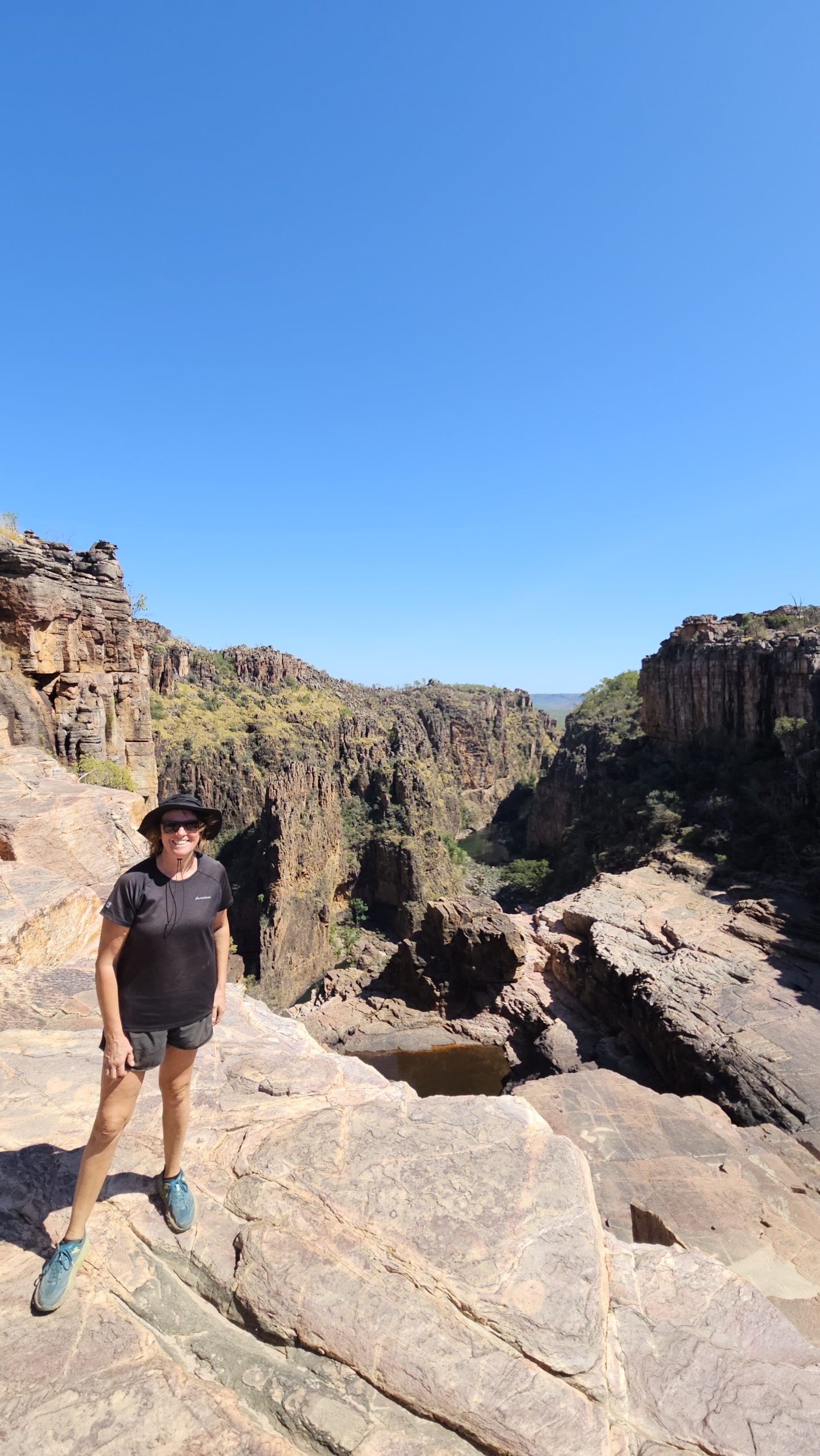
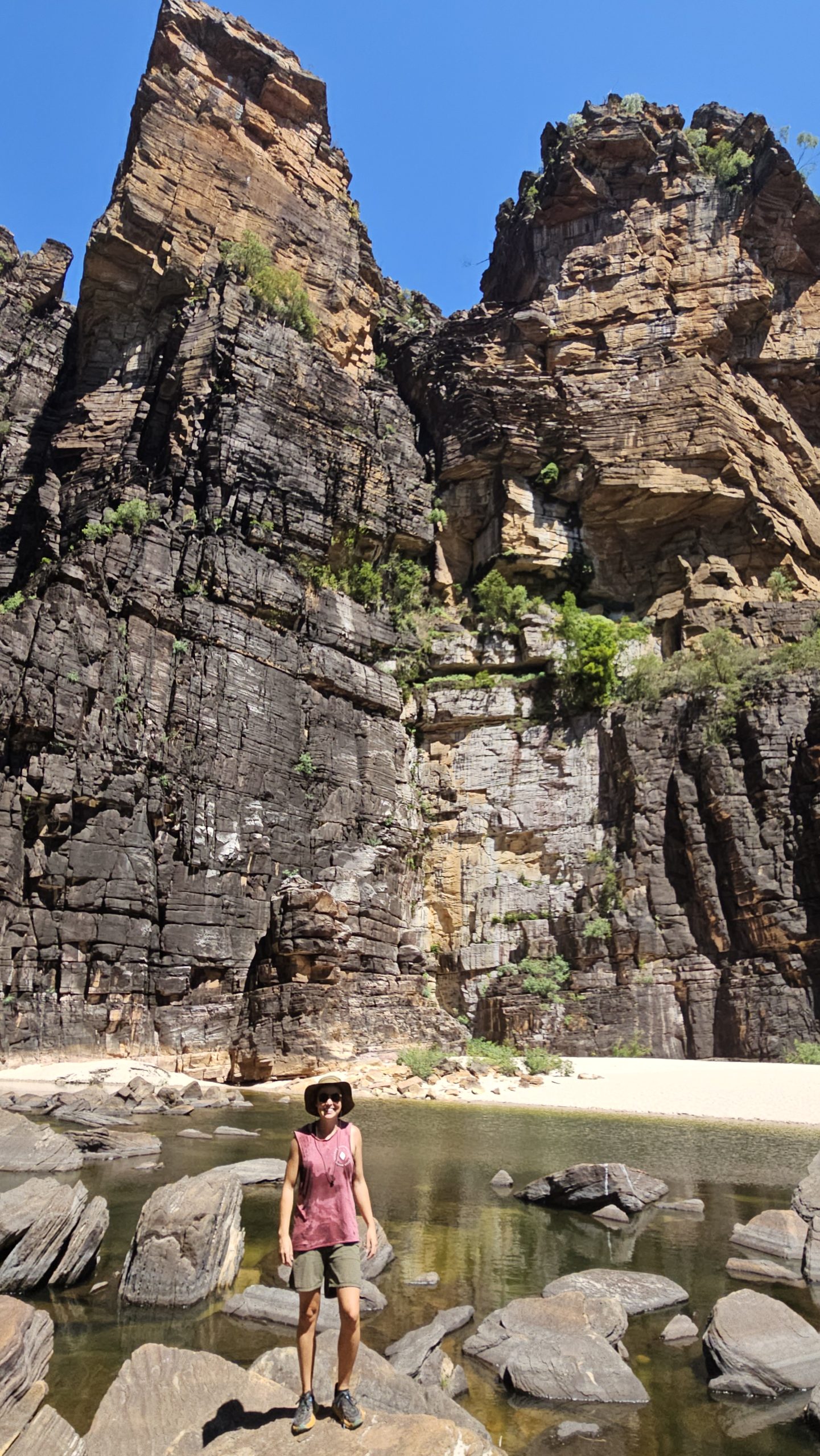
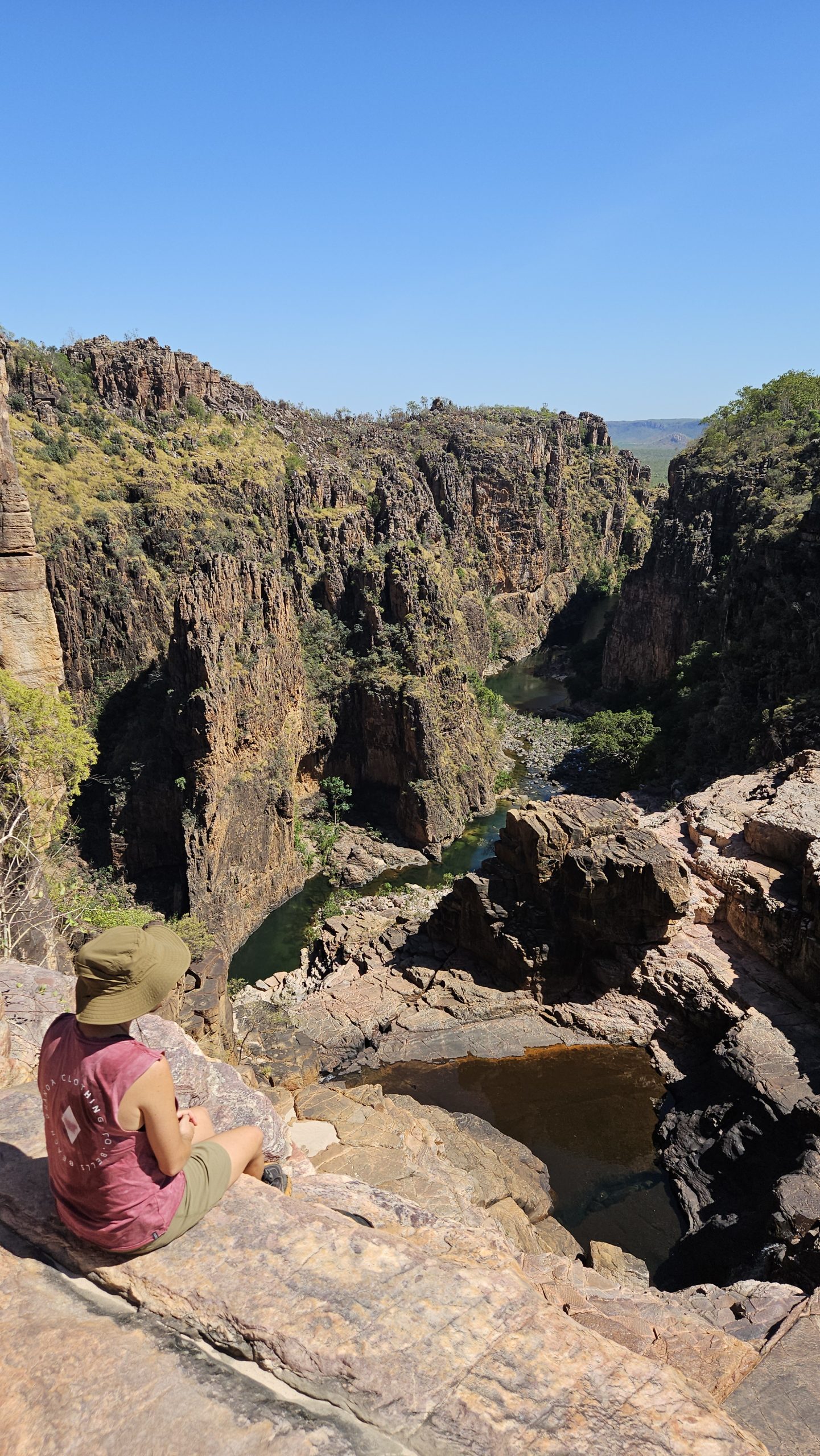
Start with the drive from Cooinda to Jim Jim Gorge (~2 hrs, 120 km). Trek along the gorge floor to a stunning plunge pool tucked beneath towering cliffs. The water’s perfect for a refreshing swim, and the sheer scale of the gorge makes it one of Kakadu’s most dramatic spots — even if the falls aren’t running.

Twin Falls escarpment hike

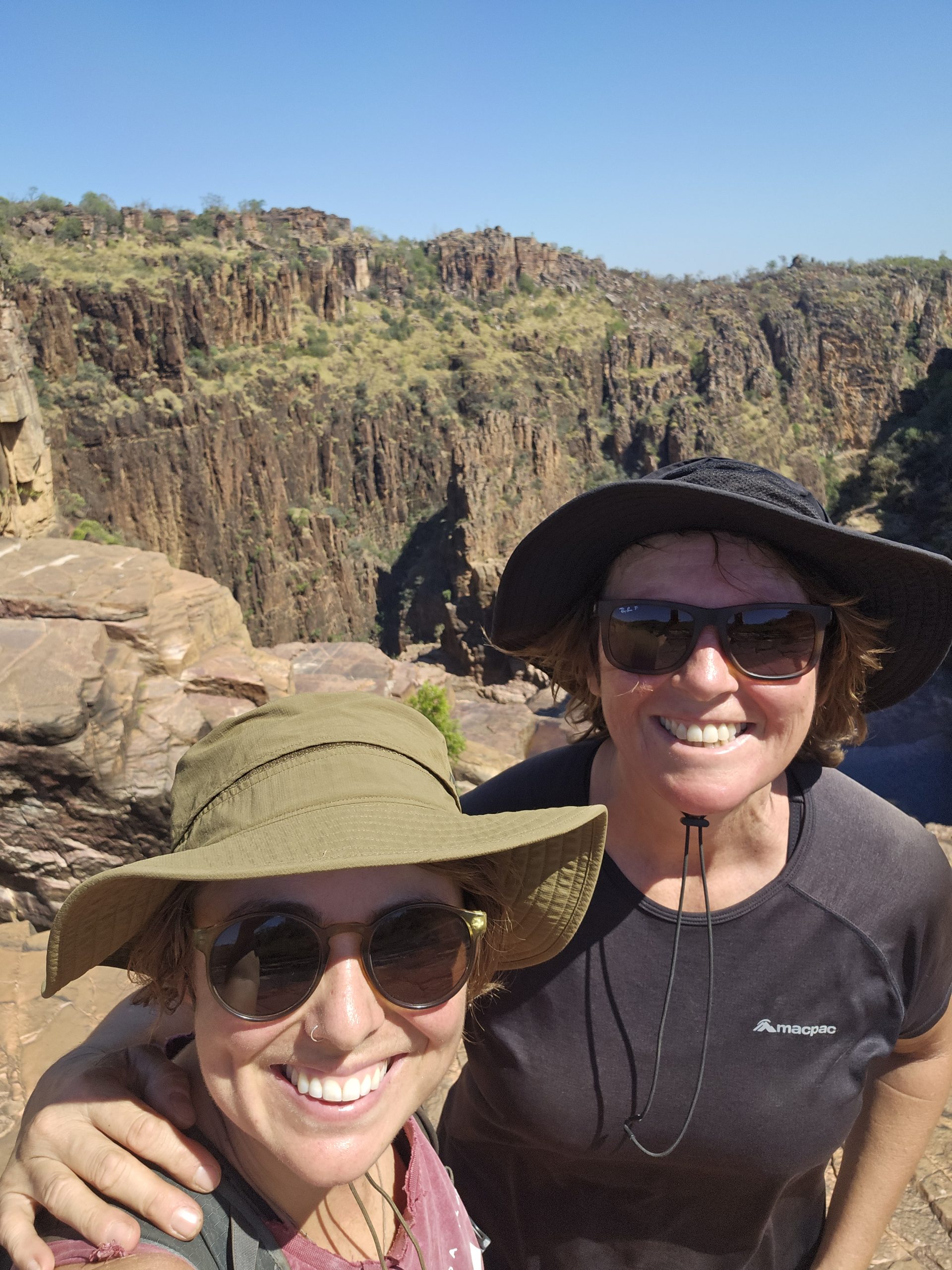
Next, head to Twin Falls (~1 hr, 70 km) and take on the 6 km escarpment trail. The cliffs deliver jaw-dropping views of the waterfalls and surrounding wilderness. From the very top of the 150 m cliff, watch water cascade over the Arnhem Land escarpment — it’s seriously breathtaking. The 4×4 track in is rough and the hike is steep, but totally worth it. Make sure to push a little past the main falls to cool off in one of the stunning plunge pools — we had the place to ourselves, and it felt wild and unforgettable.

Day 4: Cooinda → Yellow Water & Maguk (1–2hr)

Highlights:

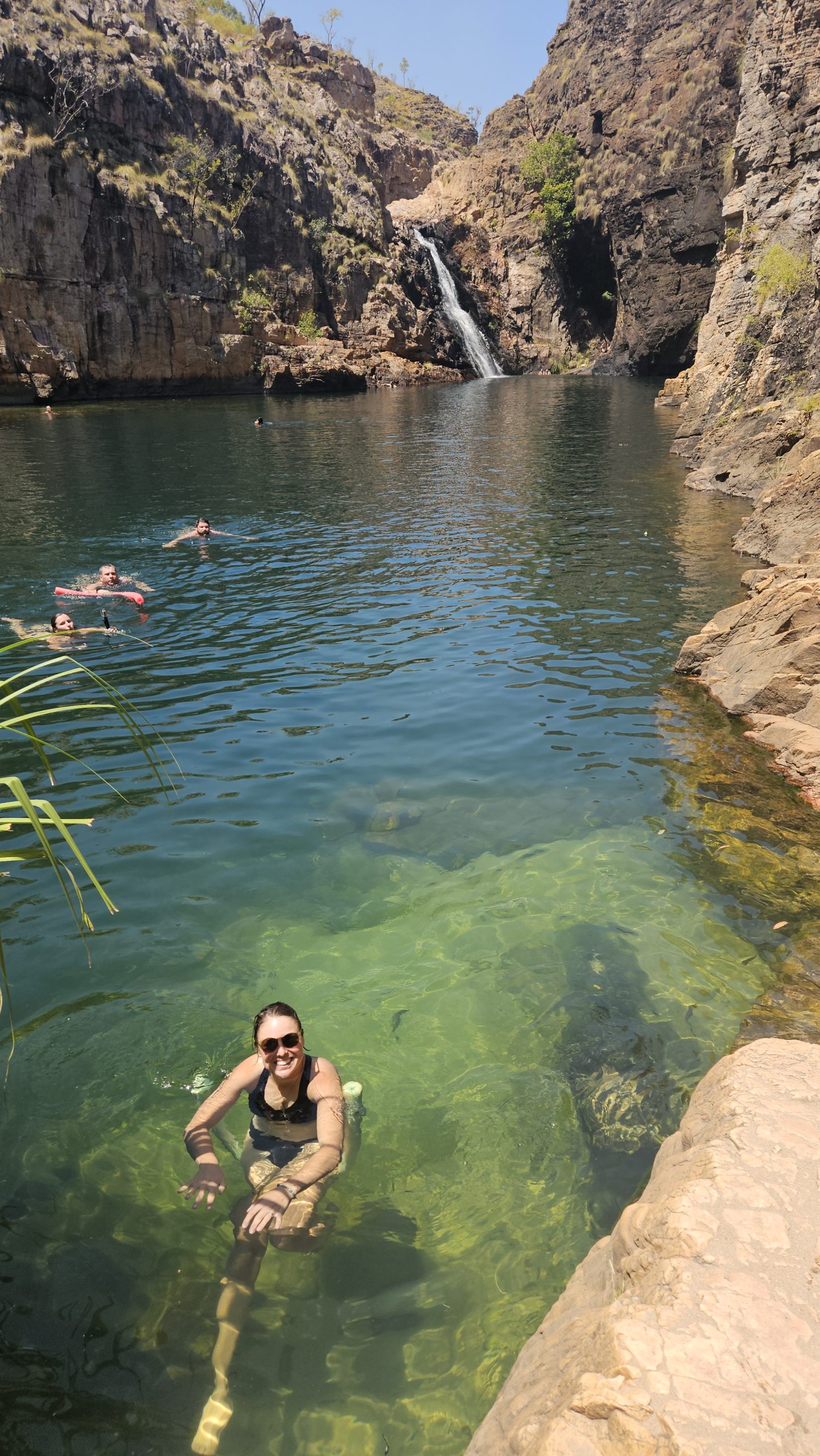
  • Maguk (Barramundi) Gorge – Take a leisurely swim beneath the gorge’s picturesque falls.
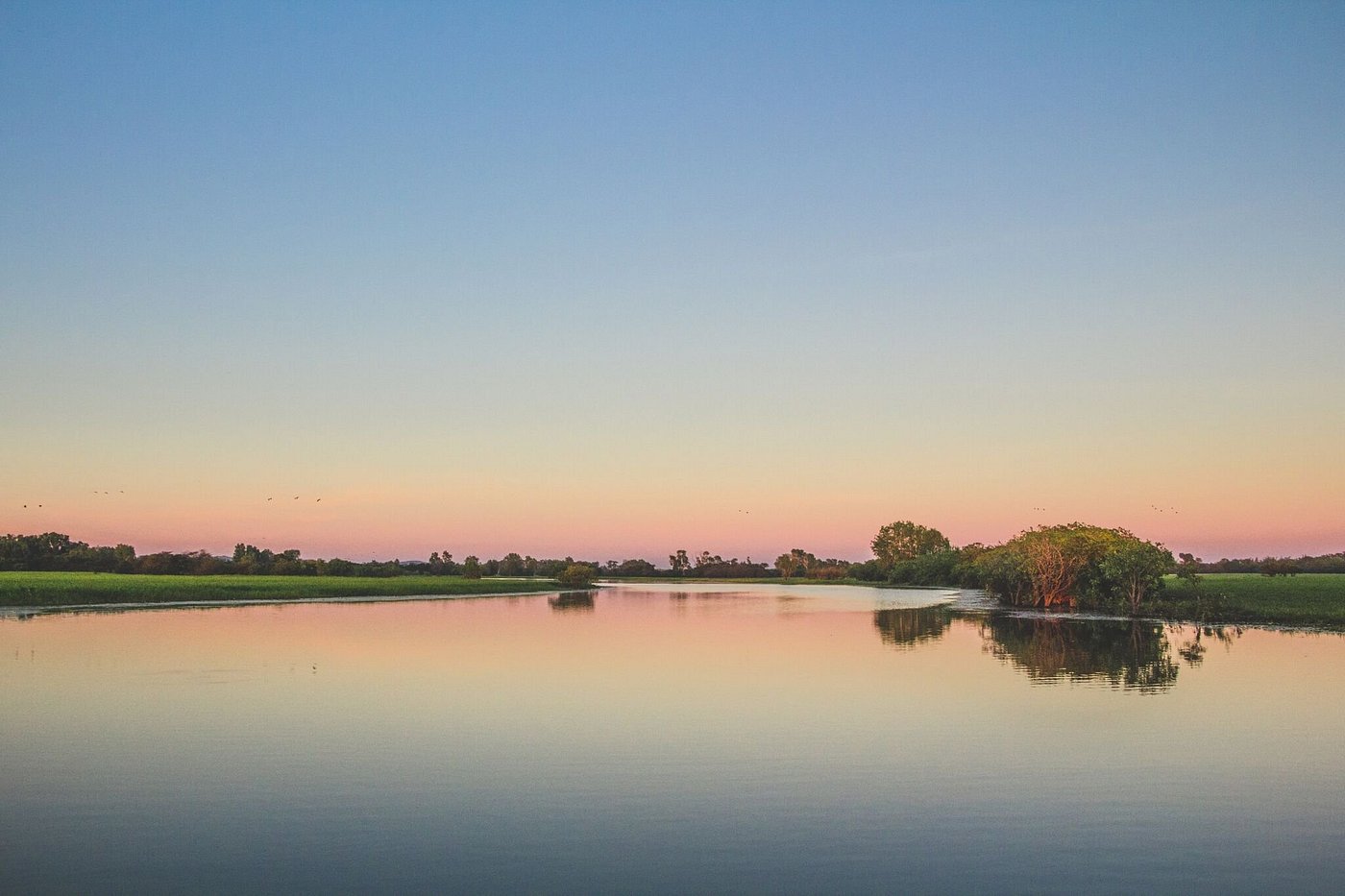
  • Yellow Water Cruise – Glide along the wetlands and spot crocodiles, birds, and other wildlife.

Today’s adventure mixes swimming, wildlife, and some of Kakadu’s most iconic scenery.

Yellow Water Cruise

Start the day with a Yellow Water Billabong cruise. Drift through the wetlands as the morning light hits the floodplains, spotting crocs, colorful birds, and all kinds of wildlife. It’s an iconic, peaceful way to kick off your Kakadu adventure.

Maguk (Barramundi) Gorge

In the afternoon, drive from Cooinda to Maguk (~1 hr, 60 km). A short walk brings you to a stunning gorge with a crystal-clear plunge pool at the base of the falls. Take a leisurely swim, soak up the scenery, and enjoy the golden afternoon light — a perfect Top End treat.

Tips

  • The Yellow Water cruise is just 2 km from Cooinda — you can drive or catch the lodge shuttle.
  • Book Yellow Water cruises in advance, especially during the peak season.
  • Morning or late afternoon cruises offer the best light and wildlife spotting opportunities.
  • Maguk requires a high-clearance 4×4.
  • Don’t have a 4WD,  consider booking a guided tour to Maguk.

Day 5: Cooinda → Gunlom Falls → Darwin (~8hr)

Highlights:

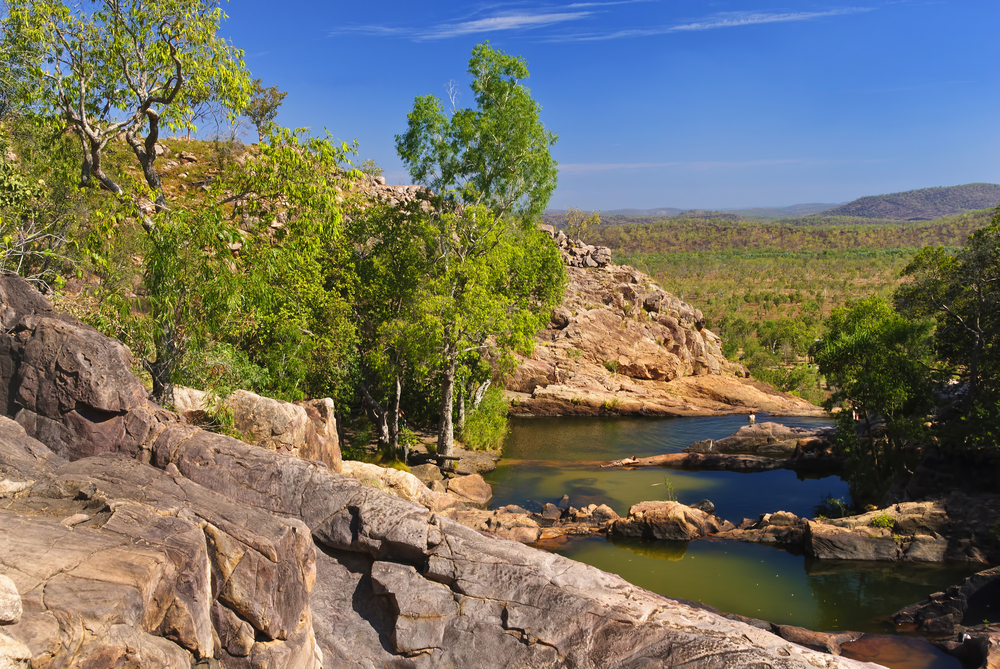
  • Gunlom Falls – Swim in infinity pools with endless Kakadu views.

Today you’ll hit one of Kakadu’s most iconic comeback stories before rolling back toward Darwin.

Gunlom Falls summit pools

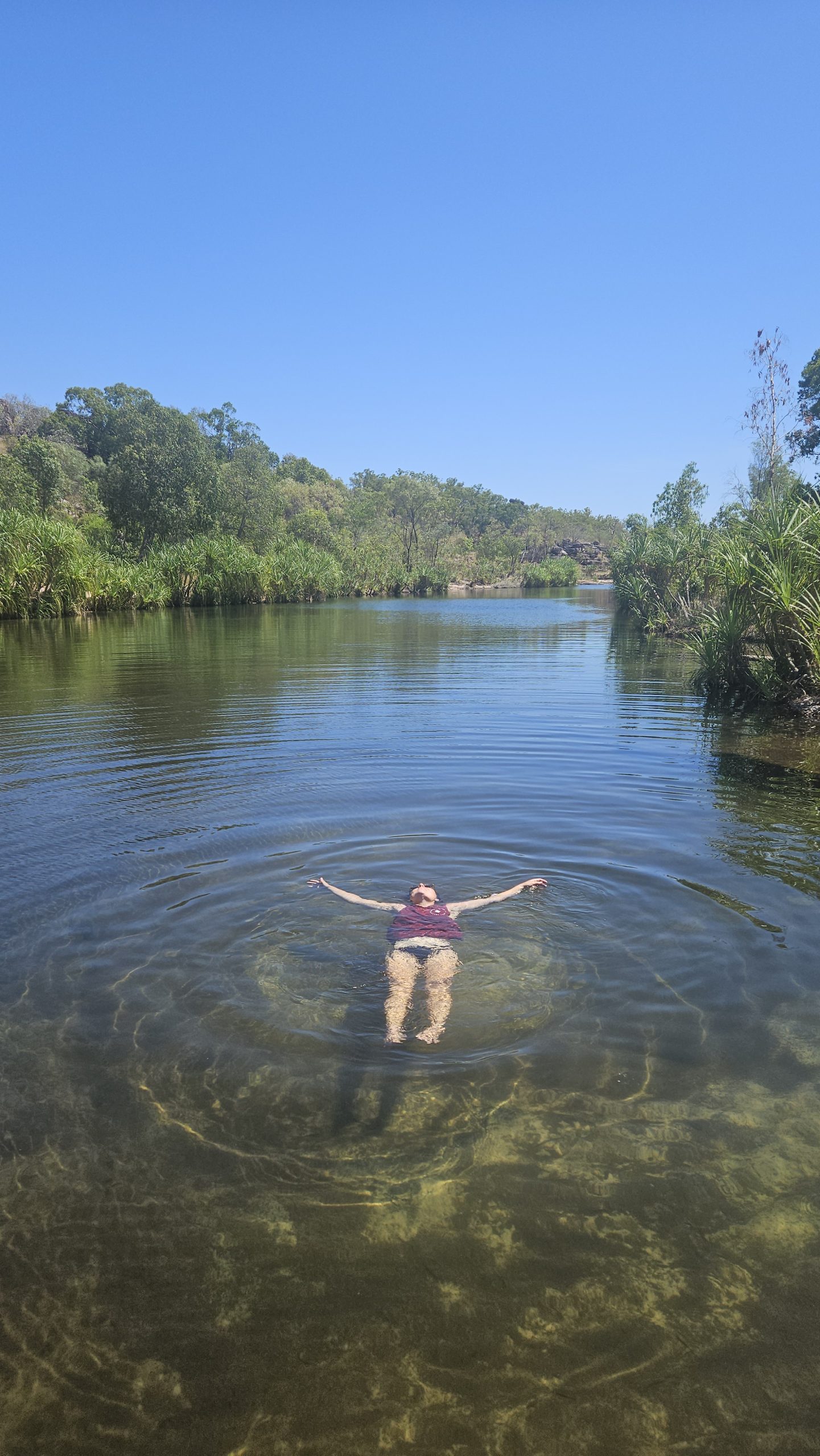
Drive from Cooinda to Gunlom Falls (~4 hrs). After six years closed to visitors, this legendary spot is finally open again. A short but steep walk leads to the top rock pools, where you can swim with views stretching across Kakadu’s stone country. Floating in the crystal-clear water with the sun lighting up the escarpment is unforgettable.

Return to Darwin

After soaking up Gunlom, start the drive back to Darwin (~4 hrs). The road is scenic, so stop along the way for photos, snacks, or a final look at the Top End landscapes.

Tips

  • Gunlom requires a 4×4 or sturdy high-clearance vehicle — the unsealed road is part of the adventure.
  • For a more relaxed day, stay overnight at Gunlom Falls Campground. You’ll have time to soak in the infinity pools and sunsets without rushing, then head back to Darwin the next morning.
  • Don’t have a 4WD,  consider booking a guided day tour to Gunlom.

Share:

More posts

Want to roam with us?

Sign up to receive our latest travel stories, tips, tricks and destination guides.

Want to roam with us?

Sign up to receive our latest travel stories, tips, tricks and destination guides.

We honour the ancient cultures of the First Nations peoples whose land we travel.

Copyright © Franky Roams | 2026 | All Rights Reserved