Our complete guide to working on the road
When travel savings run low, working on the road can keep the adventure rolling — and give you time to truly explore places like a local.
Limmen National Park is a place where striking sandstone formations rise from the earth in spectacular fashion — and very few people venture.
Remote and rarely visited, it sits well away from the well-worn tourist route linking the Northern Territory’s Red Centre and Top End.
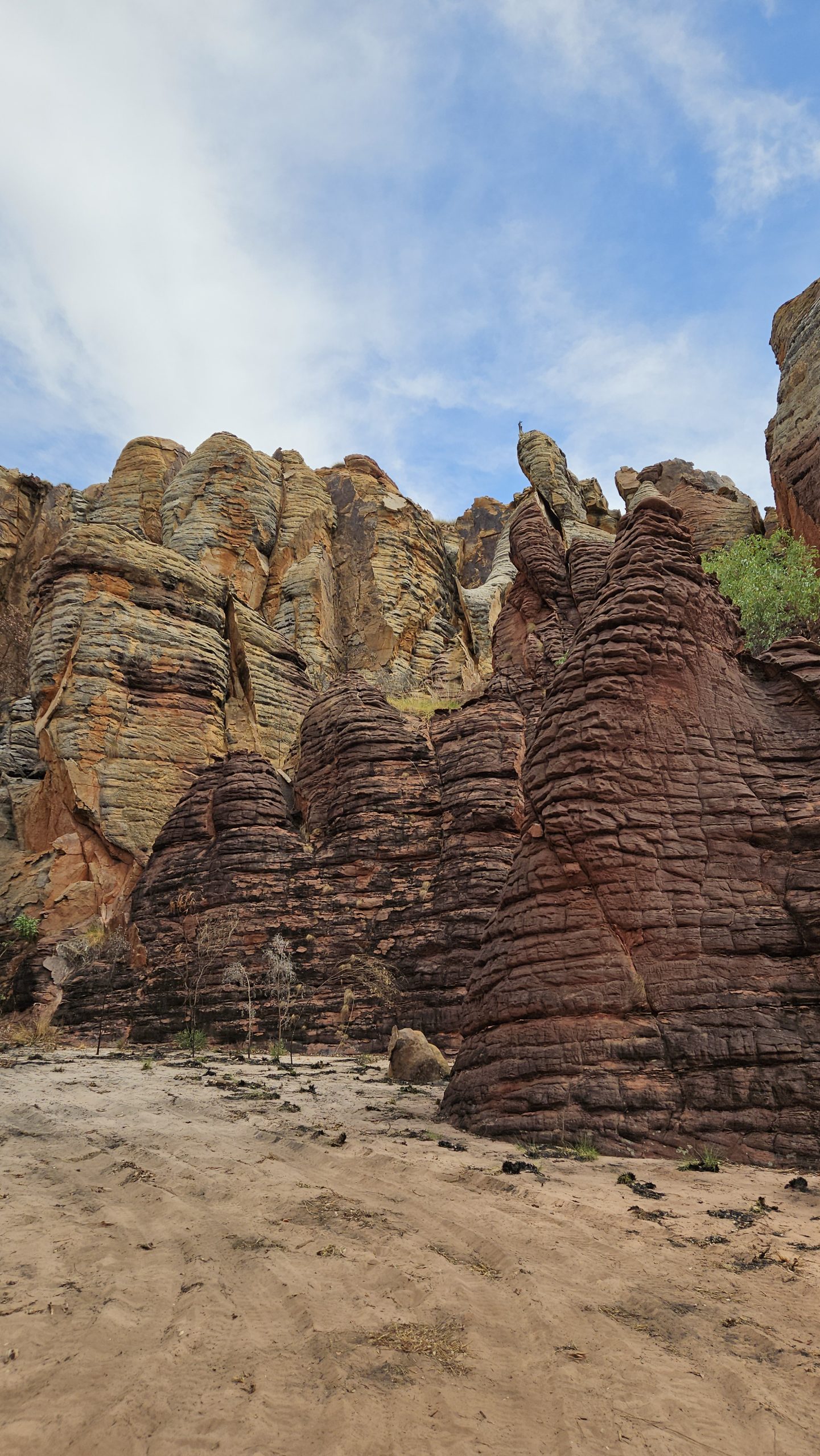
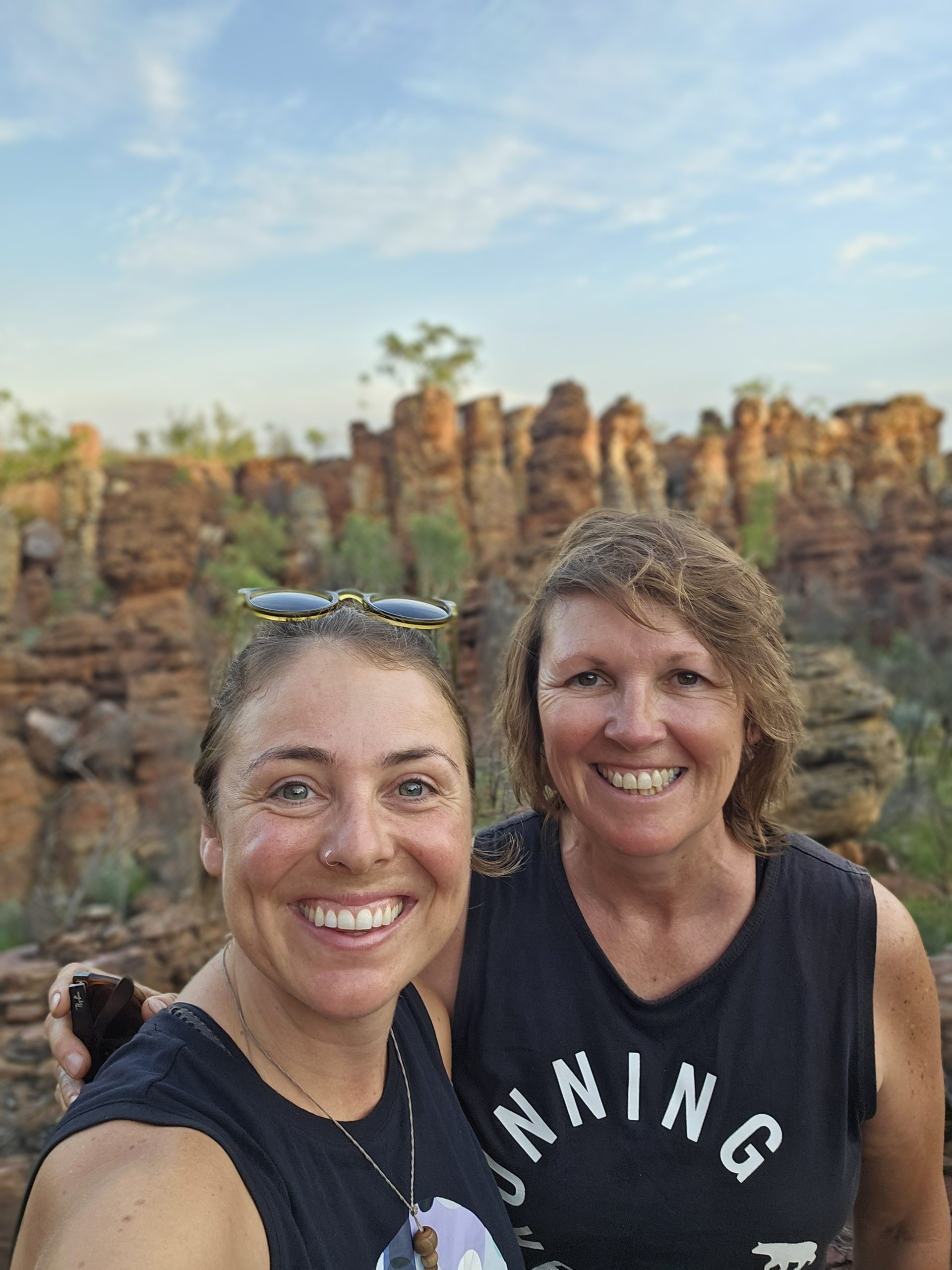
In September 2024, we spent two unforgettable days exploring its 1,500-million-year-old sandstone formations known as the Lost Cities — vast, ancient and wildly beautiful.
Here’s how we explored by foot and 4WD.
Drawing keen fishers and 4WD enthusiasts from across the country, Limmen National Park is a vast, rugged and isolated landscape in the heart of tropical savanna country — a destination defined by distance, dirt roads and dramatic geology.
There are two main ways in from the Northern Territory:
Alternatively, you can enter from Queensland via the Carpentaria Highway, following the iconic Savannah Way.
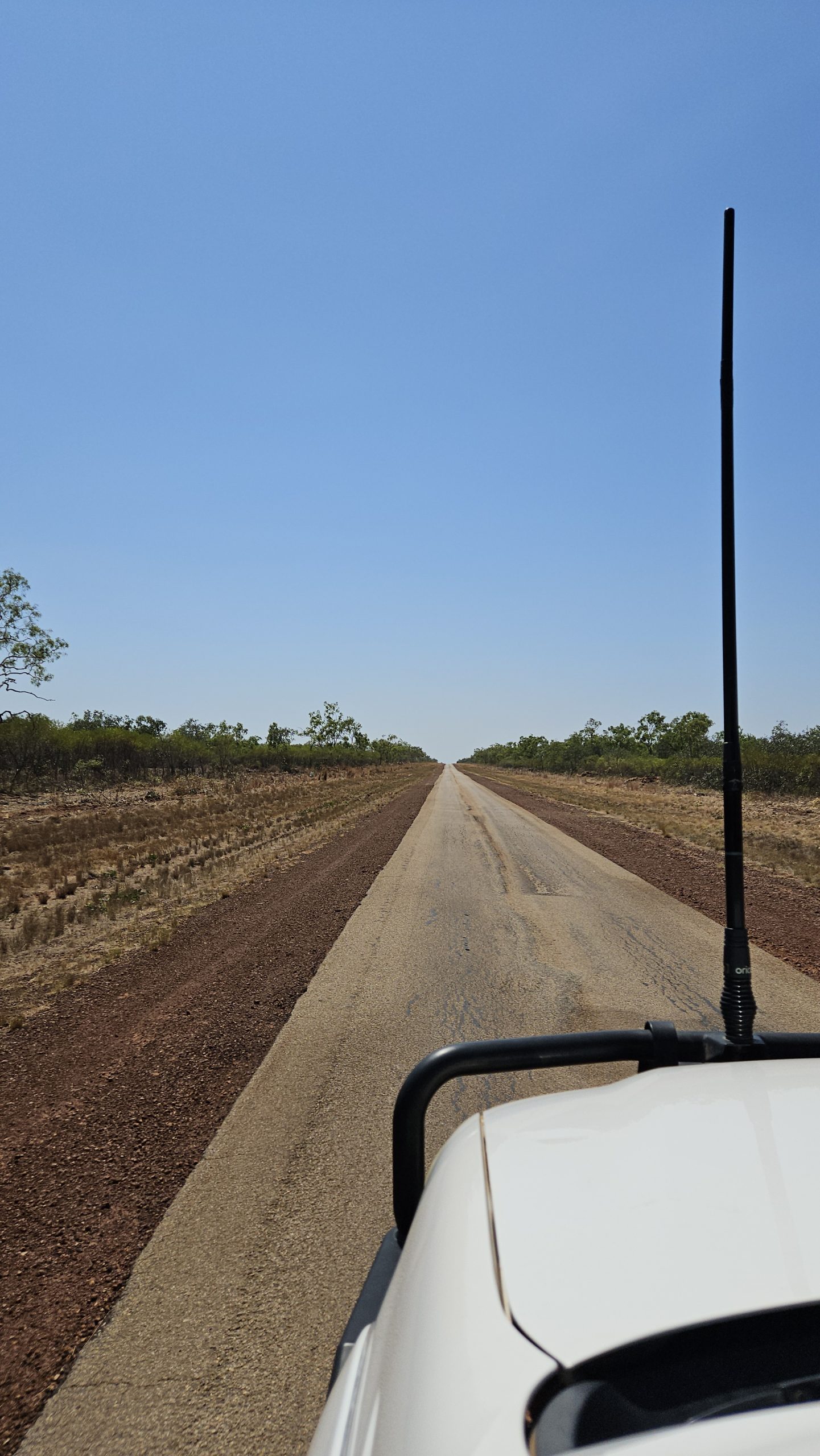
We came in from Daly Waters, travelling on a mostly single-lane road surrounded by vast, dusty landscapes and notorious for its potholes, cattle and heavy road train traffic.
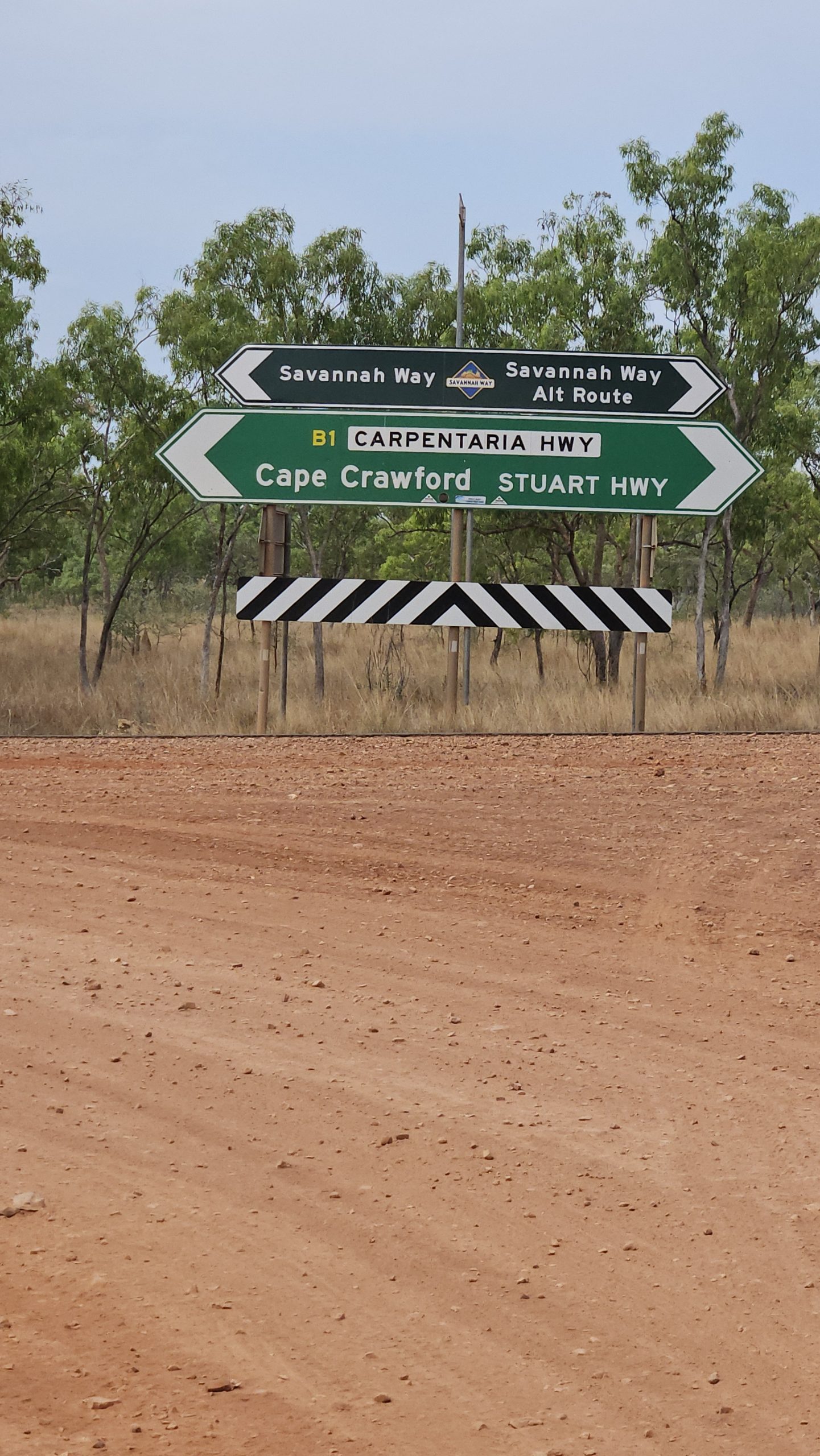
We kicked off at Cape Crawford’s Heartbreak Hotel, where we’d spent the night. The lush watering hole has plenty of space for caravans and camping, plus a pool and bar.
Located 880 km southeast of Darwin, ‘Heartbreak’ sits at the junction of the Carpentaria and Tablelands highways on the iconic Savannah Way.
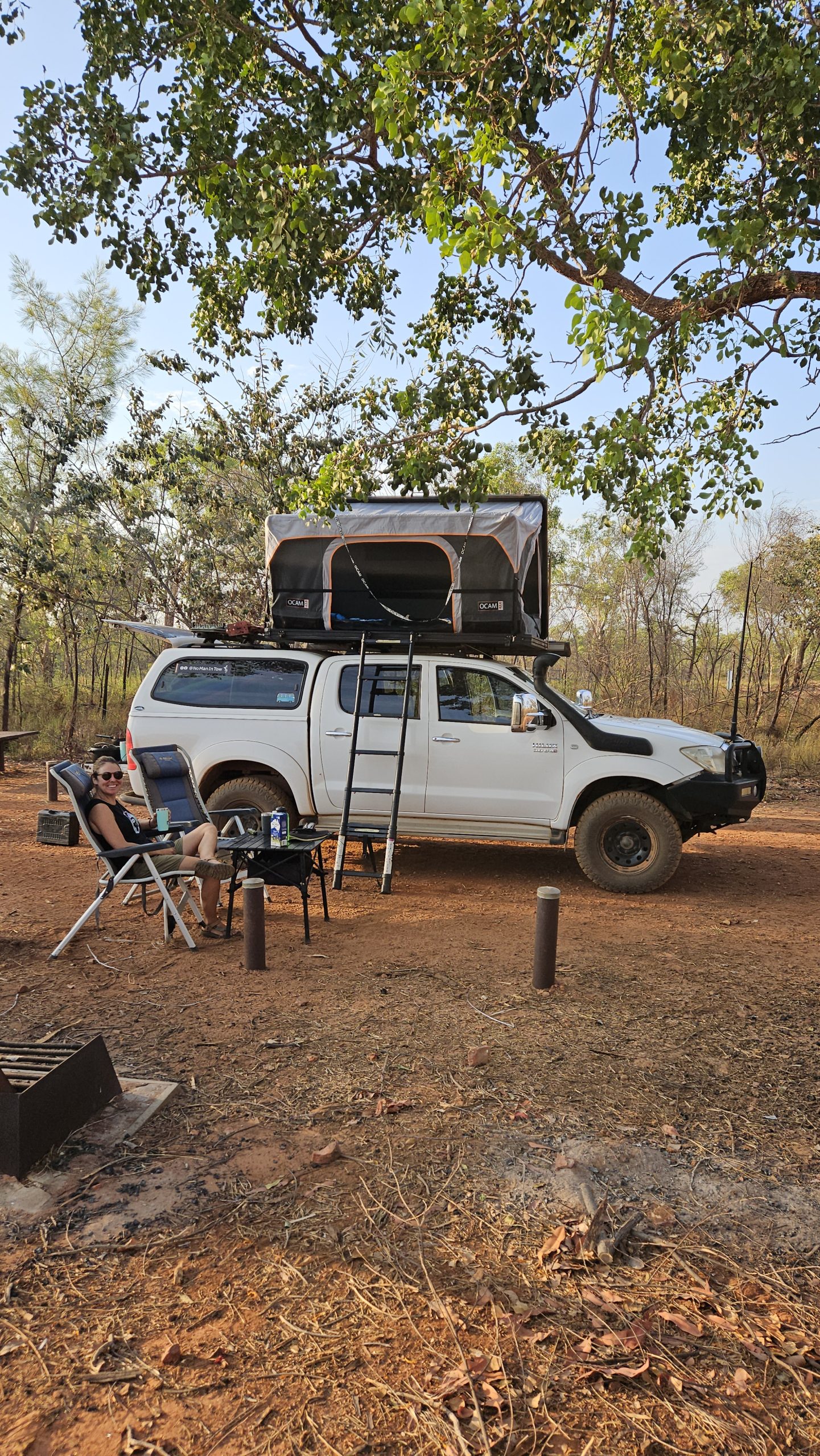
Local reports warned of rough roads, so we left our caravan behind and kept life simple in our rooftop tent.
Before heading out, we aired down our tyres and adjusted our suspension. A few kilometres west on the Carpentaria Highway brought us to Ryan Bend Road.
We followed the red, corrugated dirt track north, then veered onto Nathan River Road, finally reaching the unmanned Nathan River Station.
Here, the access code for the gate to the Western Lost City is posted on a whiteboard.
The 28 km high-clearance 4WD track to the Western Lost City starts just a short distance from Nathan River Station.
After unlocking the gate and signing the ranger logbook, we were off.
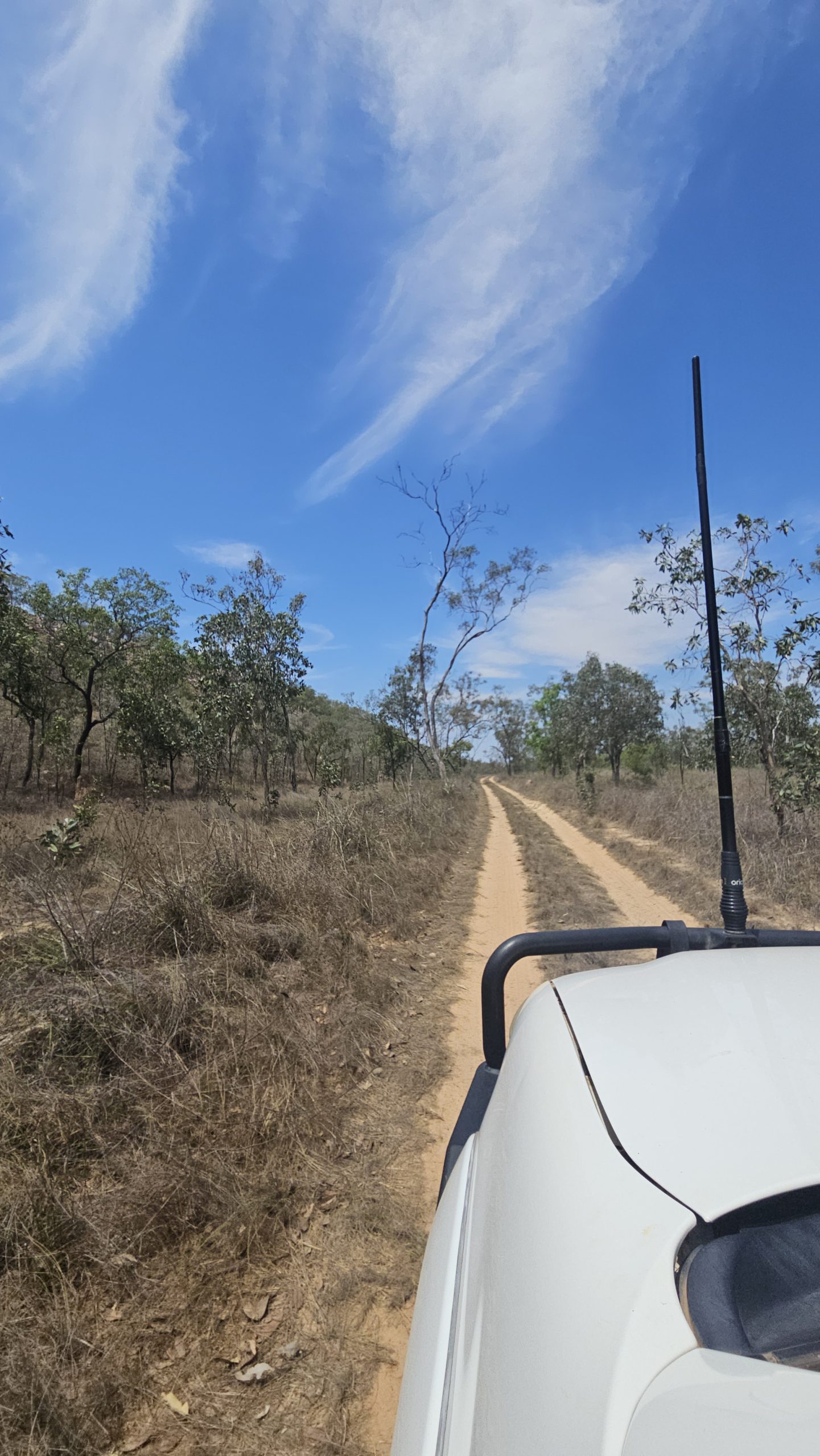
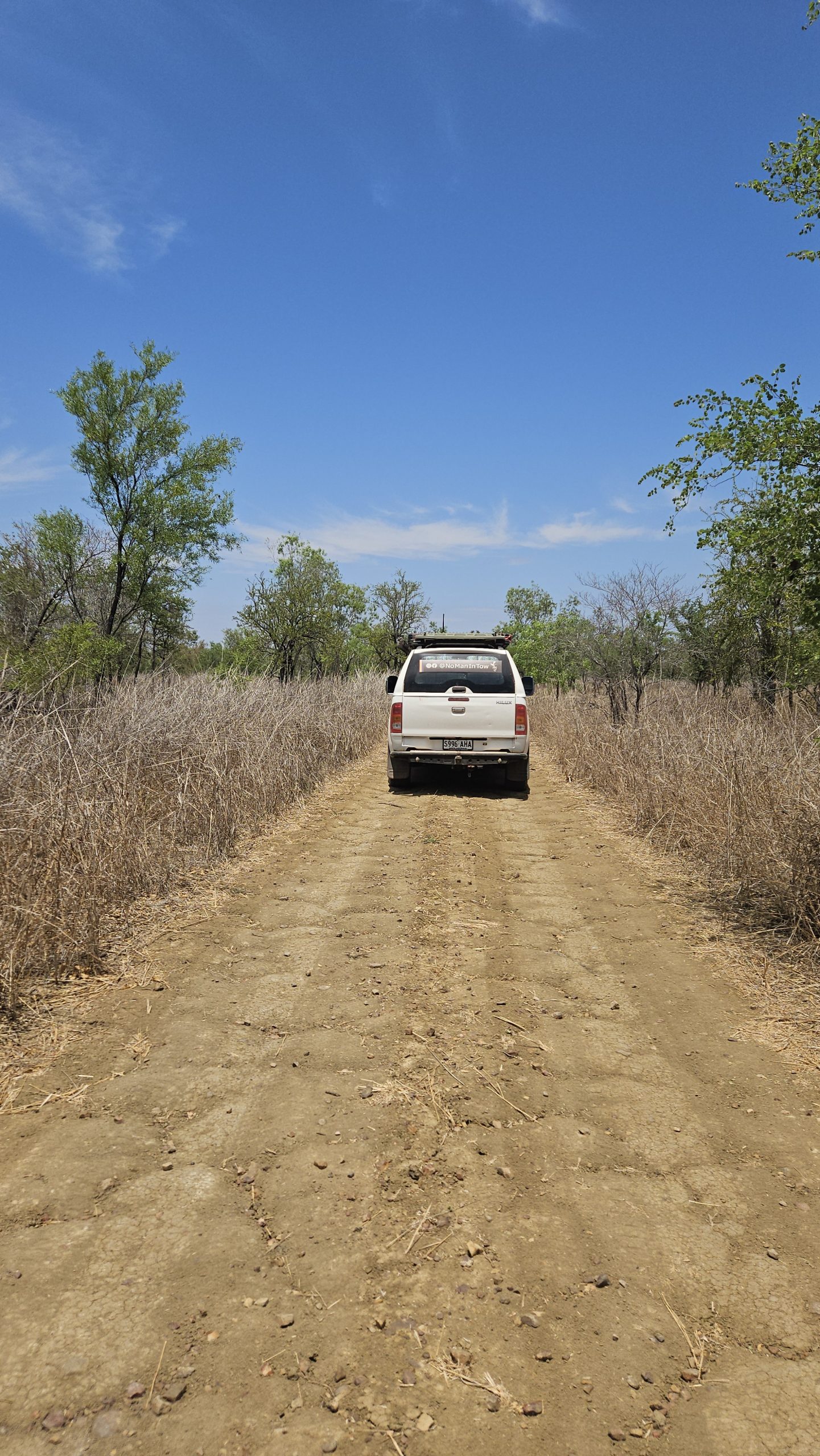
The track served up dry, rocky creek beds, sandy water crossings, and intense corrugations. Along the way, we spoke to a crew who’d lost a full diesel canister to the rough conditions.
It was slow-going — but seriously fun.
And the reward was next level: some of the Territory’s most striking sandstone escarpments, often called the “mini Bungles” — a nod to Western Australia’s Bungle Bungle (Purnululu) Range, where tourist buses and helicopters swarm.
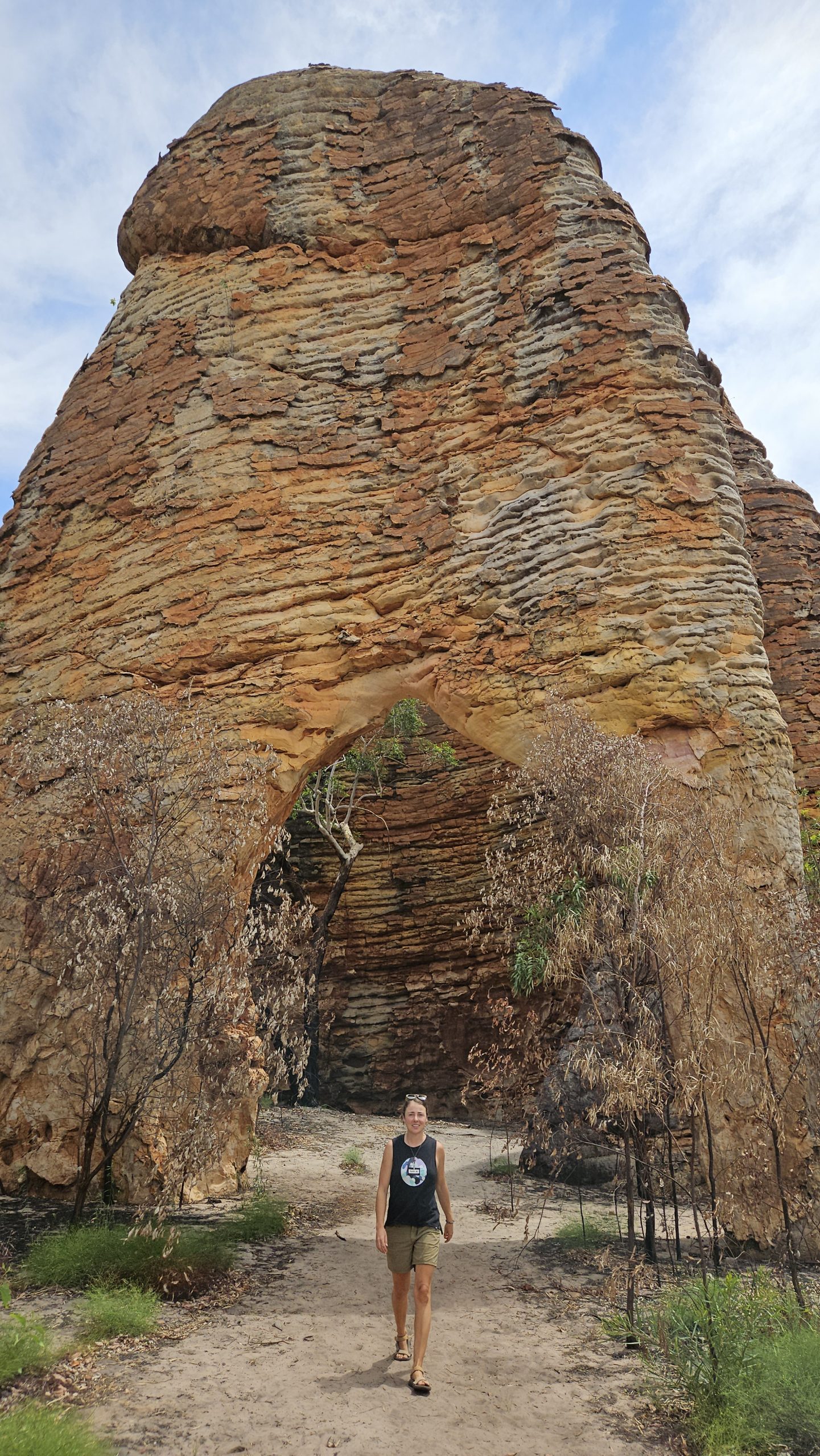
The track winds through massive sandstone spires and domes, shaped by millions of years of erosion, giving the impression of ancient city ruins.
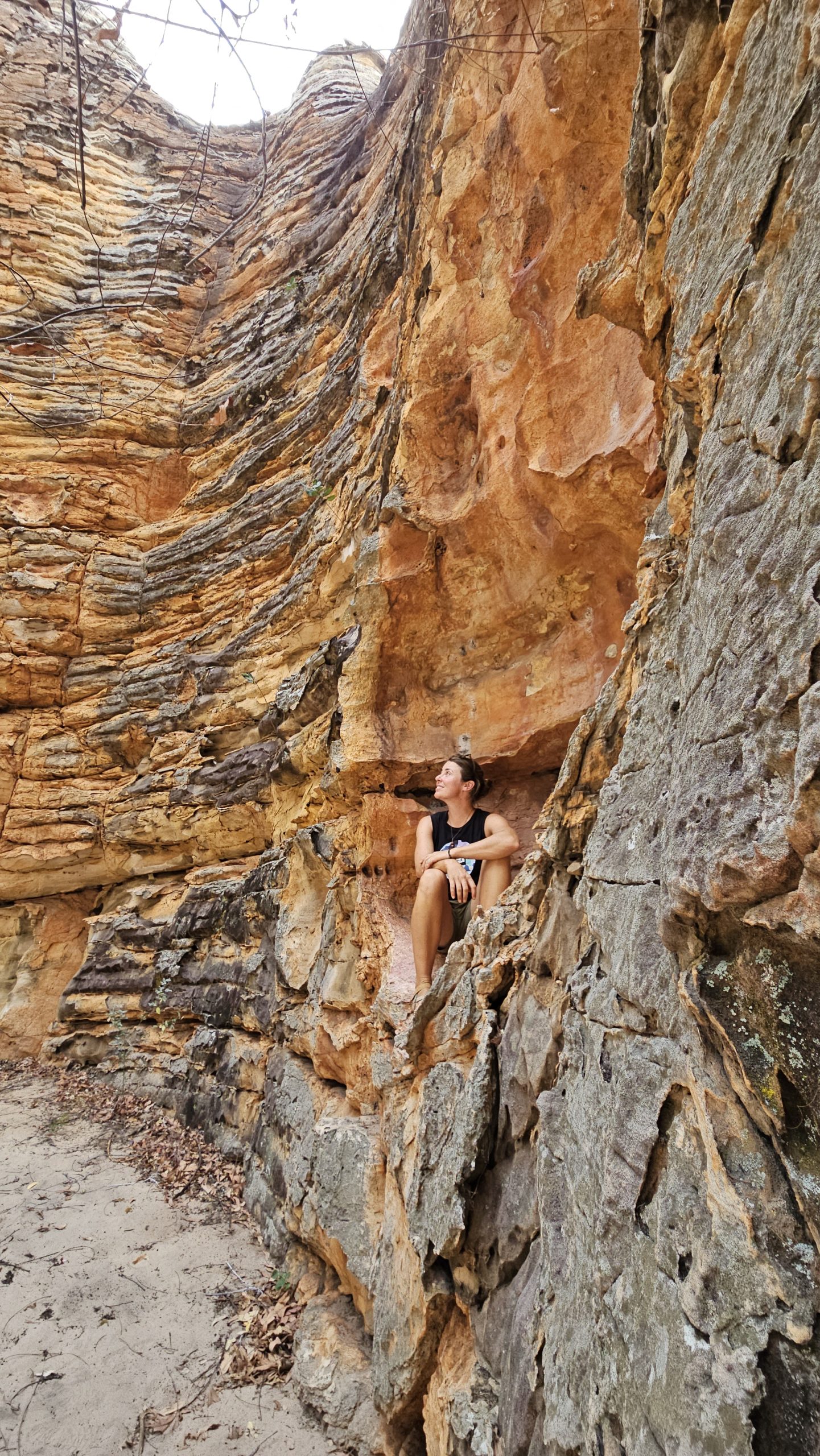
At the end, we parked and explored the Lost City on foot, getting up close to its bizarre formations. You know you’ve found something special when the only word you can manage is “Wow.” The red and brown stone structures just rose into the sky like giant fingers.
Butterfly Falls
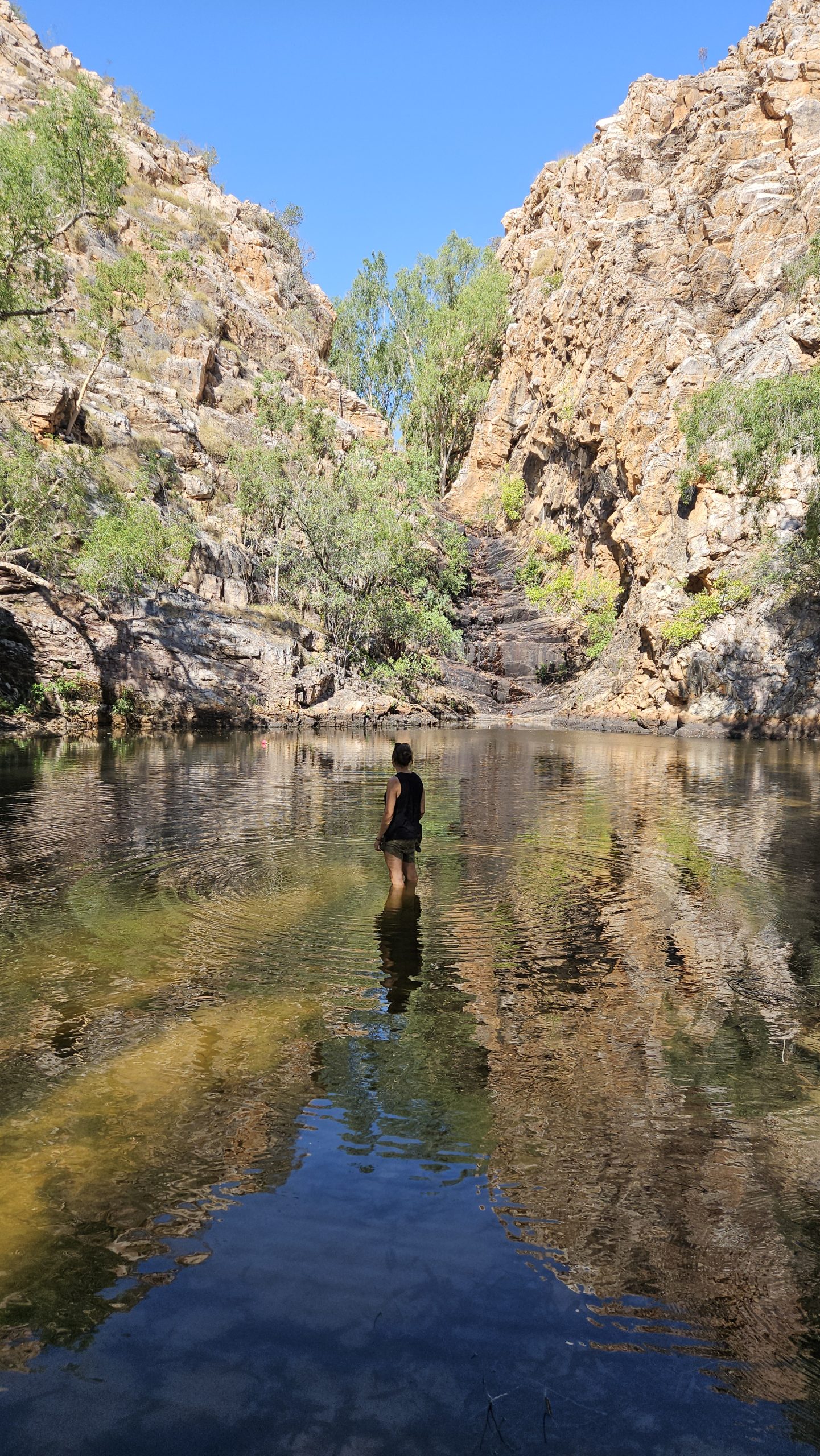
On our way south, we stopped at Butterfly Falls, which — true to its name — was alive with fluttering butterflies.
This seasonal waterfall offers the park’s only safe swimming spot, though during our visit only a trickle of water flowed.
Even so, it was the perfect shaded spot to dip our feet and soak up the tranquil surroundings.
Located along Nathan River Road, the site also offers a shady campground.
Southern Lost City
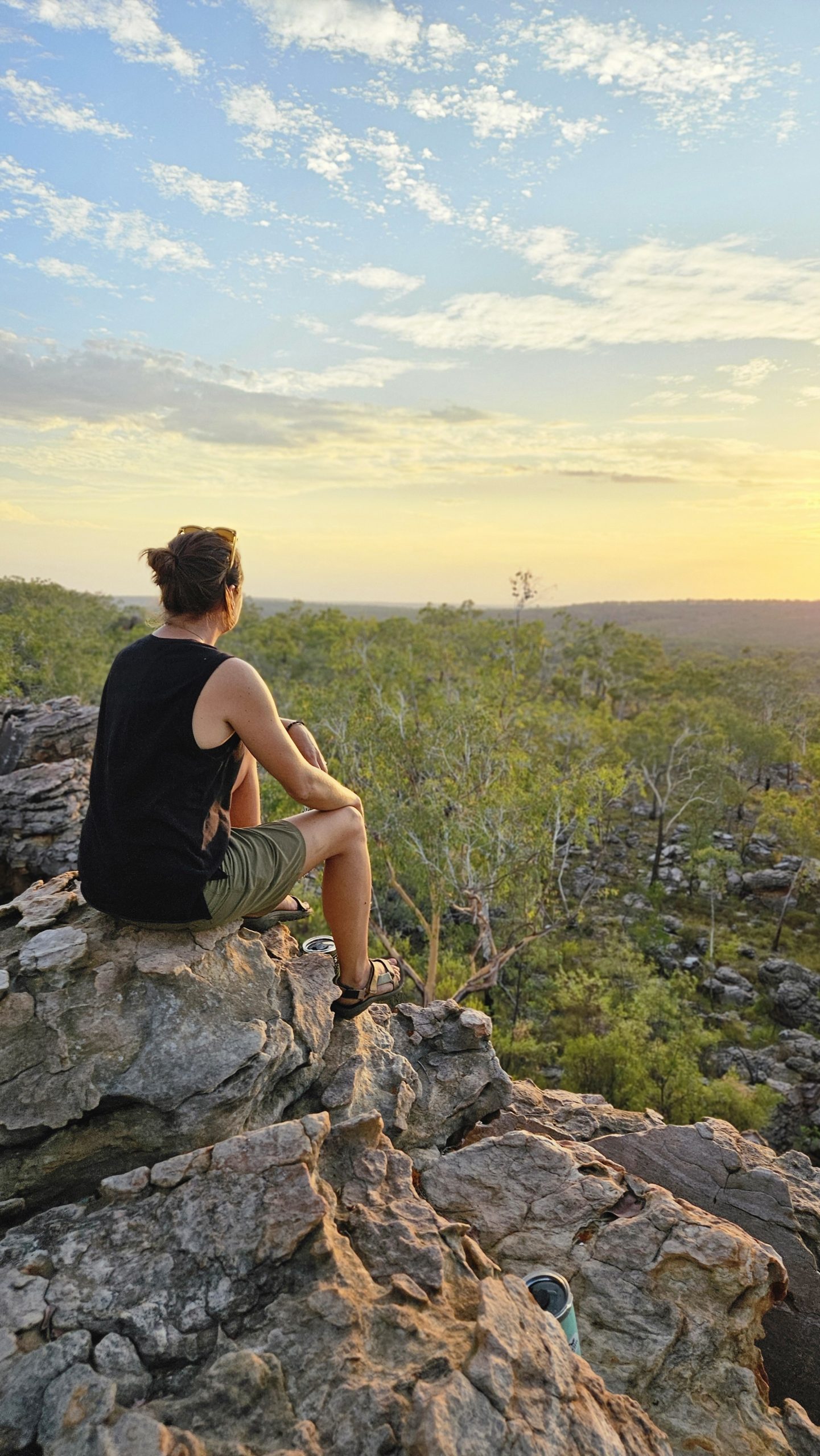
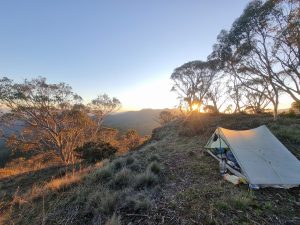
With just an hour of sunlight left, we reached the Southern Lost City, set up camp, and beelined to a ridge lookout for sunset.
The view stretched across other impressive rock formations and a seemingly endless sea of trees. It was spectacular.
As darkness fell, we returned to camp by torchlight and marvelled at a star-filled outback night sky.
We camped overnight at the foot of the Southern Lost City.
No bookings were required — payment was made via an honesty system, cash in an envelope.
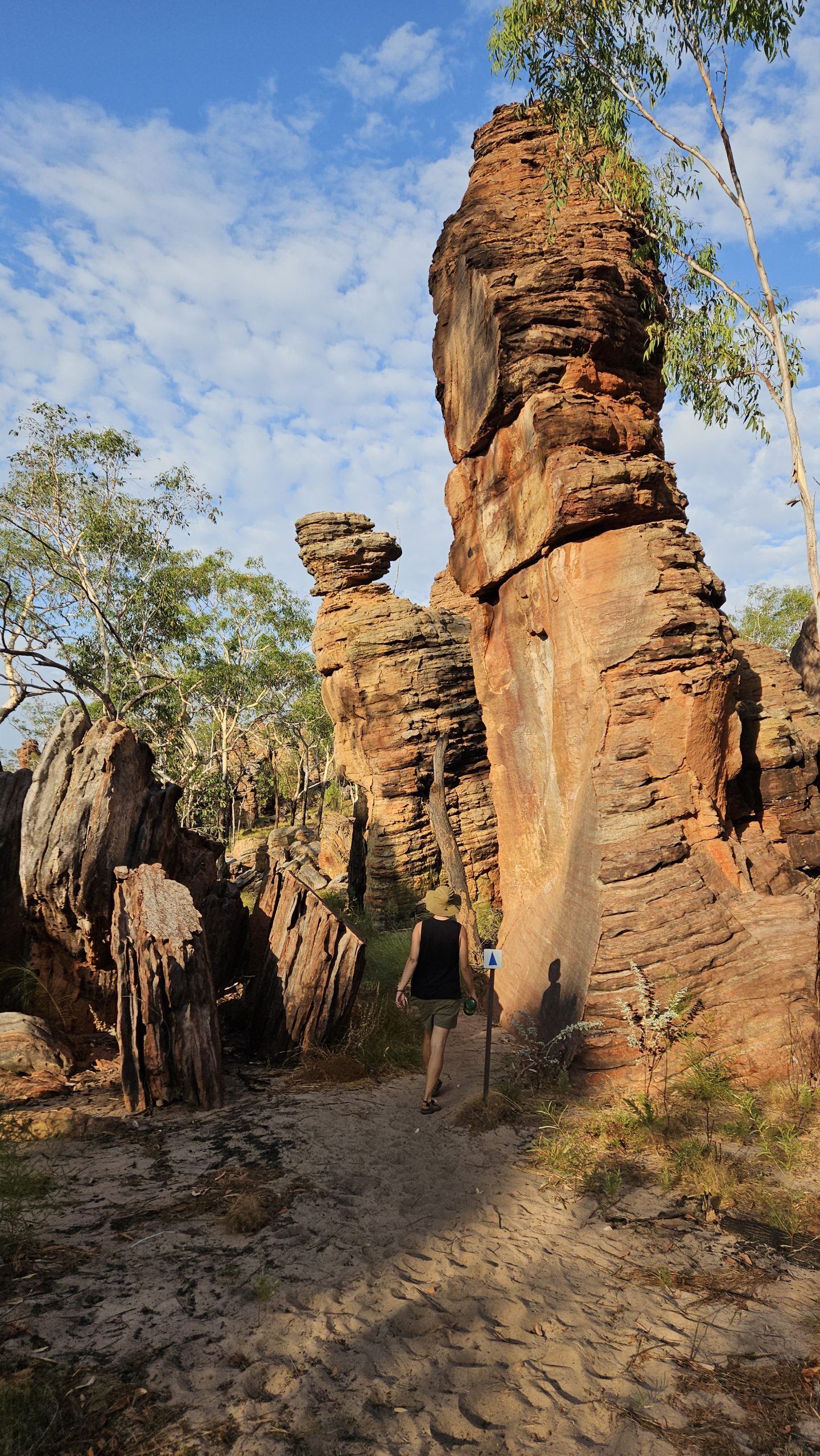
After a warm night, we rose early to beat the heat and tackle the 2.5 km loop trail through the Southern Lost City.
The towering sandstone spires leaned and twisted at gravity-defying angles, each one glowing fiery orange in the morning sun.
Walking among these ancient formations felt awe-inspiring. Every step revealed more strange shapes and towering columns that seemed to have stood untouched for millennia.
After a slow, curious walk, soaking up the scale and silence of the landscape, we returned to our vehicle. From there, we headed back to Heartbreak Hotel before continuing on to our next adventure — a rodeo — still carrying the memory of one of the Territory’s most remarkable hidden landscapes.

When travel savings run low, working on the road can keep the adventure rolling — and give you time to truly explore places like a local.

We road-tripped from Adelaide to Melbourne for $1 a day. Here’s how campervan car relocations work — and the catches.
Hard-earned tips for setting up your vanlife rig, choosing the right gear, and thriving on the road in Australia.
Developed and tested on some of Australia’s toughest trails and in extreme weather, these 15 hiking gear hacks will elevate your hiking experience.
Sign up to receive our latest travel stories, tips, tricks and destination guides.
We honour the ancient cultures of the First Nations peoples whose land we travel.
Copyright © Franky Roams | 2026 | All Rights Reserved