Vanlife budgeting 101: Spend less, live bigger

You can live the vanlife dream without breaking the bank — it’s all about a setup and travel style that works for you and some creative budgeting hacks.

Spend less, live large

Dreaming of vanlife or just getting started? Here are the most common questions we get asked about taking the plunge, and what it costs to live on the road.

Vanlife doesn’t have to break the bank. Fuel, food, campsites and maintenance all add up—but how much depends on your travel style.

There’s actually a fair chance you’ll spend less on the road than in your ‘regular life’. That’s absolutely  been the case for us.

The more you earn, the more you burn.

Do you need to be loaded or sell up to do vanlife?

Short answer: no.

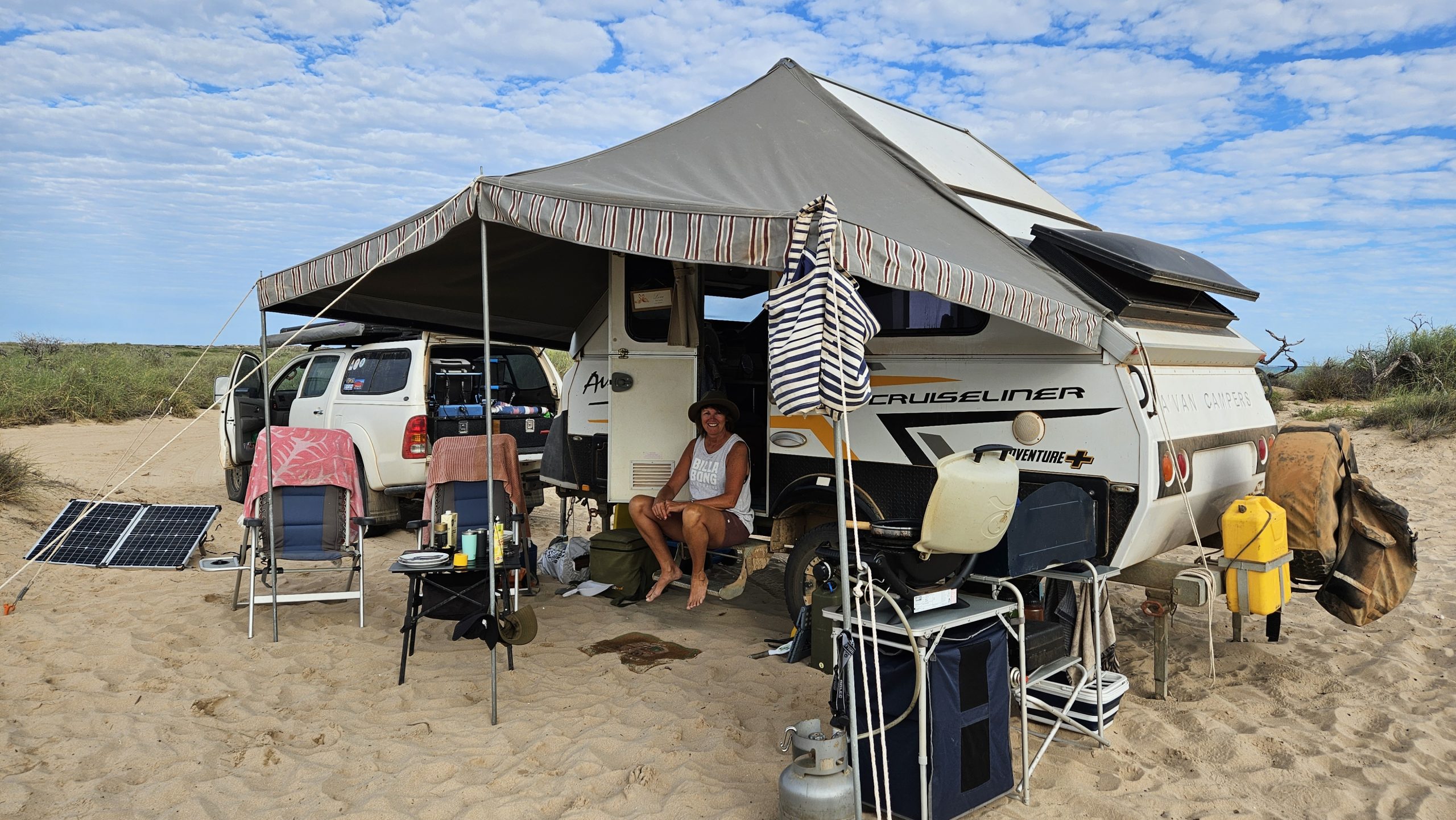
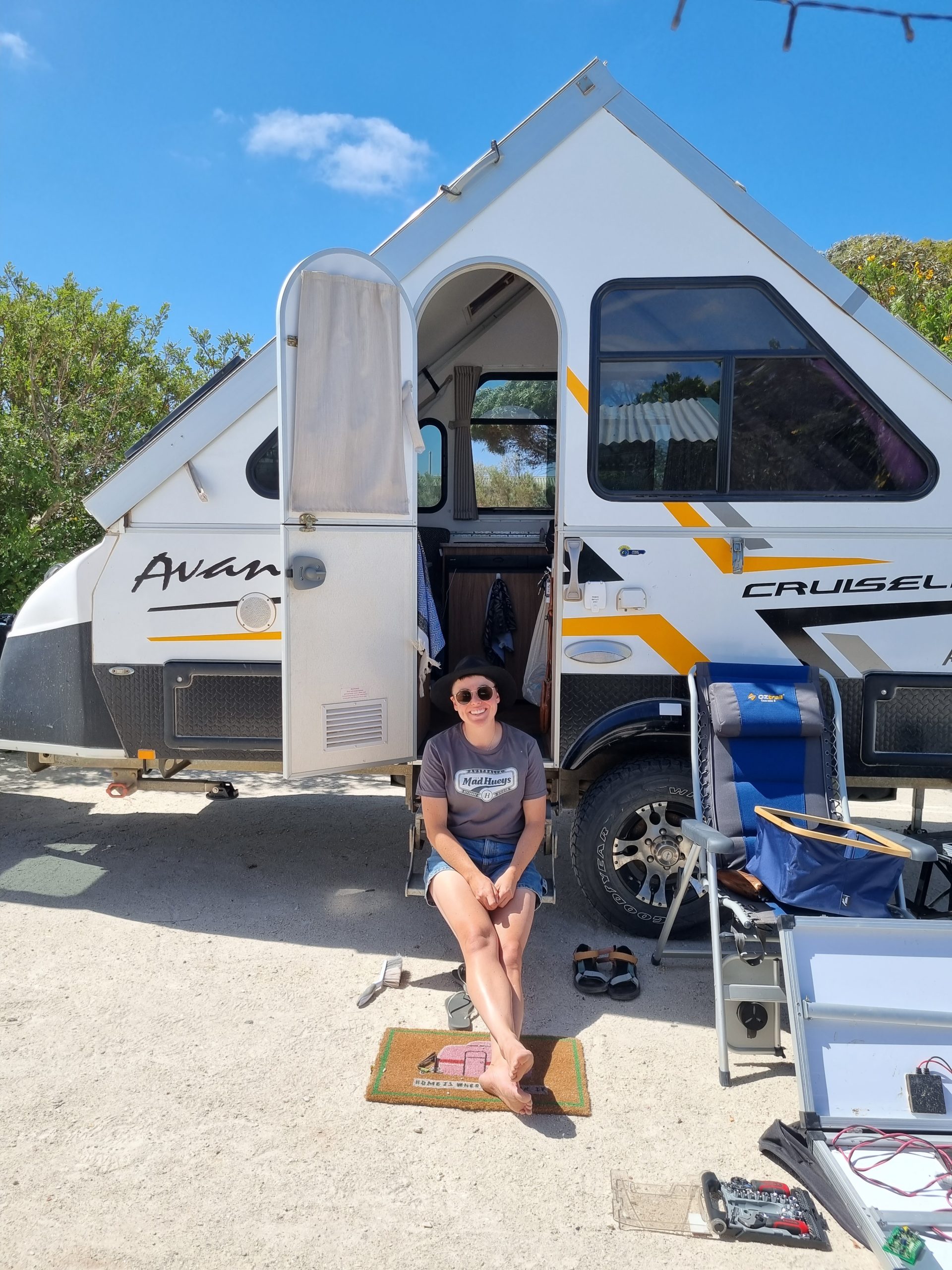
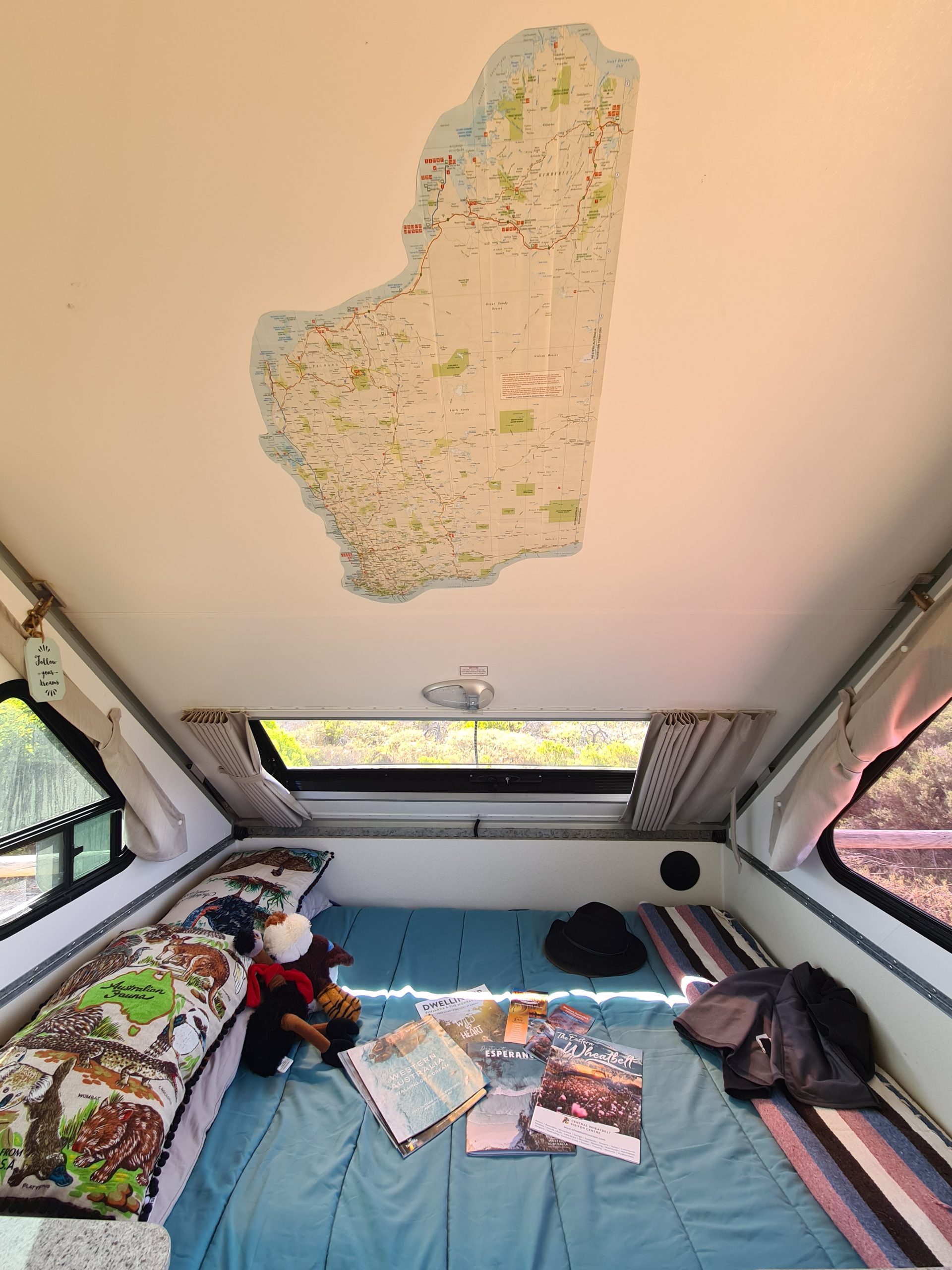
How much money you’ll need depends on the rig you want, the budget you’re comfortable living on, how fast you plan to travel (fuel costs), and whether you’re up for working along the way. In the years before hitting the road, we bought a second-hand 4WD ($19.5k) and pop-top caravan ($32k), and saved up $52k to see us through 12+ months without working. When we decided to turn our long-awaited gap year into full-time travel (and the coffers were getting low), we picked up our first work stint, saved up $20k over 3 months, and kept moving. It’s a pattern we repeat now.

The takeaway? You don’t need to sell everything you own or win the Lotto — you just need a setup and travel style that works for you.

How much do you spend each week?

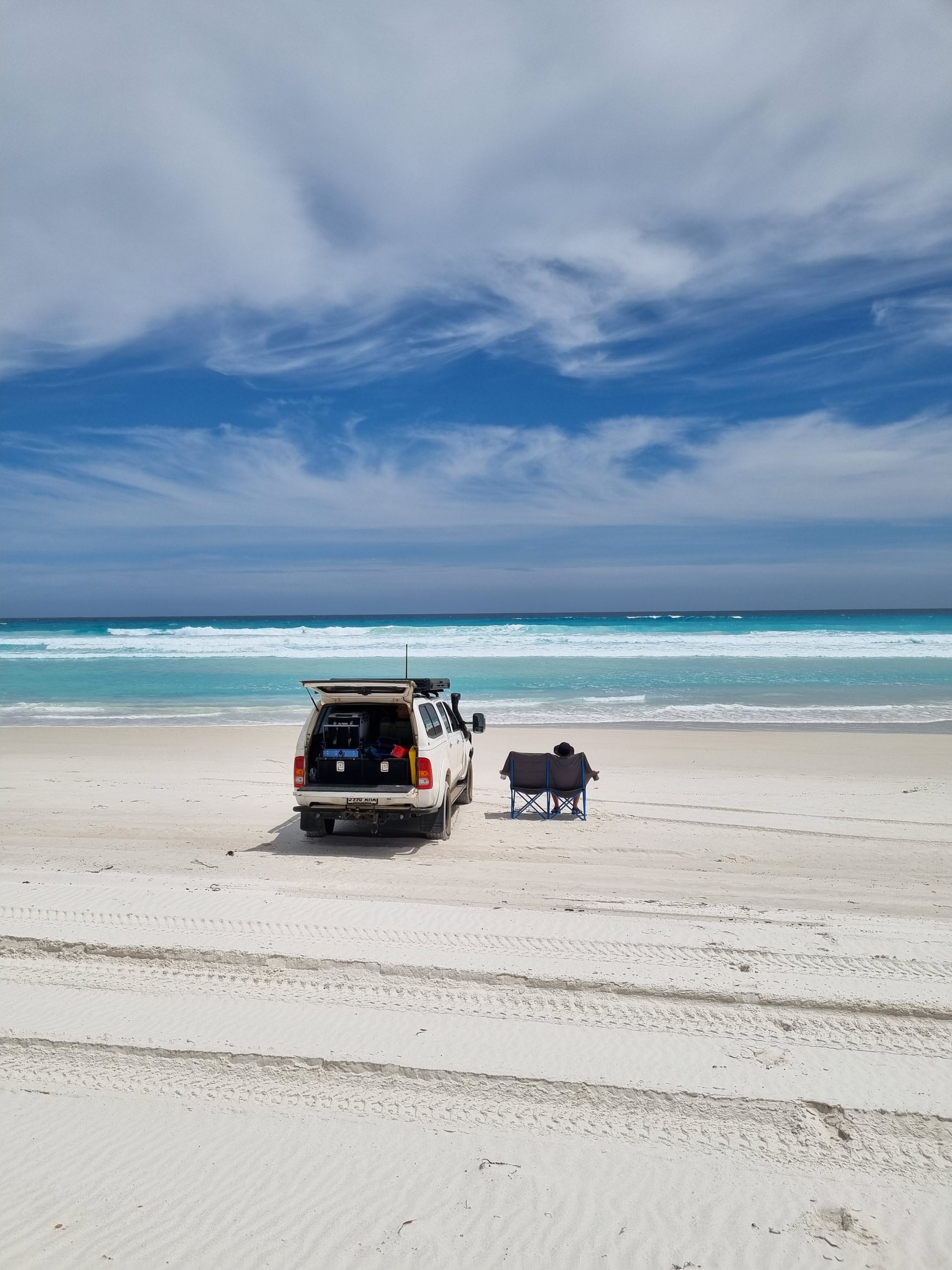
It depends on where we are — city or outback — how far and how fast we’re travelling, and what adventures or activities we’re chasing. Generally speaking, if we’re living large (think big-ticket attractions, city stays, or long driving days and higher fuel costs), we can spend up to $1,000 a week (but that’s a rarity). On the flip side, if we’re beach camping, travelling slow or spending time off-grid in the outback, our weekly spend can drop to just a few hundred dollars. Our sweet spot sits around $500–$600 per week. If we have a big spend one week, we’ll try to balance it out by going off-grid the next.

What does your weekly budget look like?

Our spending varies slightly from week to week, but as a general guide we aim for:

  • $170on food
  • $100on entertainment (eating out, booze + tourist activities)
  • $50 on bills
  • $40 on phone credit
  • $100 on fuel
  • $40 on campsite or site fees


Total: $500 per week

This balance works for us when we’re travelling slowly, using mostly free camps (with the occasional paid stay), and aren’t buying from a small country store.

Have you ever run out of money?

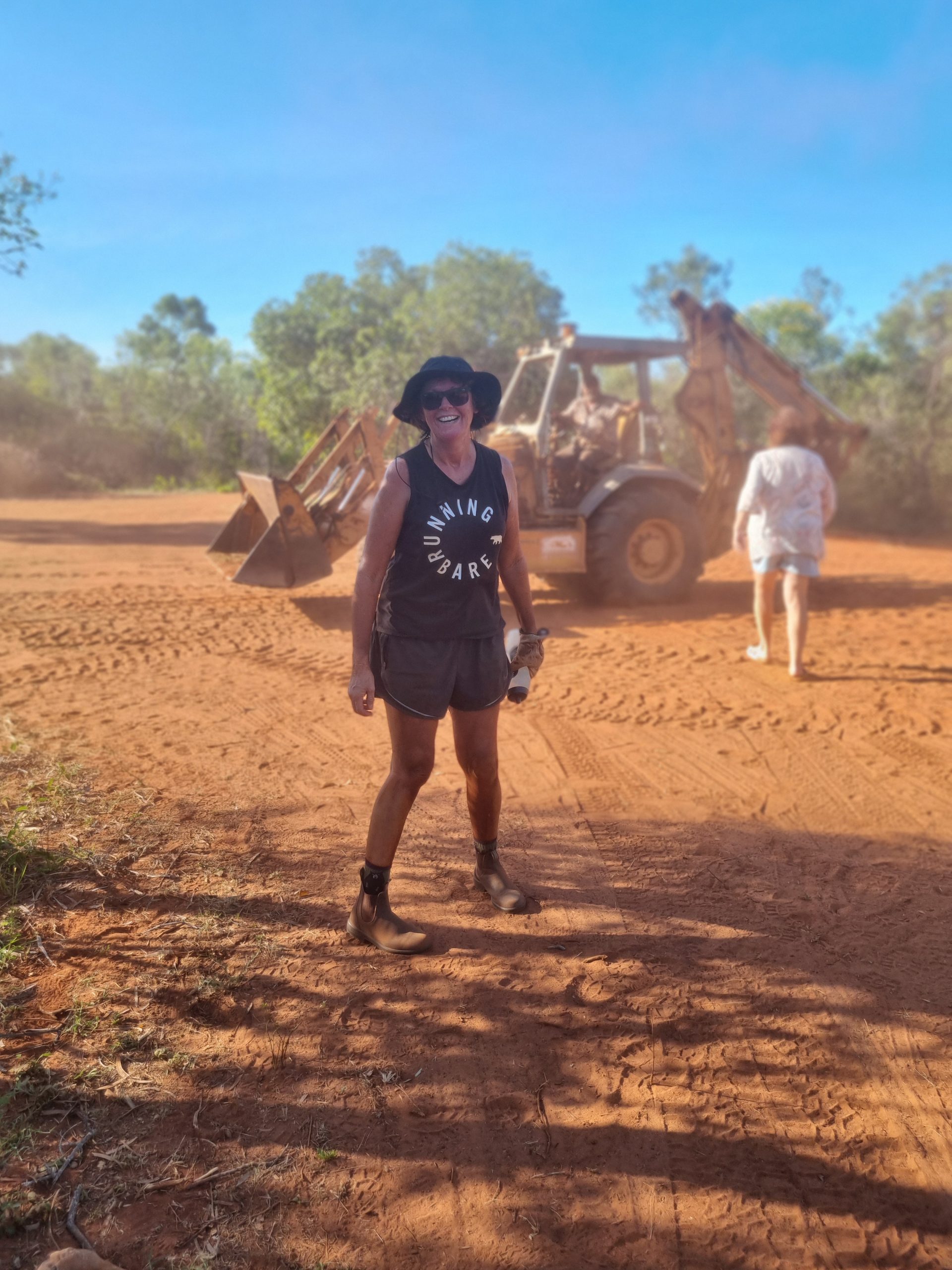
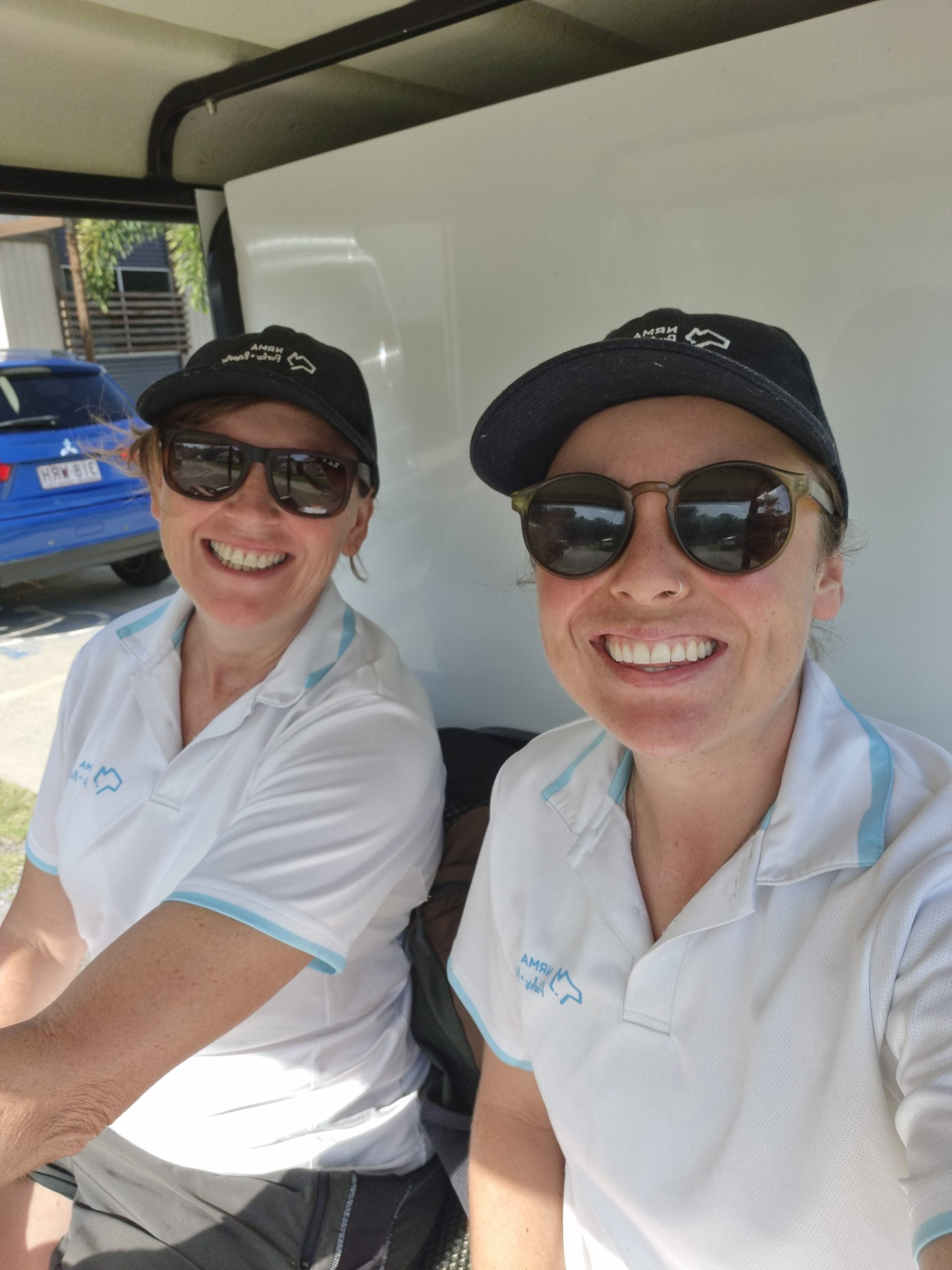
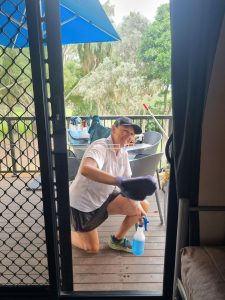
No — thankfully not. We’re lucky to have a bit of rental income ticking along in the background, which gives us a safety net and covers our mortgage. That said, we’re pretty mindful of our cash and don’t like letting our savings drop below about $5,000. When it gets close, we find a job, roll up our sleeves, and get stuck in. Our last road-life gig was a three-month stint as housekeepers at a stunning seaside caravan park. We worked hard, saved around $20,000 between us, and that set us up for another nine months of travel.

How do you find work on the road?

There are plenty of jobs on the road if you’re willing to give things a crack — most need little (or no) experience, just a good attitude. We’ve worked as station hands and housekeepers, and both came about pretty organically. We found our housekeeping job on the Caravan Park Industry Jobs Facebook group, and landed our station hand gig through a quick chat with the owner while checking in. Sometimes, it really is that easy.

Have any tips or tricks for making ends meet on the road?

Camps: Cheap & cheerful
We rarely stay at caravan parks, opting instead for free or low-cost sites listed on the WikiCamps app. These are usually council-run, bush, or beach camps — occasionally next to a pub. We head to a caravan parks once a week or fortnight, mainly for a big load of washing and a long shower.

Groceries: Stealth shopping
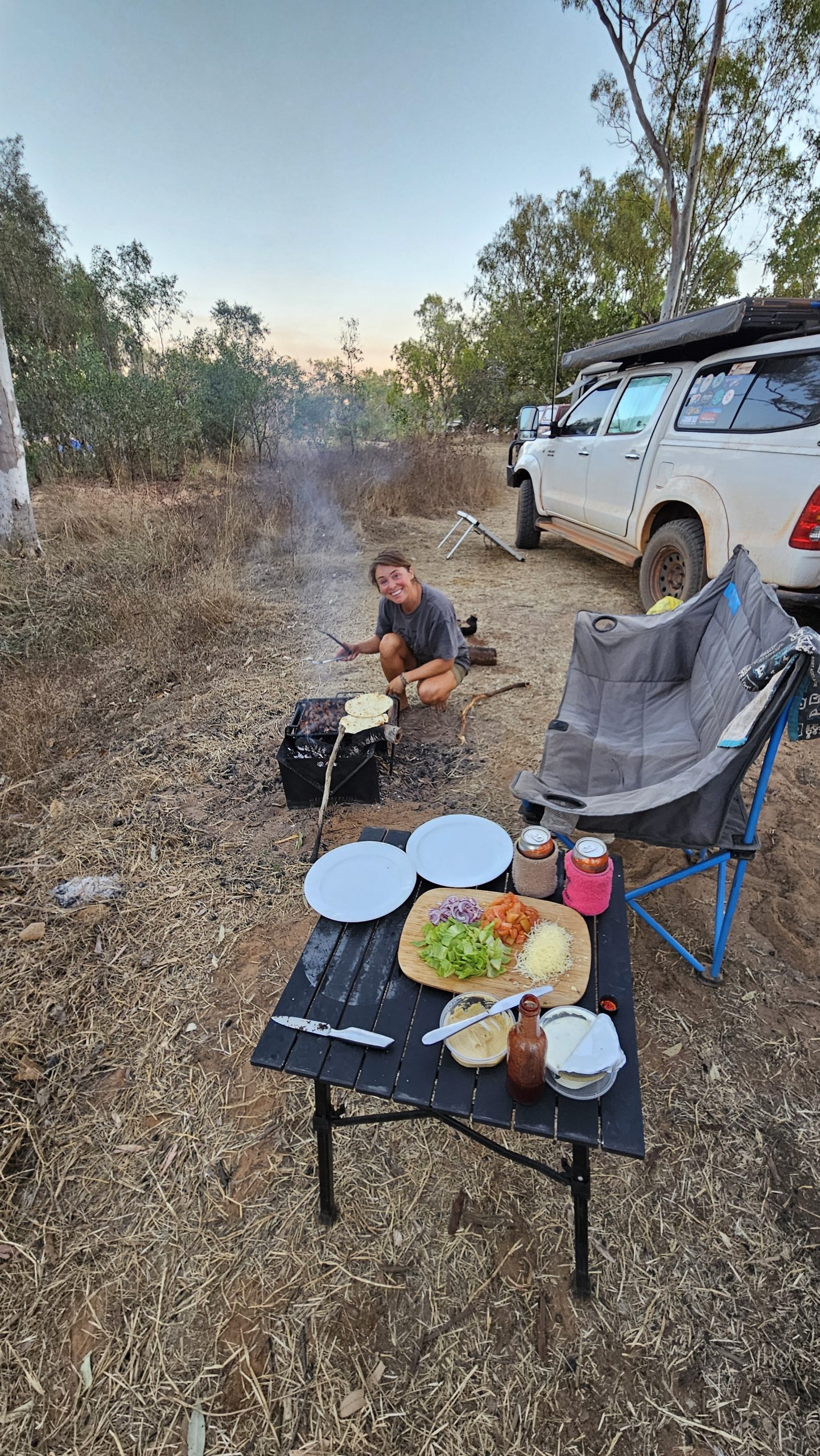
If we’re near (or passing by) a Coles or Woolworths, we place an online click-and-collect order. It’s the easiest way to stick to our $150 weekly grocery budget. If heading out bush, we stock up on pantry staples to avoid buying for expensive general stores.

Fuel: Slow and Savvy
We use apps like Fuel Spy to find the cheapest diesel and make the most of our RAA and Rewards memberships for discounts. We also try not to smash out the kms — it’s all about slow travel. Why rush anyway?

Clothes and more: Thrifty finds
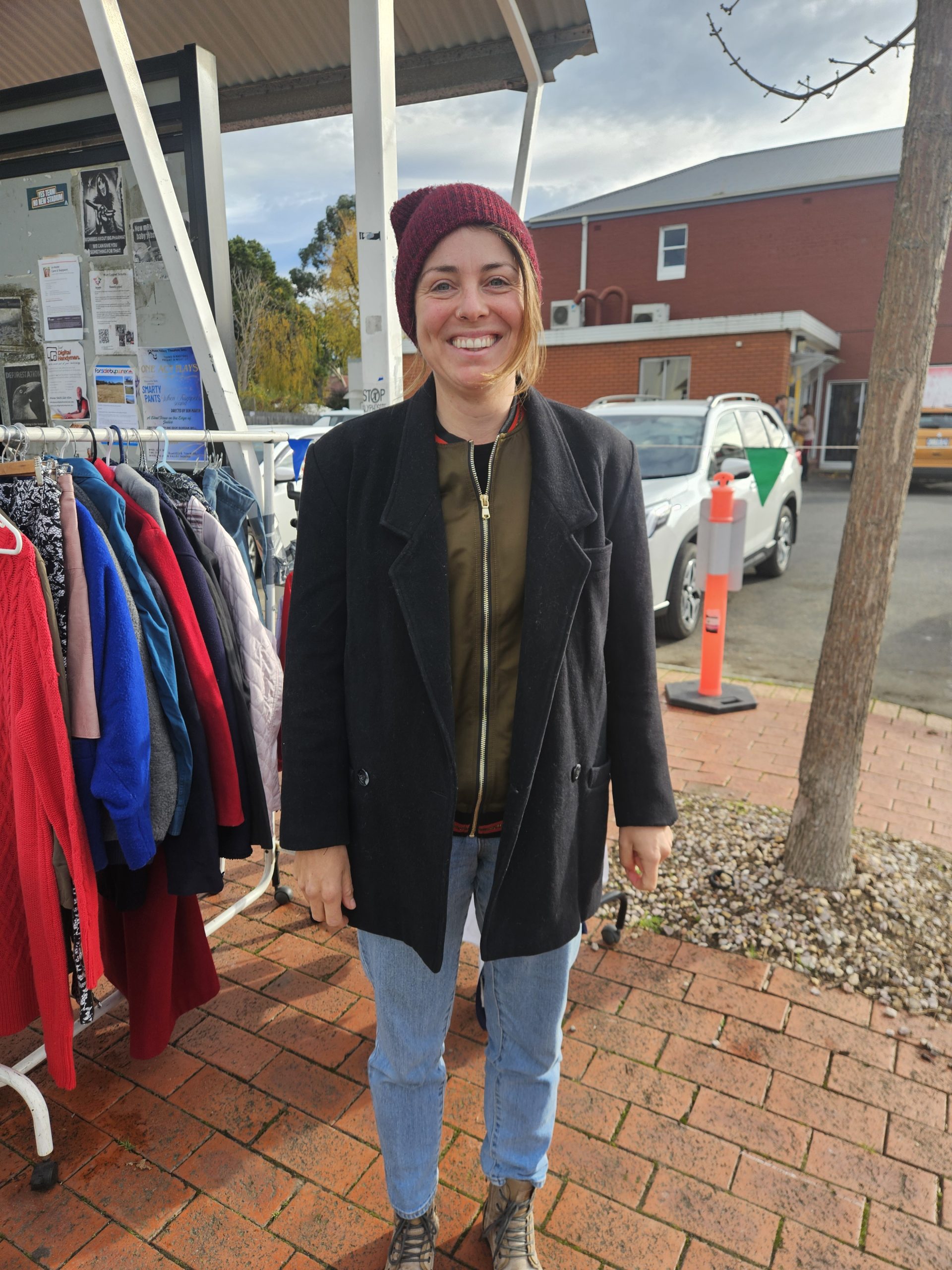
Basically anything we need — clothes, books, or other ‘household’ essentials — comes from op shops (and occasionally Marketplace and Kmart).

Beauty: Hair hacks
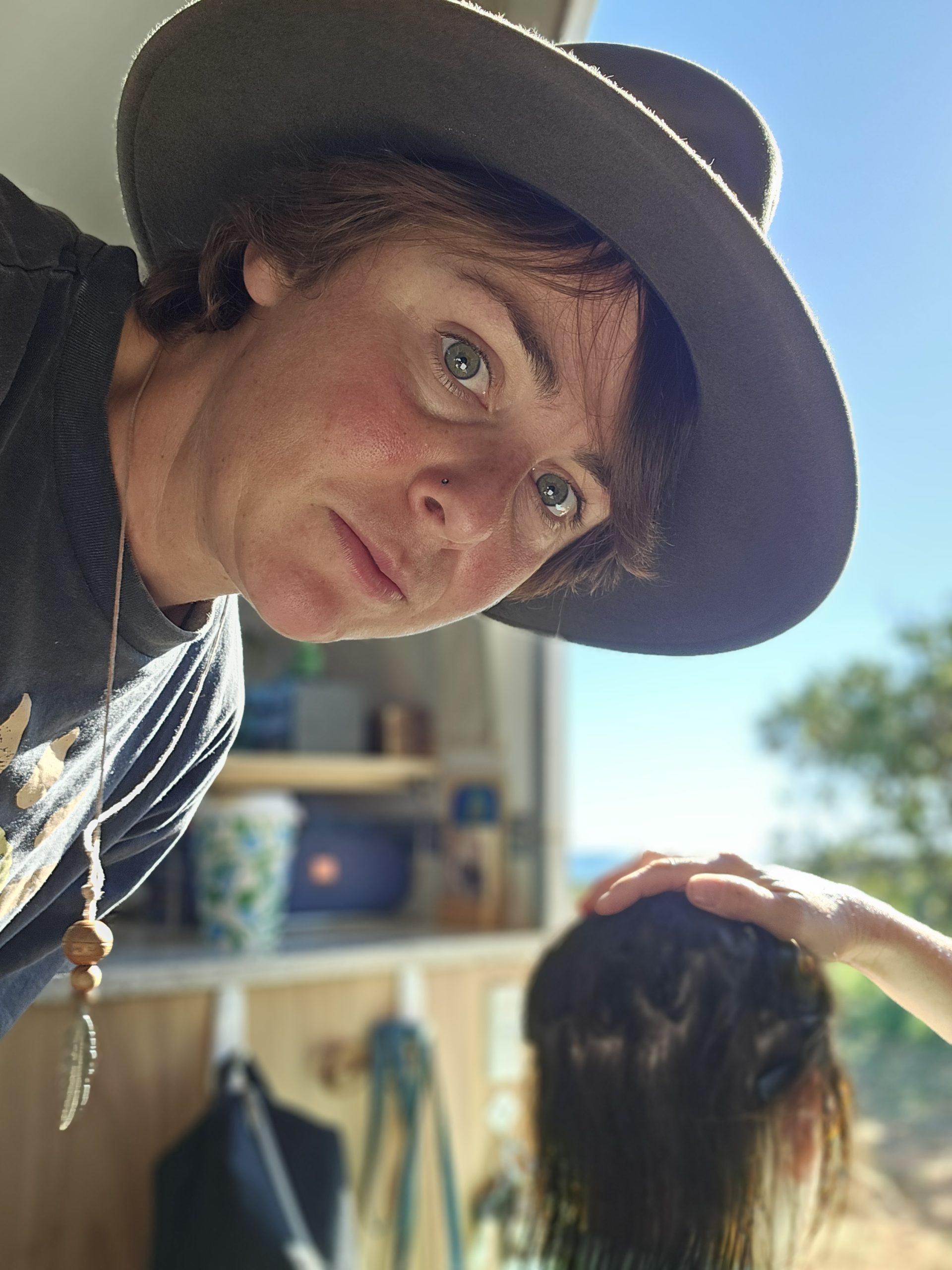
Haircuts are few and far between (basically annual). We book into local TAFE for a $10 trim, or do a home job (eek), and rarely wear makeup or hair products.

Dining out: Cheap & cheerful
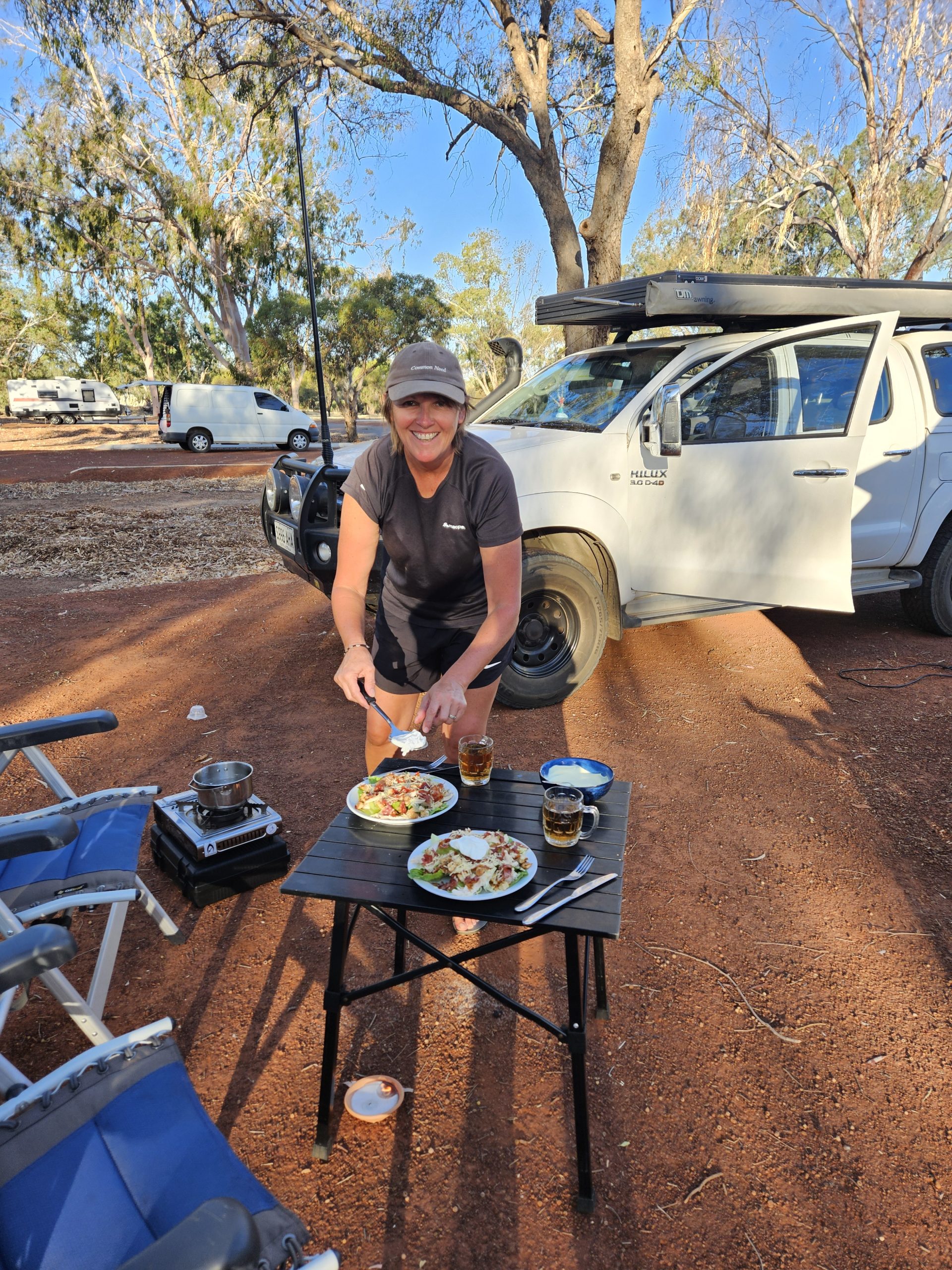
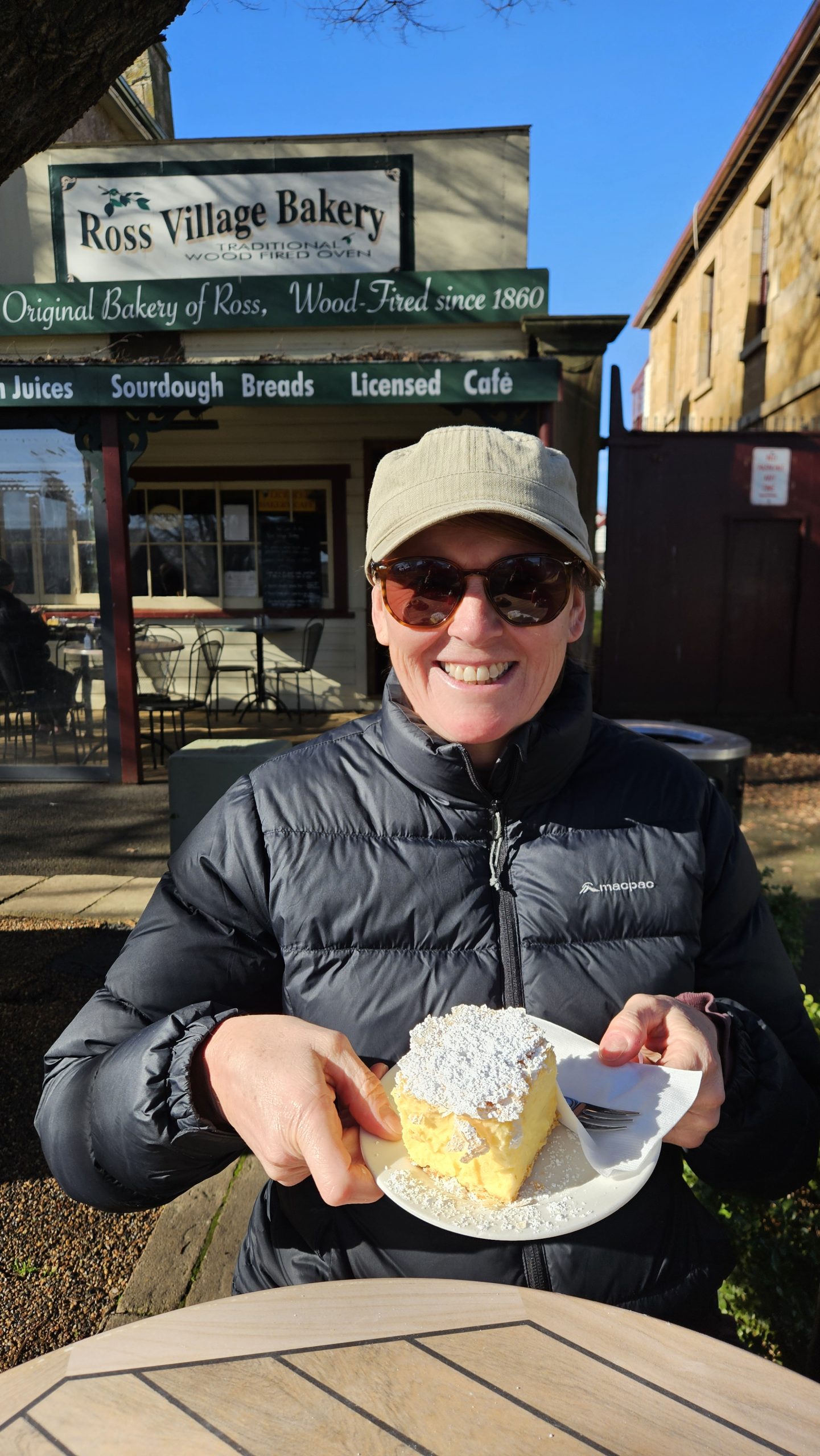
We hunt down local dining deals and happy hours on social media (or by calling the local pub). If no deals, we opt for something cheap and cheerful (pizza to share and a house wine, or a bowl of chips and a beer). We also enjoy a bakery lunch stop — cheap and satisfying, and opt for happy hour on the beach, instead of at the bar.

Phone: Prepaid, not overpaid
We use Aldi pre-paid plans ($35/month), switching to Telstra if we’re in the outback. We usually top up one phone at a time since we’re never far apart.

Internet: Basic bitch
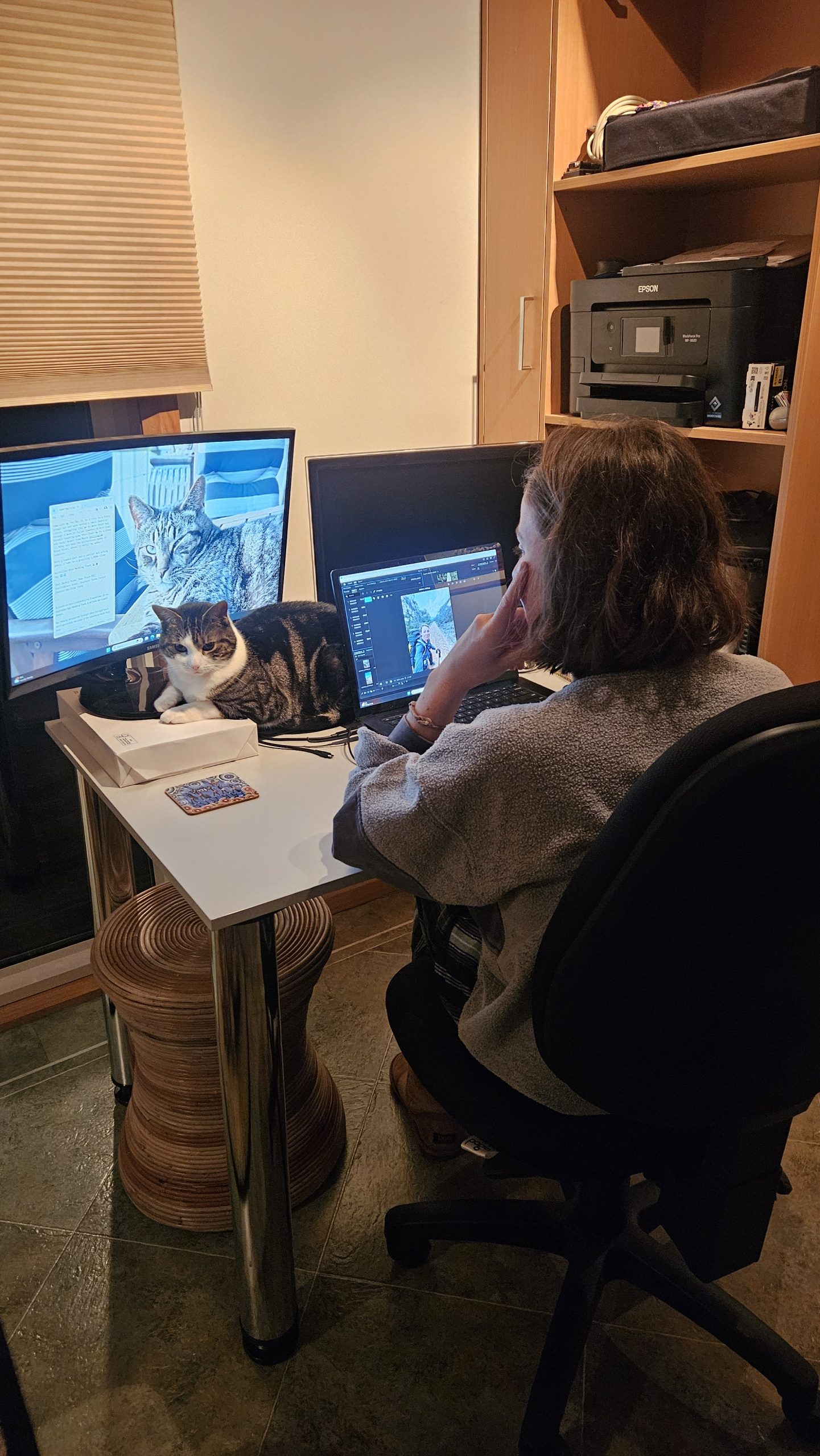
No Starlink here. We rely on mobile data and free WiFi from cafes, libraries, caravan parks, pubs, and even Macca’s. We download content to watch offline and stick to one streaming plan at a time. We also make the most of house sit internet services.

Repairs: Give it a crack
We try to repair just about anything ourselves before getting a professional in. We’ve been honing our 12v skills —soldering, making leads, and troubleshooting—so we can tackle most issues on the spot.Scouting out cash tradies at campsites has also been a winner.

Coffee: Caravan caffeine
We invested in both a cold brew coffee pot and AeroPress Coffee Maker to brew our own lattes, saving cafe stops as an occasional treat. We’ve also given instant coffee a good nudge.

House sitting: Affordable accom
We hunt down house sits when in the city to save on higher caravan park costs — plus, we get to hang out with beautiful fur babies. Occasional sits come from local Facebook groups, but Aussie House Sitters is our go-to (totally worth the small annual fee).

Insurance: Not set and forget
When our plans come up for renewal, we compare providers and negotiate where possible to get the best deal (they often lift fees considerably for year two). We also try to pay annually.

Share:

More posts

Want to roam with us?

Sign up to receive our latest travel stories, tips, tricks and destination guides.

Want to roam with us?

Sign up to receive our latest travel stories, tips, tricks and destination guides.

We honour the ancient cultures of the First Nations peoples whose land we travel.

Copyright © Franky Roams | 2026 | All Rights Reserved