Hiking the Cape to Cape Track: 7 days of coastal magic

Swapping vanlife for hiking boots, we tackled WA’s 135km Cape to Cape Track—seven days of wild coastline, beach towns, forests and pure southwest magic.

Chasing coastal magic: A hiker’s guide to this spectacular southwest track

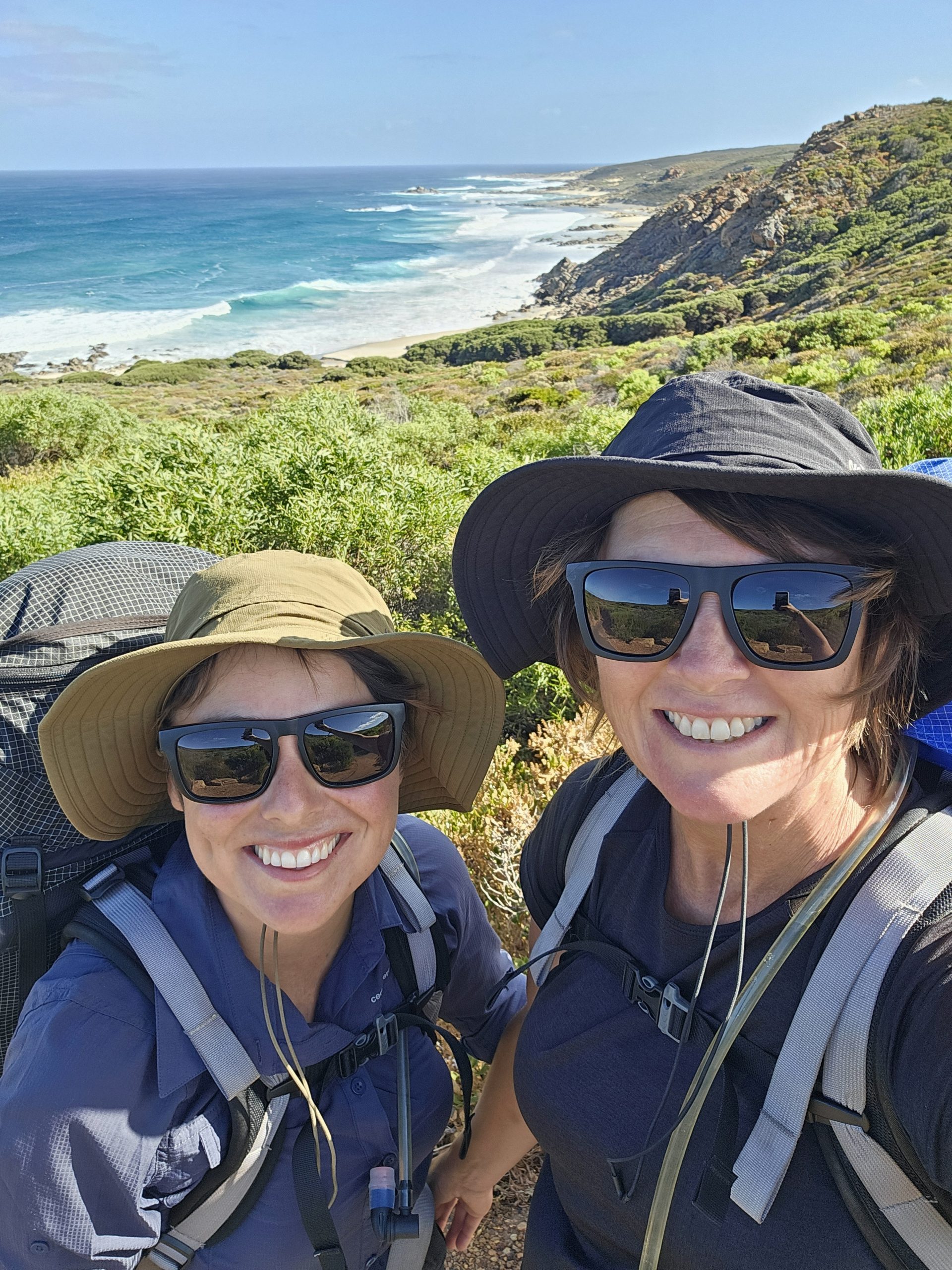
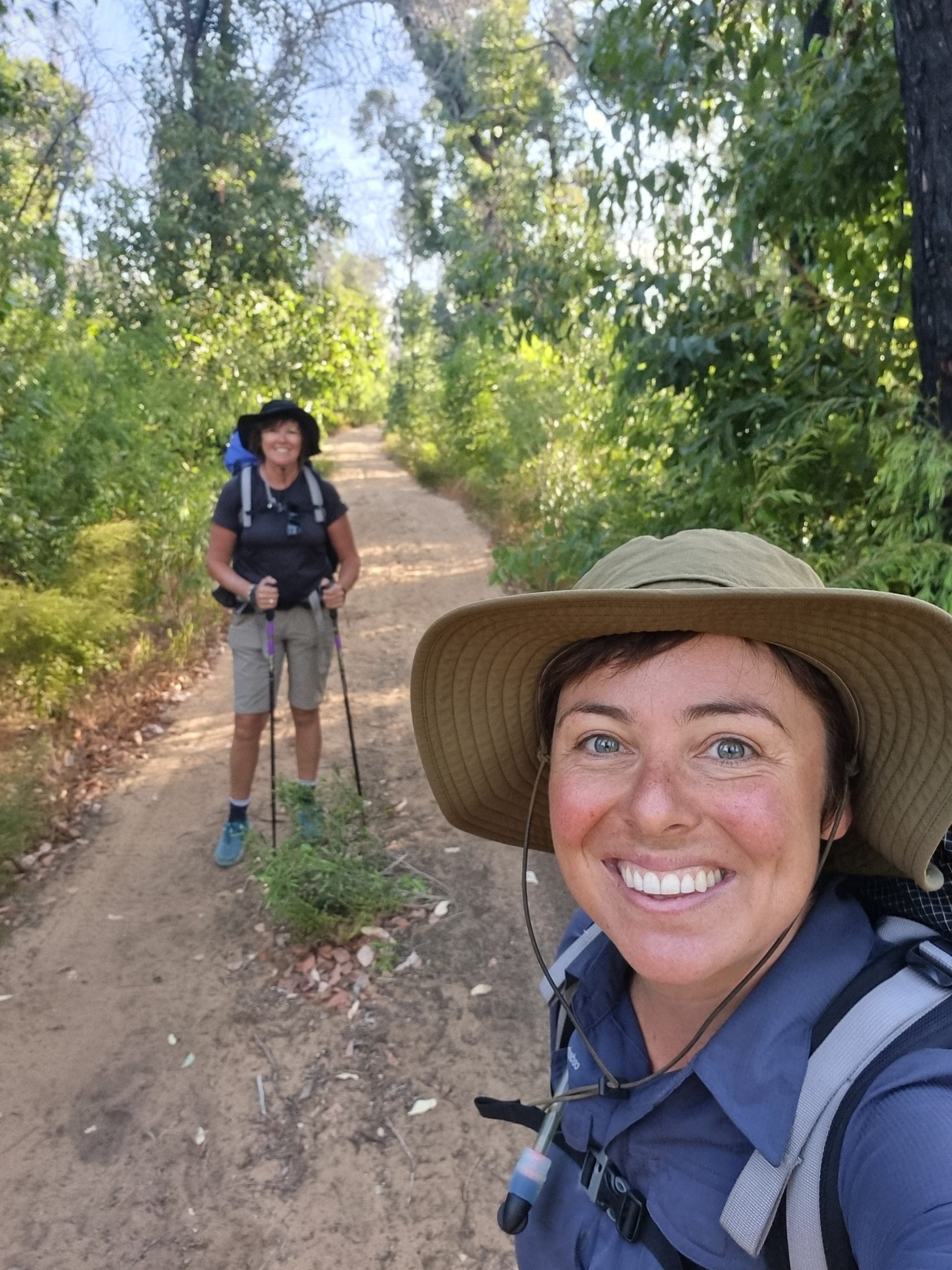
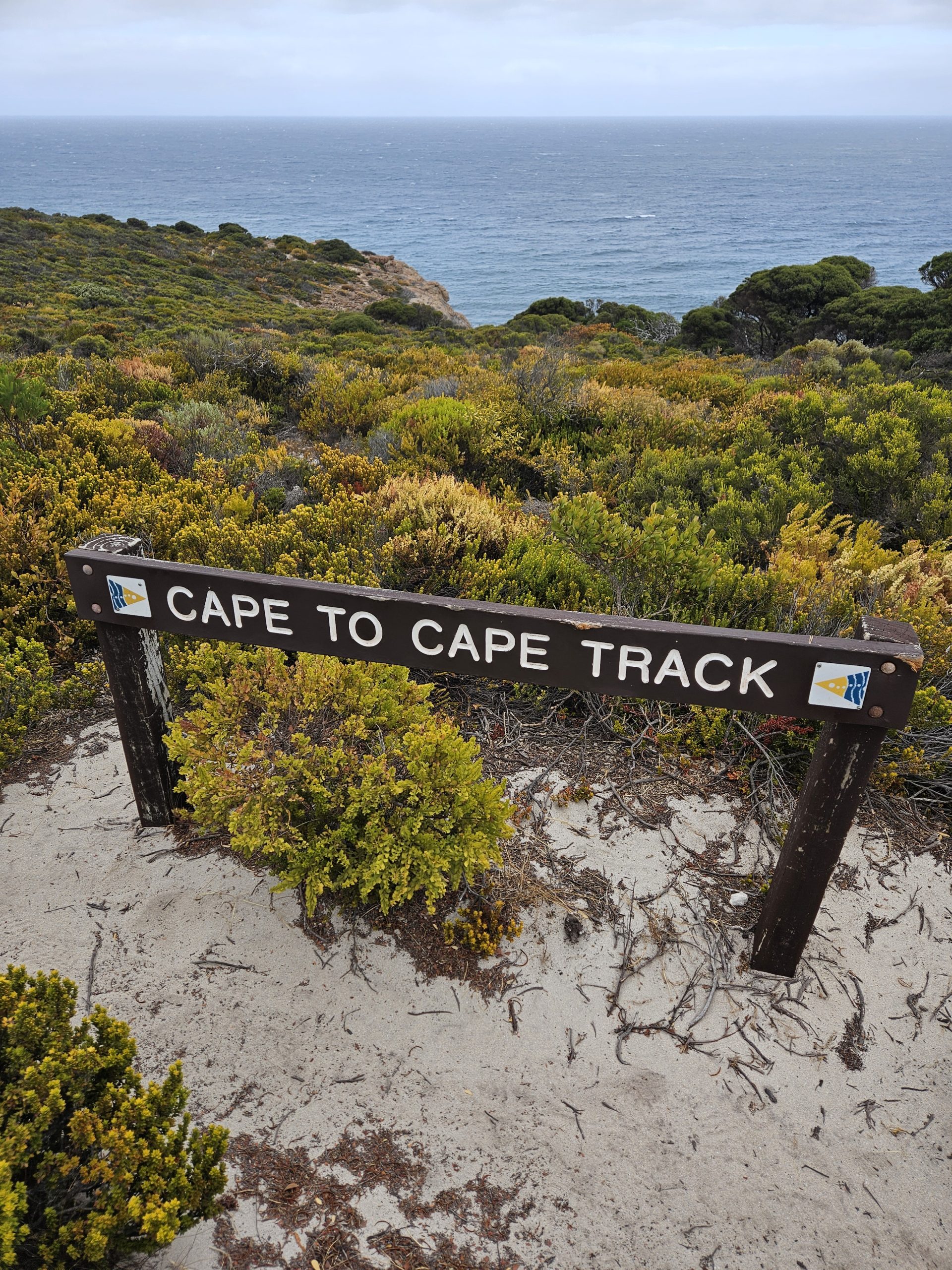
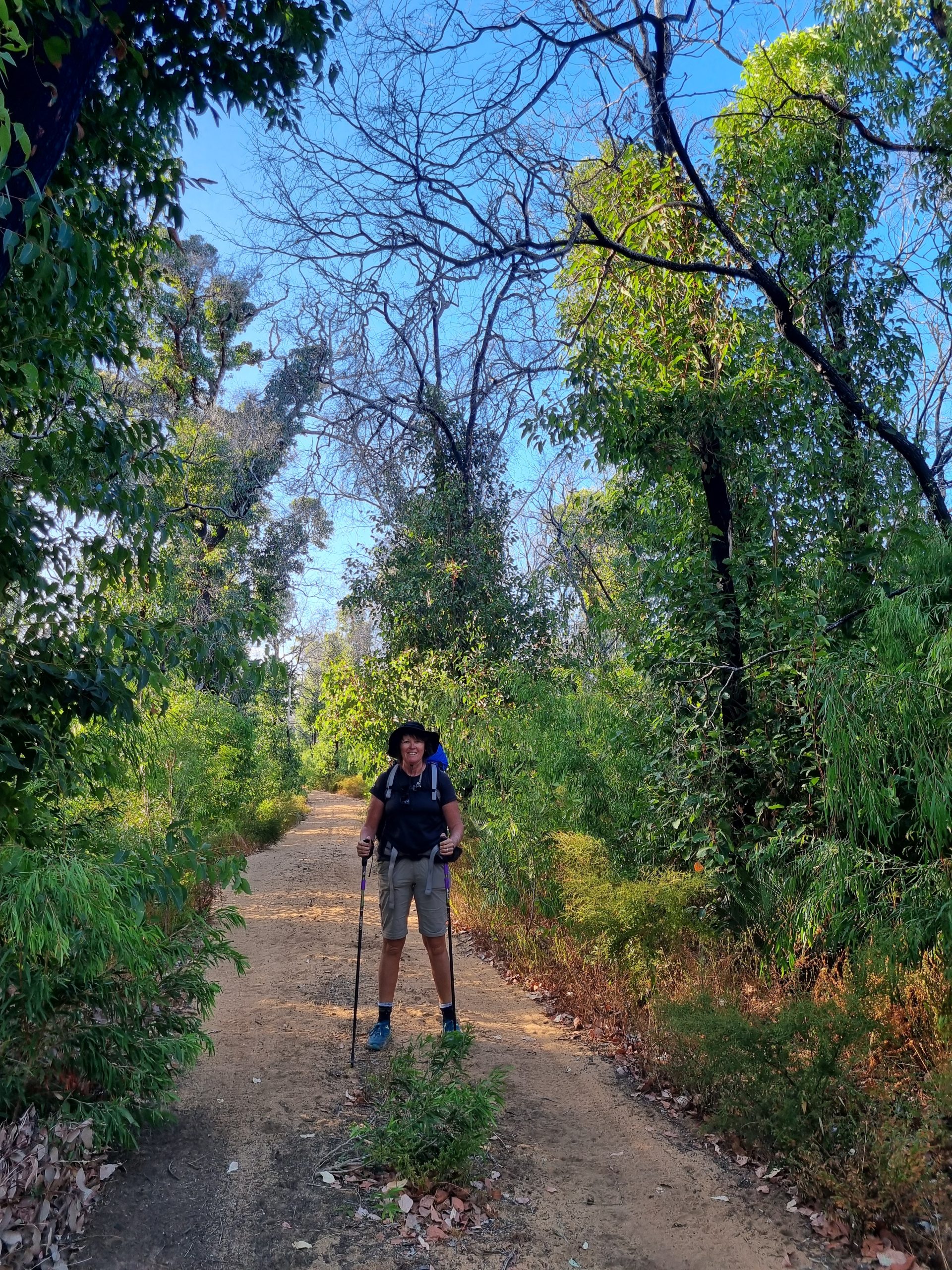
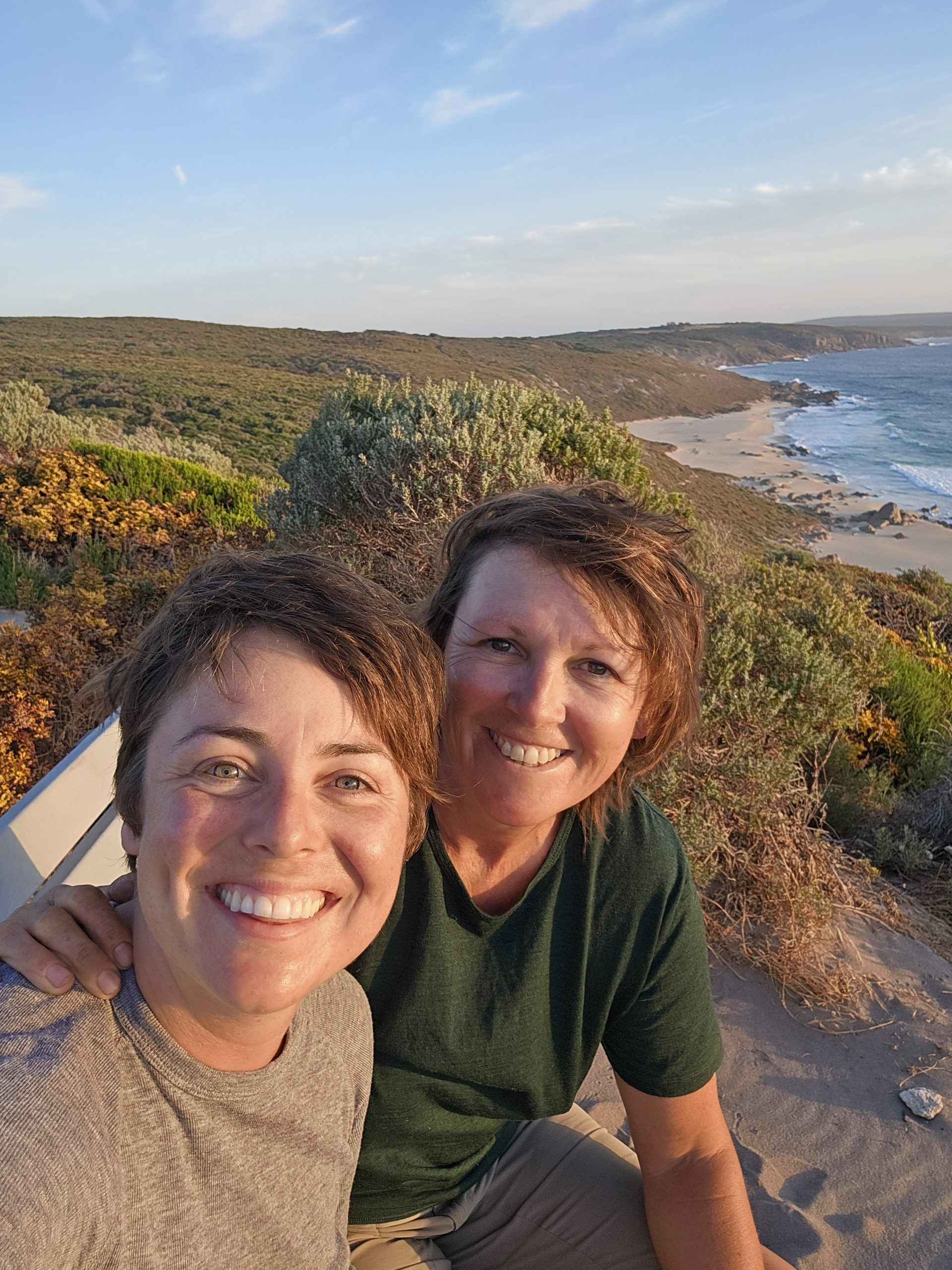
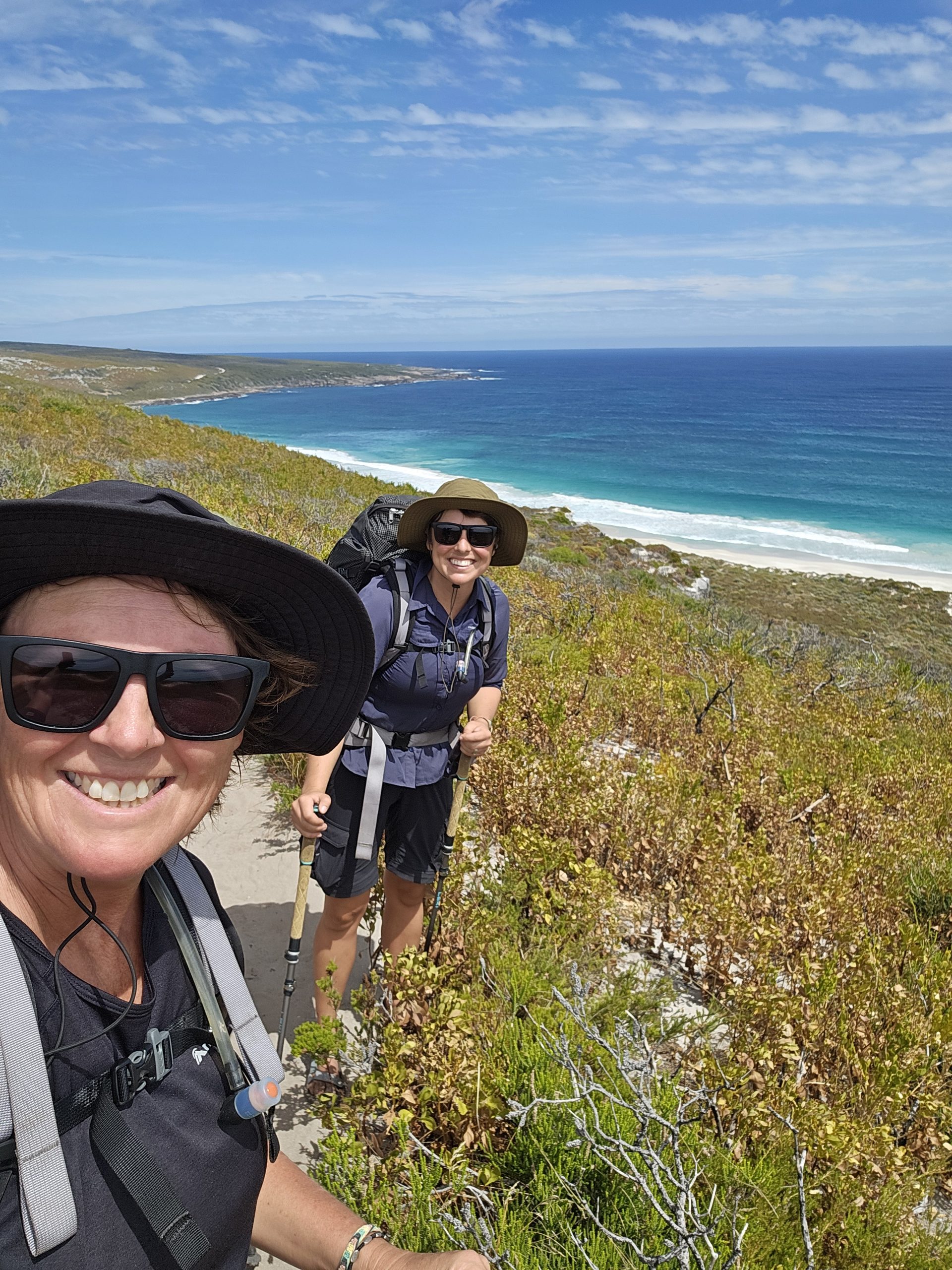
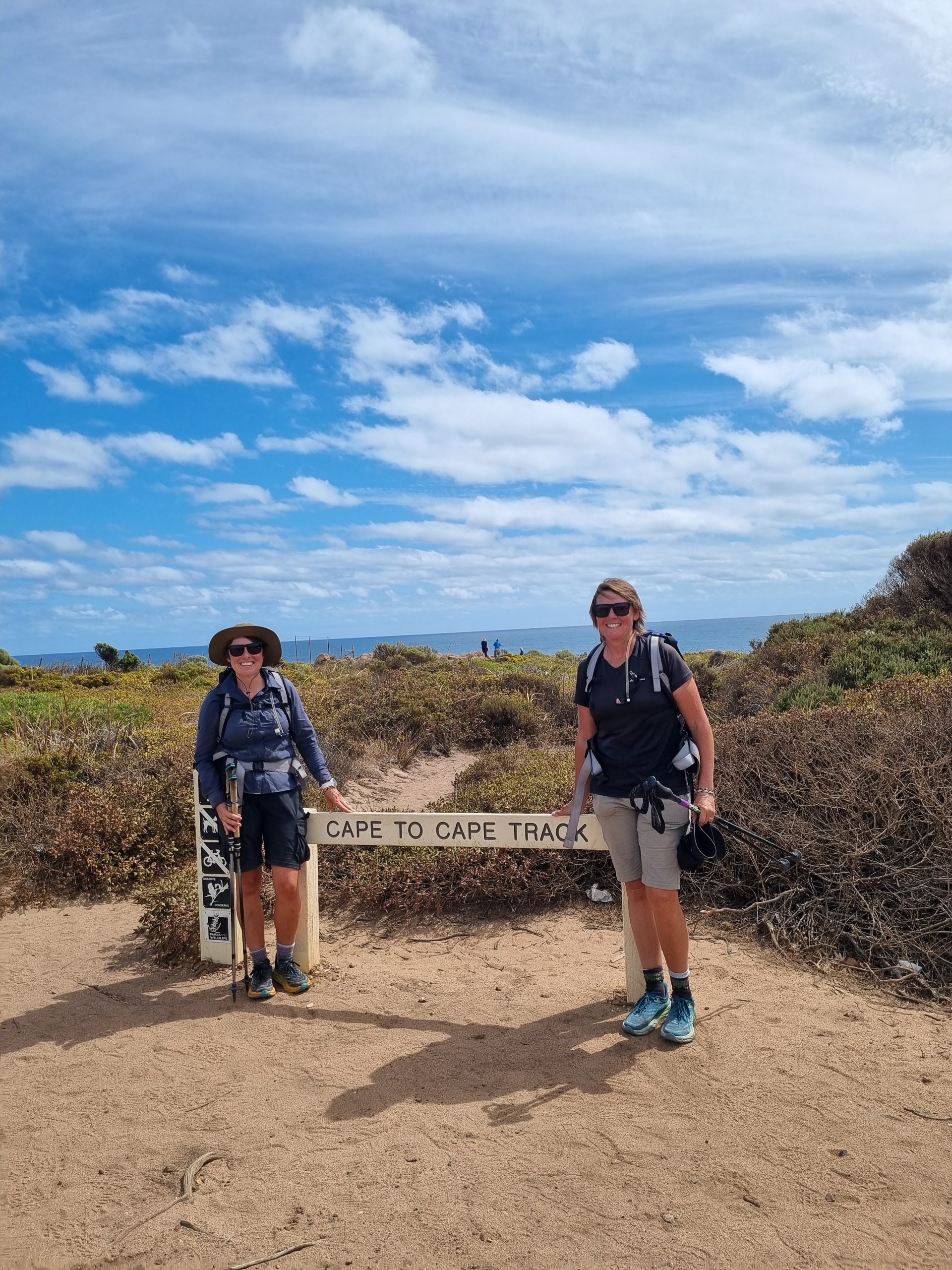
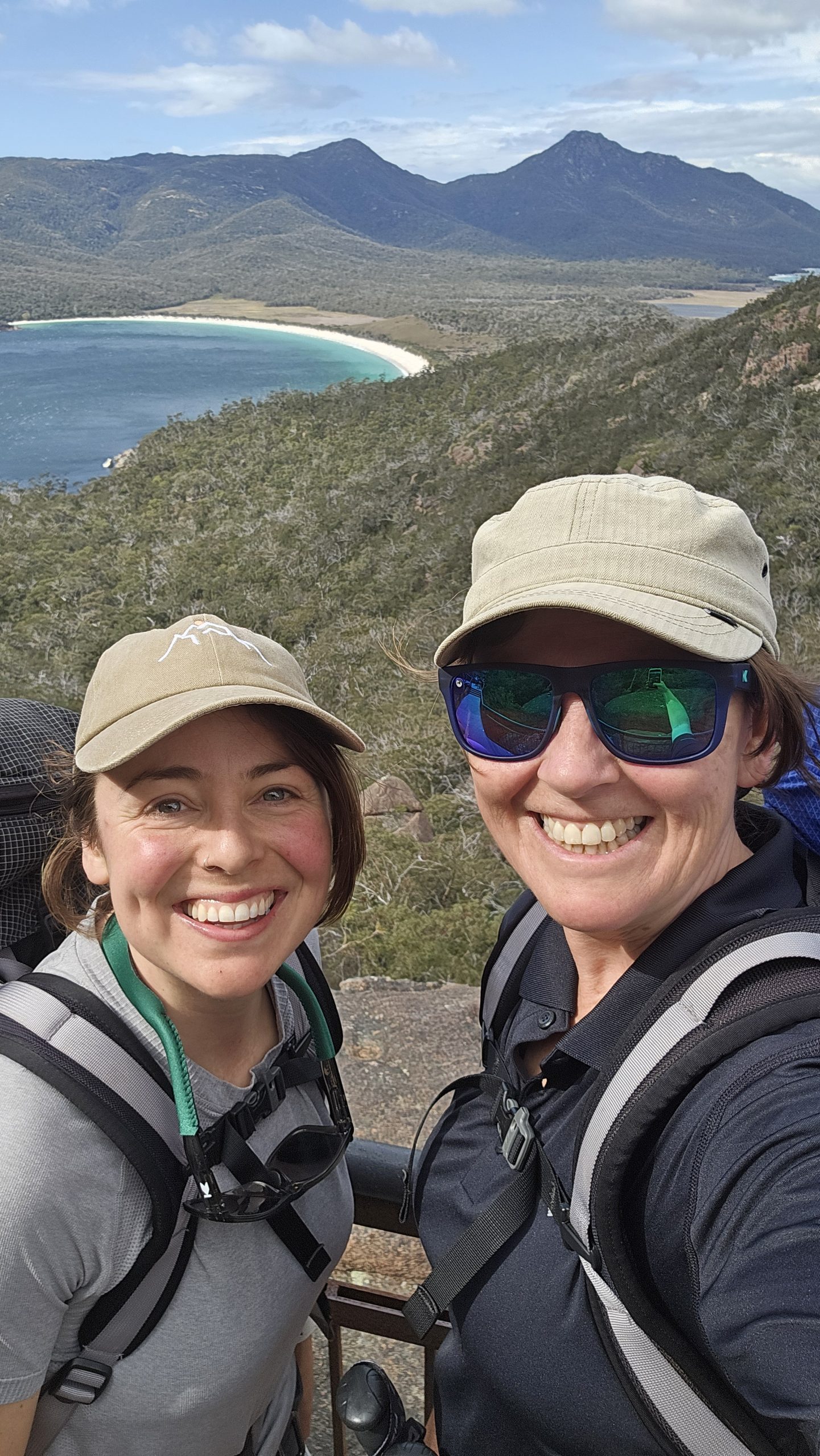
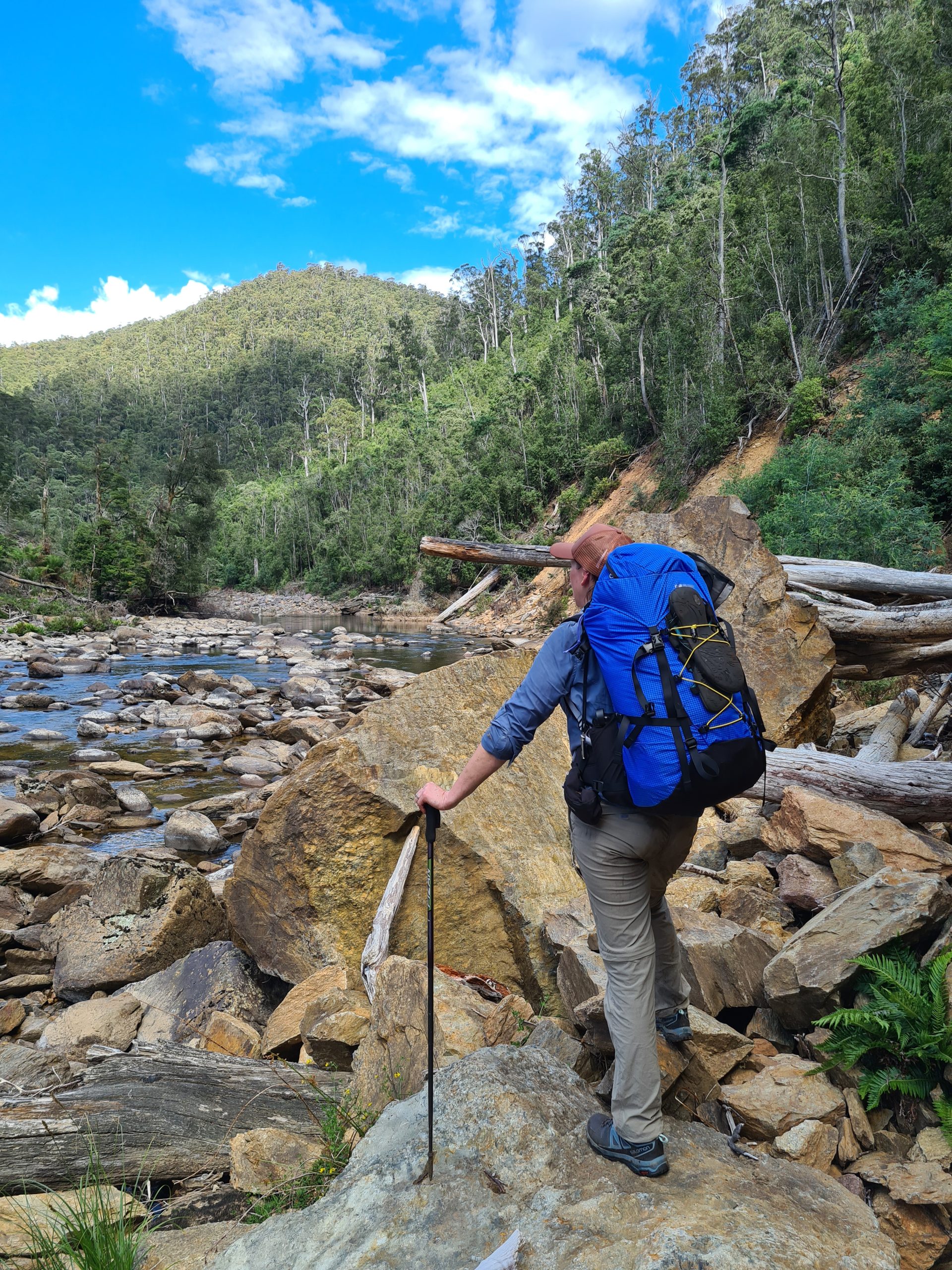
In March 2024, we swapped our van for hiking boots and tackled the 135km Cape to Cape Track in Western Australia’s Margaret River region.

Over six nights and seven days, we hiked from Cape Naturaliste in the north to Cape Leeuwin in the south, carrying everything we needed on our backs.

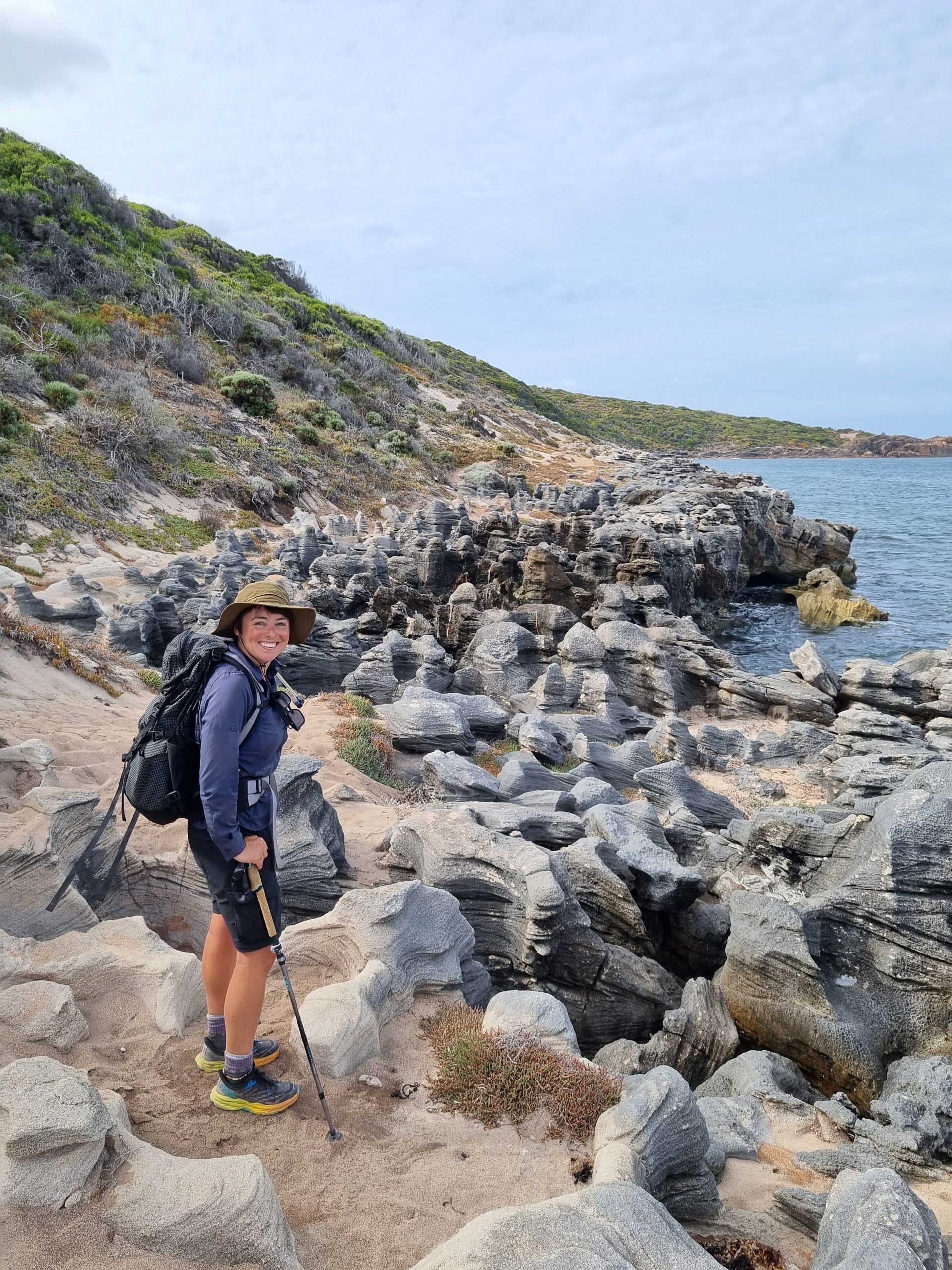
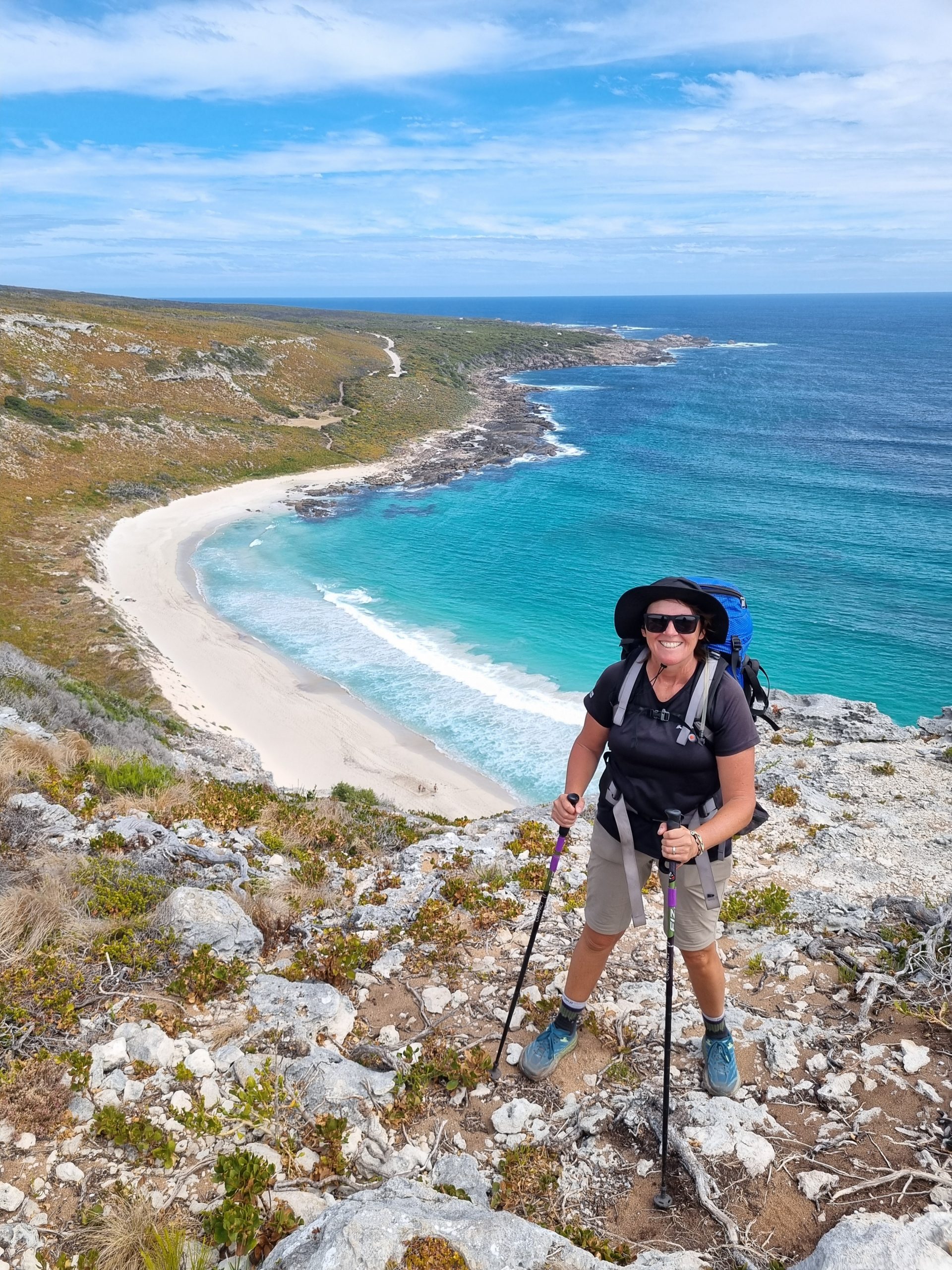
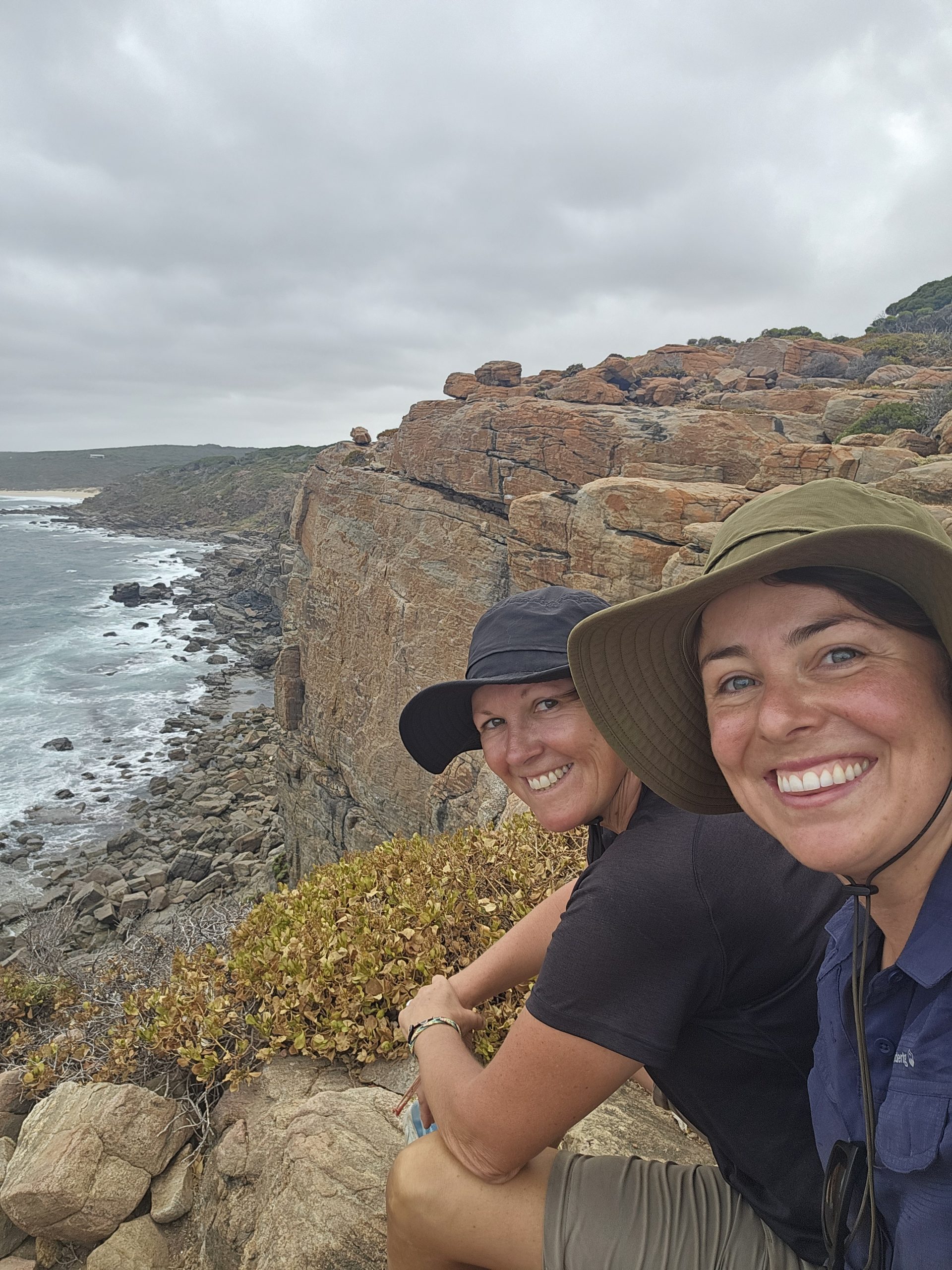
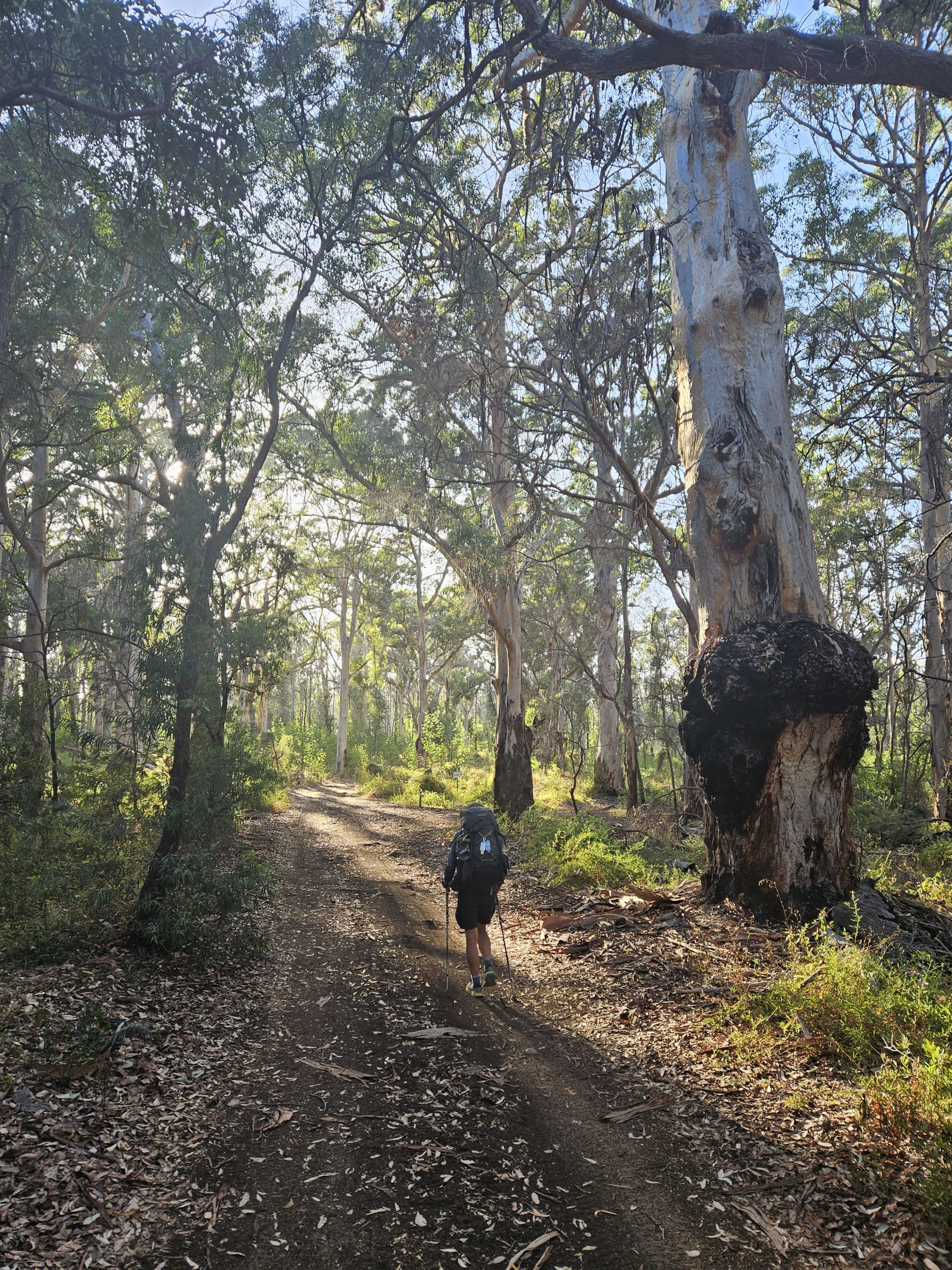
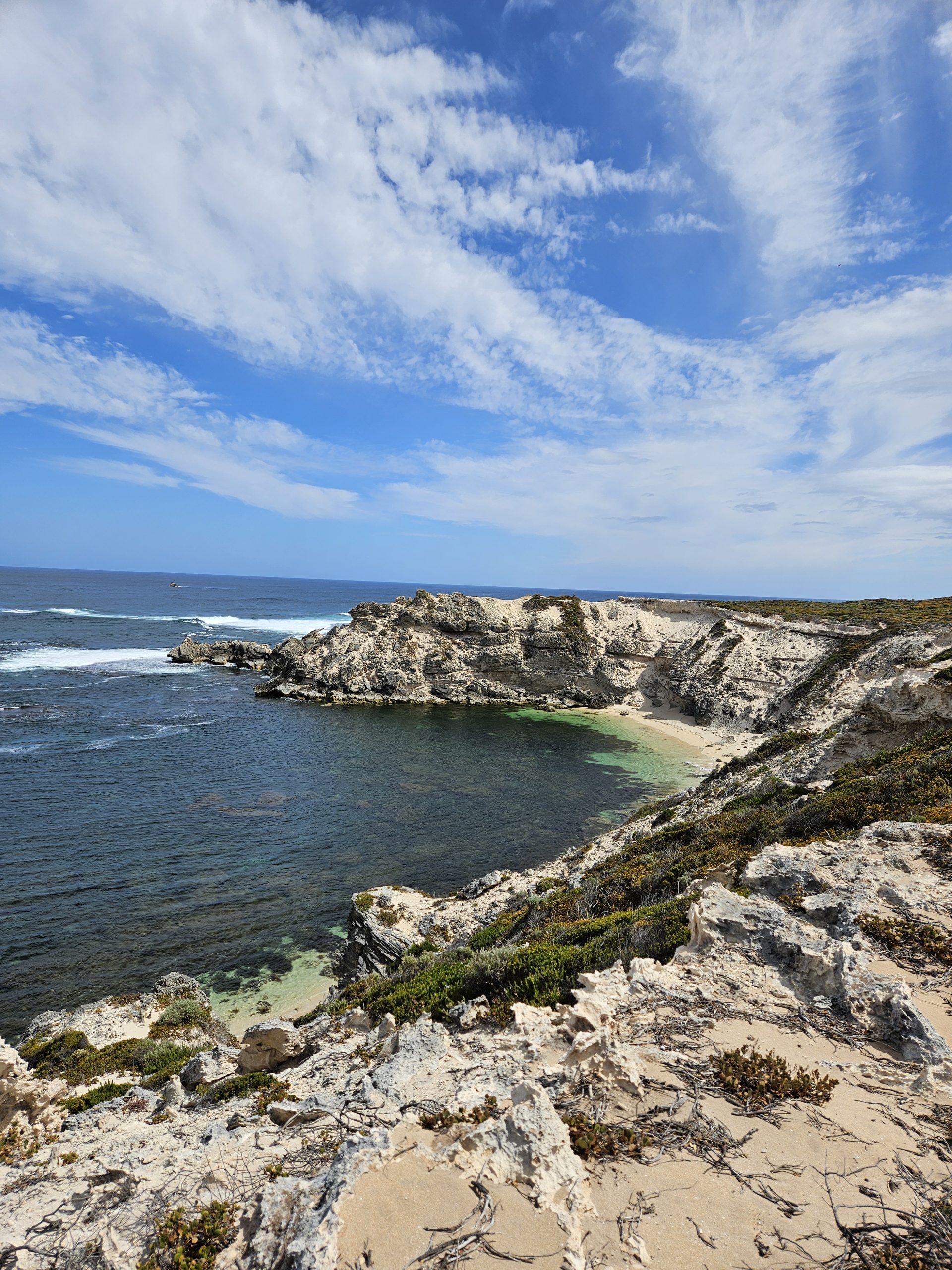
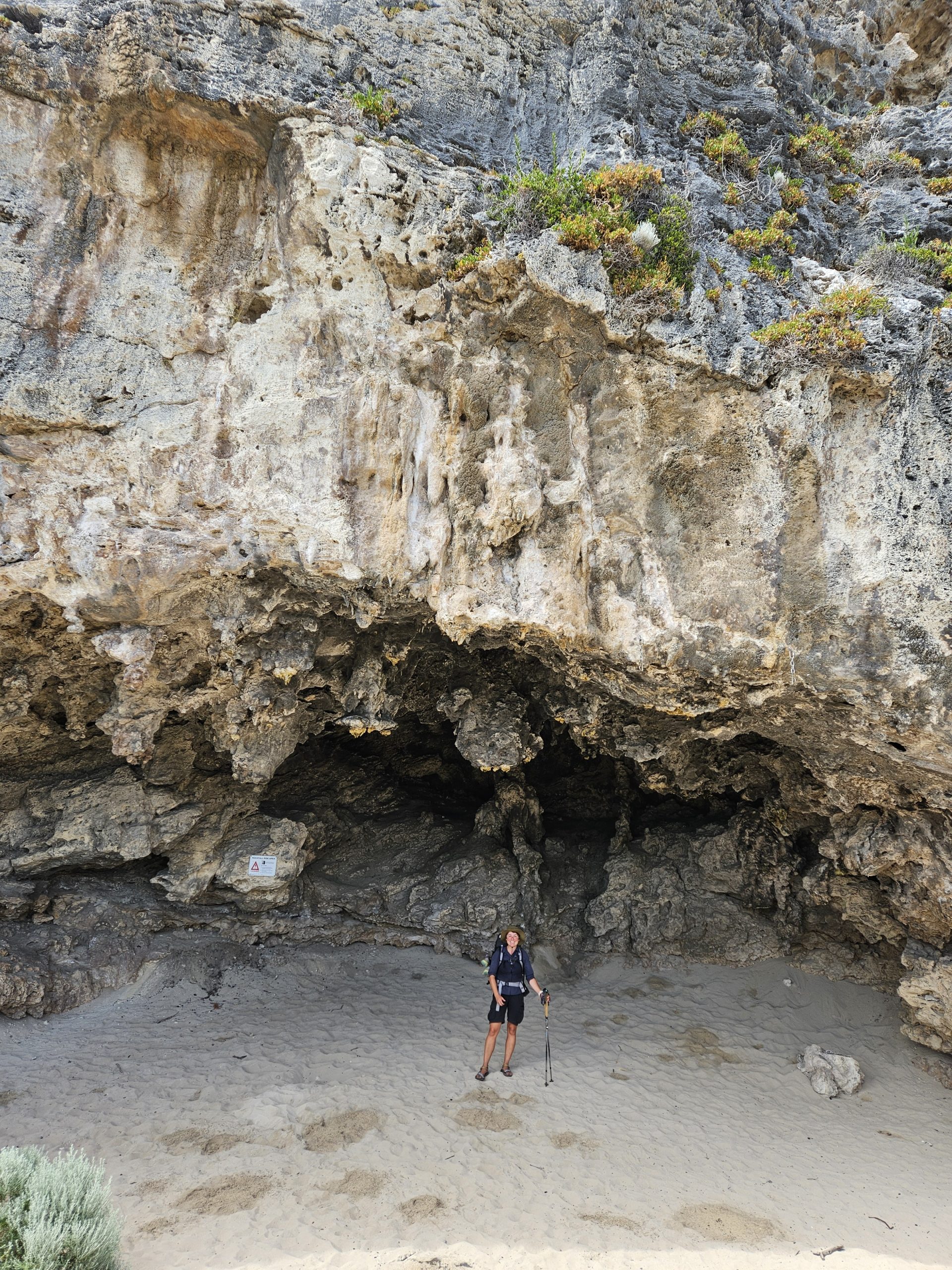
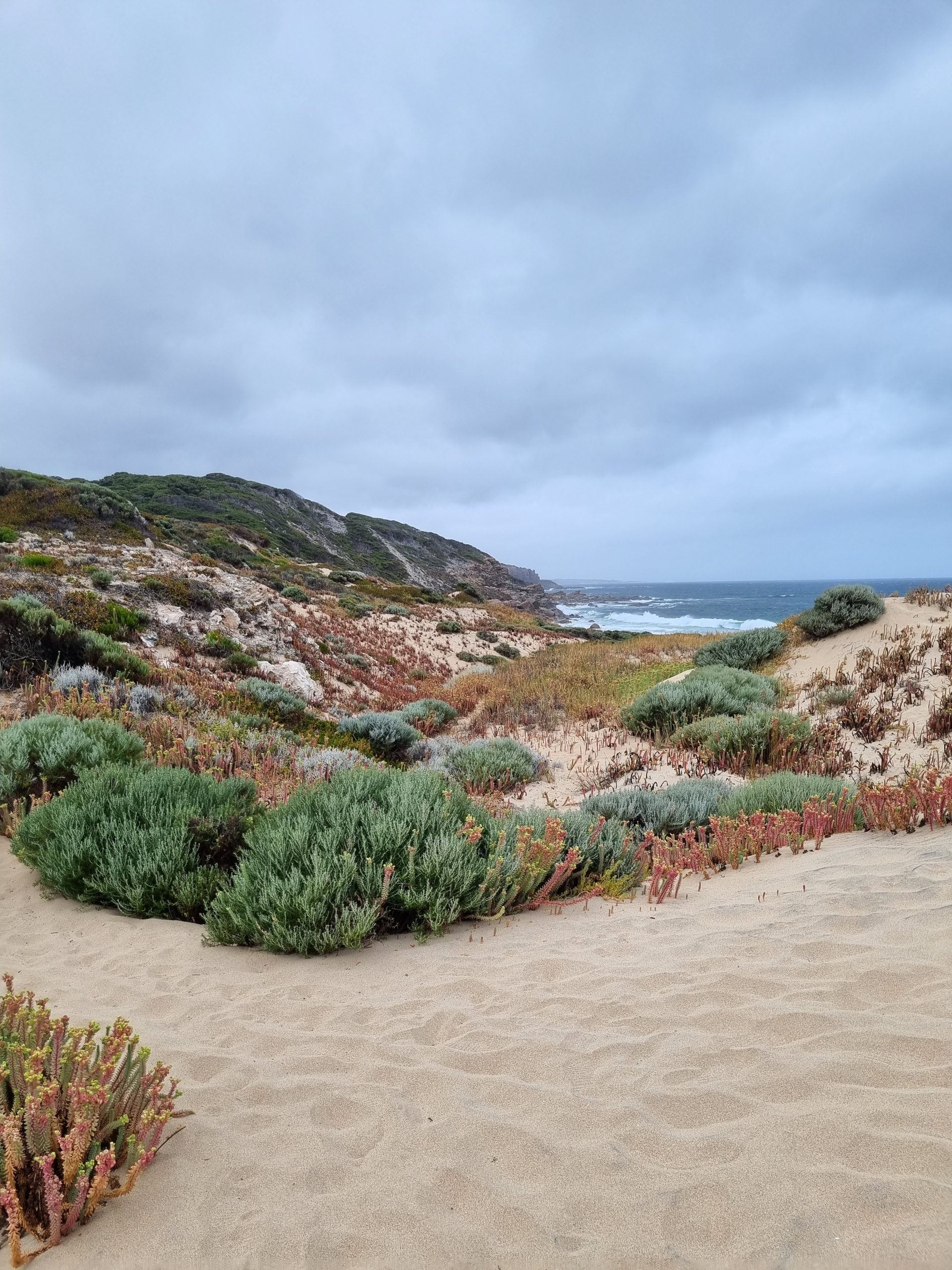
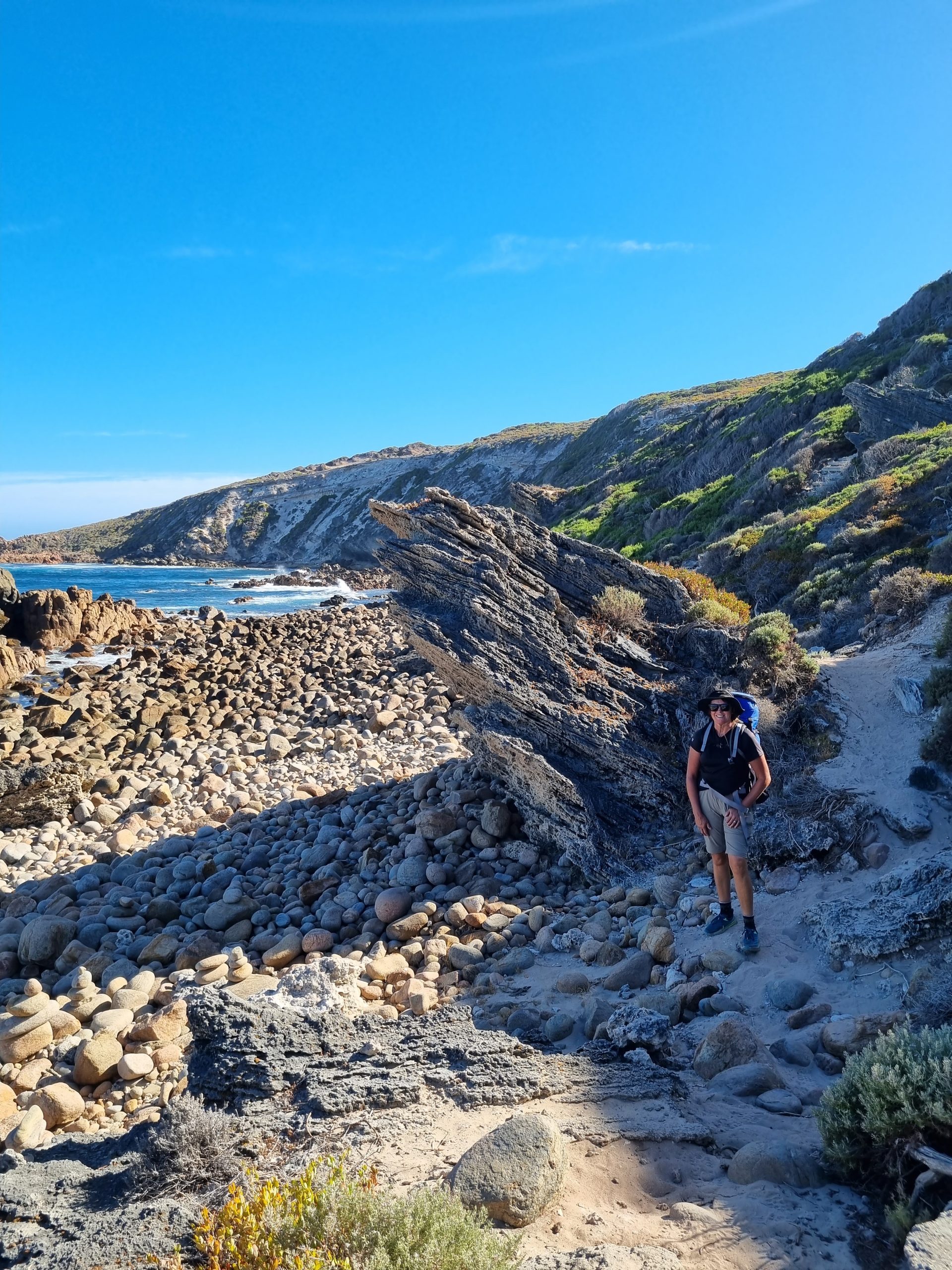
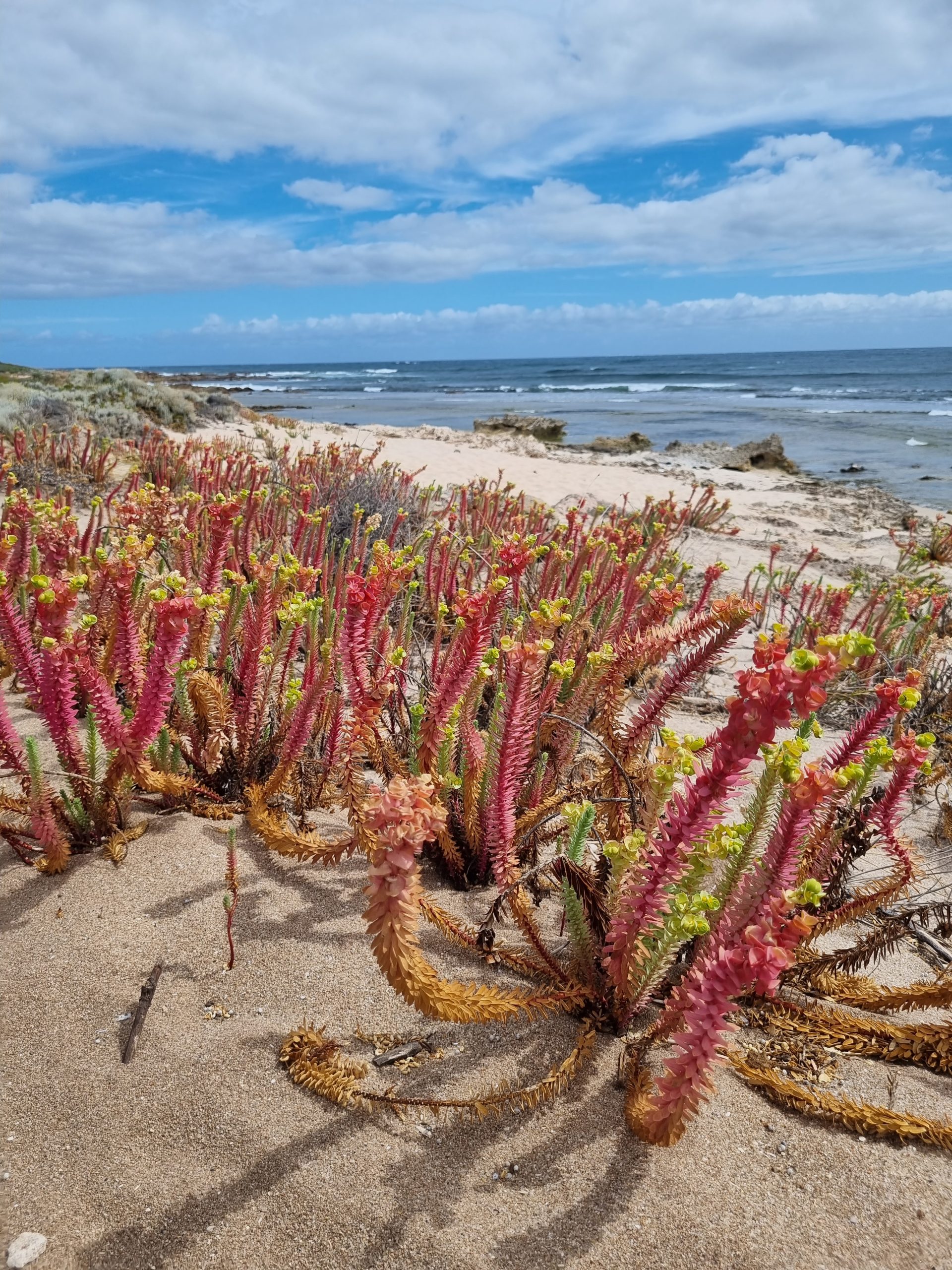
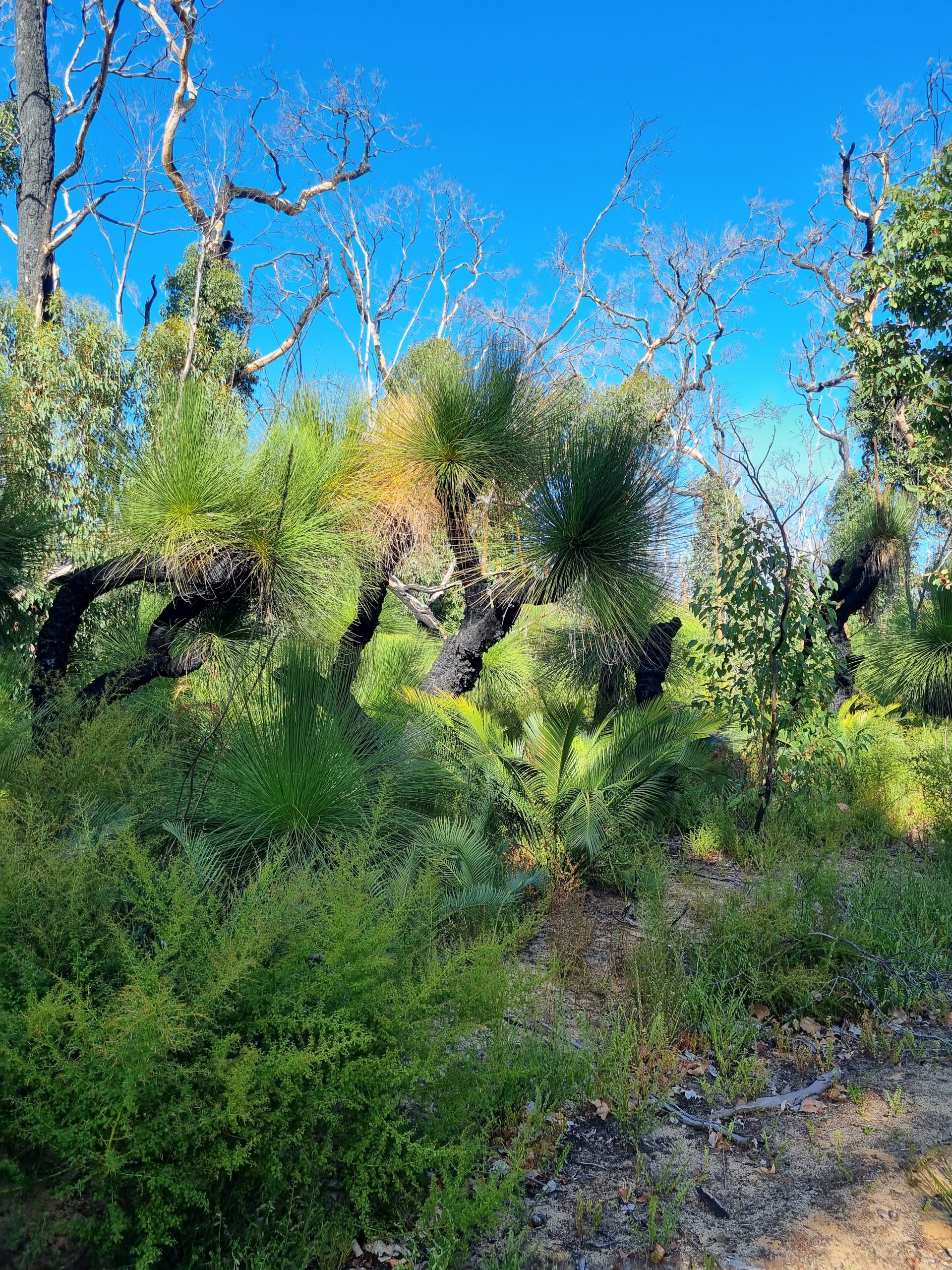
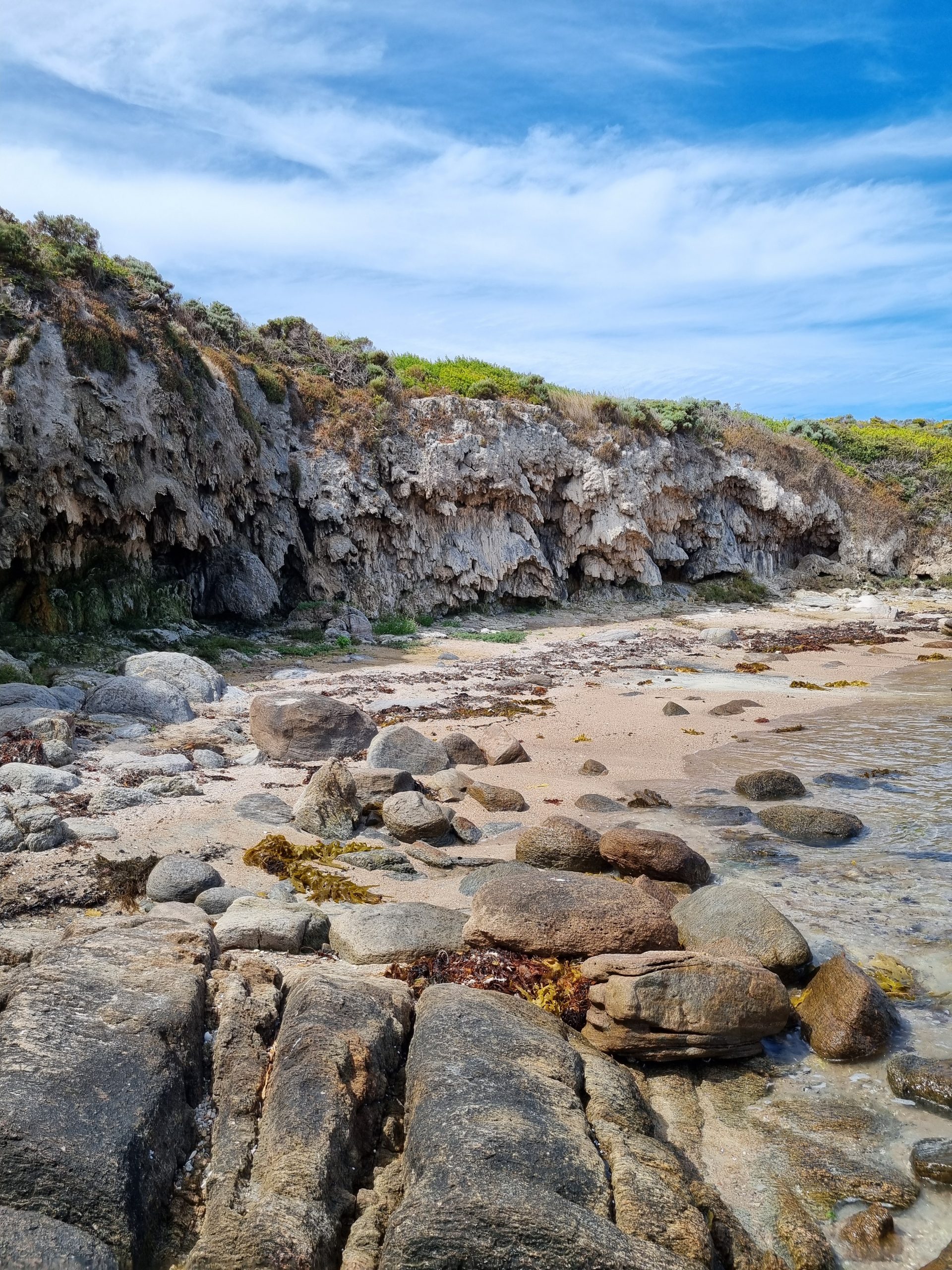
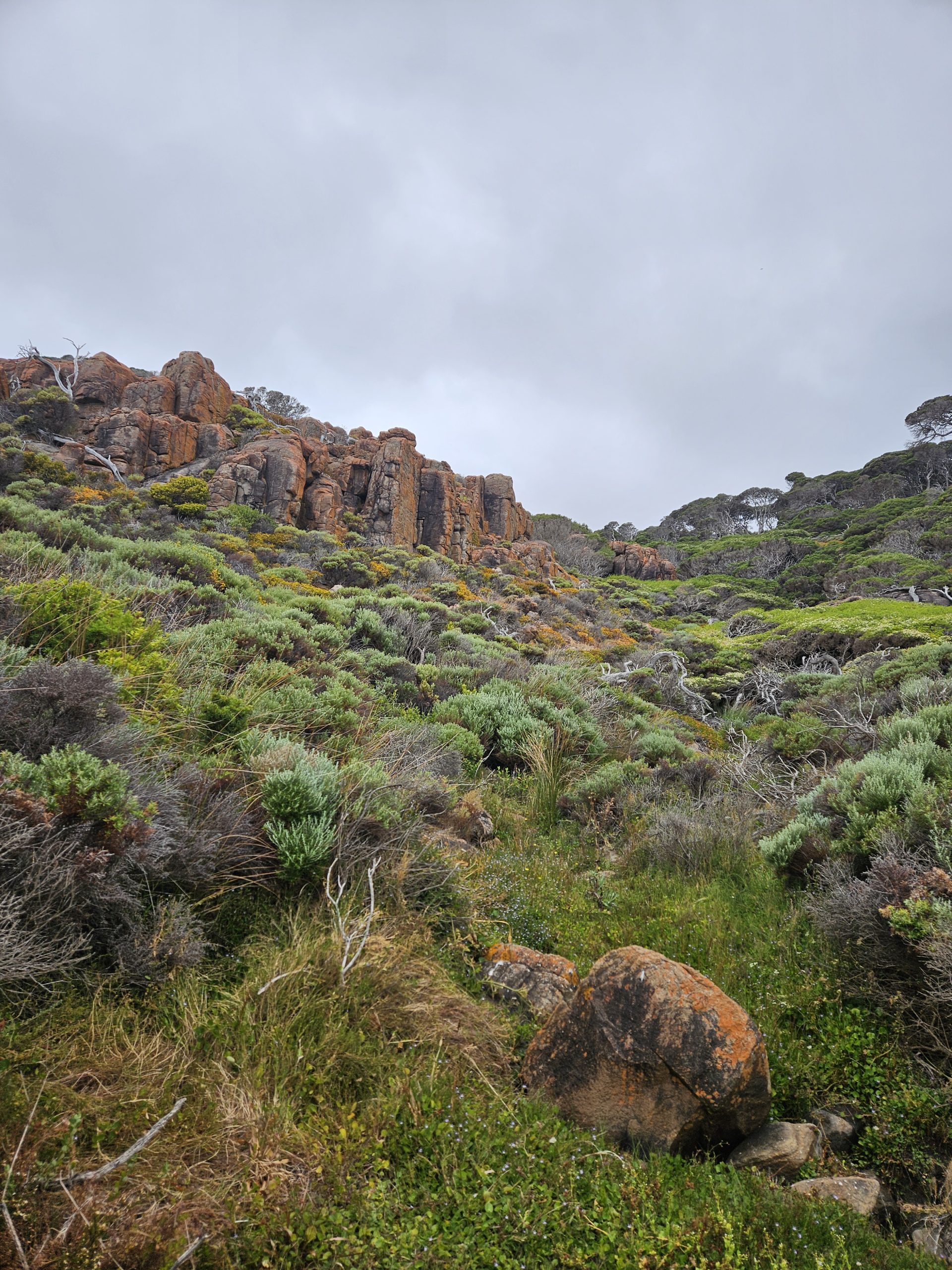
The Cape to Cape Track is a stunner, offering a unique mix of wild, windswept coastline and charming seaside towns, alongside towering karri forests, ancient granite and limestone cliffs, pristine beaches, and rolling sand dunes.

This one is definitely a must-add to your WA bucket list!

Our itinerary

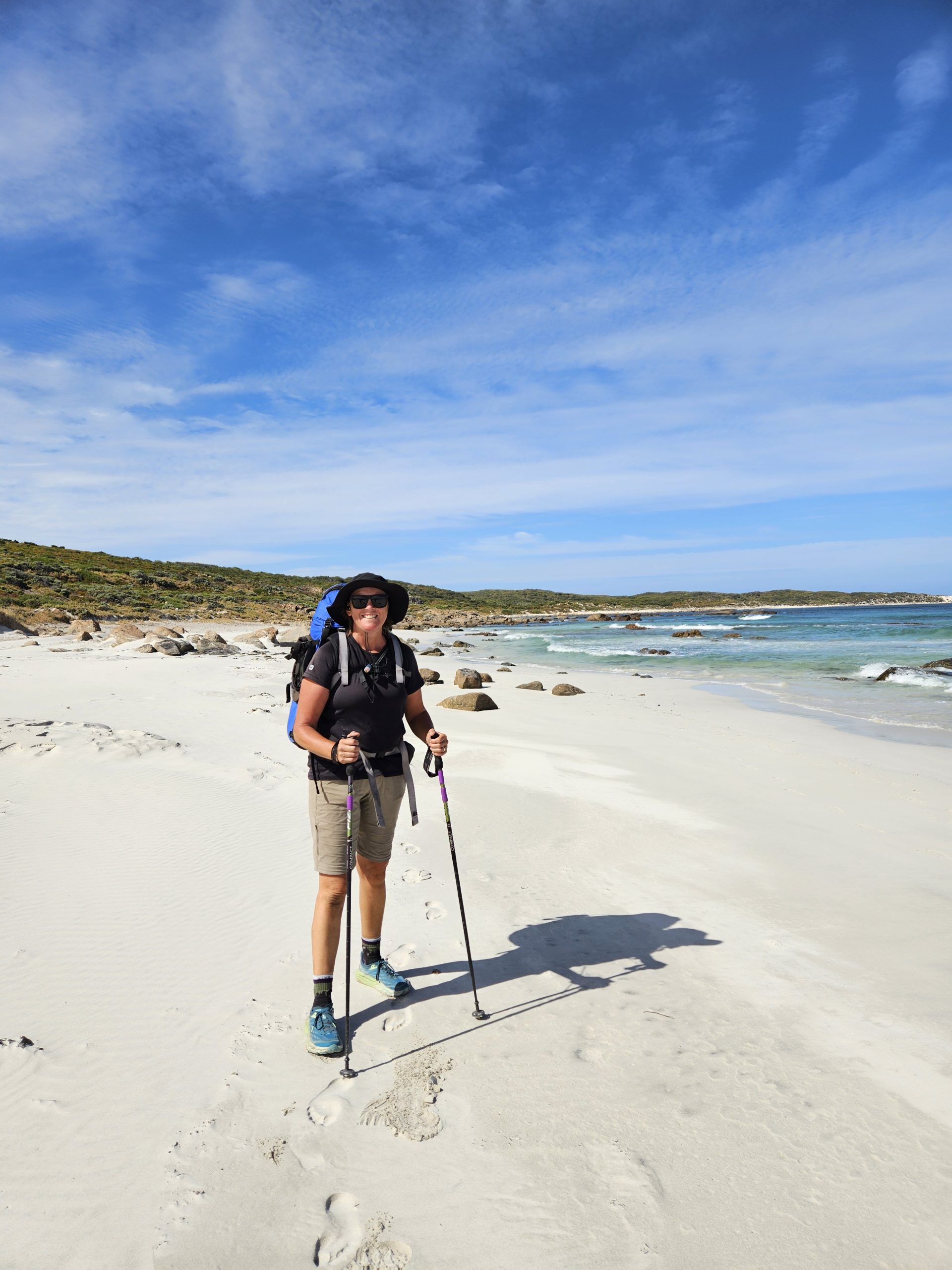
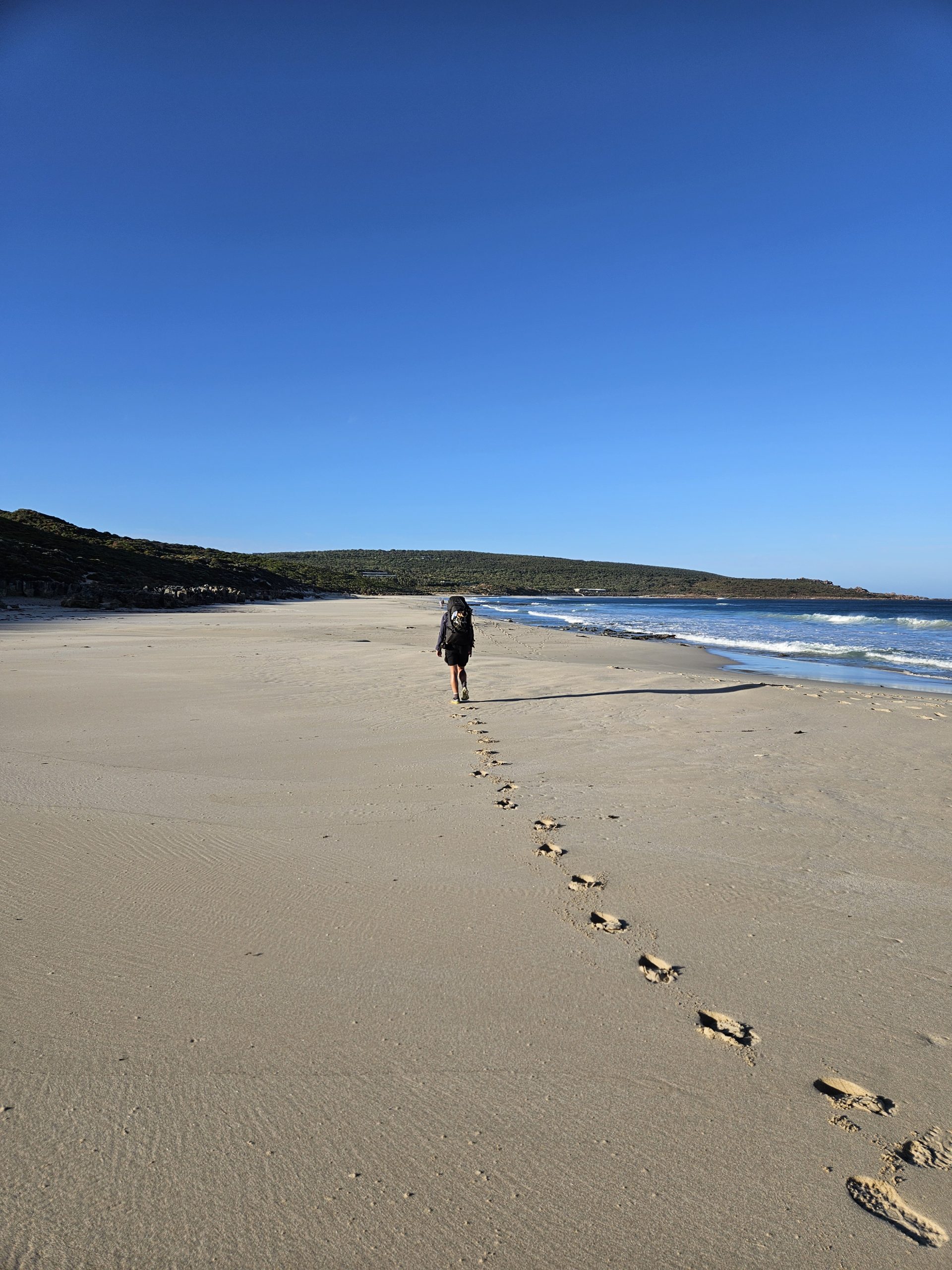
The Cape to Cape Track was unlike any trail we’ve hiked before. At times it felt wildly beautiful—wandering long stretches of beach, clambering over rugged cliffs, and weaving through powdery sand dunes. Then, seemingly moments later, we’d find ourselves among the buzz of charming seaside towns.

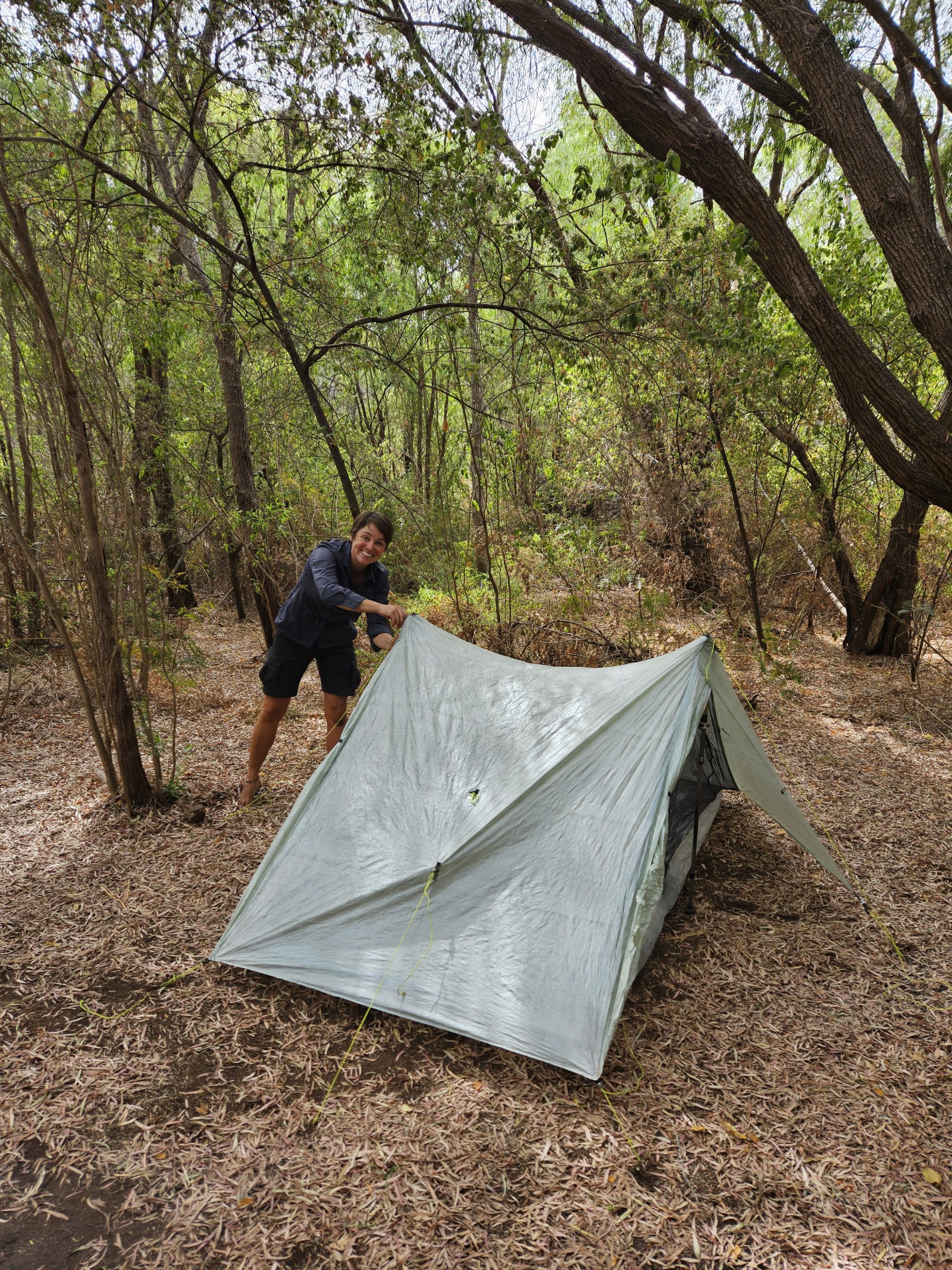
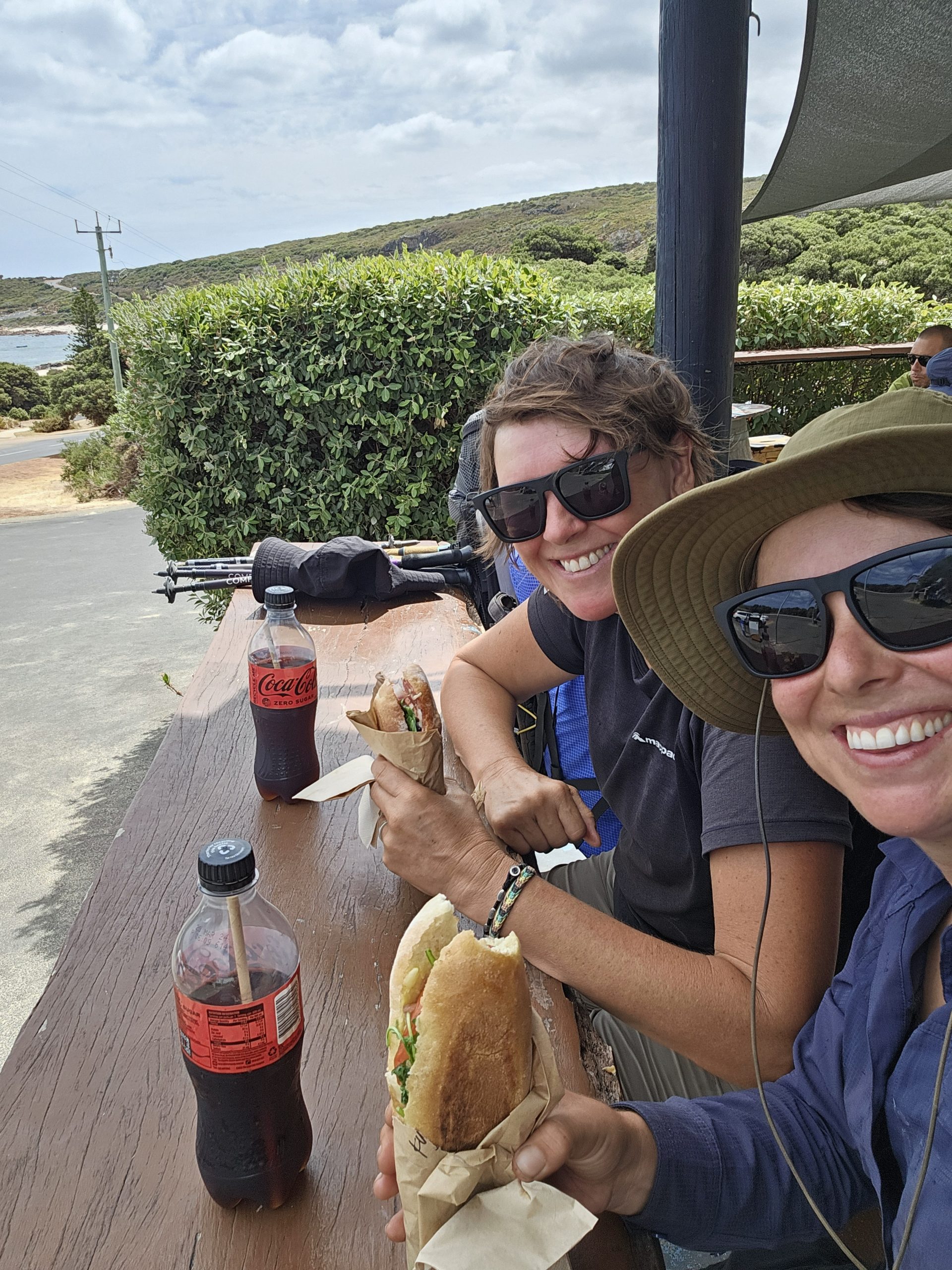
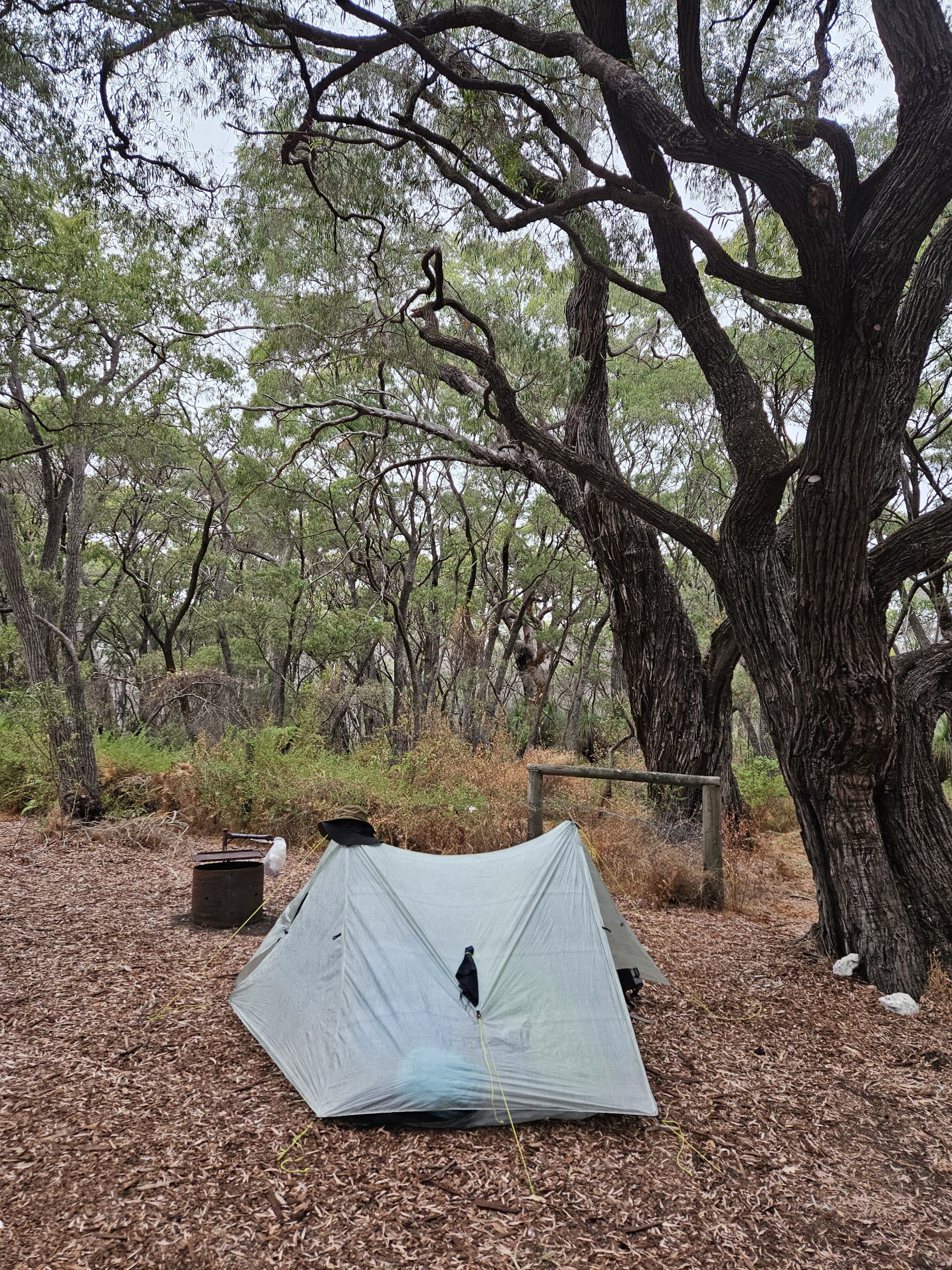
We loved the trail’s diversity, spending nights split between bush camps and caravan parks, fuelling ourselves on dehydrated trail meals one day and café finds the next.

Here’s how we did it:

  • Day 1: Cape Naturaliste Lighthouse – Yallingup Caves Caravan Park (15km)
  • Day 2: Yallingup – Moses Rock Campground (21km)
  • Day 3: Moses Rock – Ellensbrook Campsite (19km)
  • Day 4: Ellensbrook – Prevelly Caravan Park (15km)
  • Day 5: Prevelly – Point Road Campsite (23km)
  • Day 6: Point Road – Hamelin Bay Holiday Park (19km)
  • Day 7: Hamelin Bay – Cape Leeuwin Lighthouse (25km)
  • Total distance: 137km

Lessons learned

Every long trail teaches you something new—and the Cape to Cape was no exception.

From mental battles on the sand to unexpected comforts along the way, here are a few takeaways from our hike.

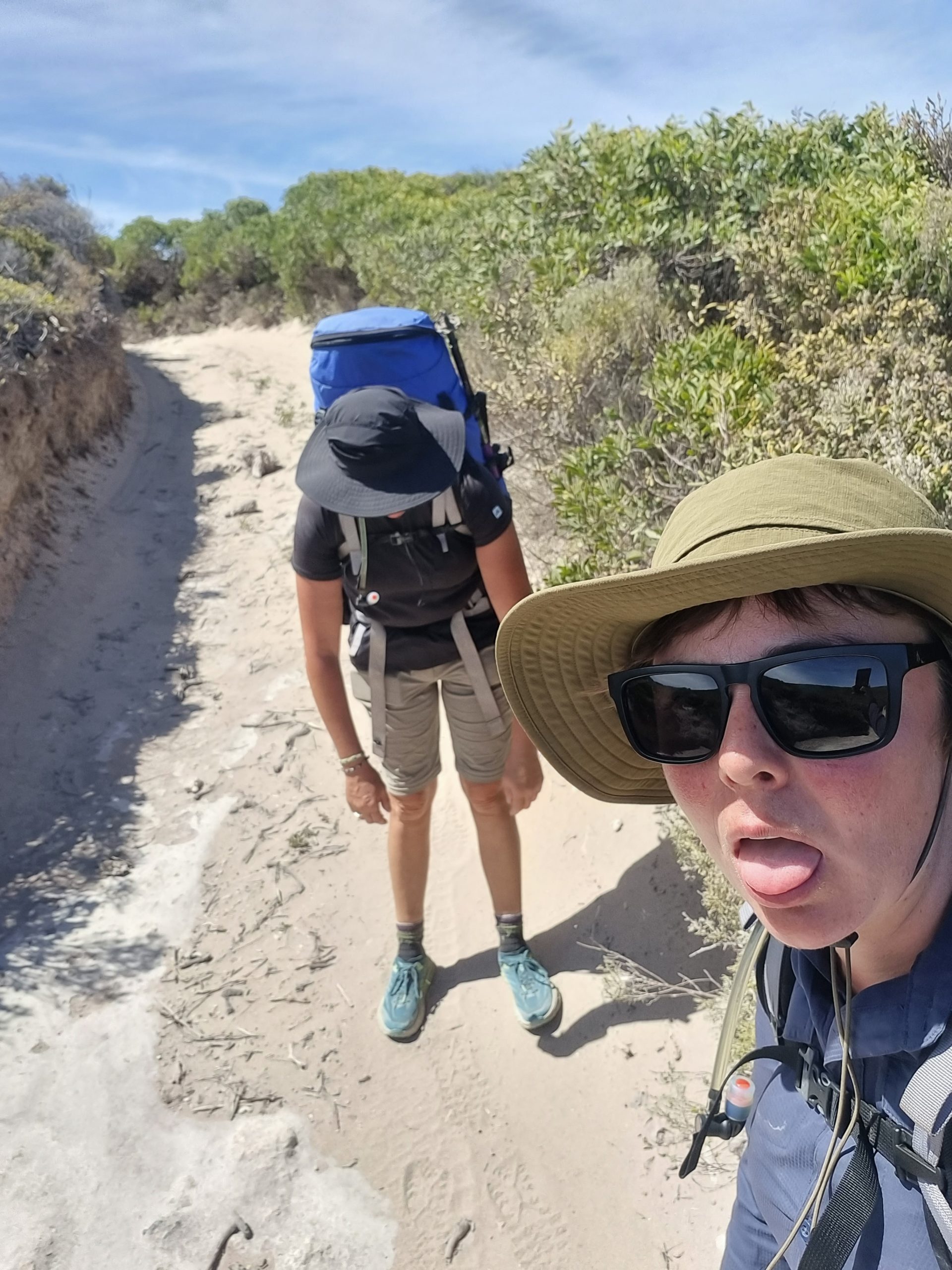
  • Beach walking can be gruelling—and a total mind game. Long stretches of soft sand can really wear you down. Podcasts became our secret weapon, offering just enough distraction to keep our legs moving long after fatigue kicked in.
  • Coastal towns and cafés are a defining quirk of this hike—embrace them. The track weaves effortlessly between wild coastline and lively seaside towns, and leaning into that contrast is part of the magic. One minute you’re deep in nature; the next, sipping an ice-cold beer to live acoustic tunes.
  • Finishing at our van was pure magic. We’re stoked we stored both our van and car at Flinders Bay Holiday Park in Augusta—the trail’s end—and took care of the trickier logistics (bus and taxi) before we started. It made those final steps even sweeter.

Key facts & figures

The 135km Cape to Cape Track winds through rugged coastline, lush forests, and quaint seaside towns, offering 5–7 days of unforgettable hiking adventure.

  • Distance: 135 km
  • Duration: 5–7 days (on average)
  • Trail Type: End-to-end
  • Difficulty: Moderate–Challenging (Grade 4)
  • Permit: No permit; campground bookings recommended
  • Season: Year-round
  • Total elevation gain: 1,400m
  • Highest point: 193m
  • Water: Townsites, springs, water-tanks
  • Camping style: Bush camps, caravan parks & luxe stays
  • Infrastructure: Tanks, toilets, shelter & signage at trailheads
  • Mobile reception: Minimal, unreliable; mostly no signal

Transport & logistics

The Cape to Cape Track begins in Dunsborough, around 350km south of Perth. The trail is accessible by both public and private transport. We chose to leave our van at the southern end of the track in Augusta and travel north to the trailhead.

  • Getting to Margaret River: Drove from Perth to Augusta with the caravan in tow, then stored both van and car at Flinders Bay Holiday Park for a small fee.
  • Journey north: Caught the TransWA (SW1) bus from Augusta to Dunsborough, then walked to our accommodation.
  • Supplies: On the way to our accom, we made a final food stop at Coles, plus a last-minute servo dash for sunglasses.
  • Pre-trail stay: Camped at Dunsborough Lakes Holiday Resort. Great location, below average amenities.
  • Trail access: Took a pre-booked taxi to save our legs on day one.

Trail highlights

  • Expansive white sands of Smiths Beach
  • Dramatic limestone formations at Canal Rocks
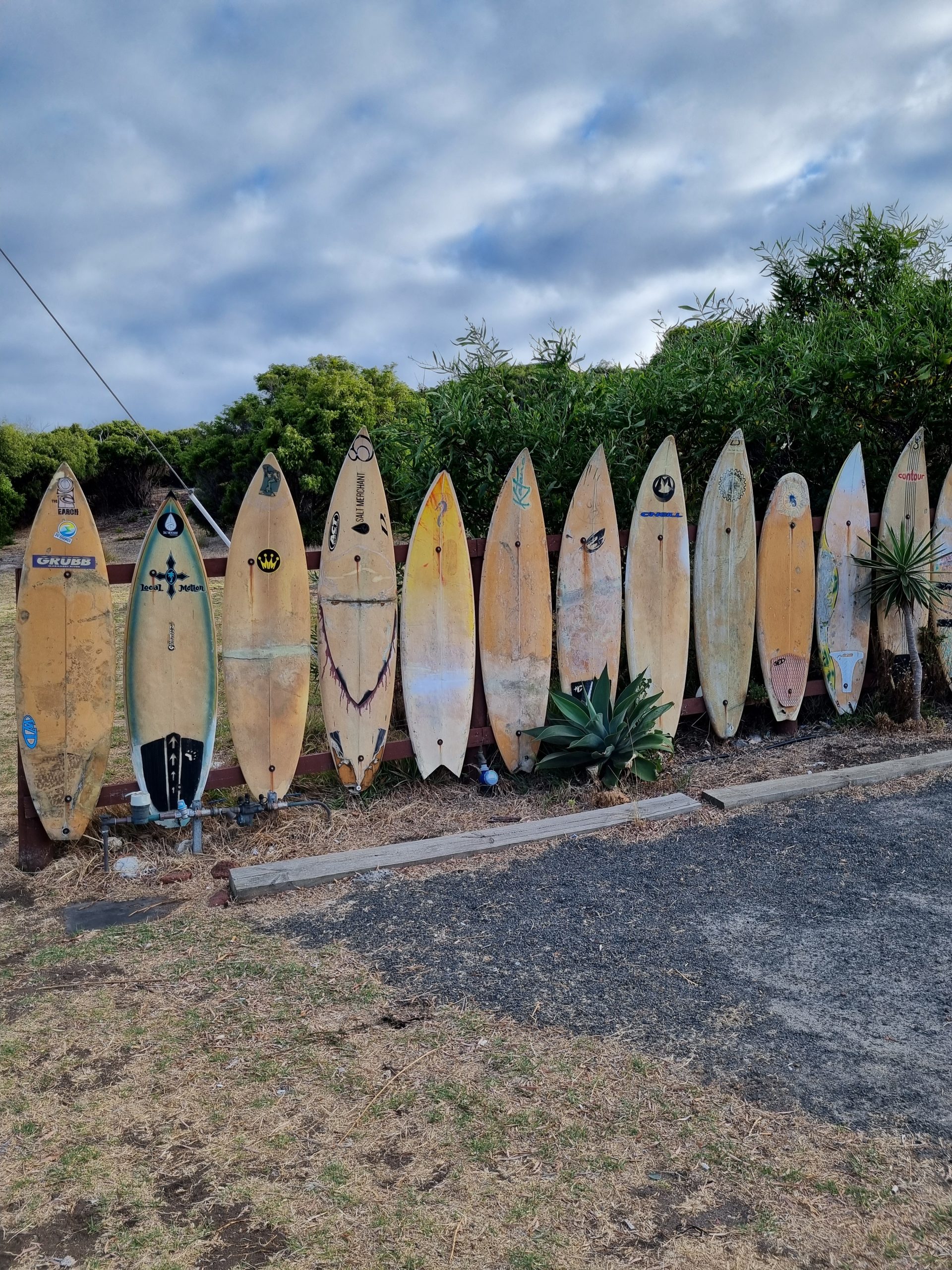
  • Exploring the quirky seaside town of Gracetown
  • Swimming in the crystal-clear waters of Hamelin Bay
  • An ice-cold ale in Prevelly
  • A scenic dip in the Injidup Natural Spa rock pools
  • Walking beneath the towering, ancient Boranup Karri Forest
  • Rugged coastal cliffs at Contos Beach
  • Limestone blowholes near Cosy Corner
  • Sheer, 50-metre-high granite Wilyabrup Sea Cliffs

Why hike the Cape to Cape?

  • A rare blend of wild coastline, forests and beachside towns
  • Constantly changing scenery, from sand dunes to granite cliffs
  • Easy access to food, water and creature comforts along the way
  • Flexible itineraries with a mix of bush camps and caravan parks=
  • Big coastal views without extreme elevation or technical terrain
  • A true taste of WA’s southwest in one unforgettable journey

Skill level & preparation

You should be comfortable with:

  • Multi-day hiking with a full pack over varied terrain
  • Long, energy-sapping stretches of walking in soft beach sand
  • Managing long and often heavy water carries, particularly in drier months
  • Navigating sections with minimal shade and exposure to wind and sun
  • Planning days around tides, weather and beach conditions
  • Being fully self-sufficient, with no emergency facilities and limited mobile reception

Permits & bookings

Permits: No hiking permit is required for the Cape to Cape Track
Parks access: A valid WA Parks Pass is needed national park sections
Camp bookings: Most bush camps must be booked in advance via ParkStay WA
Caravan parks: Bookings for popular stops like Yallingup, Prevelly and Hamelin Bay essential in peak periods
Camping fees: Low nightly fees apply at WA Parks-managed campsites
Peak season planning: Spring, autumn and school holidays are busy, so lock arrangements in early

When to go

  • Best time: March–May and September–November
  • Why: Mild temperatures, fewer crowds and ideal conditions for beach and coastal walking
  • Winter option: June–August
  • Why: Cooler days and lush landscapes, but expect stronger winds and occasional rain
  • Avoid: Summer (December–February)
  • Why: Hot temperatures, exposed sections, limited shade and challenging beach walking

How it compares

  • Vs. Thorsborne Trail (QLD)
    Shorter (4-6 v 5-7 days), far more remote (uninhabited island terrain), easier access to water (mostly natural sources)
  • Vs. Larapinta Trail (NT)
    Much longer (223 km v 135 km), desert instead of coastal, more complex logistics (food drops, transport), greater difficulty, far more elevation gain

Final word: Who this trail is for

The Cape to Cape Track is ideal for folks after a week of coastal adventure, without the extreme remoteness and technical challenges of wilder trails. It’s perfect if you love a mix of wild beaches, towering forests, and quirky seaside towns, with the freedom to camp under the stars or grab a comfy spot at a caravan park along the way.

Here are key Cape to Cape Track resources you can use to plan your hike:

  • Campsites bookings — Campsite listings, bookings and details (ParkStay WA)
  • Trail info — General details, access rules and park info (TrailsWA)
  • Parks pass — Purchase a WA Parks Pass for access to national park sections
  • Maps and trail notes (order before you go) — Detailed maps and guides to help plan your route (Friends of the Cape to Cape Track)
  • Transport — Bus routes to and from the trail heads (TransWA)

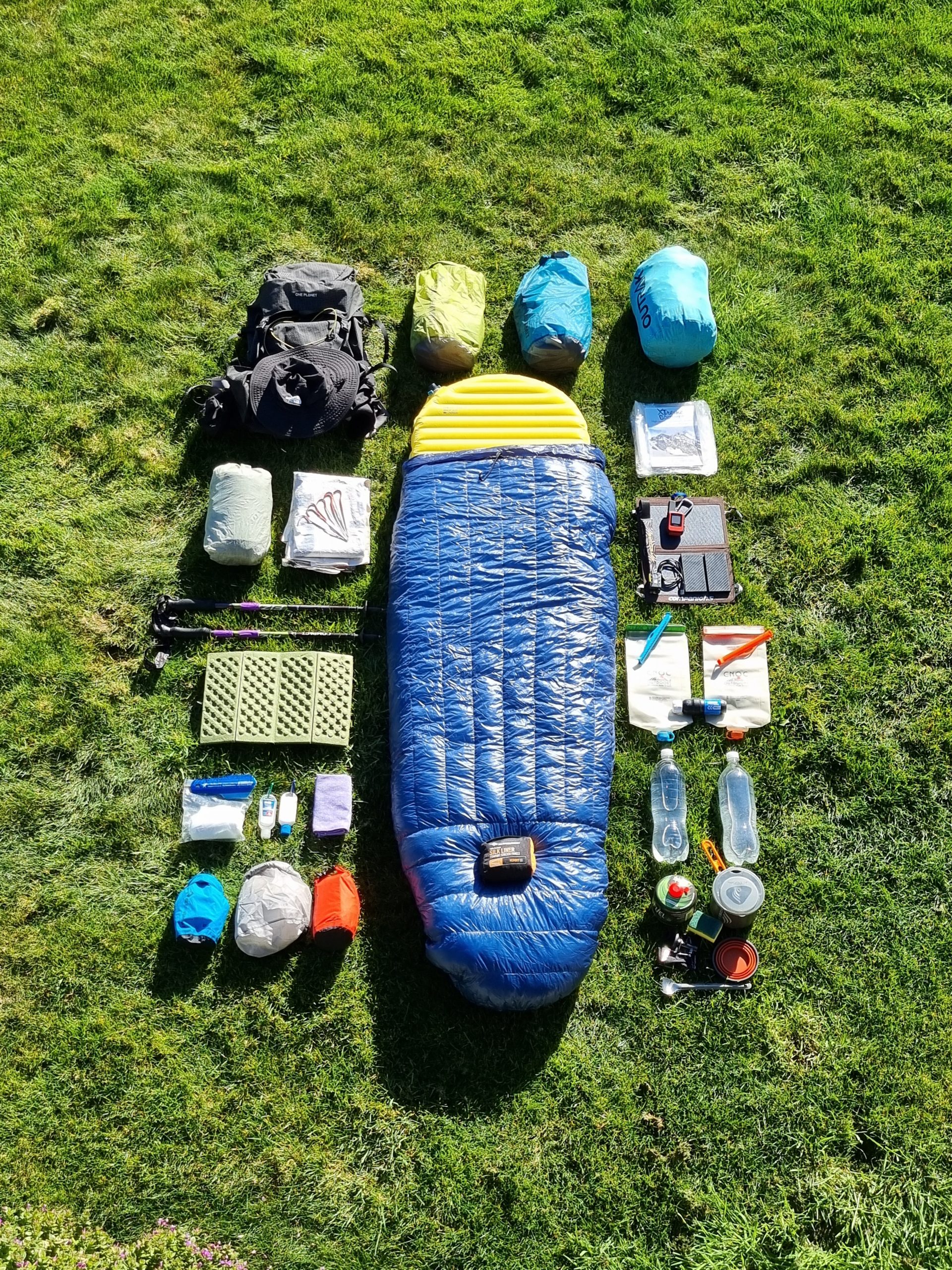
Essential packing checklist

Check out our complete hiking pack list, fine tuned over 6+ years.

Chasing more epic trails?

Explore our other Australian hiking guides — from rugged alpine tracks to remote coastal walks and desert treks.

Each guide includes practical tips, itineraries and planning advice to help you hit the trail with confidence.

Share:

More posts

Want to roam with us?

Sign up to receive our latest travel stories, tips, tricks and destination guides.

Want to roam with us?

Sign up to receive our latest travel stories, tips, tricks and destination guides.

We honour the ancient cultures of the First Nations peoples whose land we travel.

Copyright © Franky Roams | 2026 | All Rights Reserved