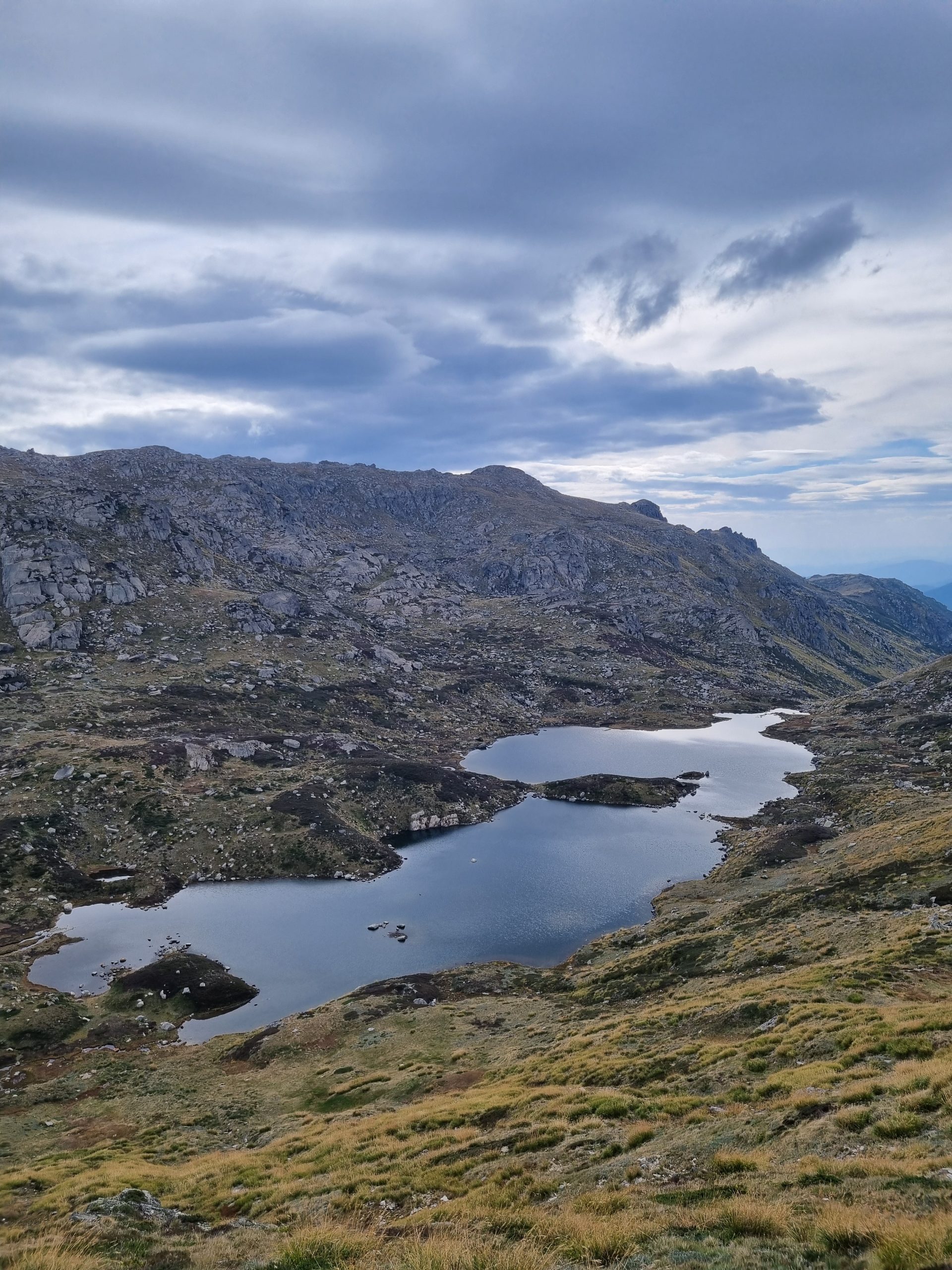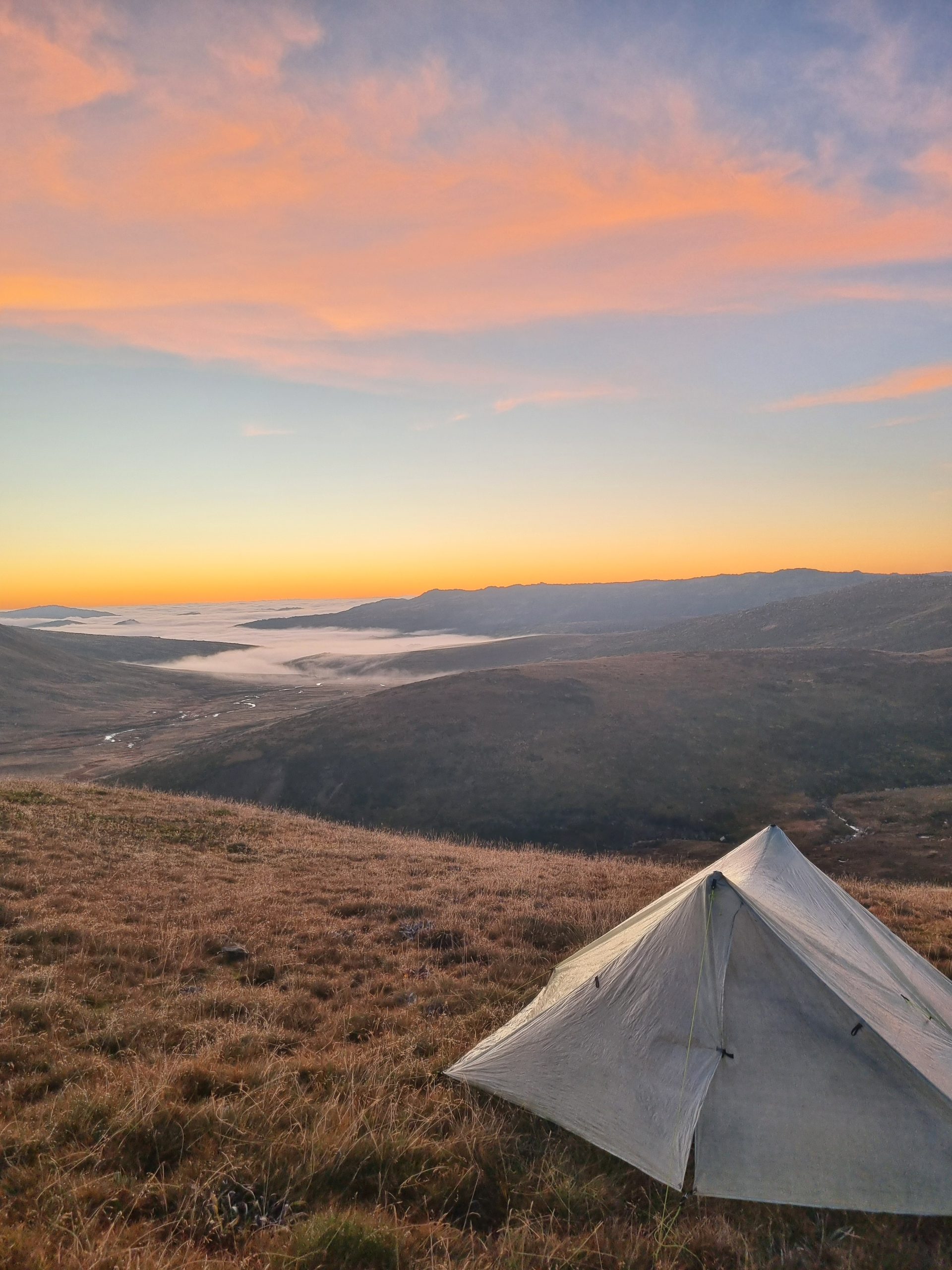
Traverse the Australian Alps: 680km from Tharwa to Walhalla

A wild trek through Australia’s alpine highlands, weaving rugged peaks, windswept meadows, sparkling streams, and historic huts tucked in untamed wilderness.

A thru-hiker’s guide to the Australian Alps Walking Track

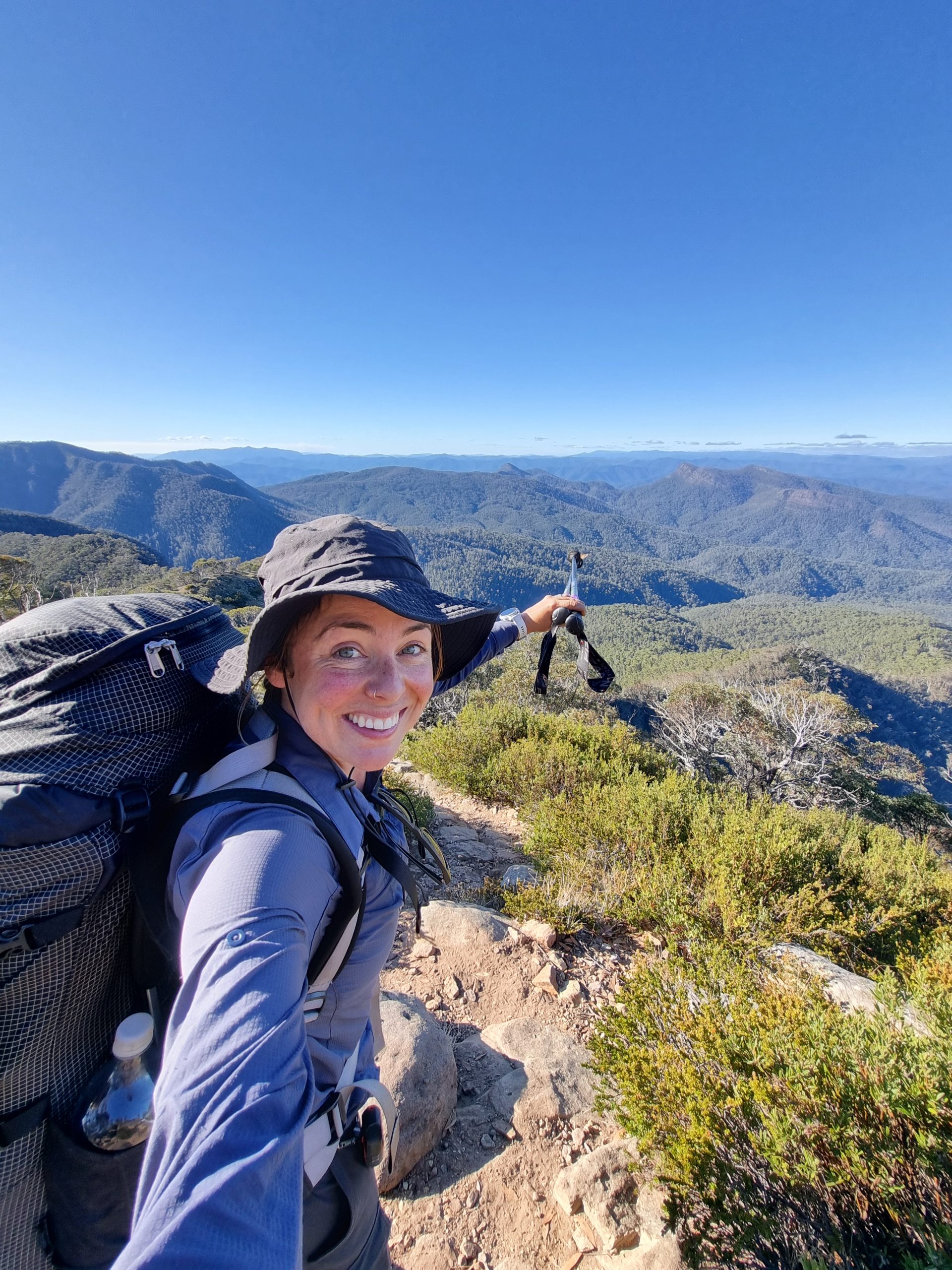
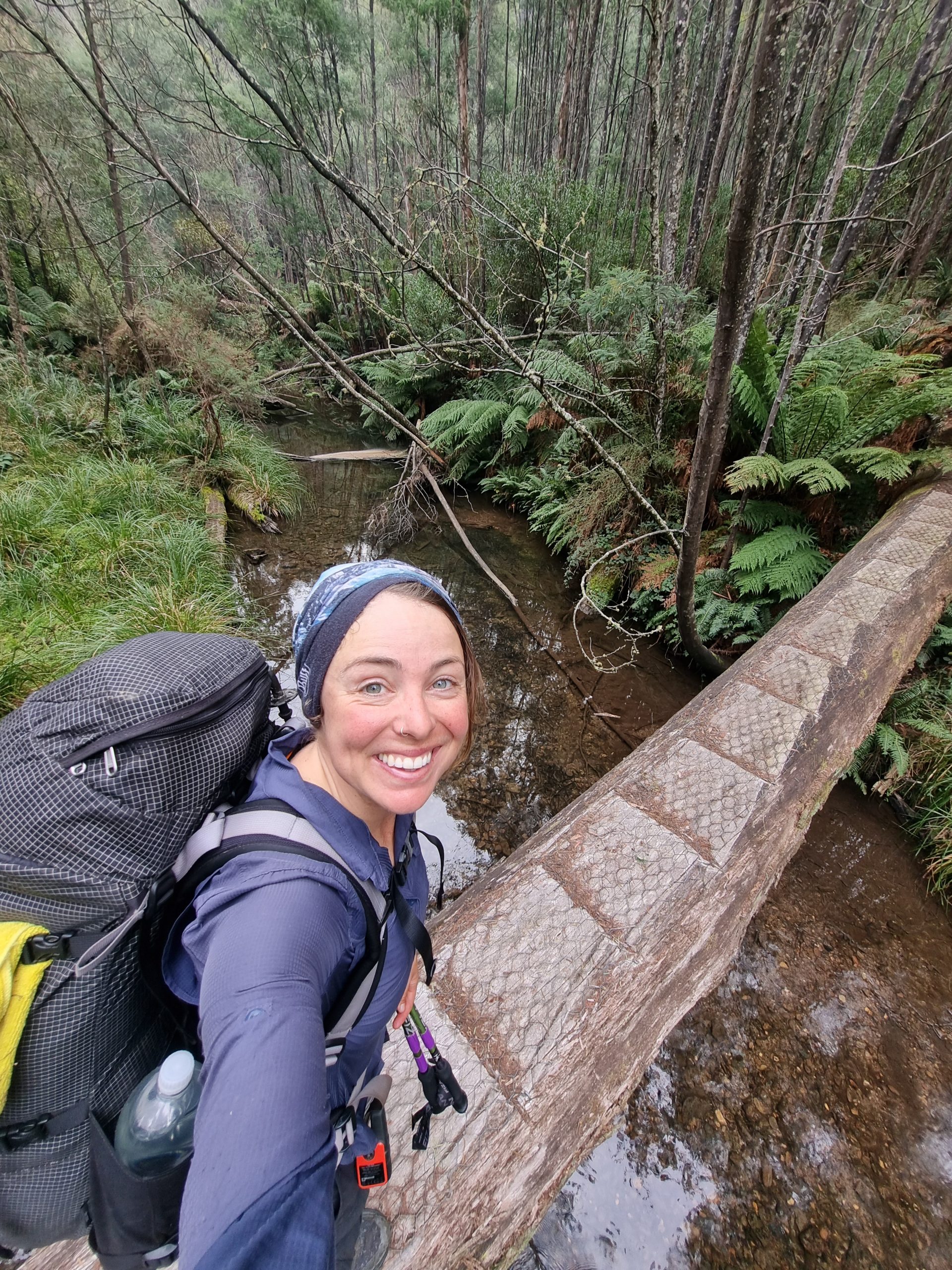
In April 2025, I set off on my first solo trail and longest ever wilderness walk – the rugged and remote Australian Alps Walking Track (AAWT).

Looking back, it all feels like a wild dream, but flicking through the footage takes me right back and I appreciate the scale of the adventure more than ever.

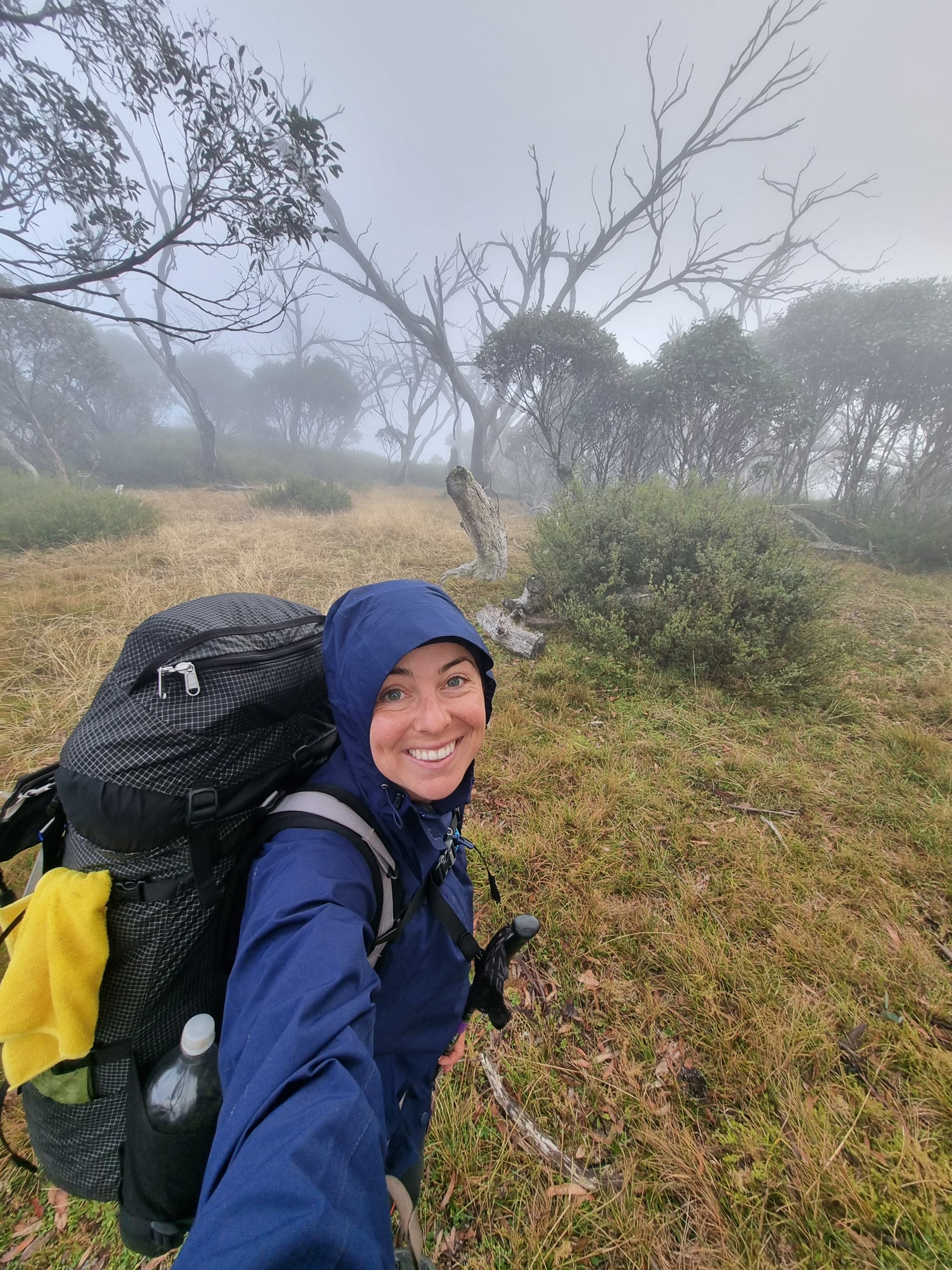
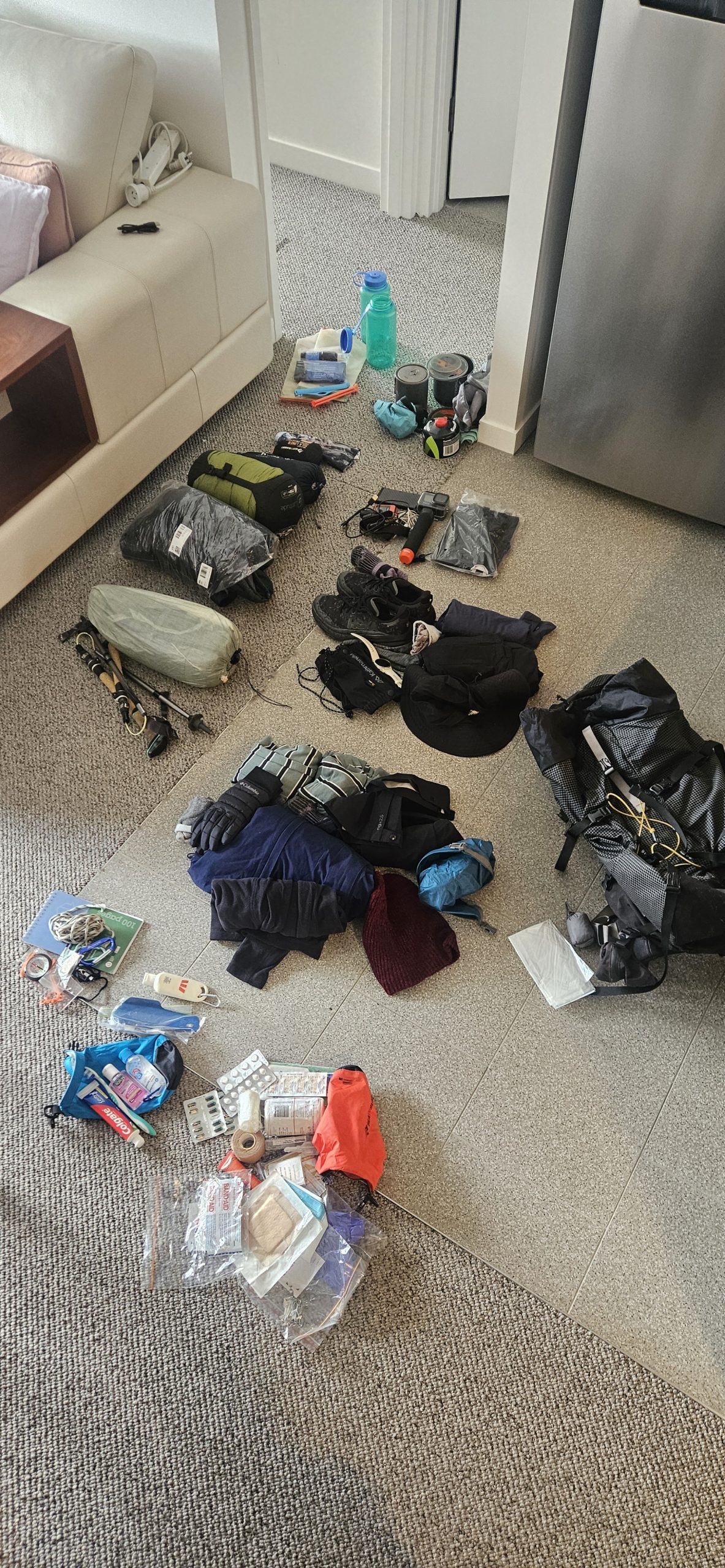
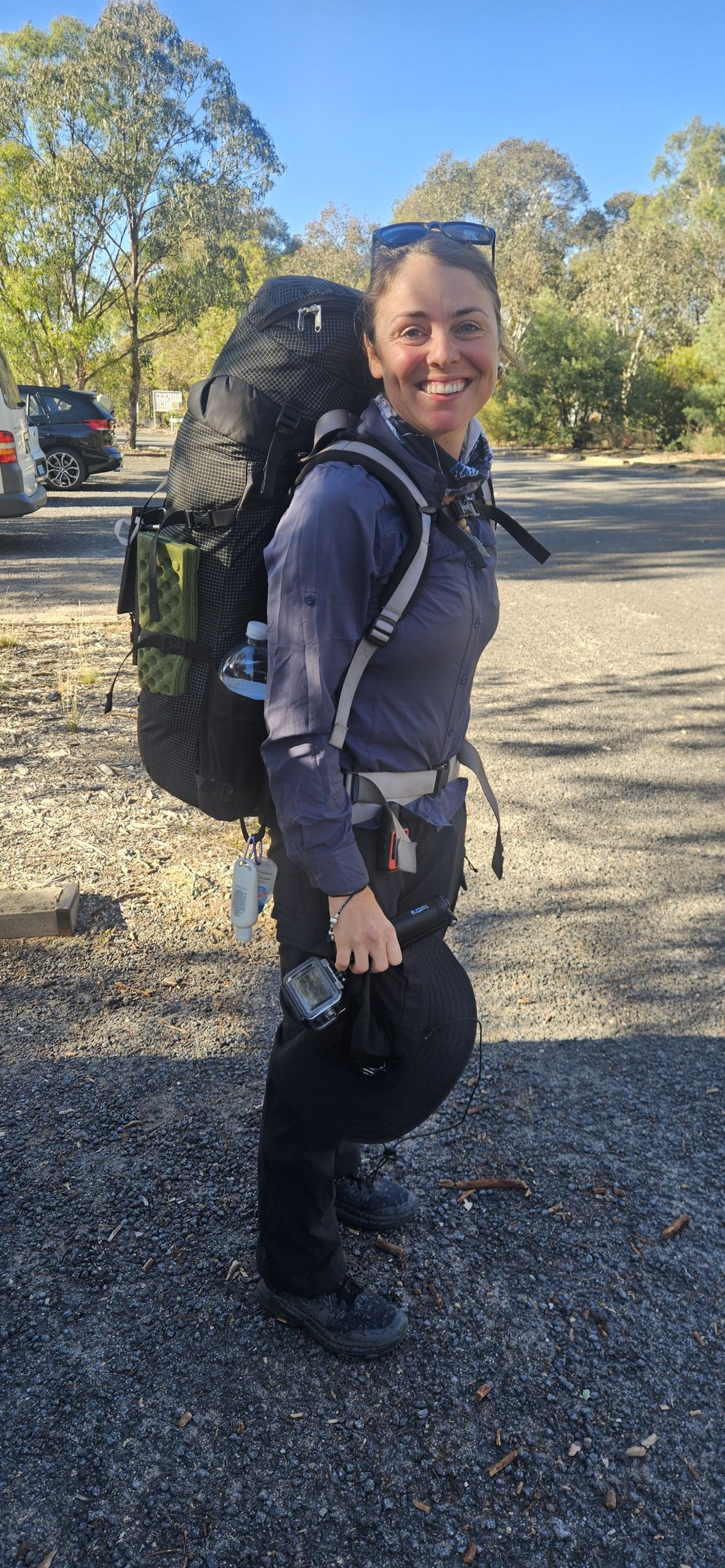
Over 35 days, I walked 730km from Tharwa, south of Canberra, to Walhalla, near Melbourne, with an 18kg pack and camping in my tent, with just the stars to keep me company.

From tears, fatigue and injury to sheer elation, spectacular scenery and trail magic, the AAWT was the hardest but most rewarding adventure I have undertaken.

Huge shout out to my wife and trail angel, Jane. From hand-delivered food drops and treats cooked on the Hilux tailgate, to weekly love/support letters and freshly laundered clothes, your support meant the world.

My Australian Alps Walking Track itinerary (Tharwa to Walhalla)

I started out on this wild five-week adventure on 5 April, travelling southbound from Tharwa (ACT) through the rugged alpine areas of the ACT, NSW and VIC, with everything needed to survive in my 18kg pack. I completed the trail on 10 May.

  • Day 1: Tharwa to Honeysuckle Creek Camp (15.6km)
  • Day 2: Honeysuckle Creek Camp to Cotter Hut (23.7km)
  • Day 3: Cotter Hut to Oldfields Hut (16.9km)
  • Day 4: Oldfields Hut to Bill Jones Hut, via Blue Waterholes (21.8km)
  • Day 5: Bill Jones  Hut to Whitzes Hut (33km)
  • Day 6: Witzes Hut to Four Mile Hut site (20.1km)
  • Day 7: Four Mile Hut to Mackay’s Hut (32km)
  • Day 8: Mackay’s Hut to Grey Mare Hut (27km)
  • Day 9: Grey Mare Hut to Whites River Hut (18.5km)
  • Day 10: White’s River Hut to Muellers Pass (26km)\
  • Day 11: Muellers Pass to Dead Horse Gap (13.3km)
  • Day 12: East Jindabyne (0km)
  • Day 13: Dead Horse Gap to Tin Mine Huts (25km)
  • Day 14: Tin Mine Huts to Cowombat Flat Track (31.3km)
  • Day 15: Cowombat Flat Track to Buckwong Creek (23km)
  • Day 16: Buckwong Creek to Johnies Top (23.2km)
  • Day 17: Johnies Top to Taylor’s Crossing (23.6km)
  • Day 18: Taylor’s Crossing to Sunnyside, Omeo Highway (21.5km)
  • Day 19: Glen Wills (0km)
  • Day 20: Glen Wills to Cleve Cole Hut (23.5km)
  • Day 21: Cleve Cole Hut (via Mt Bogong & Quartz Ridge) to Edmondson Hut (25.7km)
  • Day 22: Edmondson Hut to Dibbins Hut (27km)
  • Day 23: Dibbins Hut to Hotham Ski Village (9km)
  • Day 24: Hotham Ski Village to camp 1.2km south of Twins Tank (17.5km)
  • Day 25: Camp near Twins Tank to 194km Selwyn Track Camp (24.9km)
  • Day 26: Selwyn Track Camp to Viking Saddle (13.3km)
  • Day 27: Viking Saddle to Vallejo Gantner hut (17.6km)
  • Day 28: Vallejo Gantner Hut to High Cone Camp  (23.8km)
  • Day 29: High Cone Camp to Mount Sunday (18.7km)
  • Day 30: Mount Sunday to Barkly River Jeep Track (16km)
  • Day 31: Barkly River Jeep Track to Fiddlers Green (28km)
  • Day 32: Fiddlers Green to Thomson River (24.5km)
  • Day 33: Thomson River to St Gwinear camp (30km)
  • Day 34: St Gwinears camp to O’Sheas Mill Site (19km)
  • Day 35: O’Sheas Mill Site to Walhalla (13km)
  • Total distance: 727.10km

Australian Alps hiking tips & lessons learned

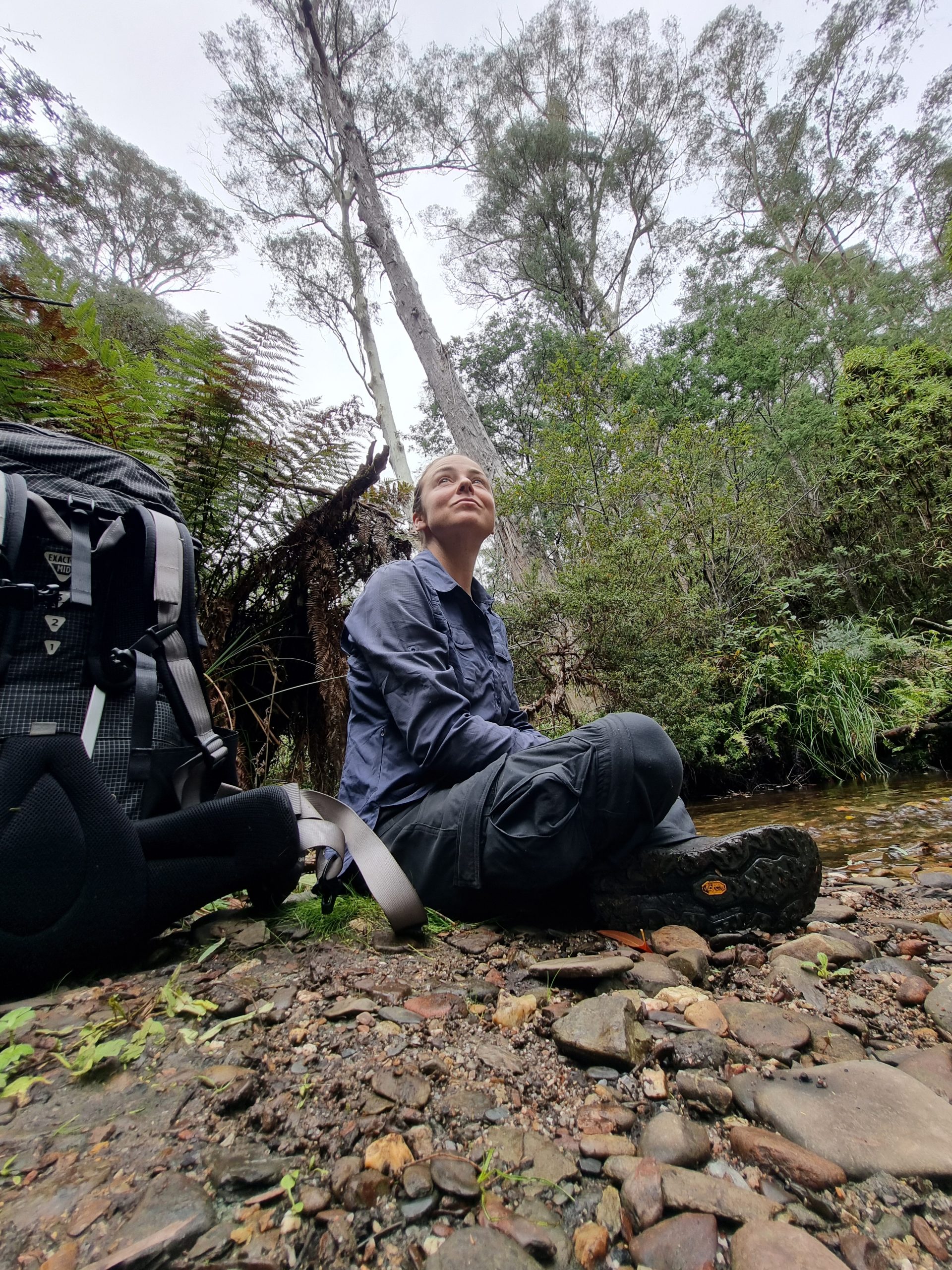
This was one hell of a solo adventure. Some days, I felt like Xena the Warrior Princess – so strong and in control, and others like a tiny butterfly at the mercy of the wildest winds. I was on the very cusp of pulling out twice, battling a painful sprained ankle and bruised heart from missing my beautiful wife. But I hung in there and I’m stoked I did. What this adventure provide to more than anything, is our minds are powerful – even more so than our legs.

  • Thru-hikes are a complete mind game I missed my wife insatiably and almost pulled out twice. I’m so glad I managed to keep my head in the game. Remember, it’s just a fleeting moment and you will soon return to the love and comforts of ‘normal life’, but this opportunity comes just once. Endure the discomfort, and celebrate later.
  • Test your water filter before you hit the trail  Mine was clogged up, which I discovered on night 1  (I used purification tables for the first week, until a replacement was popped into my first food drop).
  • You will get lost, and that’s okay After getting lost and making my way back to the track several times, I developed a greater sense of calm when momentarily lost. I knew I would make my way back, supported by the right navigational gear.
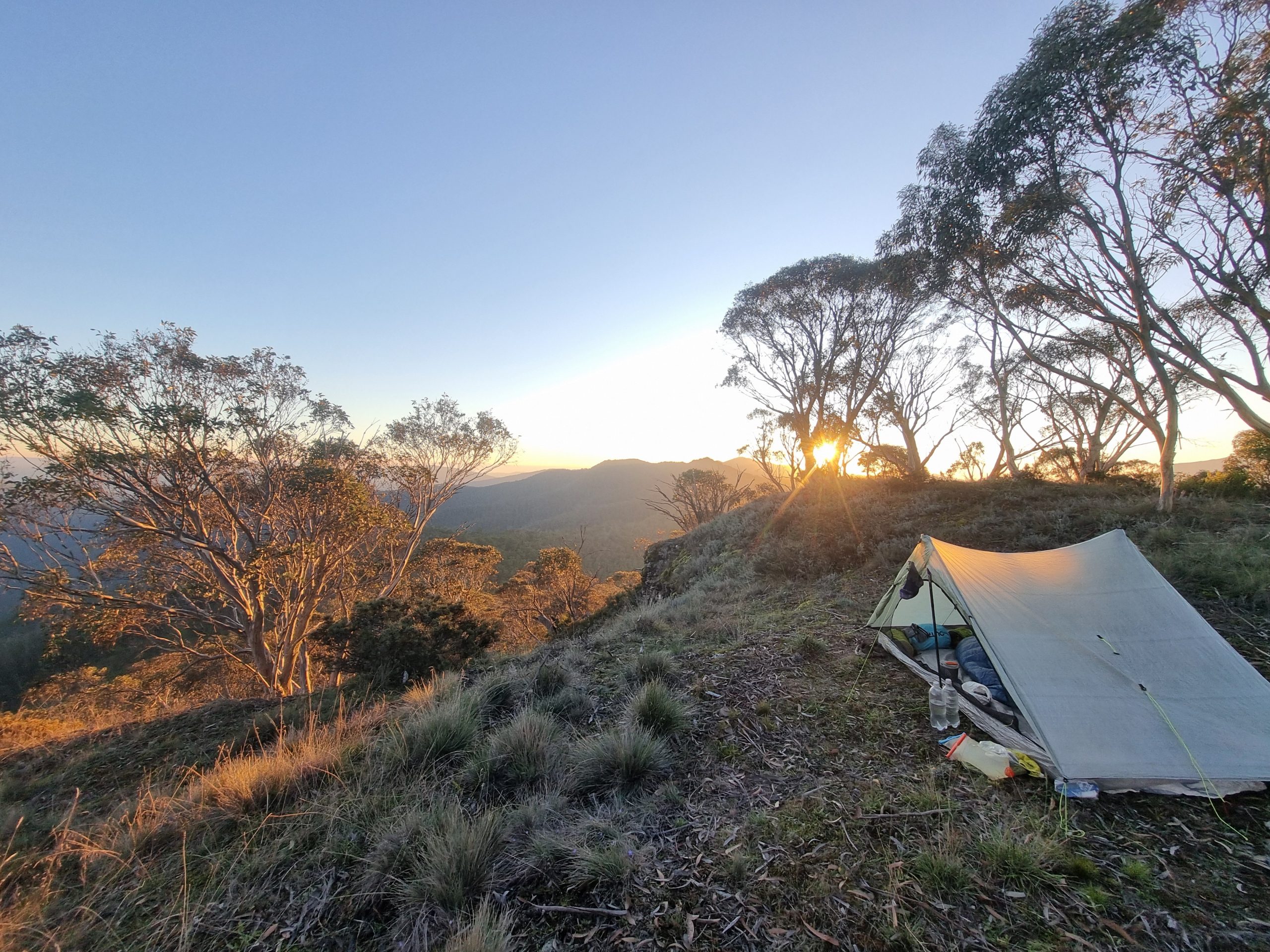
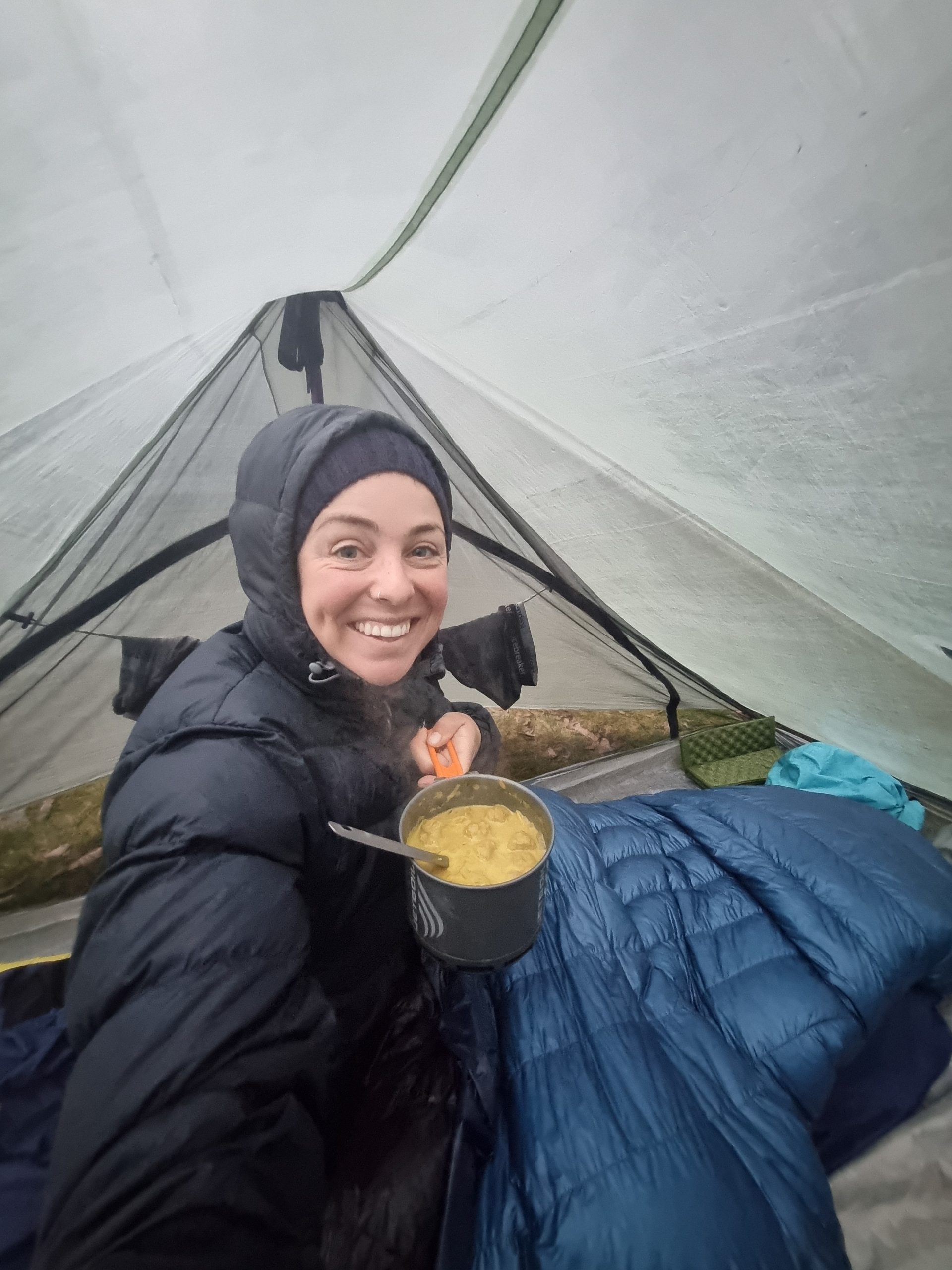
  • Tent condensation build up is trying, but became part of daily routine A morning wipe down with a microfibre cloth and air out at the next campsite.
  • Trail magic is real After bashing and tripping my way through a gnarly, unmarked and overgrown section of track to Buckwong Creek(and losing my hiking sticks/and tent poles), a complete stranger offered mew their should to cry on.
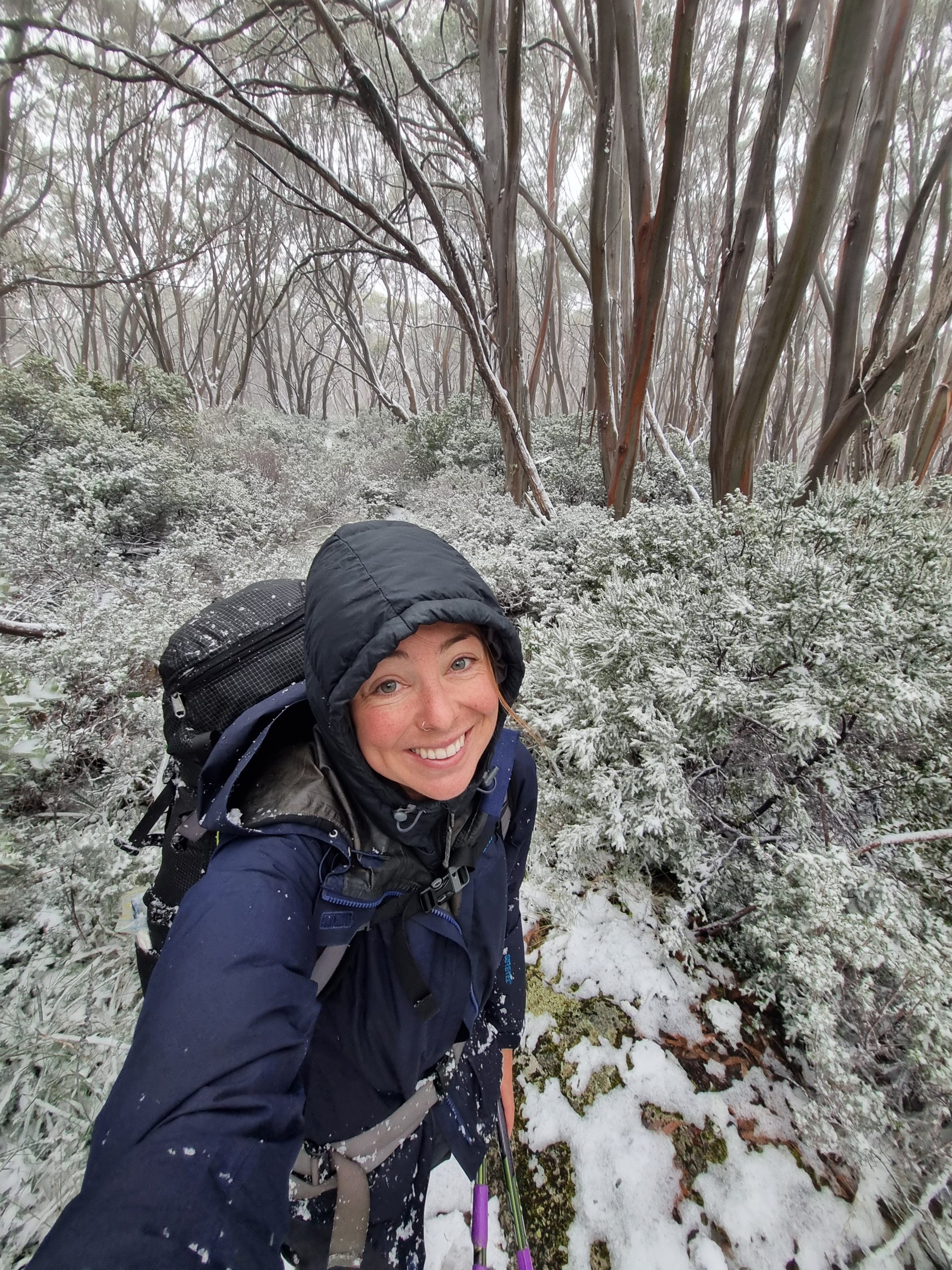
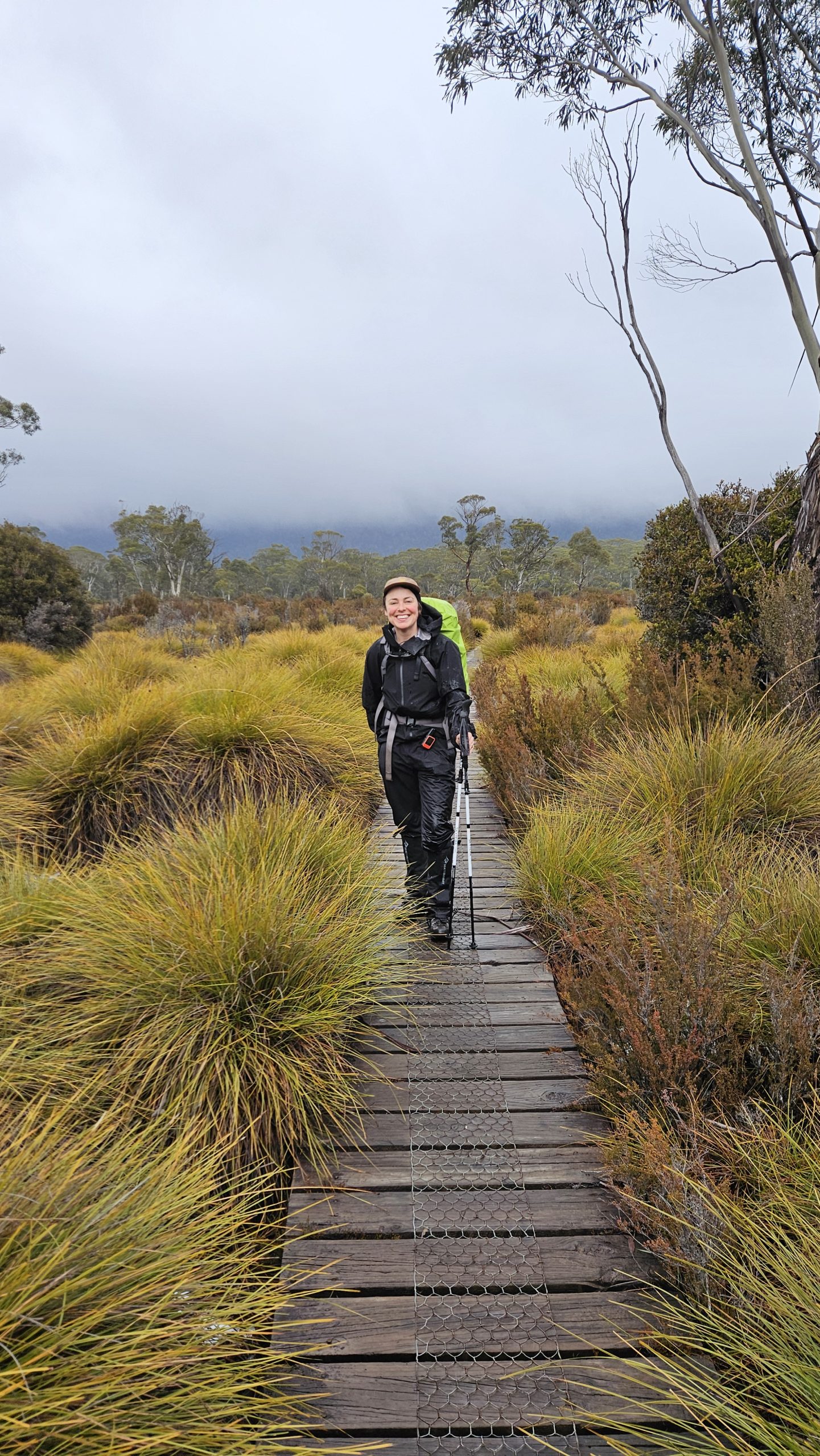
  • Walking in soaking clothes, shoes and socks isn’t fun, and can be dangerous If I were to do it all again, I’d wear waterproof socks (instead of merino), waterproof boots (not trail runners) and test out my waterproof outer layers (which wet out too quickly). Wet gear coupled with unexpected snowfall severed up a massive challenge.
  • Spraining your ankle doesn’t mean game over I hiked the last 130km on a painful sprained ankle, aided by strapping tape, pain killers, and music.
  • Talking to yourself, or a video camera (phone) is a great way to ease the silence and keep moral high.

Australian Alps Walking Track key facts & figures

A wild trek through Australia’s alpine highlands, weaving rugged peaks, windswept meadows, hidden streams, and historic huts tucked in untamed wilderness.

  • Distance: ~655 km (without side trips)
  • Duration: 5–8 weeks
  • Trail type: End-to-end
  • Difficulty: Challenging (Grade 5)
  • Permit: No general permit; some parks require camping permits
  • Season: No formal season (but most avouid winter)
  • Total elevation gain: ~30,000 m over full trail
  • Highest point: 2,228 m (Mount Kosciuszko)
  • Water: Streams, lakes, food drops & tanks
  • Camping style: Remote bush camps (alpine huts for emergencies)
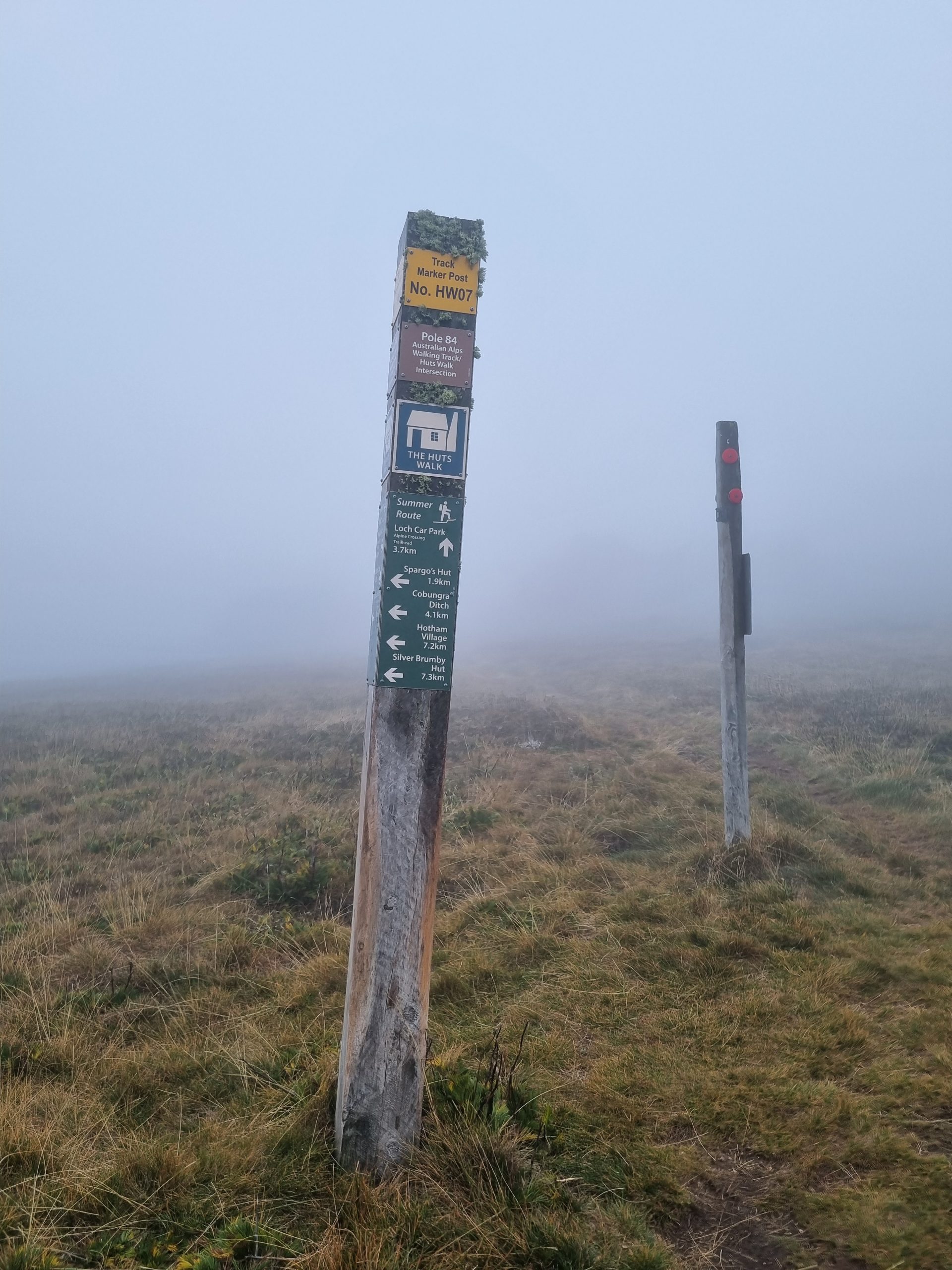
  • Infrastructure: Minimal — huts with drop toilets, minimal furniture and fire places, limited signage/trail markers, occasional water tanks
  • Mobile reception: Very limited (on several summits) to none in remote alpine sections

Australian Alps Walking Track transport & logistics

It’s fair to say my approach to logistics — particularly food drops and zero days — was fairly unique. My wife hand-delivered four of my five food drops, pairing two with zero days and the rest with a sweet hour or so together on trail. It streamlined the logistics and kept morale high.

  • Pre-trail stay: I spent two nights house and pet-sitting in Canberra, which provided space, access to retail stores, and a calm base to finalise preparations and last-minute gear tweaks
  • Getting to the trailhead: I was dropped at the southbound trailhead by my wife, setting off from Tharwa with a full pack and heightened emotions
  • Food drops: Food drops took place at Kiandra (NSW), Thredbo (NSW), Glen Wills (Omeo Highway, VIC), Hotham (Marouka Lodge, VIC), and
  • Jamieson–Licola Road near Rumpff Saddle (VIC).
  • Zero days: Zero days were taken at Jindabyne (Siesta Villa), around a 35-minute drive from Dead Horse Gap, and at Glen Wills Wilderness Retreat, just 10 minutes from Sunnyside (where the AAWT meets the Omeo Hwy). A half-day and overnight stop was also spent at Marouka Lodge, Hotham.

Food drop options: If you don’t have support on the ground, there are commercial food-drop services that service parts of the route (like Australian Alps Trek Support). They require forward planning, flexibility, and a good understanding of seasonal access — but make a huge difference for solo hikers. Alternatively, posting food parcels to accommodation locations (like Marouka Lodge and Glen Wills) is also a good option.

Australian Alps Walking Track trail highlights

  • Summiting Mt Bimberi, Mt Kosciuszko, and Mt Bogong – the ACT’s, NSW’s and Victoria’s highest peaks
  • Climbing Mt Jagungal (2,061 m) and taking in panoramic alpine views
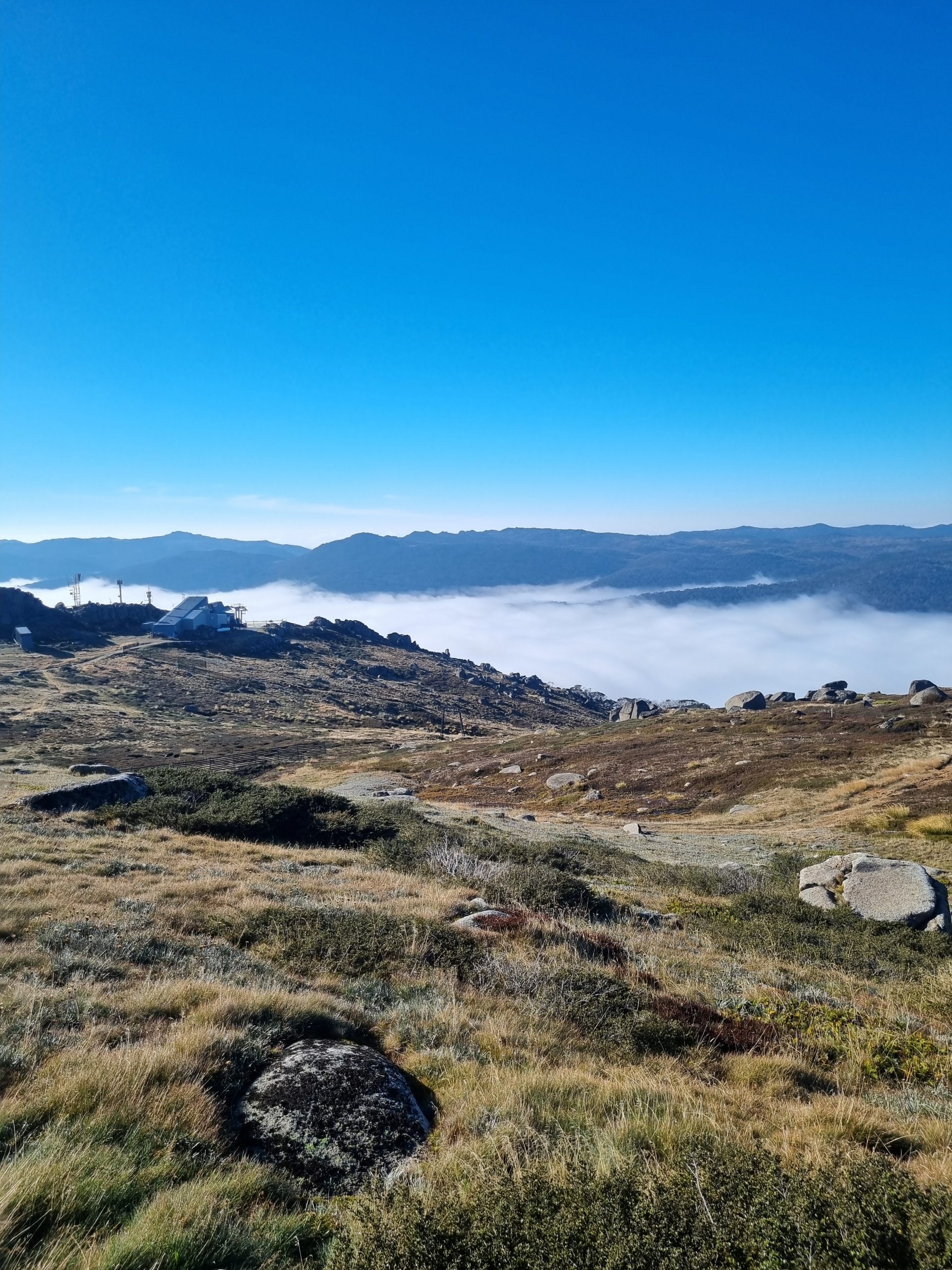
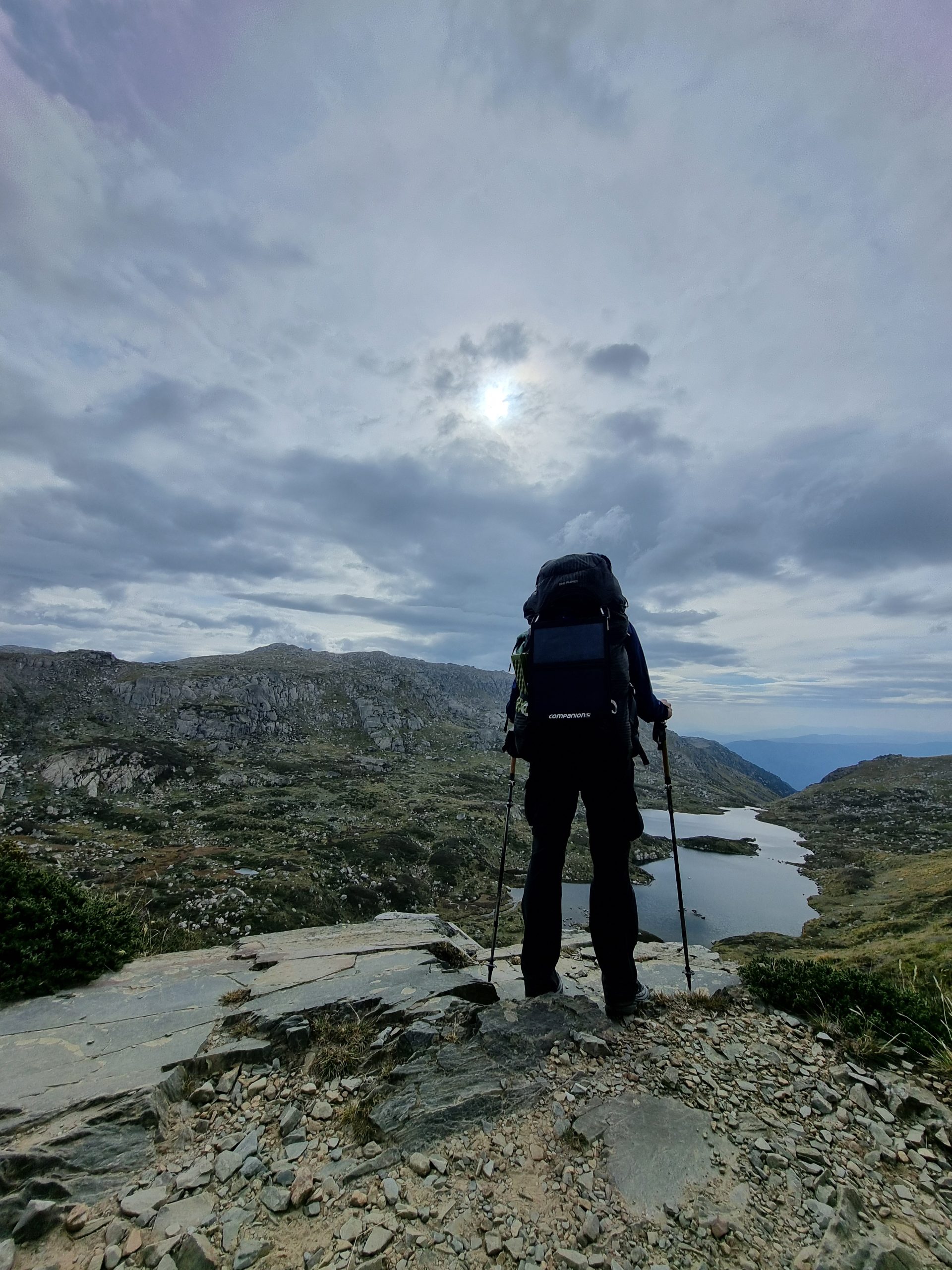
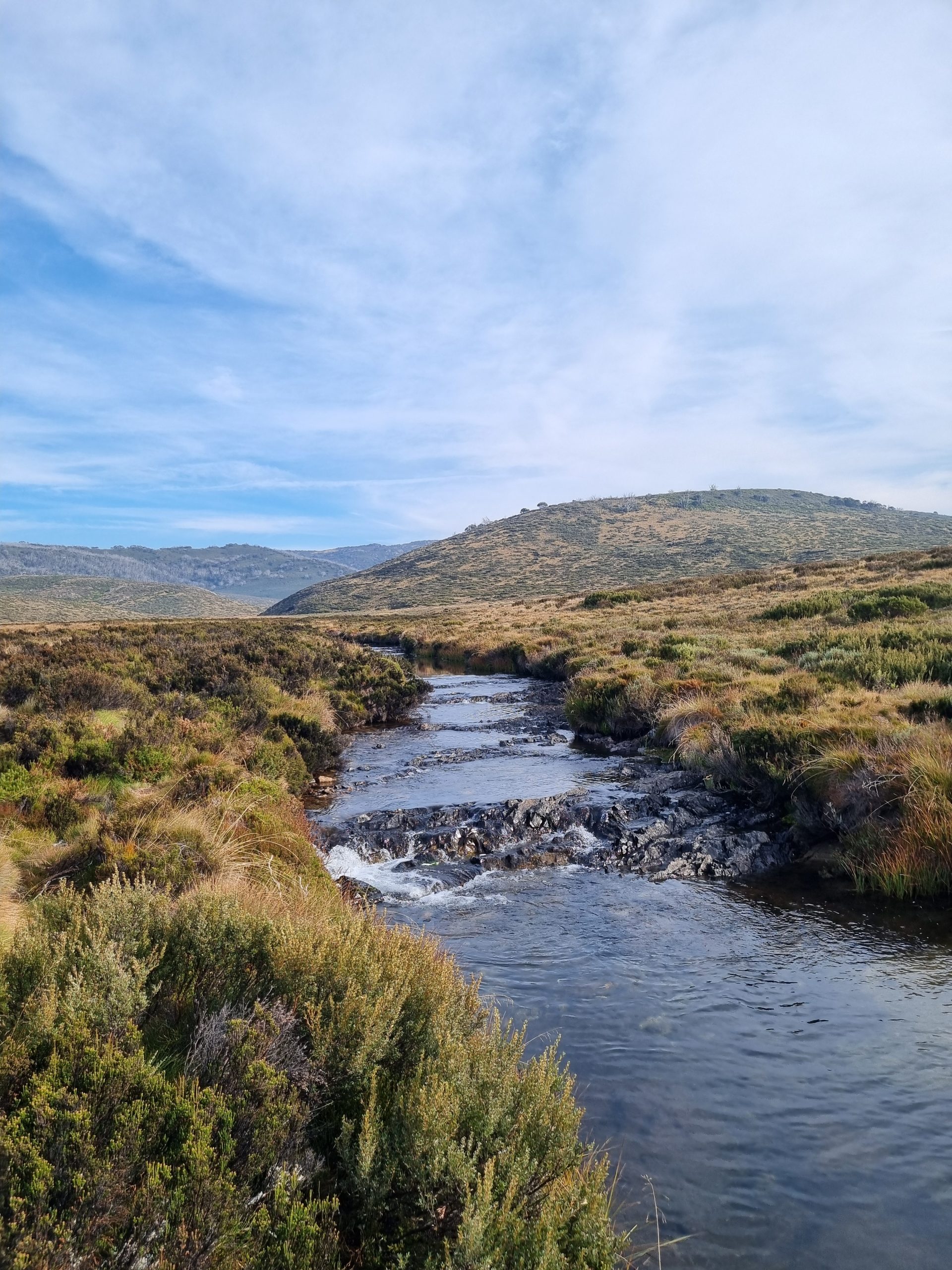
  • Traversing the remote high plains and alpine lakes of the Snowy Mountains
  • Hiking the Crosscut Saw — a ridge of 13 dramatic peaks.
  • Exploring Blue Waterholes, Murray Cave, Clarkes Gorge, and stunning rivers like the Mitta Mitta and Geehi
  • Trekking the spectacular Quartz Ridge, Main Range, and Rolling Grounds
  • Taking in sensational views from the peaks of The Viking and Mt Speculation
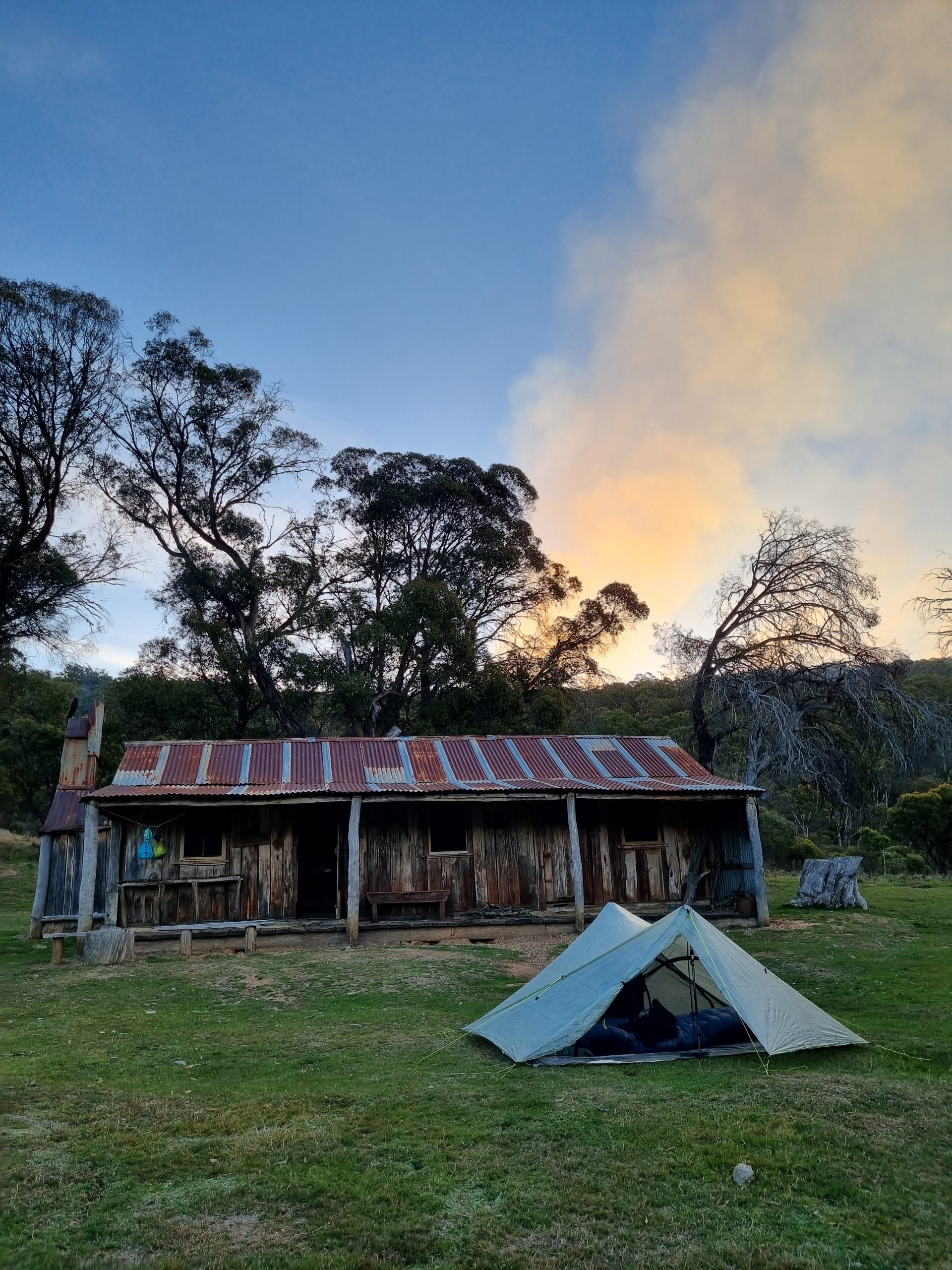
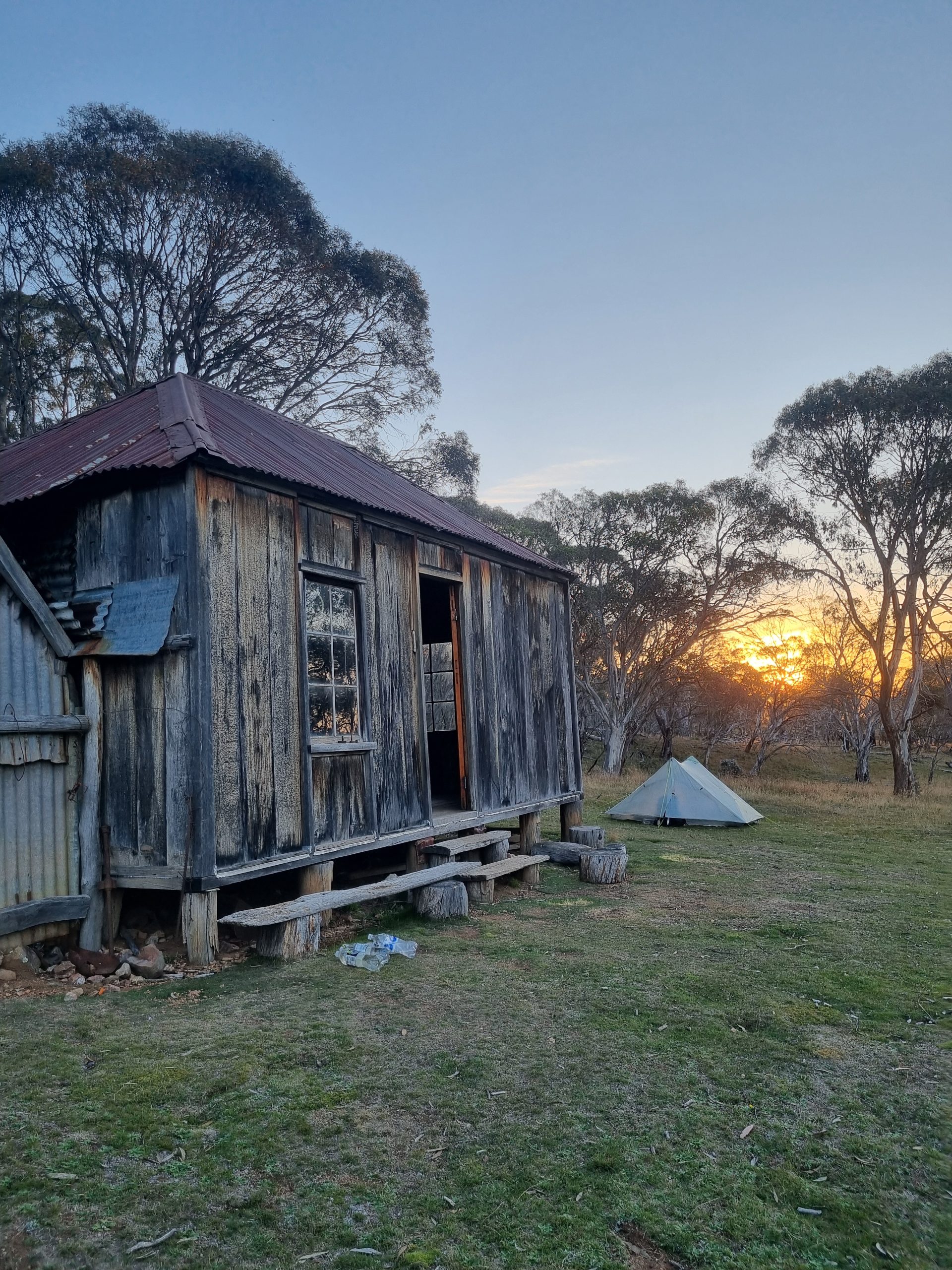
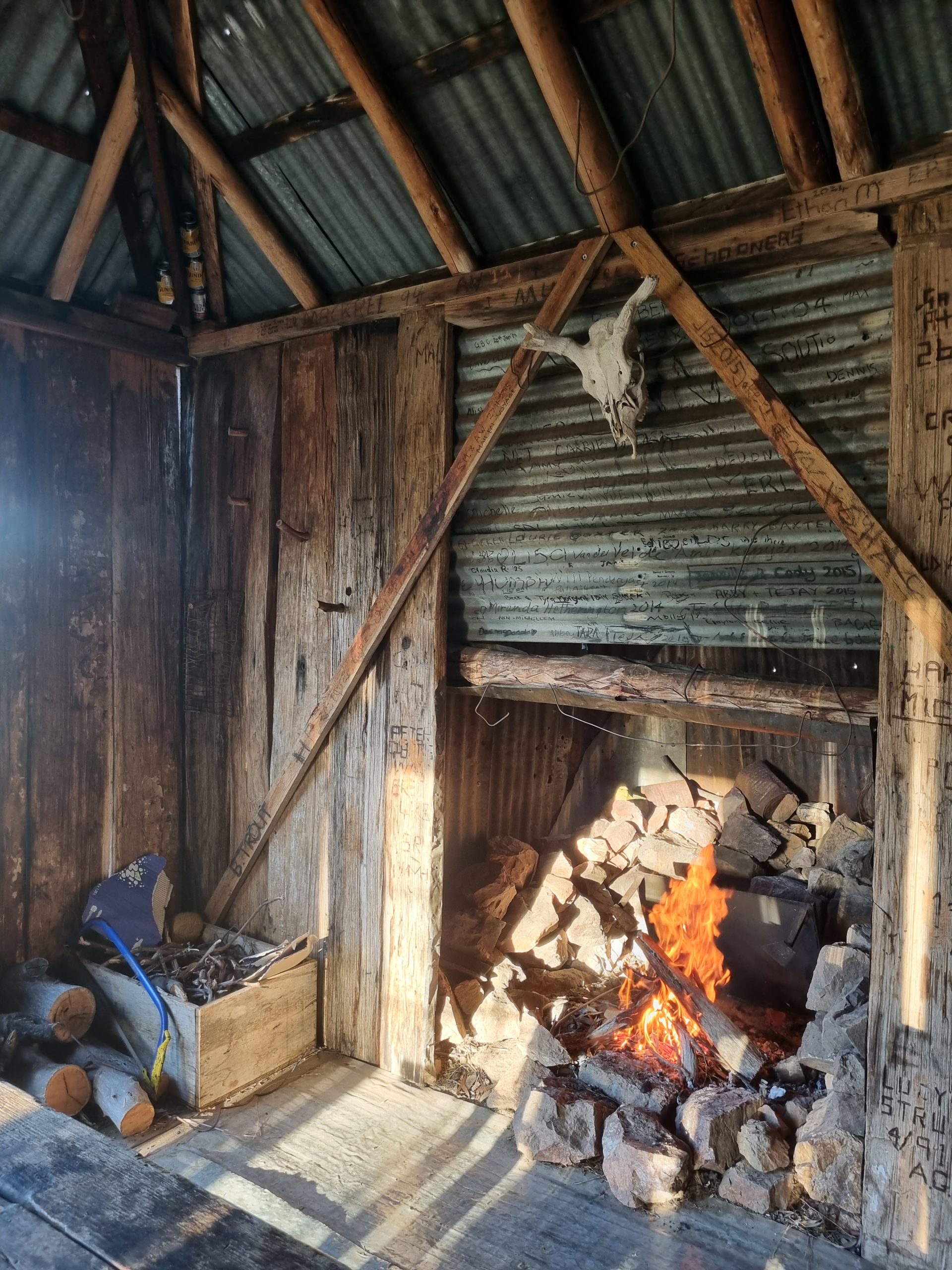
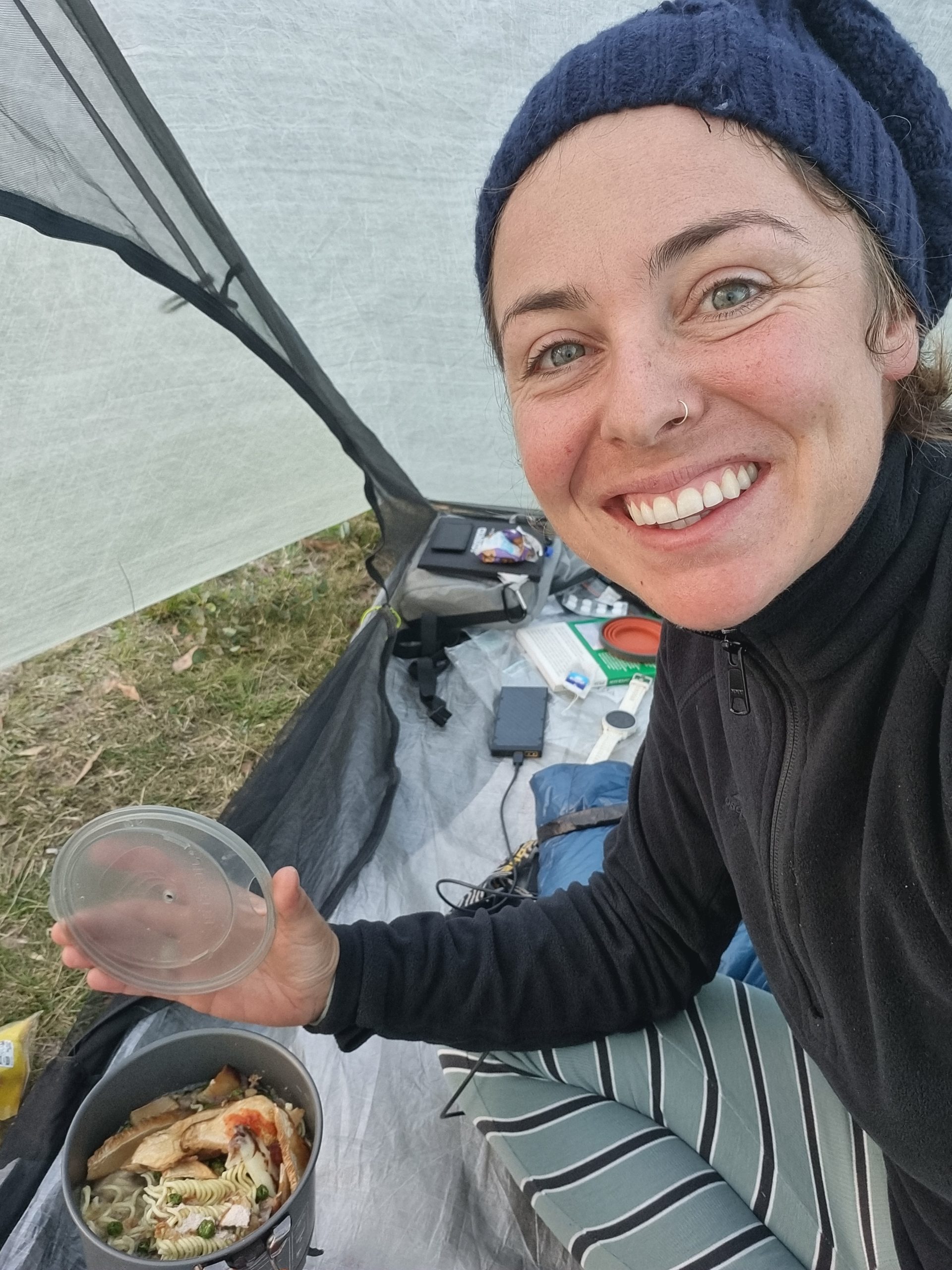
  • Sharing fire-side dinners at glorious historic alpine huts, solo or with fellow adventurers
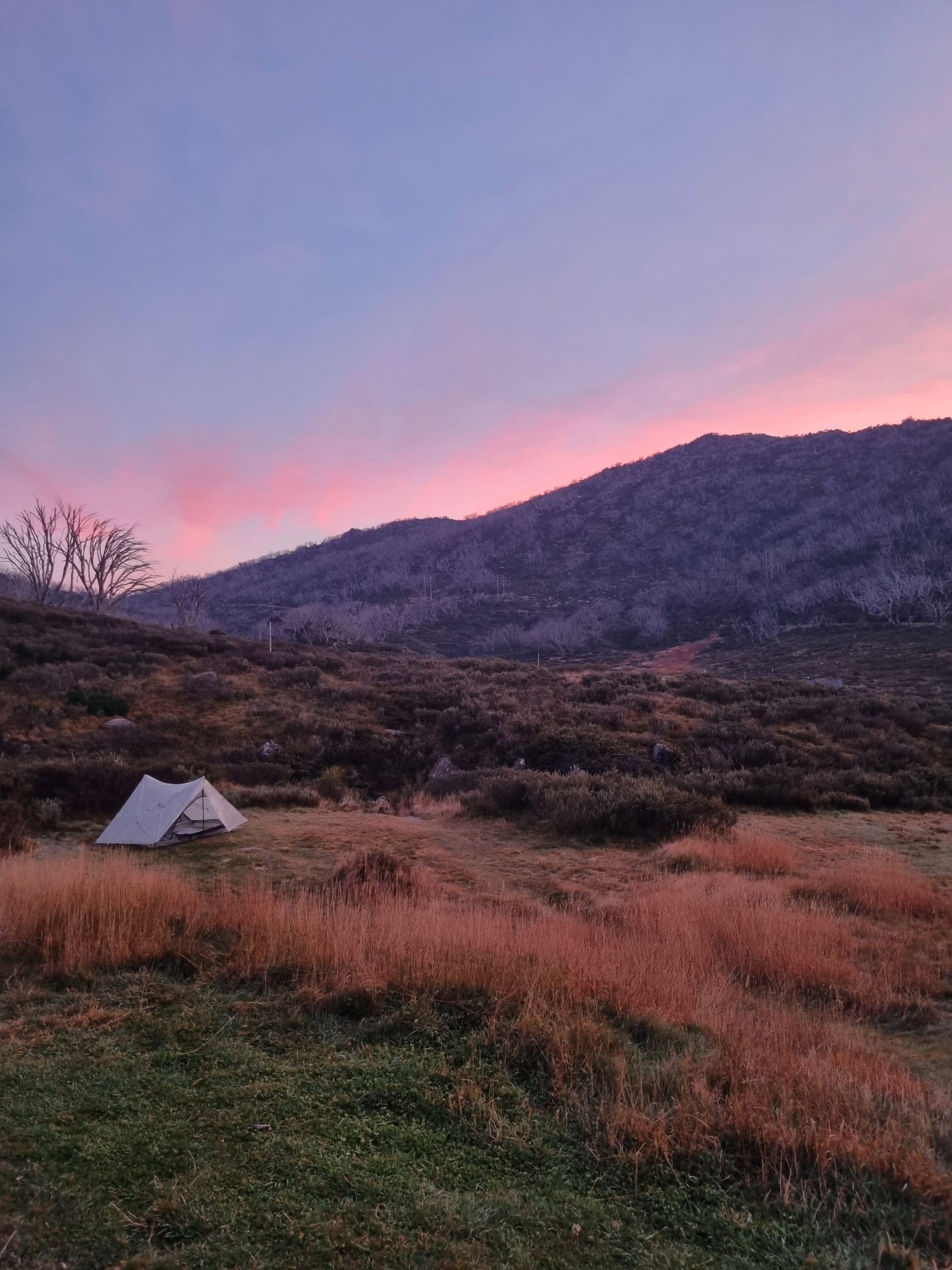
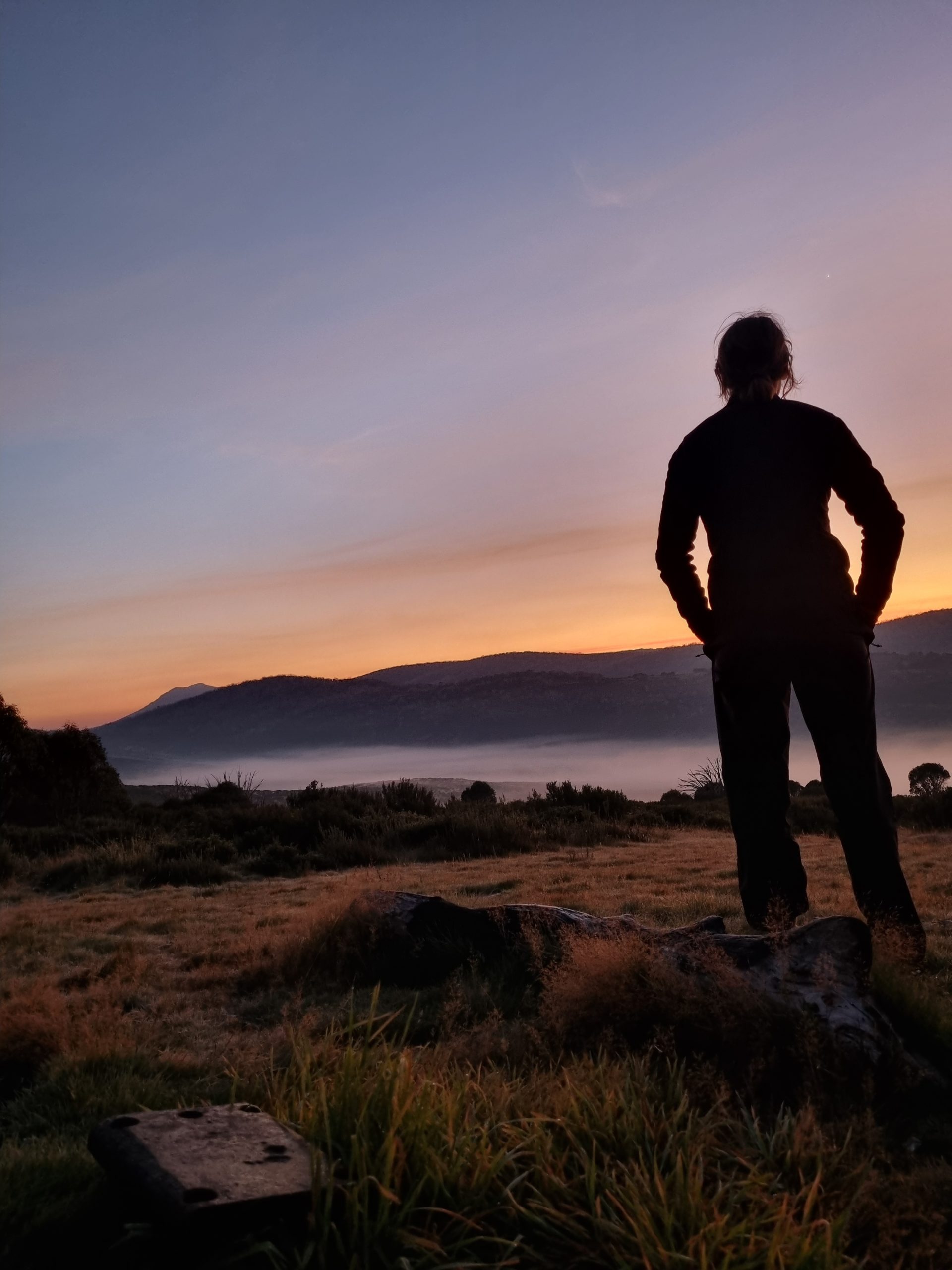
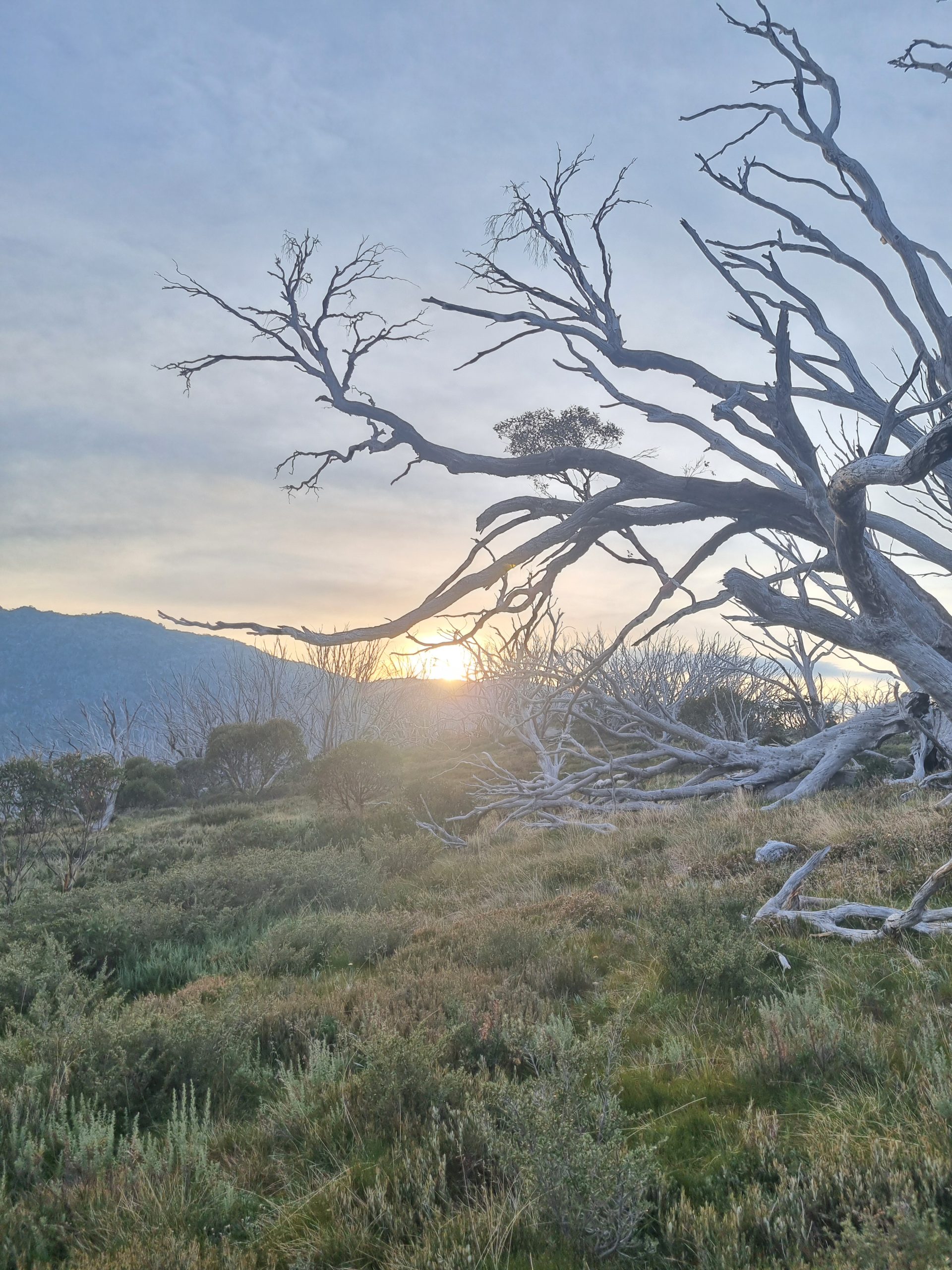
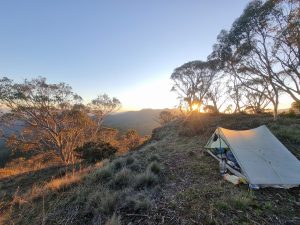
  • Camping high on the range with epic sunsets and sunrises
  • An ANZAC Day long-weekend pilgrimage style walk to Dibbins Hut, with around 40 people on trail
  • Waking up to snow-covered mountains and the wild beauty of Baw Baw National Park
  • Hitching into Hotham for a warm bed and hot chips
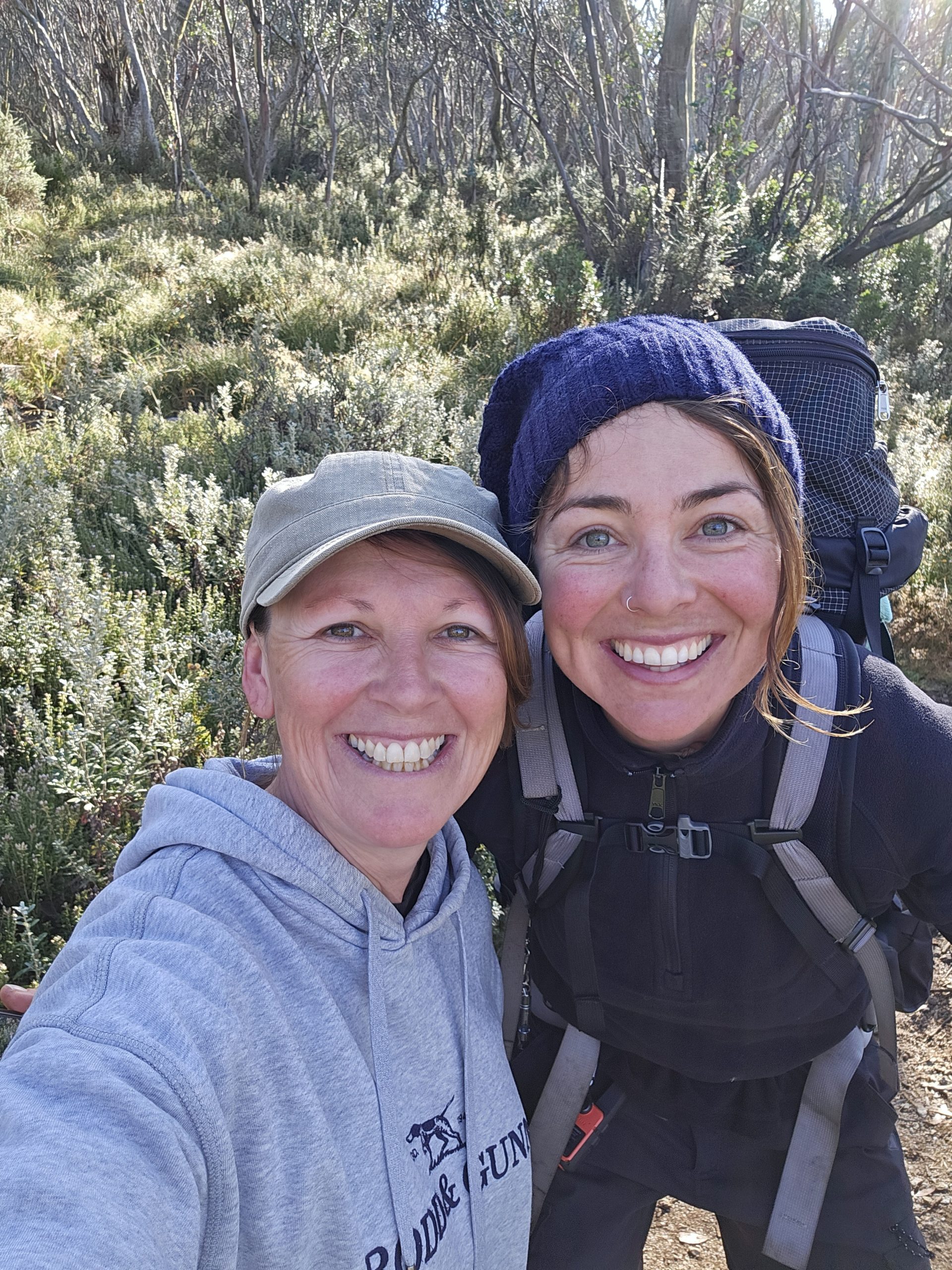
  • Kindness from lovely souls, when I needed it most
  • A night with members at the one-of-a-kind Cleve Cole Hut ‘bar’
  • Food drops hand delivered by my Trail Angel wife (complete with baked goods, clean underwear and cuddles)
  • Celebrating the halfway mark with my wife Jane at Glen Wills Wilderness Retreat

Why hike the Australian Alps Walking Track?

  • Take on an epic thru-hike that rewards endurance with unforgettable scenery
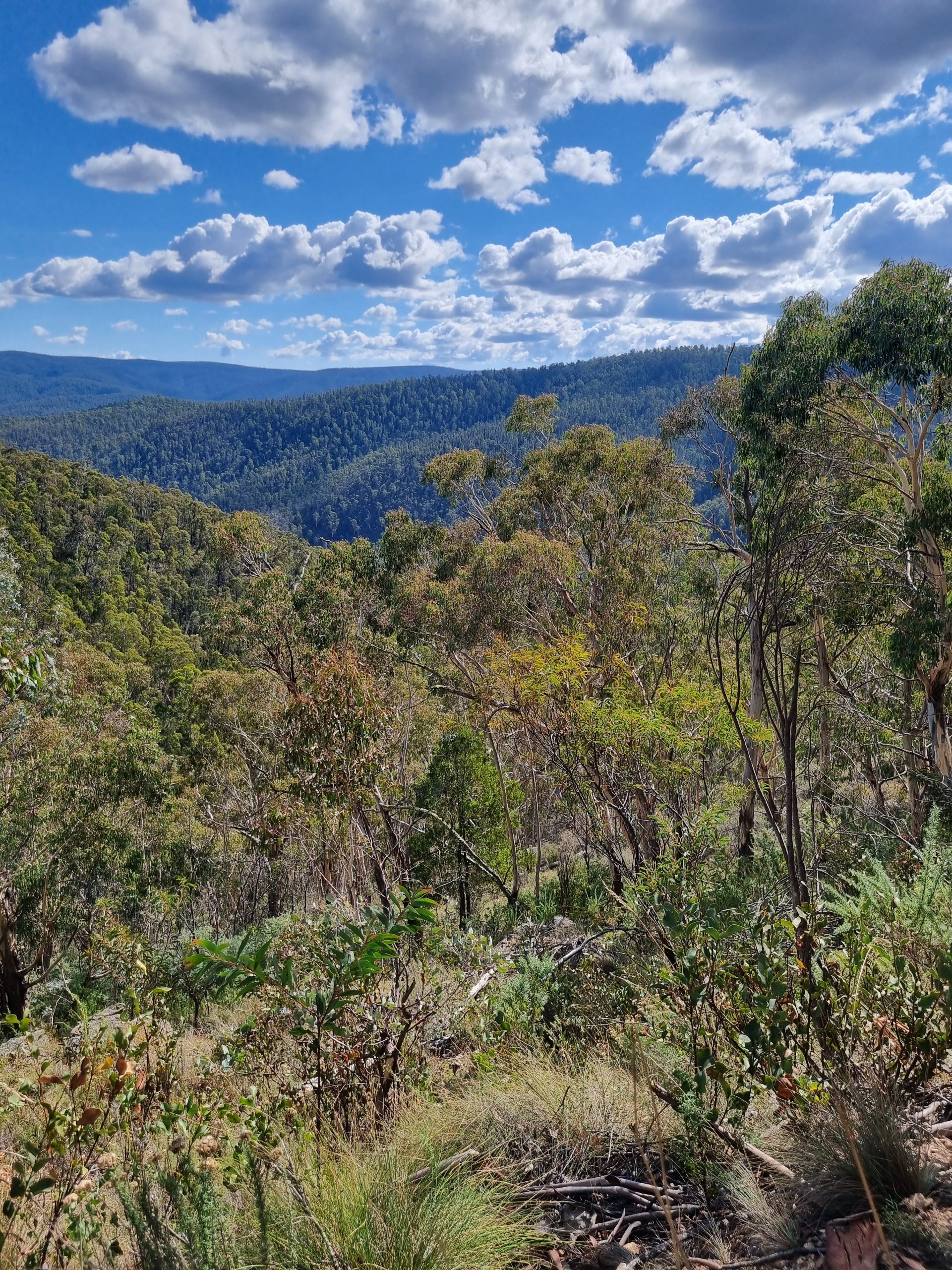
  • Experience raw alpine wilderness few get to see firsthand, including rugged mountain ranges
  • Challenge both mind and body on a true wilderness adventure
  • Sleep under the stars and enjoy dinner by the fire in historic alpine huts
  • Test your navigation, planning, and survival skills in remote alpine terrain
  • Traverse a variety of landscapes, from windswept high plains and alpine meadows to sparkling rivers and hidden gorges

Skill level & preparation for the Australian Alps Walking Track

You should be comfortable with:

  • Multi-day hiking with a full pack over rugged alpine terrain
  • Long climbs, steep descents, and uneven rocky paths
  • Carrying all food, water, and gear for remote sections
  • Navigating with various aids (maps, trail notes and GPS apps) — mobile reception is scarce
  • Facing rapidly changing weather, from wind and cold to occasional snow
  • Being fully self-sufficient, with only basic shelter in historic huts

Australian Alps Walking Track permits & bookings

  • Permits: No general hiking permit; some parks have camping restrictions
  • Parks access: Park passes not required for pedestrian access (vehicle passes needed if driving into some national parks (e.g., Kosciuszko NSW, Alpine VIC)
  • Camping: Mostly wild camping, with some designated areas, or in vicinity of huts. Huts for emergencies only.
  • Campsite fees: None for most camps, minimal for a handful (I.e. $11 for Honeysuckle Camp, ACT)
  • Peak season: Late spring to early autumn is busiest — plan ahead

When to hike the Australian Alps Walking Track

  • Best time: Late spring to early autumn (November–April)
    Why: Snow has melted, alpine access roads are open, and conditions are best for extended wilderness hiking
  • Avoid: Winter and early spring (June–October)
    Why: Heavy snow cover, extreme cold, closed roads and serious navigation risks

How the Australian Alps Walking Track compares

  • Vs. Larapinta Trail (NT)
    Longer (650 km v 223 km), alpine instead of desert; more complex logistics with huts, food drops, and road-access points; higher overall difficulty and substantial elevation gain

Final word: Who the Australian Alps Walking Track is for

The Australian Alps Walking Track is for experienced, self-reliant hikers ready to put their skills to the test on a long, demanding journey through wildly beautiful alpine wilderness. If you’re drawn to solitude, big days, glowing hut fires and the deep satisfaction of earning every kilometre, this is the kind of trail that seeps into your soul and lingers long after the boots come off.

Handy resources for the Australian Alps Walking Track

Here’s some key resources to help you plan your epic AAWT thru-hike:


  • Guidebooks & planning
    AAWT Guidebook – Track notes, maps, and planning tips (a must-have)


Essential packing checklist

Check out our complete hiking pack list, fine tuned over 6+ years.

Chasing more epic trails?

Explore our other Australian hiking guides — from rugged alpine tracks to remote coastal walks and desert treks.

Each guide includes practical tips, itineraries and planning advice to help you hit the trail with confidence.

Share:

More posts

Want to roam with us?

Sign up to receive our latest travel stories, tips, tricks and destination guides.

Want to roam with us?

Sign up to receive our latest travel stories, tips, tricks and destination guides.

We honour the ancient cultures of the First Nations peoples whose land we travel.

Copyright © Franky Roams | 2026 | All Rights Reserved