Tackle the Three Capes DIY Style: Big views, small budget

Excerpt: From towering cliffs to hidden coves, our DIY take on the Three Capes offers 60 km of breathtaking coastal adventure and invites you to lose yourself in untamed beauty.

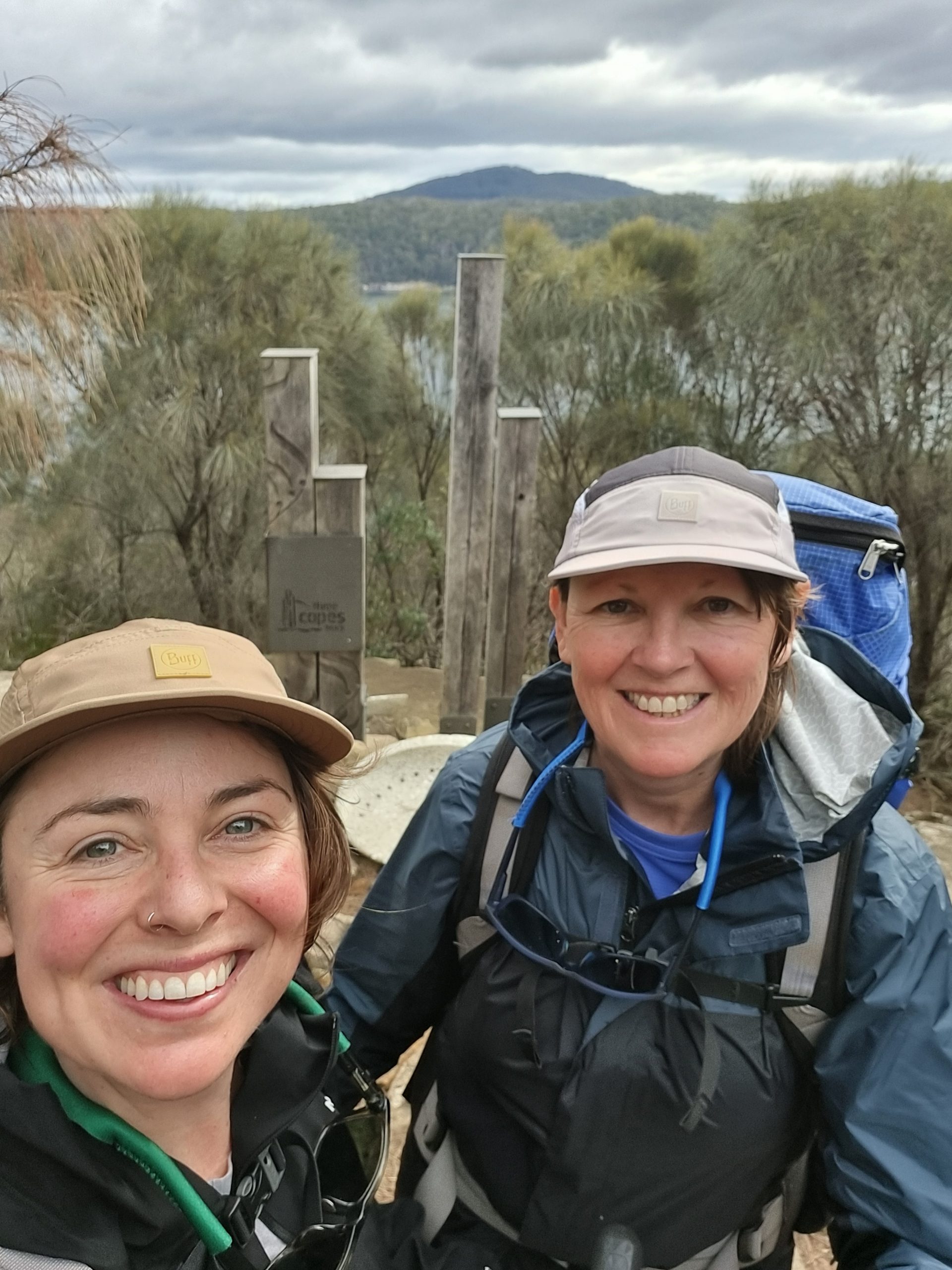
Go your own way on a self-guided journey along Tasmania’s breathtaking Three Capes

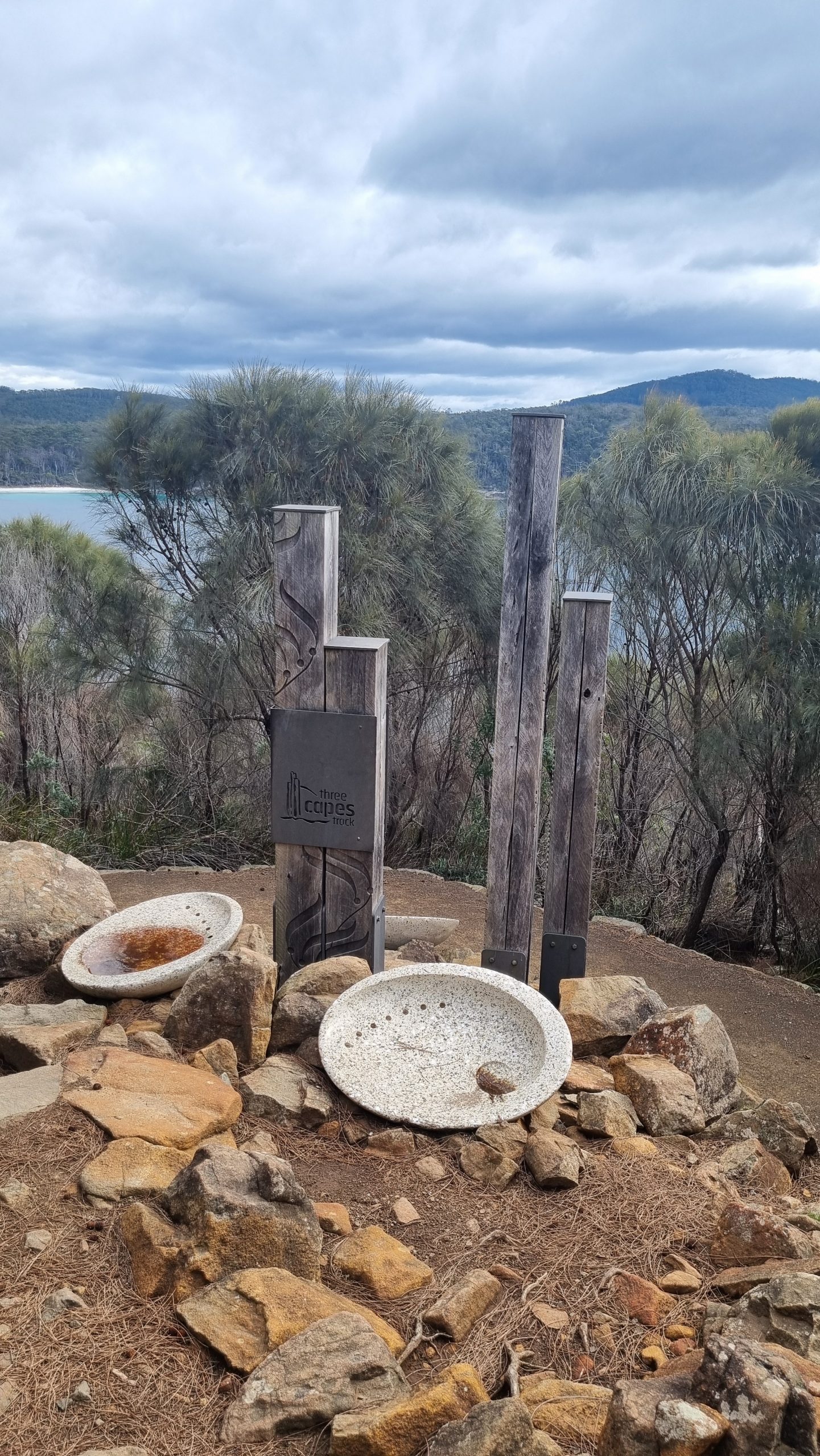
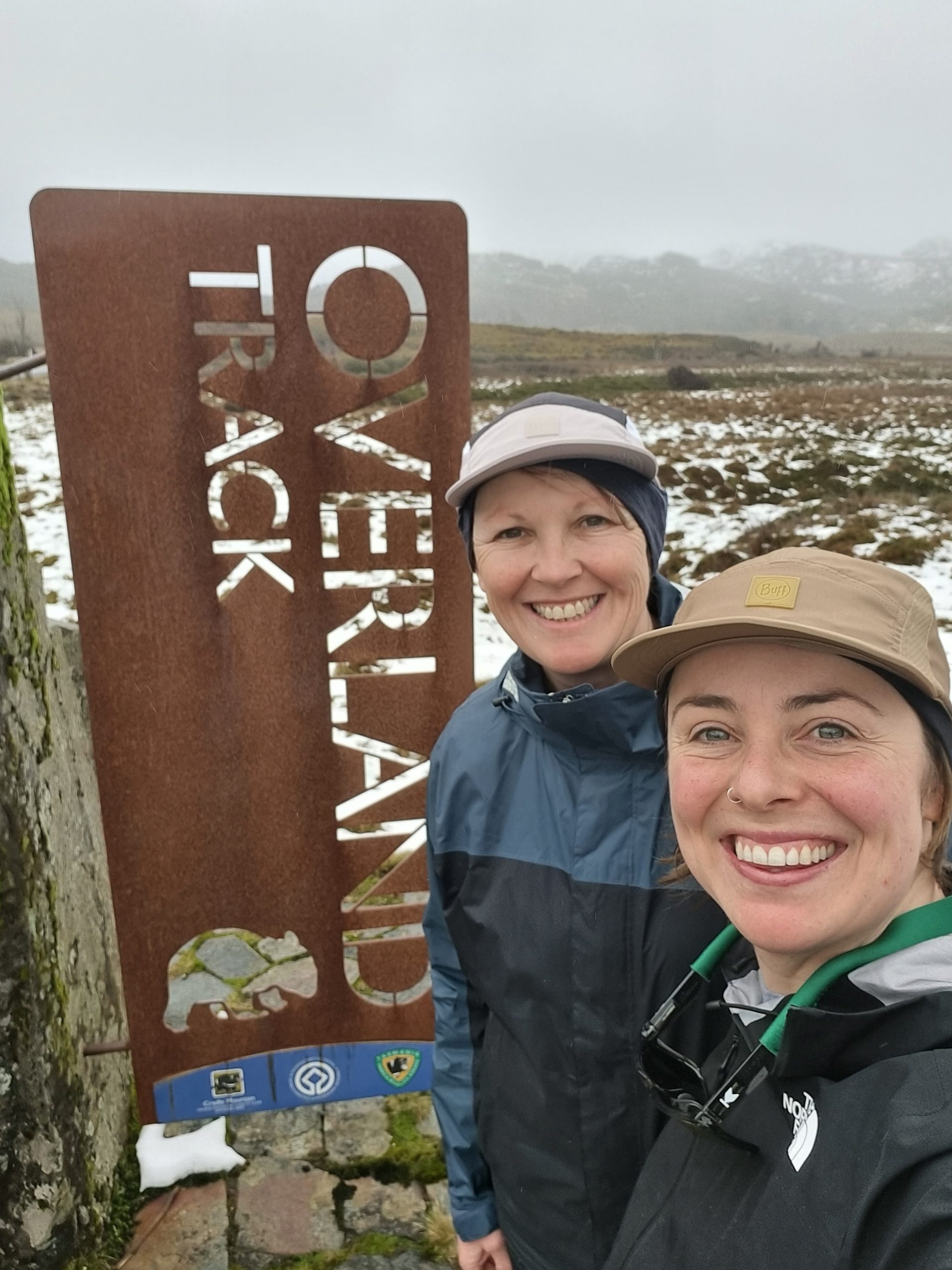
While the official Three Capes Track with its glammed-up cabins looks incredible, we wanted to keep things simple, budget-friendly, and make the adventure entirely our own.

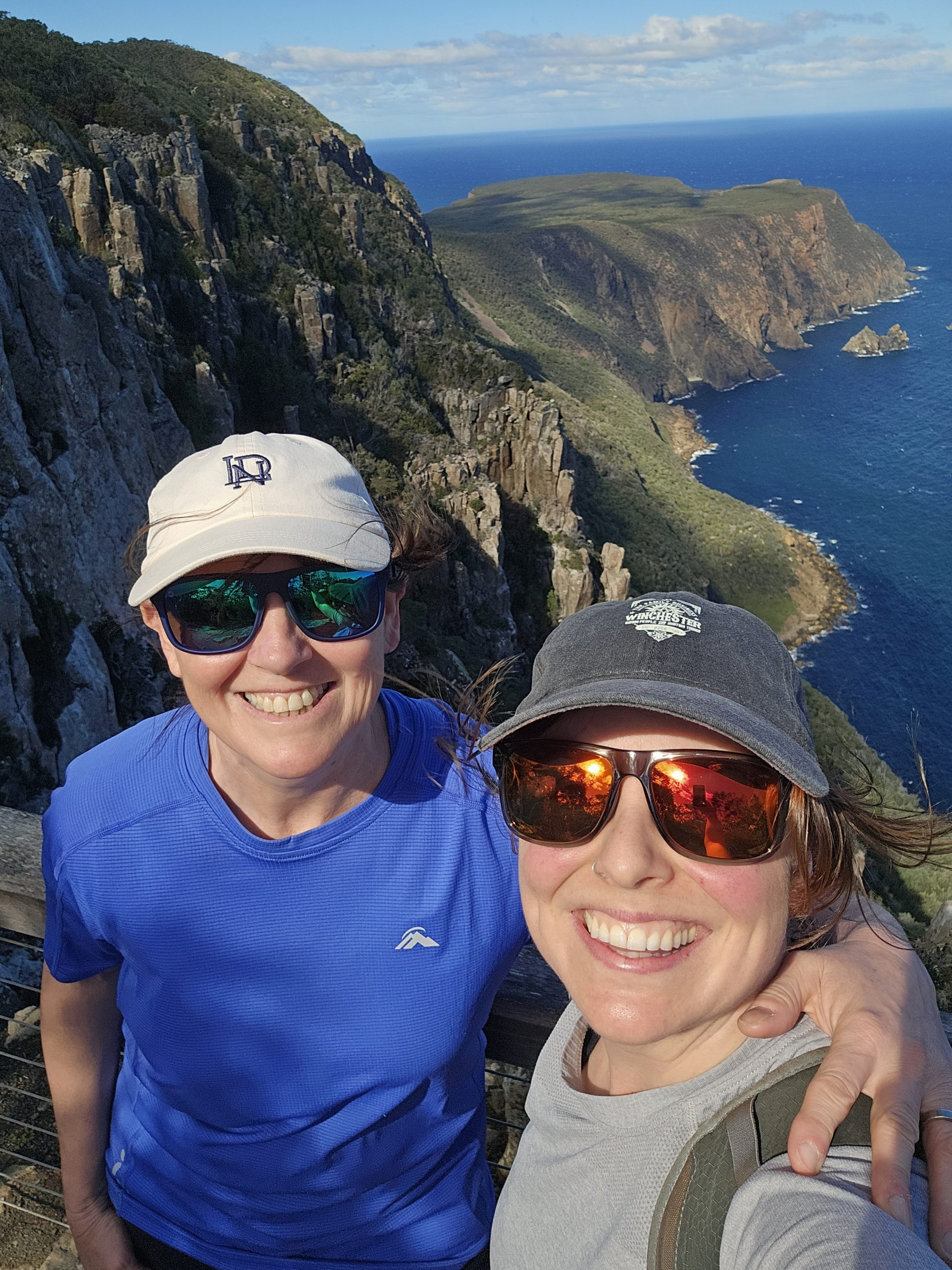
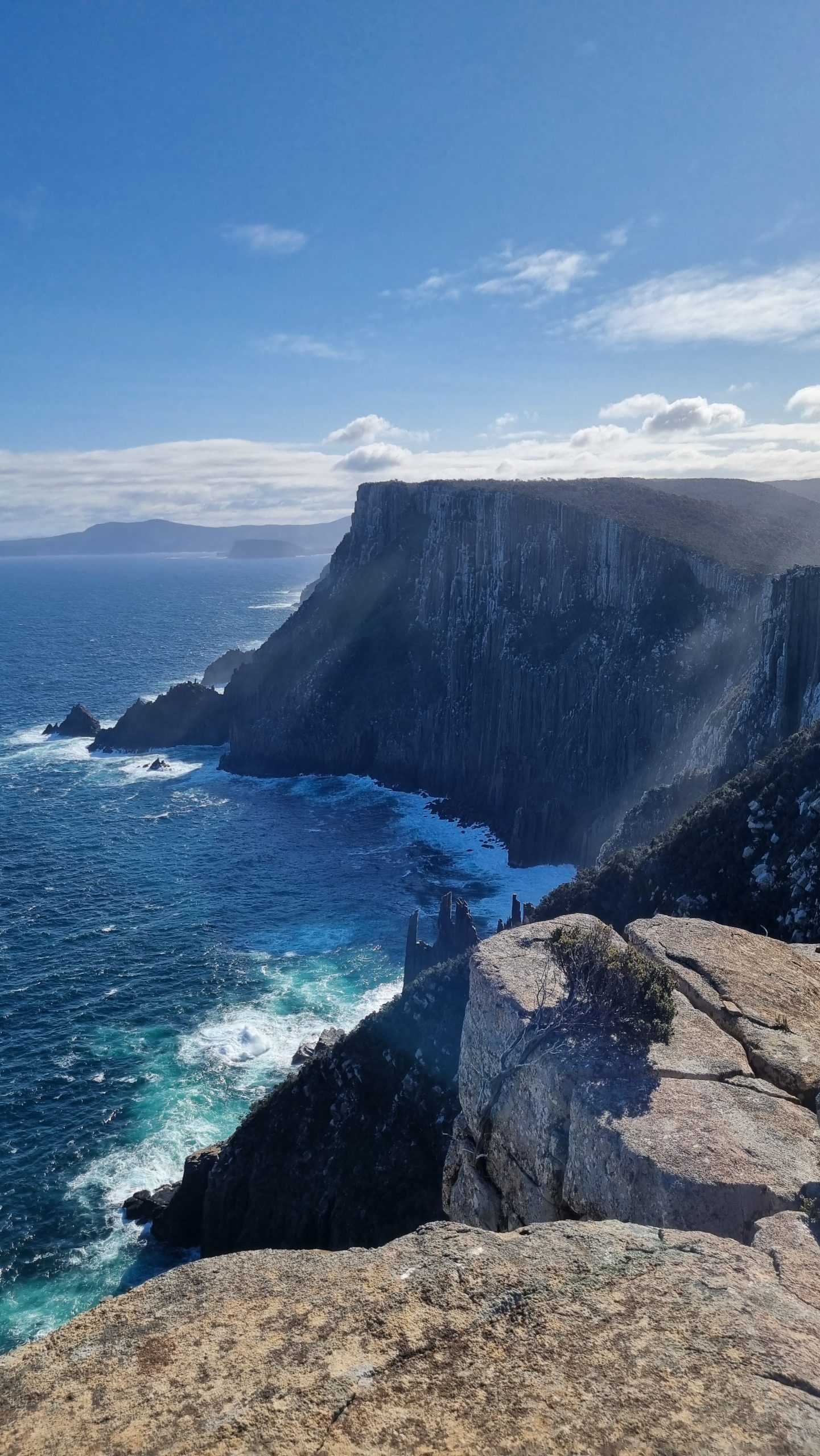
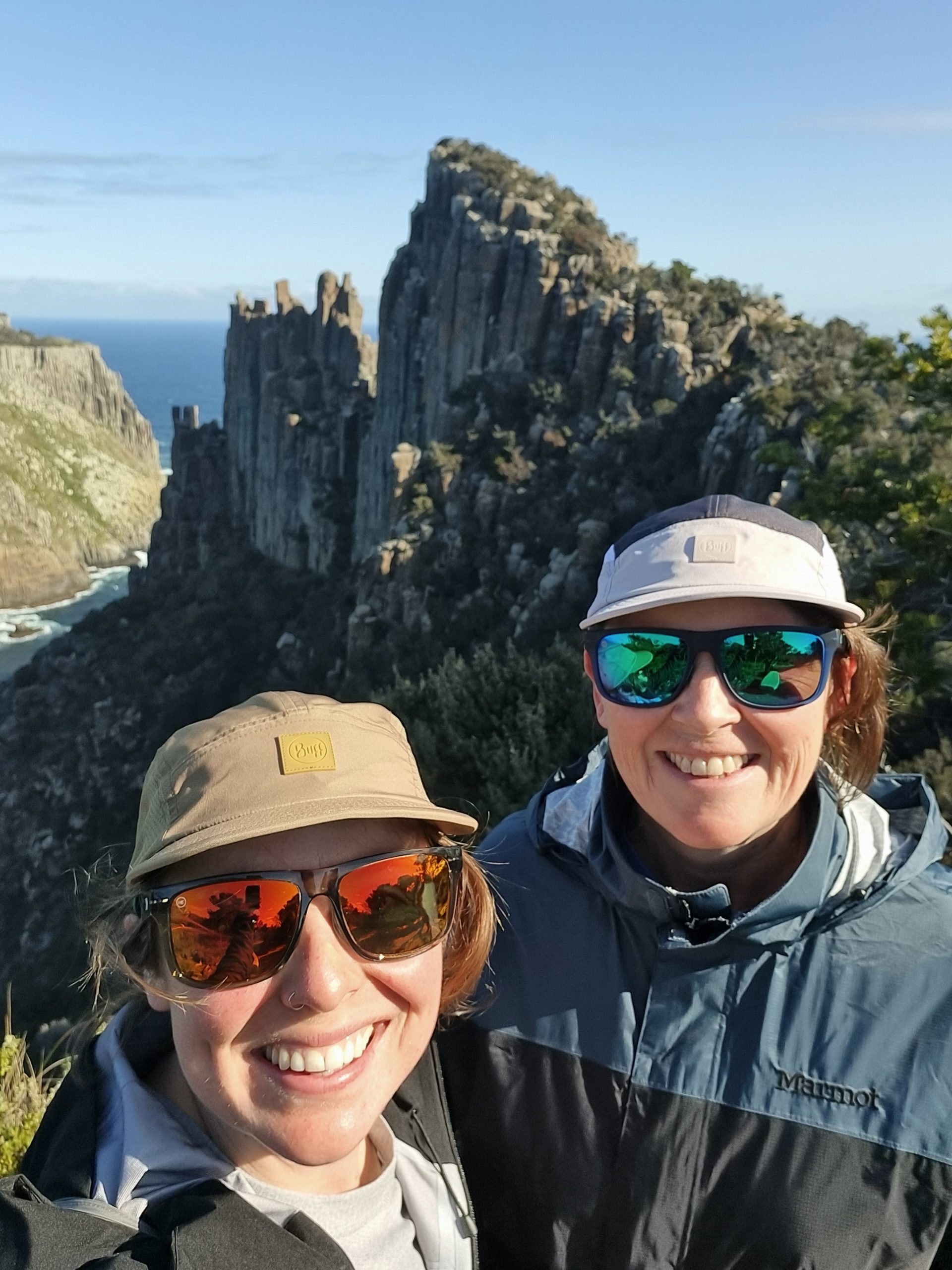
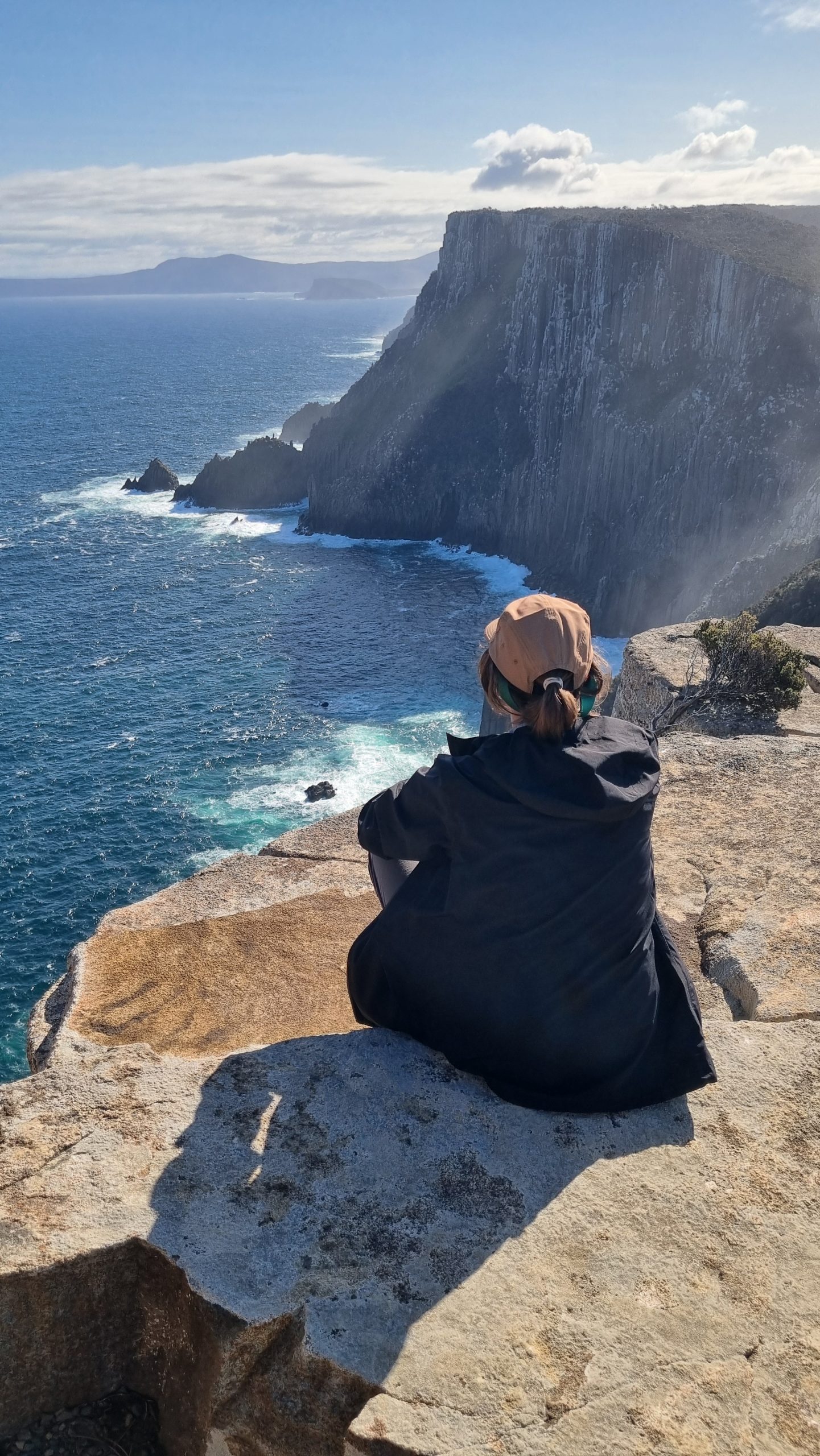
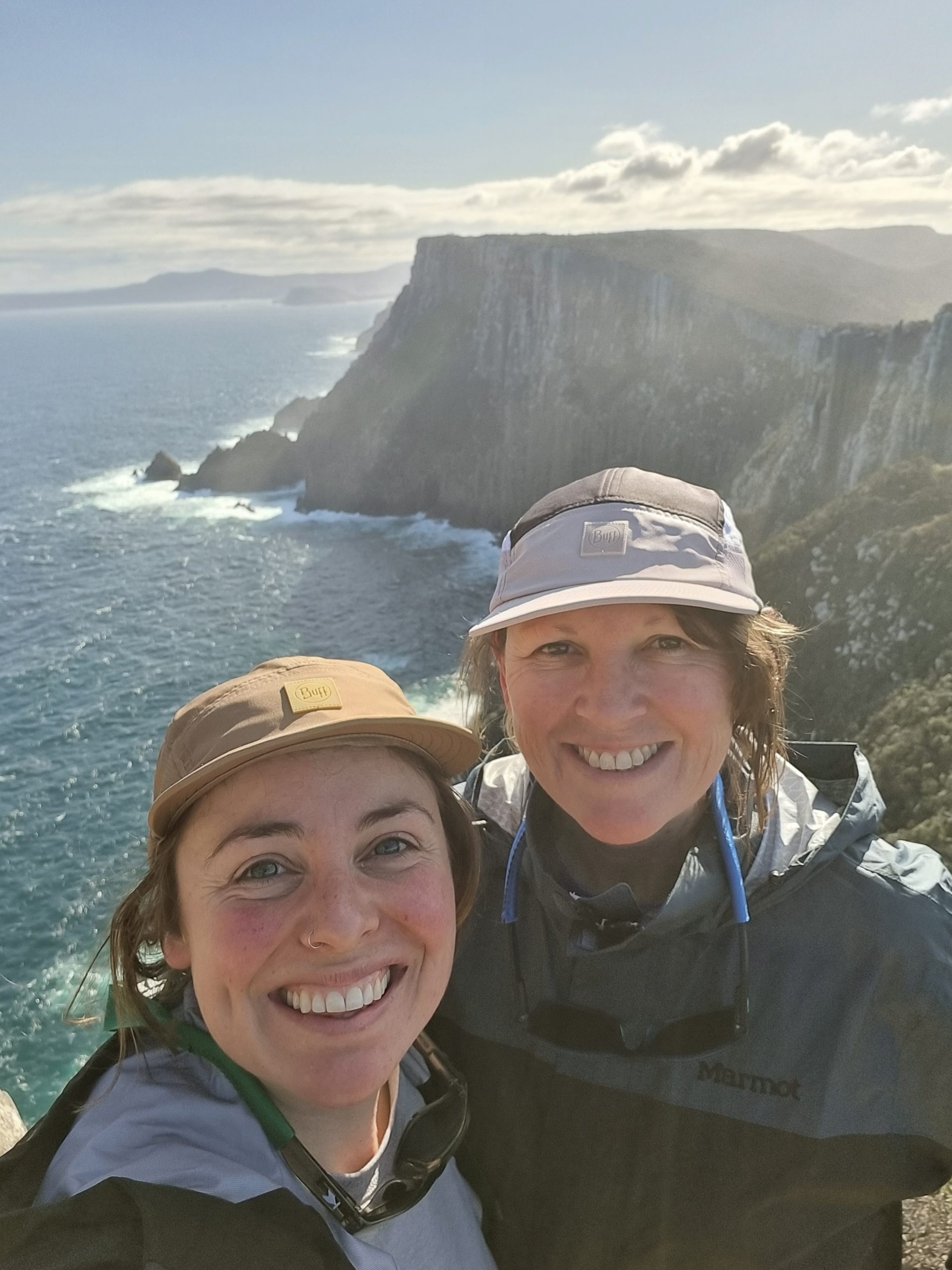
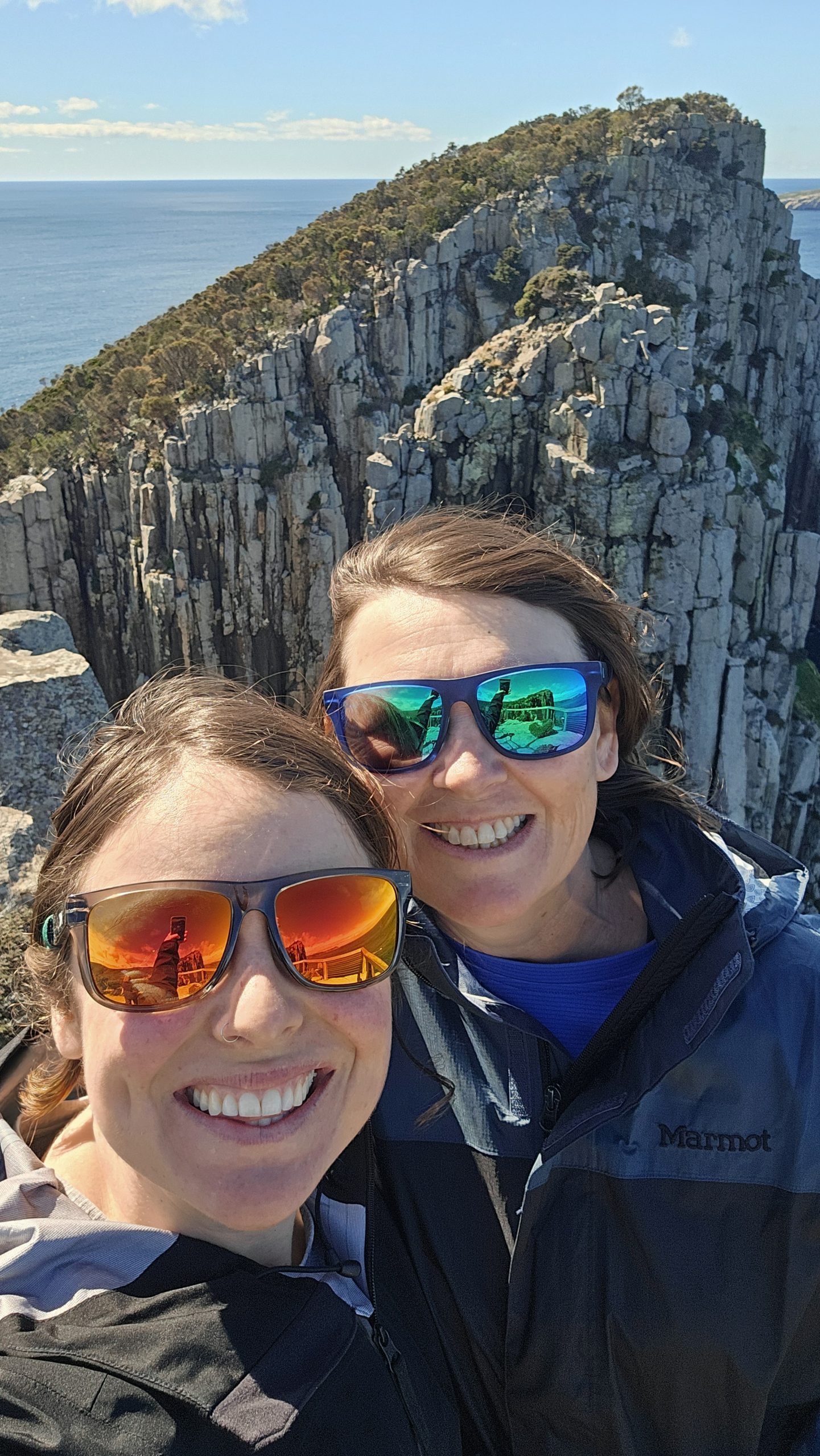
We set out on a 60km DIY adventure to the tips of Cape Raoul, Cape Pillar, and Cape Hauy—home to some of the most jaw-dropping sea cliffs in the world – and made a stop at the iconic Port Arthur Historic Site along the way.

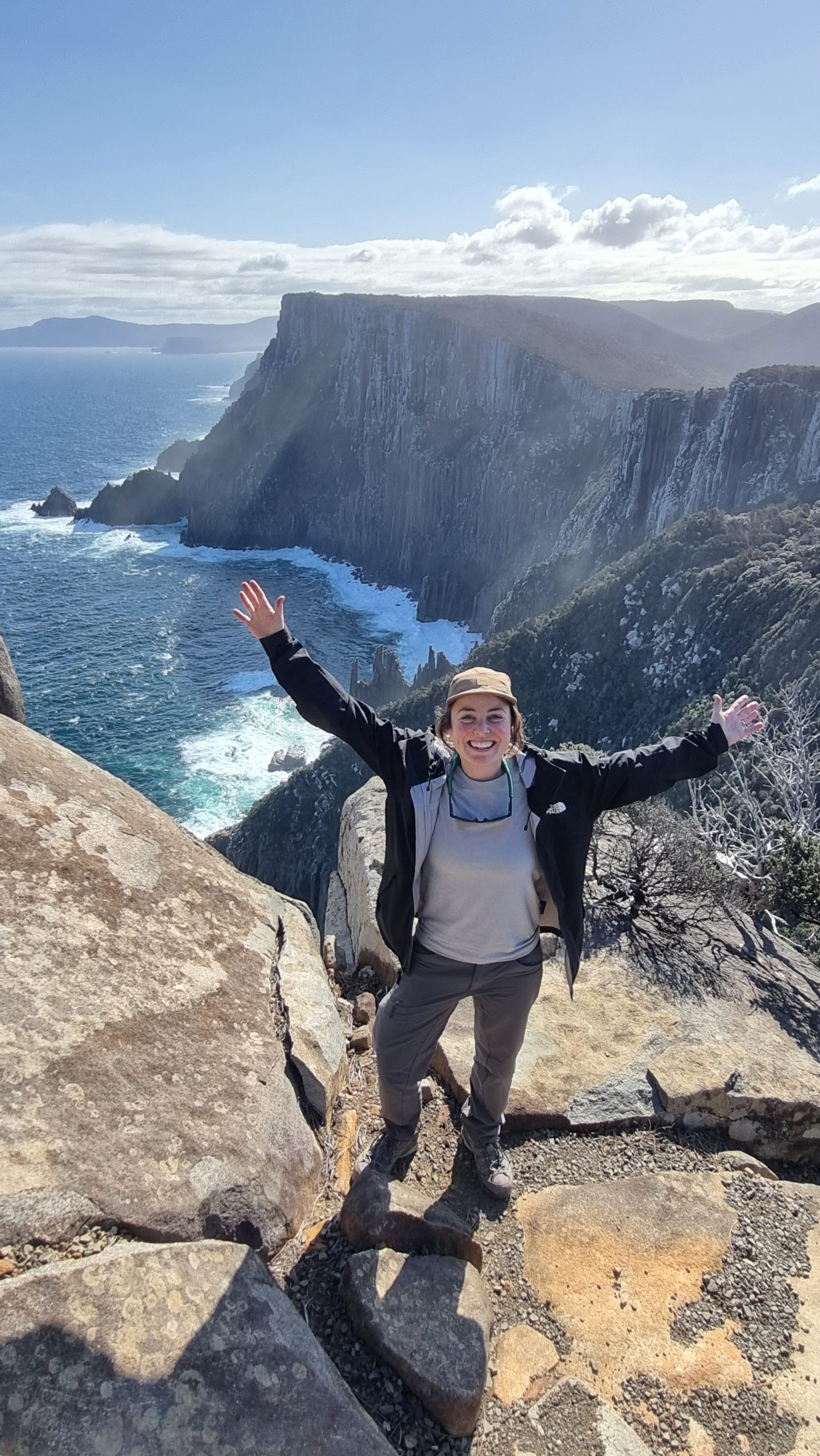
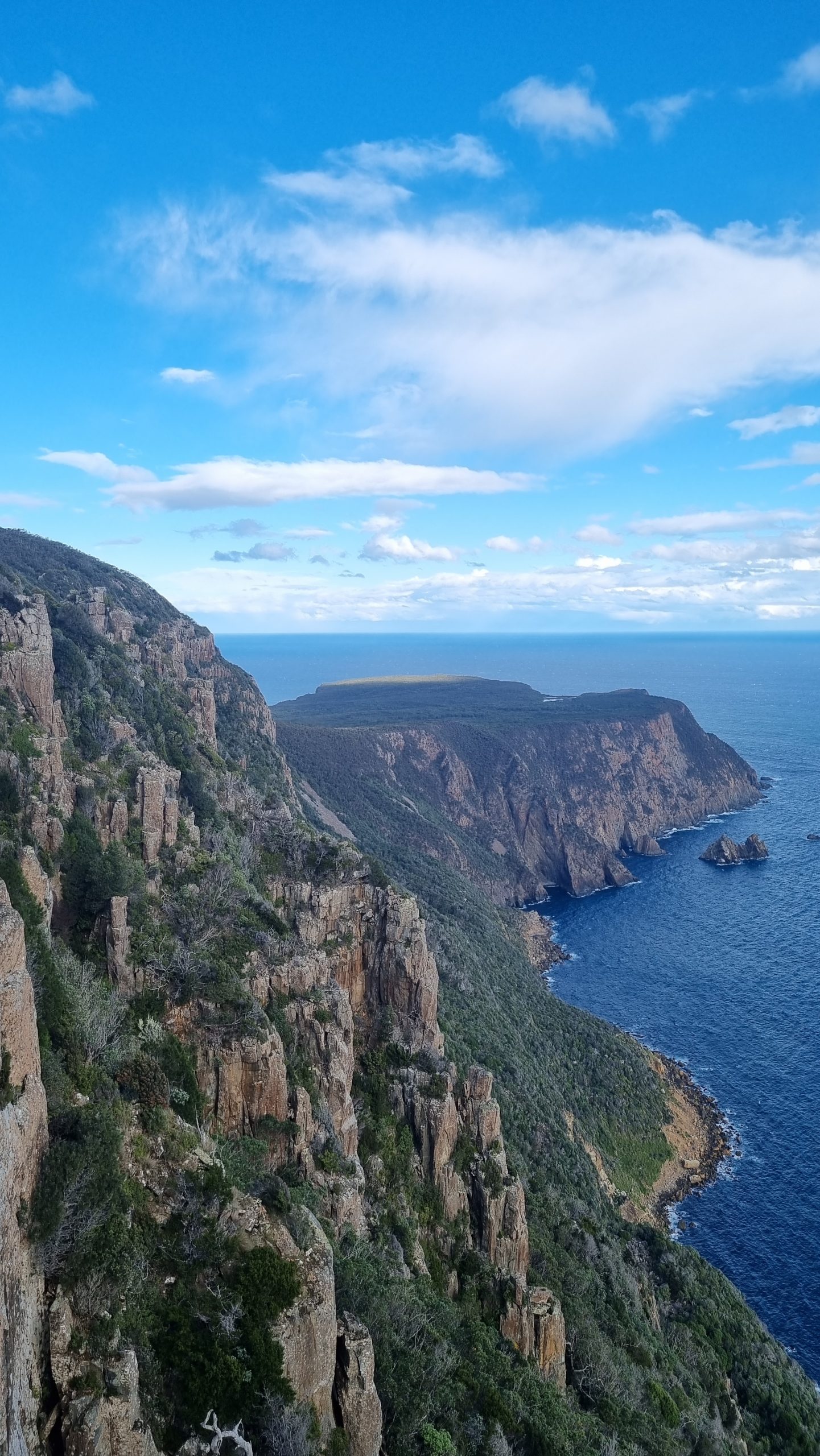
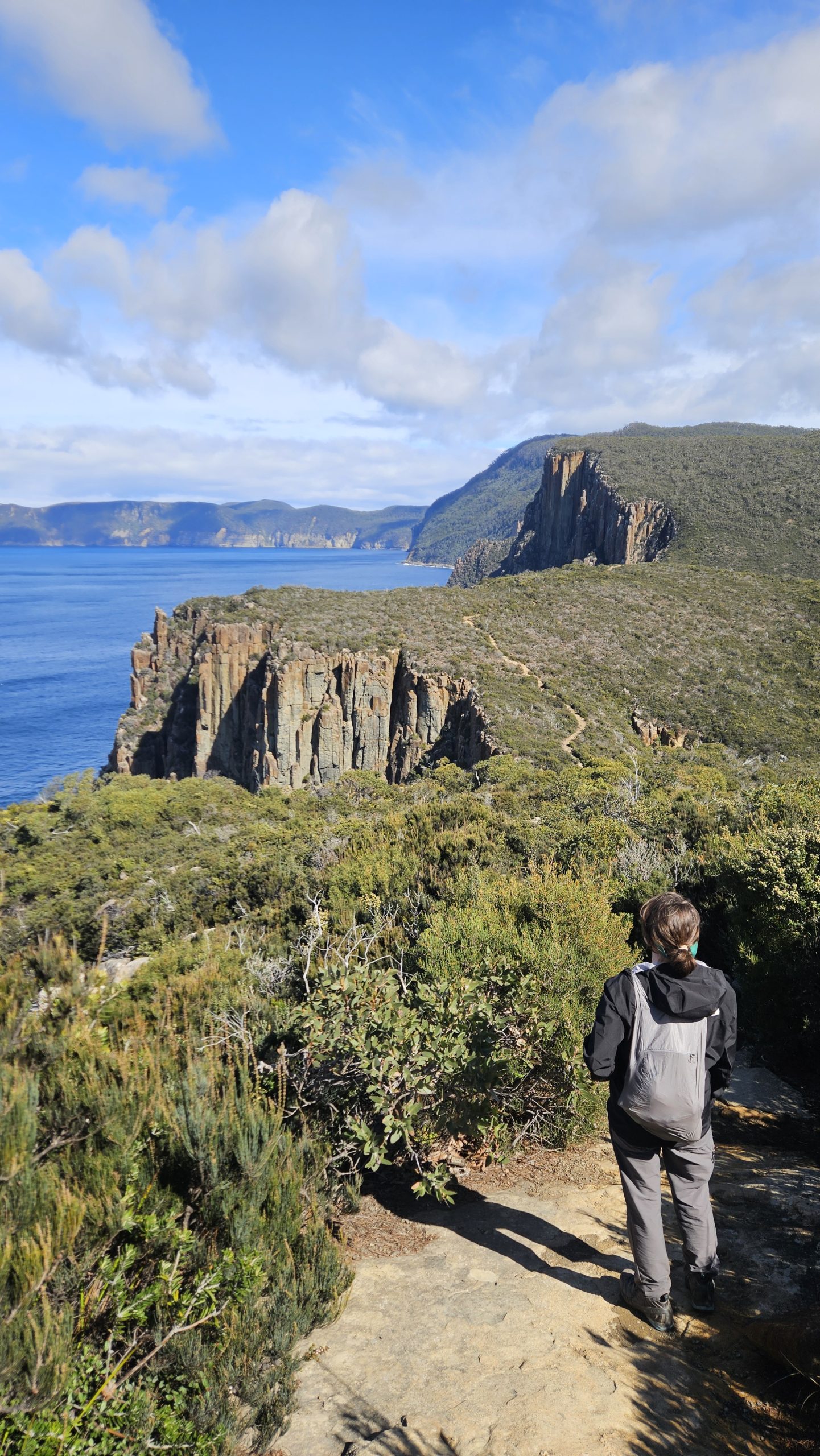
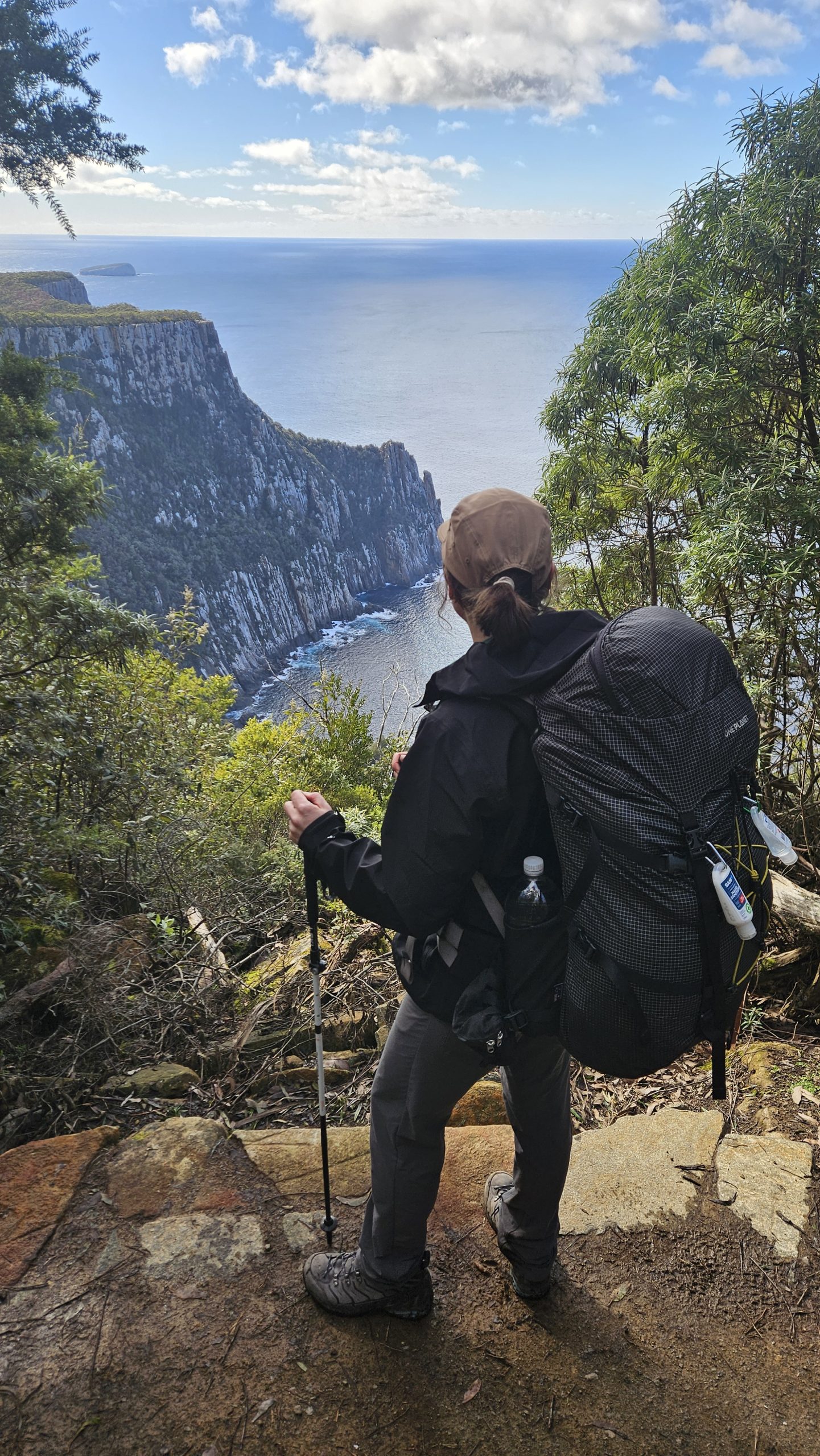
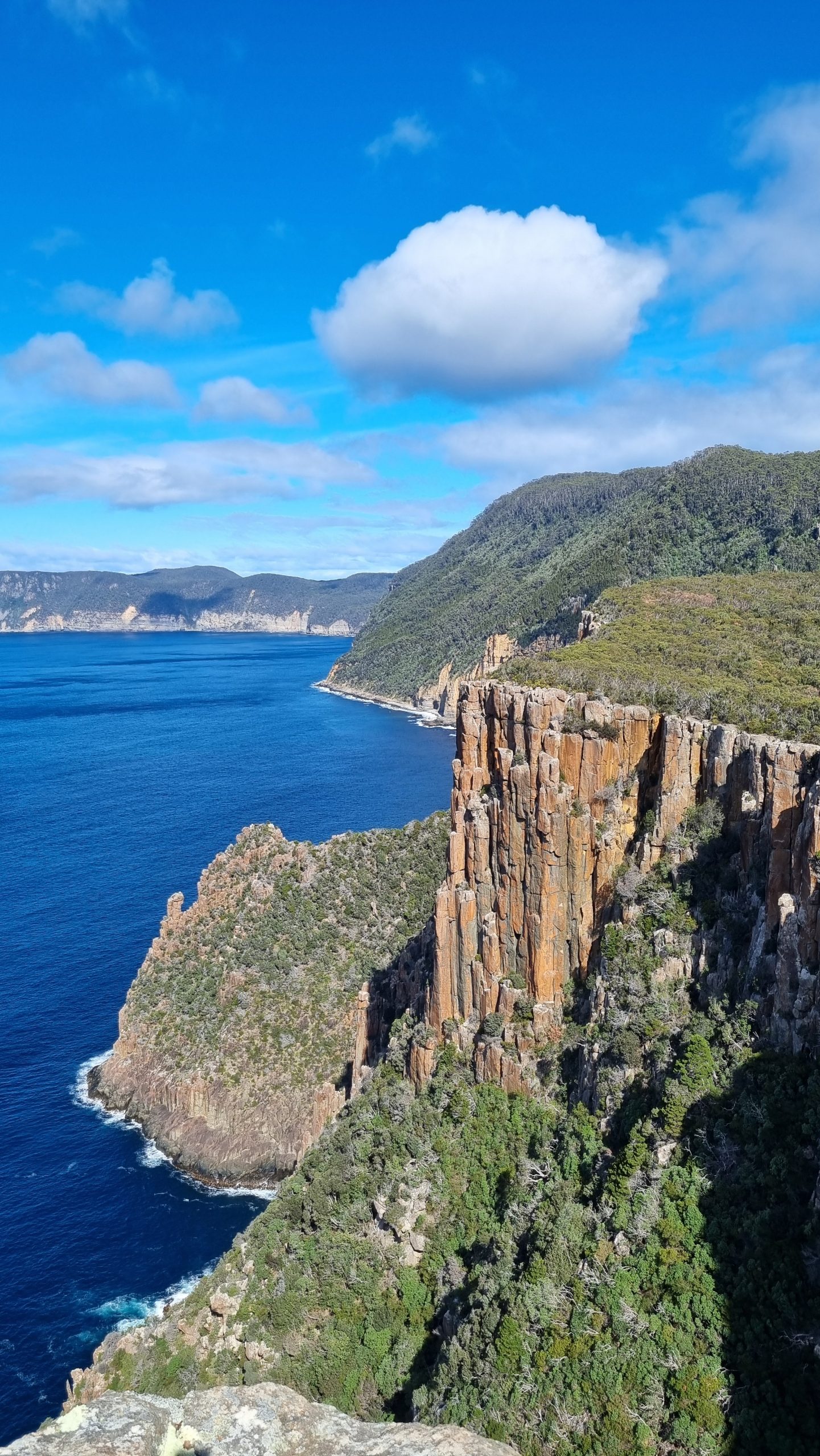
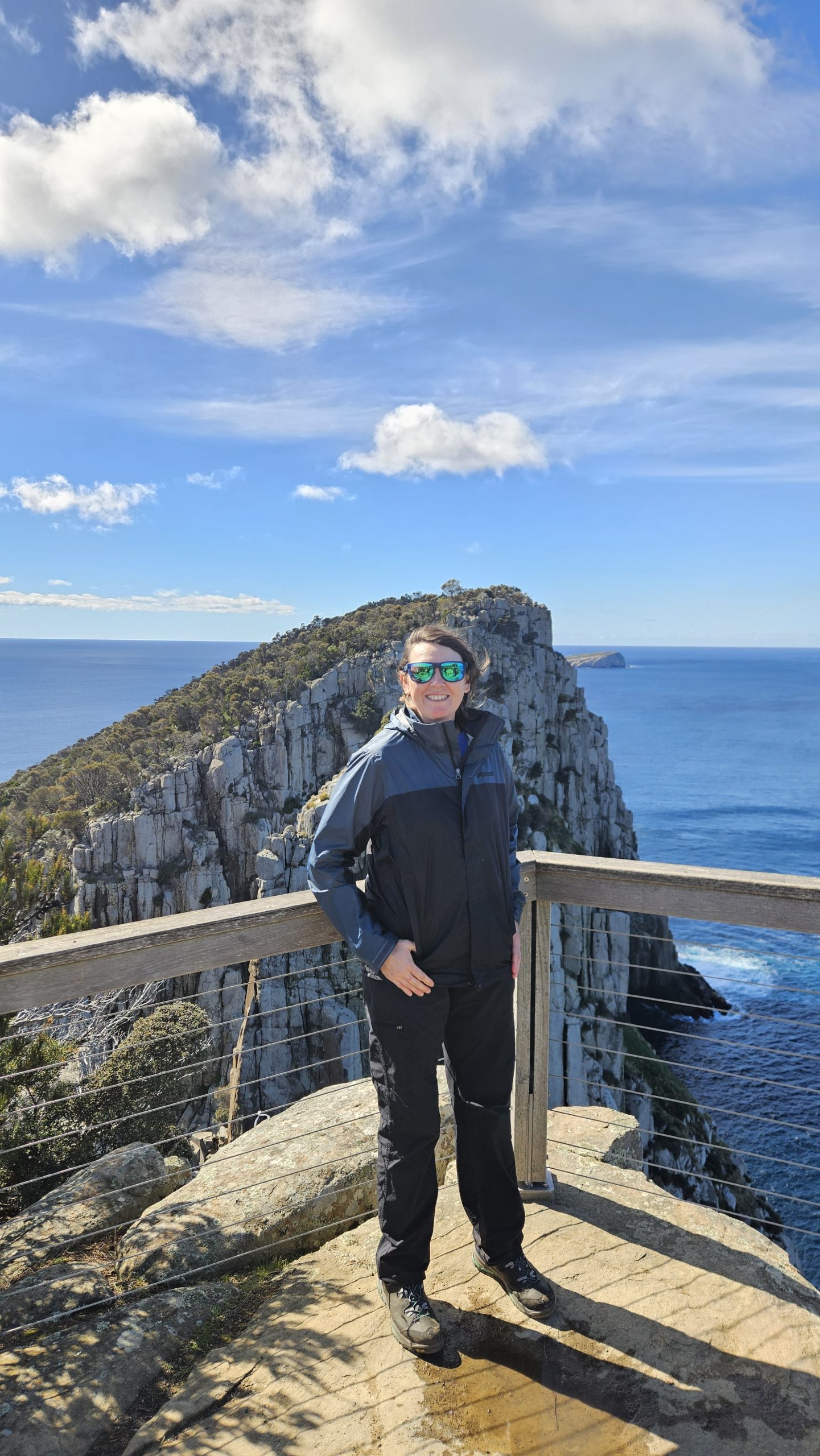
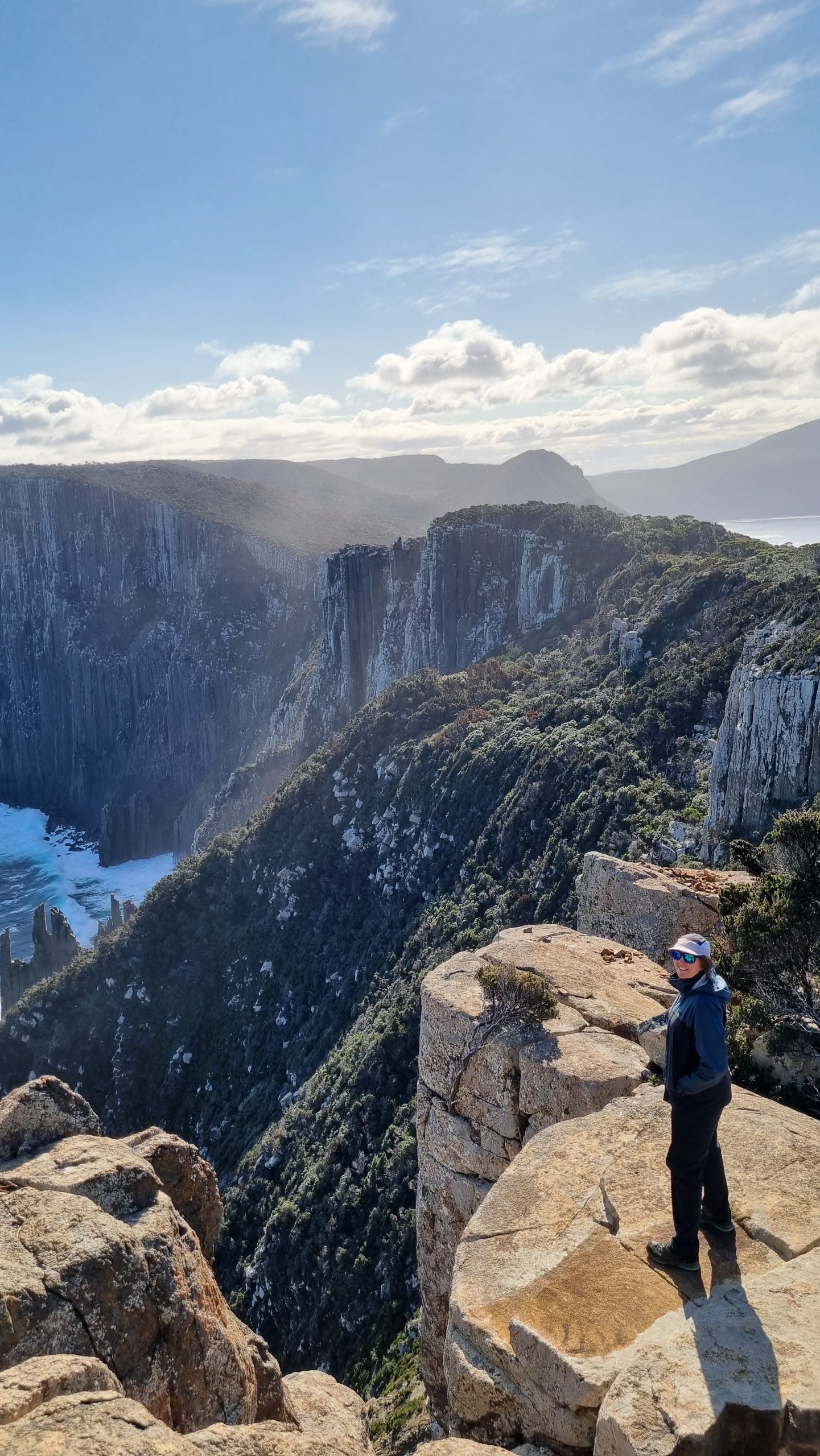
Our biggest day took us 28km to Cape Pillar, where cliffs soar 300m above the Southern Ocean—totally epic and worth every aching muscle.

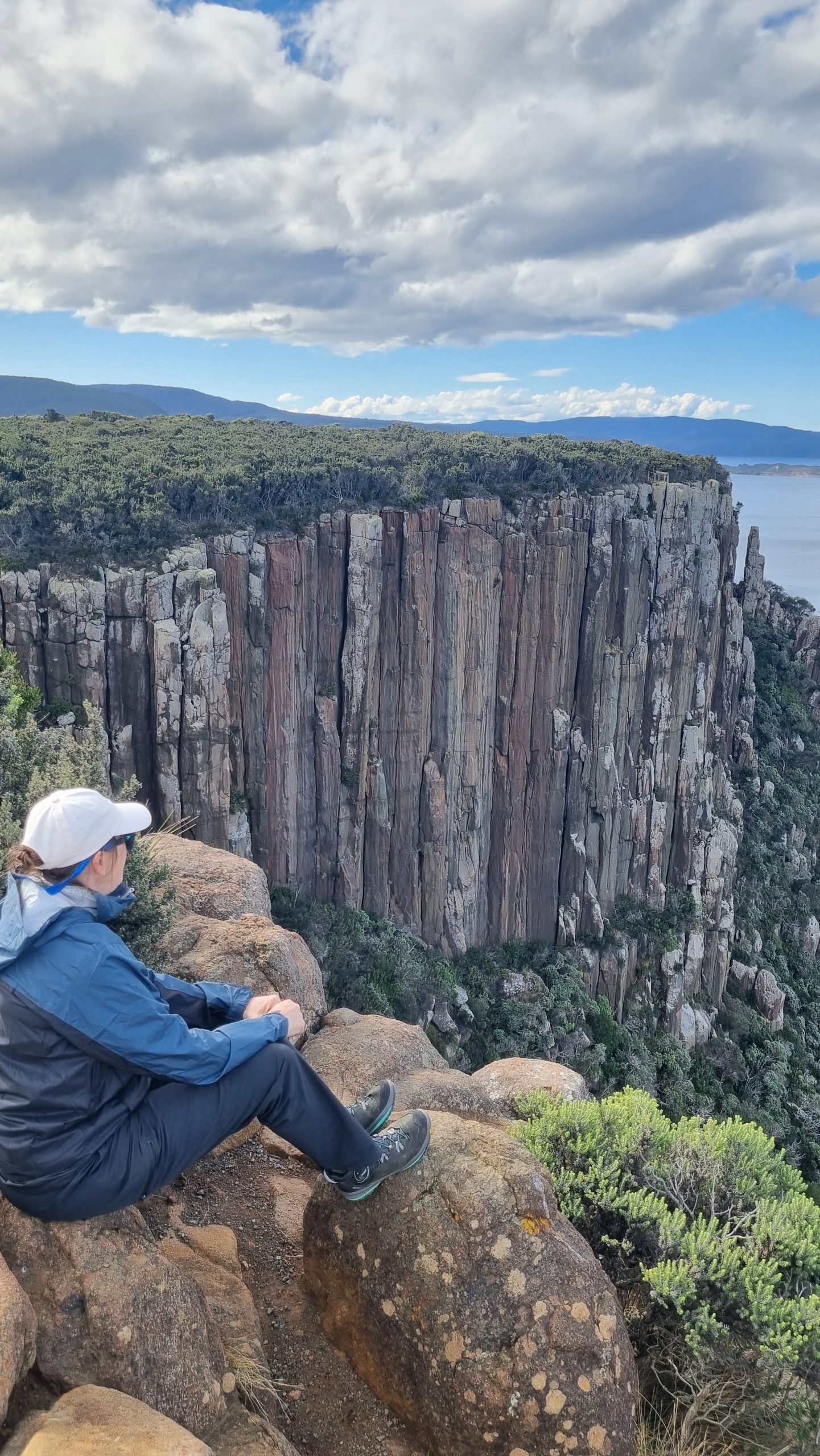
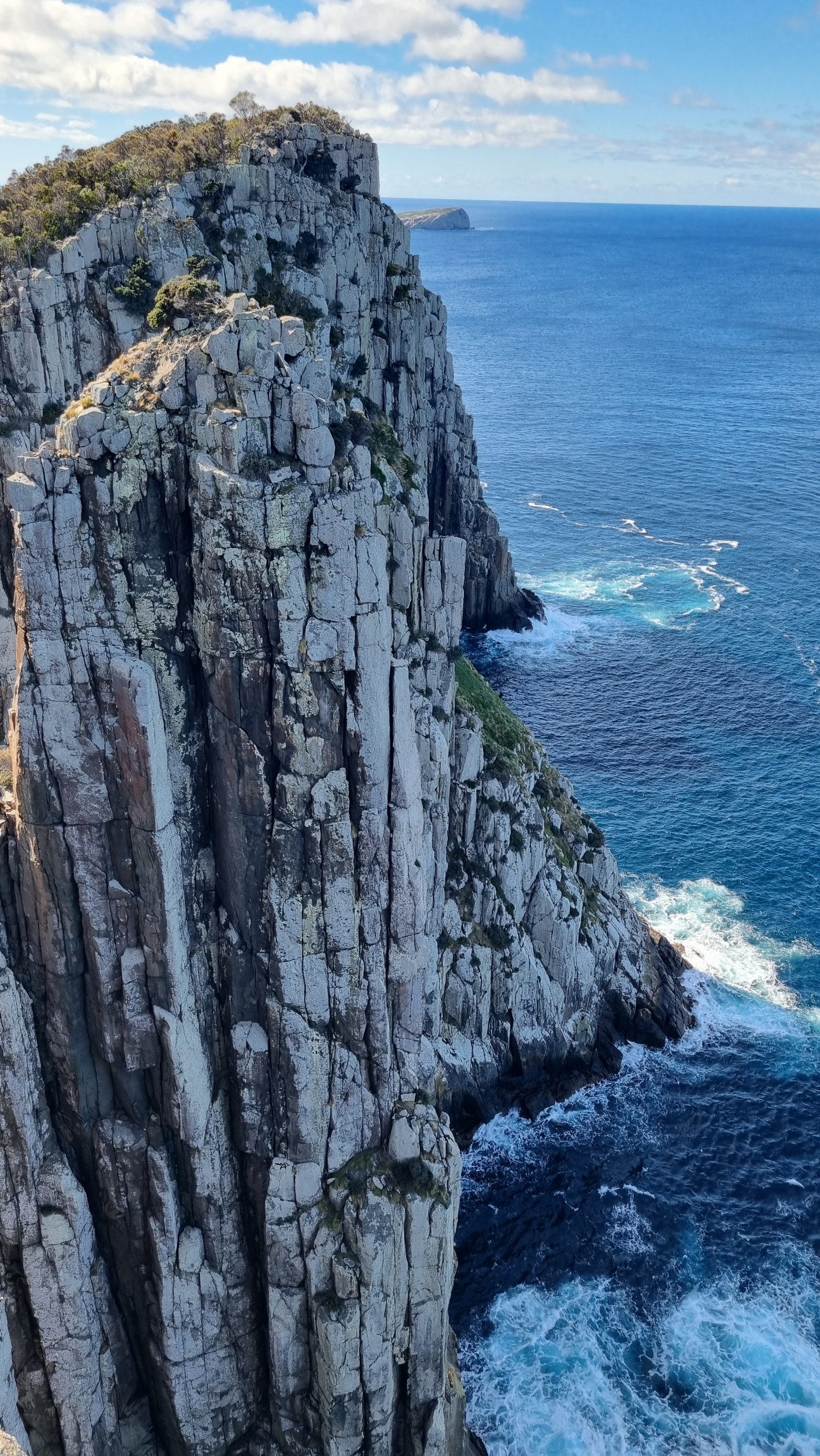
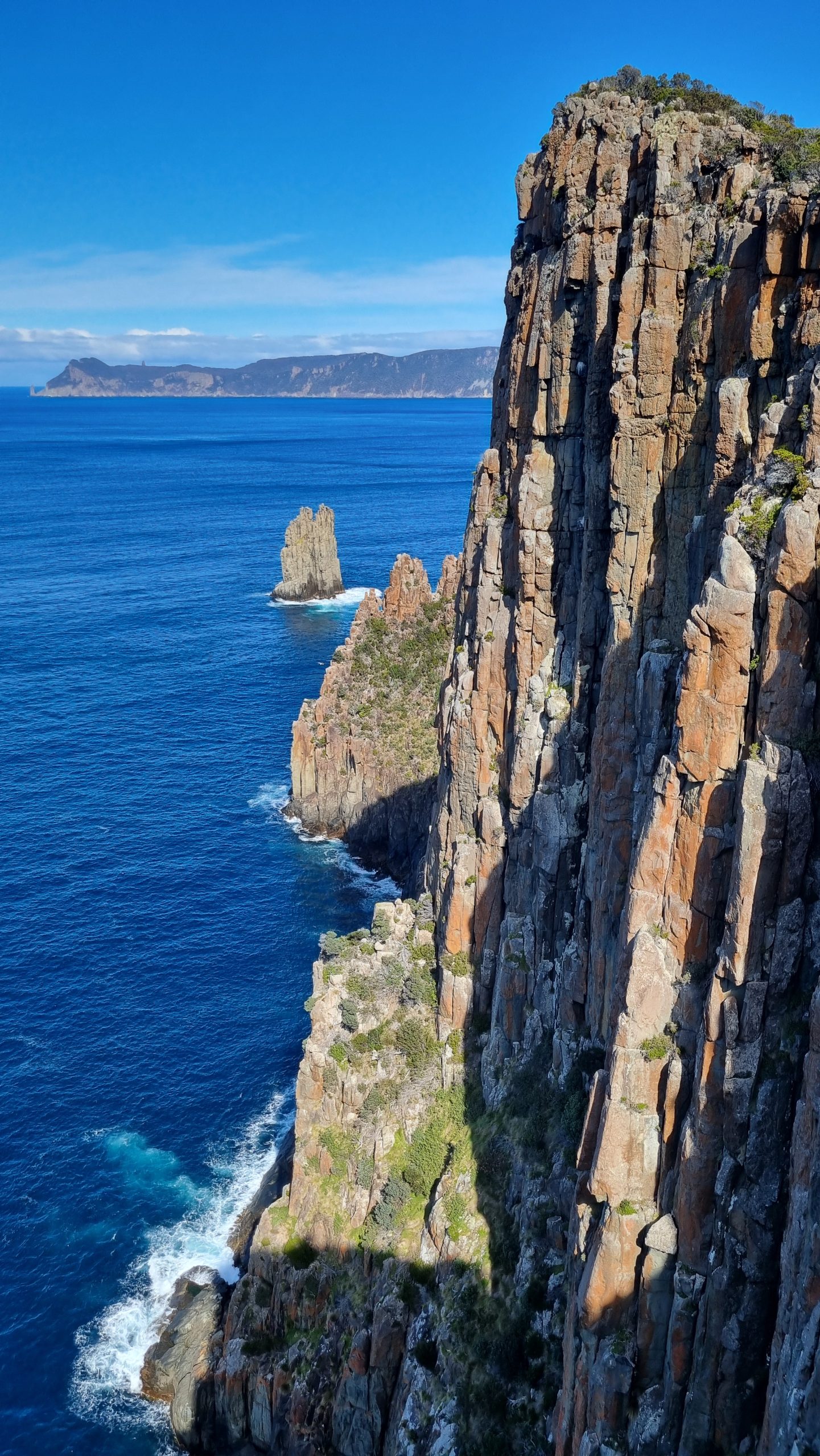
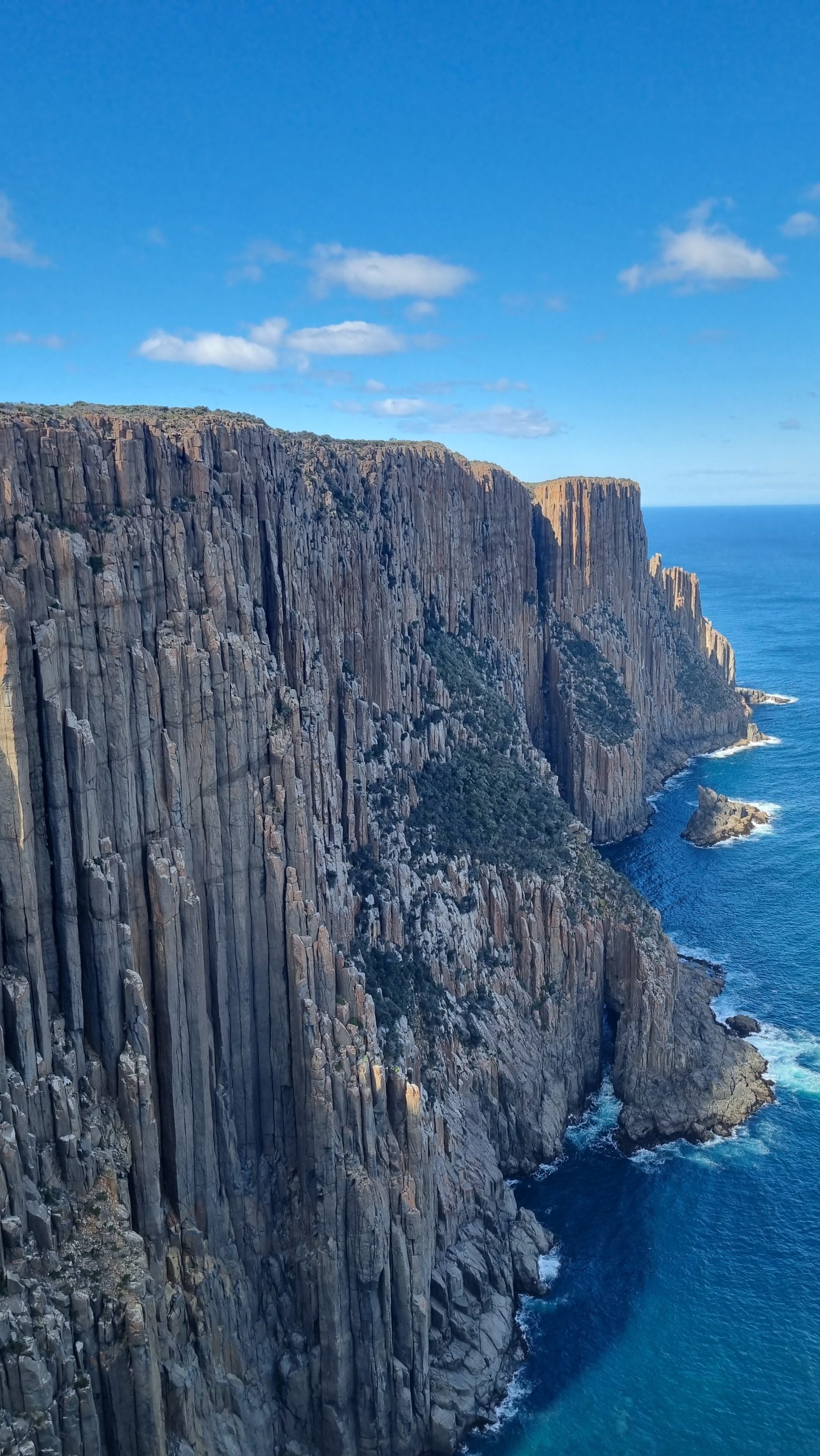
We also tackled a 16.5km in-and-out hike to Cape Raoul and Shipsterns Lookout, soaking in even more stunning cliffside views. Hiking from Bare Knoll to Fortescue Bay via Cape Hauy, we were mesmerised by the dramatic dolerite columns plunging into the sea.

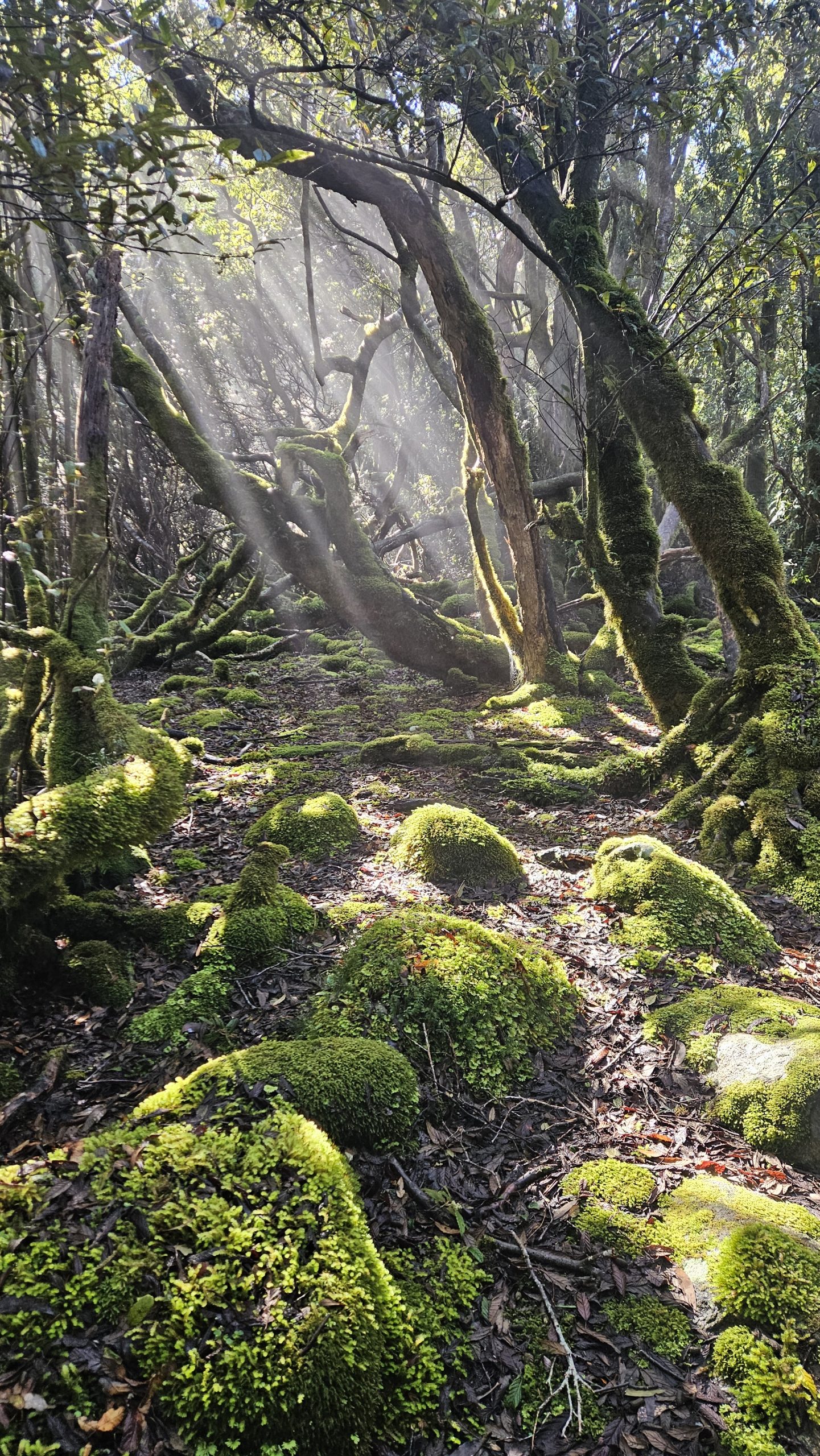
Imagine morning sun dancing through the rainforest, endless ocean views on either side, and even two humpback whales waving us off. Adventure doesn’t get much better than this.

Our itinerary

We stitched together our own journey to the tips of Cape Raoul, Cape Pillar and Cape Hauy – home to jaw-dropping dolerite cliffs. We also slotted in a visit to the hauntingly beautiful Port Arthur Historic Site between. Here’s how we stitched it all together:

  • Day 1: Cape Raoul Track | 4.5 hr | 16.5km
    – 1.5hr, 11km drive from Hobart to the Cape Raoul trailhead
    – 4.5hr, 16.5km in-and-out hike to Cape Raoul and Shipsterns Lookout
    – Camped at the Port Arthur Tourist Park
  • Day 2: Port Arthur Historic Site
    – 5 hours spent exploring
    – Camped at Fortescue Bay
  • Day 3: Fortescue Bay to Cape Pillar and Bare Knoll | 7 hr | 28km
    – Left our rig at Fortescue Bay
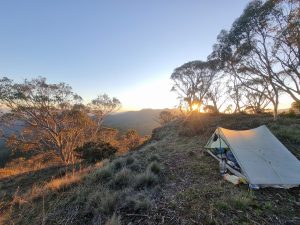
    – Hiked 8km (2.5hrs) to Bare Knoll camp, set up our tent and dumped our gear
    – Walked a further 20km (4.5hrs) with a day pack to Cape Pillar and back
    – Spent the night at Bare Knoll
  • Day 4: Bare Knoll to Cape Hauy and Fortescue Bay | 6 hr | 16km
    – 6km (2hr) hike to the Cape Hauy turn-off via Mt Fortescue
    – Packs down, 3km (2hr) return to the tip of Cape Hauy
    – Final 7km stretch to Fortescue Bay, and our waiting rig

Lessons learned

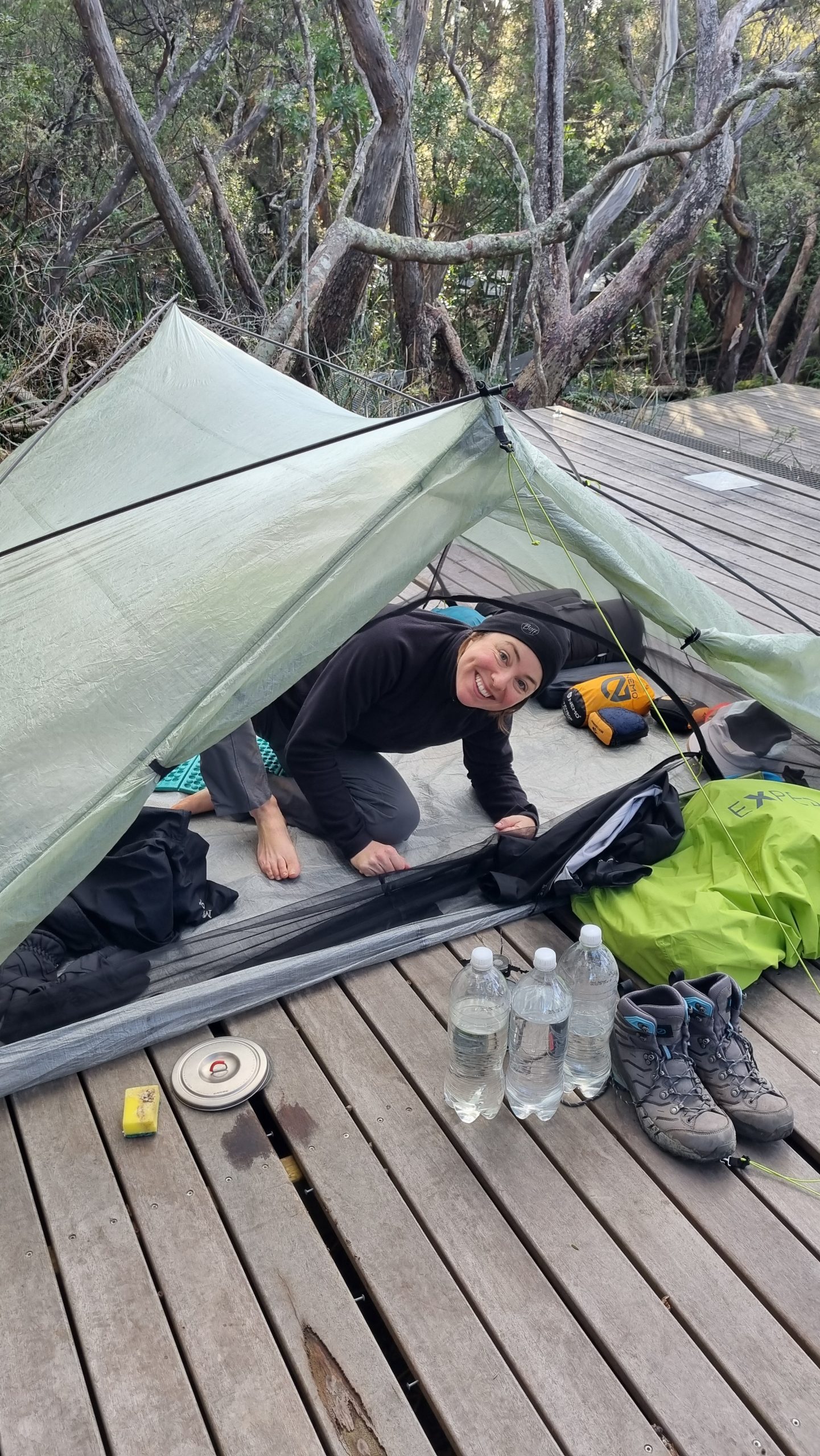
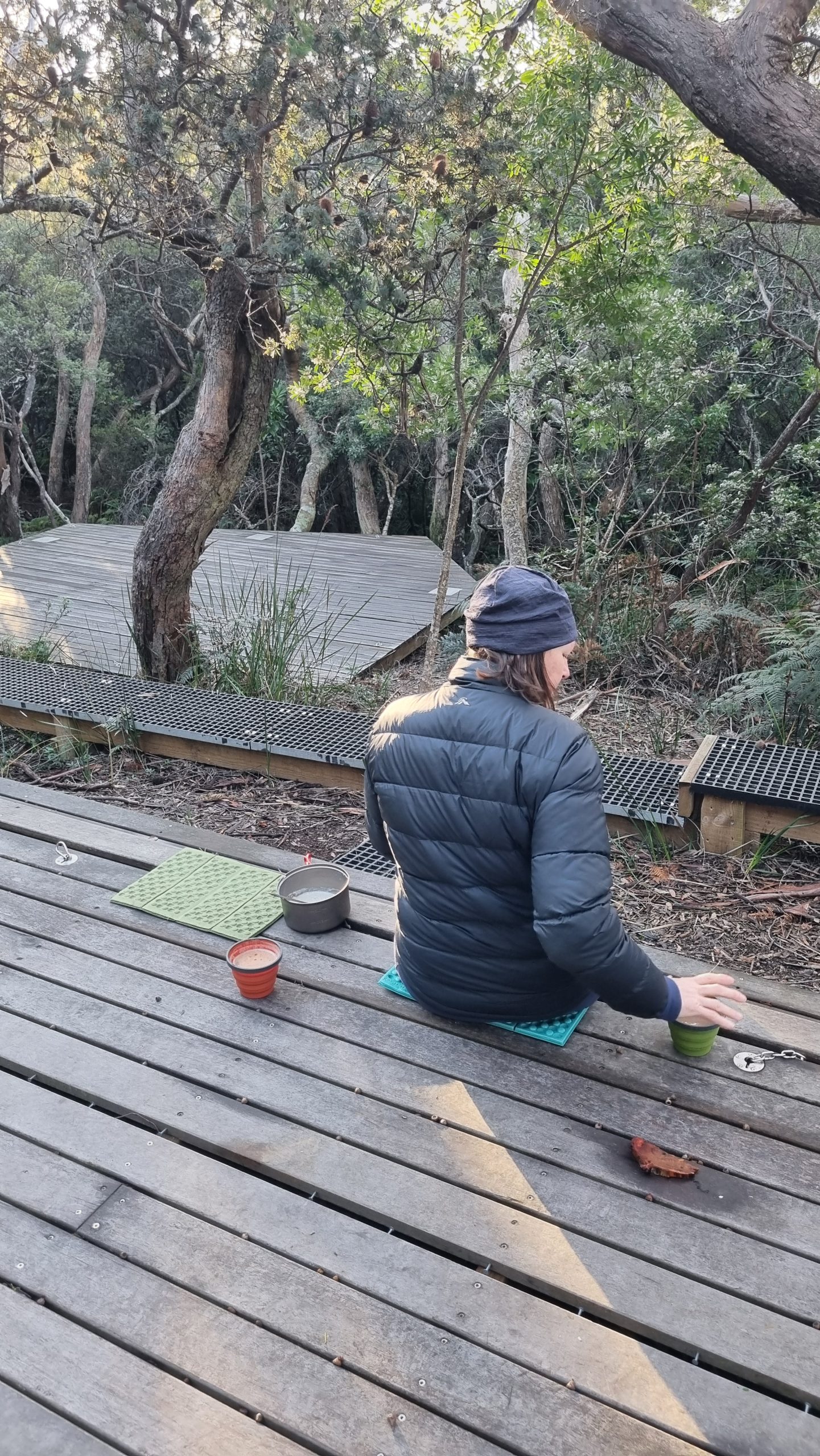
  • There’s an art to tent platforms. Come prepared with enough platform anchors and make good use of the provided chains and hooks — they’re there for a reason.
  • Plan your water carefully. We left ourselves a little short on the return hike to Cape Pillar after underestimating the distance. Those kilometres add up faster than expectd.
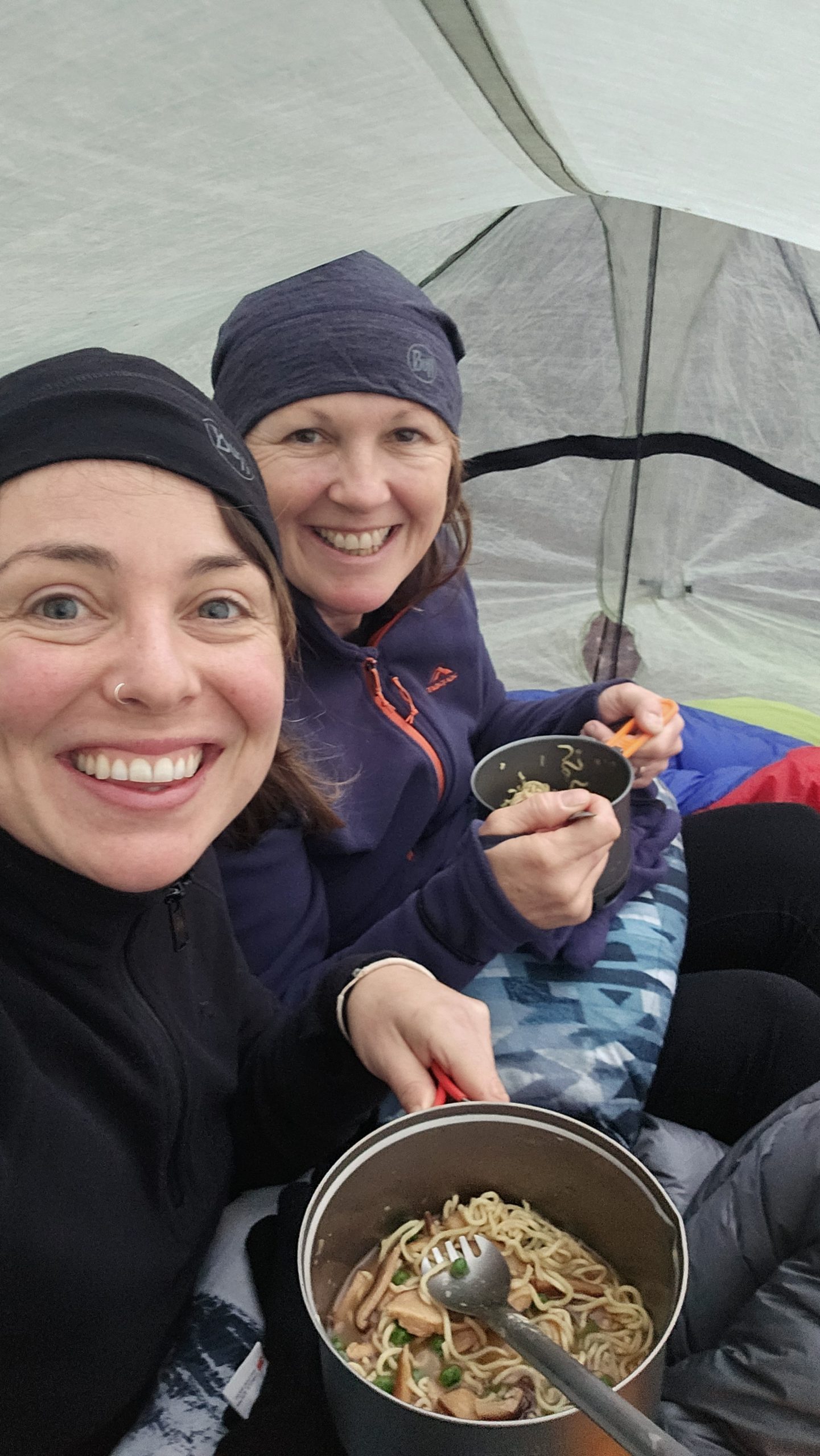
  • Three days can still pack a serious punch. A long 28 km push to Cape Pillar on Day 2, followed by a steep 16.5 km climb from Cape Hauy on Day 3, had us asleep by 5 pm at the trail’s end.
  • With a bit of creativity, almost anywhere can become a hiking adventure. Stitching together our own DIY route was half the fun — and left us inspired to create more off-script hiking experiences.

Key facts & figures

Tackling Tasmania’s Three Capes DIY style offers a 60 km, multi-day walking adventure showcasing dramatic sea cliffs, ancient forests, and sweeping coastal views over three iconic capes: Raoul, Pillar, and Huay.

  • Distance: ~60km
  • Duration: 3 days (4 with Port Arthur visit)
  • Trail Type: In-and-out + end-to-end
  • Difficulty: Moderate (Grade 3)
  • Permit: National Parks Pass
  • Season: No formal season
  • Total elevation gain: 3,579 m
  • Highest point: 490 m (Mount Fortescue)
  • Water: Tanks at campgrounds + Munro hut site
  • Camping style: Designated bush + coastal camps
  • Infrastructure: Excellent boardwalk/constructed trail, water tanks & toilets (at camps, Munro hut site), tent platforms (Bare Knoll), hot showers (Fortescue)
  • Mobile reception: Limited (some at Munro, Fortescue and at higher elevation)

Transport & logistics

  • Distance from Hobart: Allow at least 90 minutes for the drive from Hobart to the Cape Raul trailhead on the Tasman Peninsula.
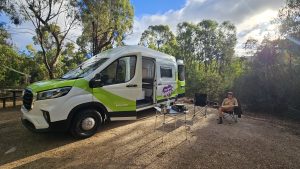
  • Trailhead transport: We had our own vehicle and caravan, which made life easy. There’s no public transport to the trailheads, so if you can’t hitch a lift from a friend, a private transfer is your best bet. We drove to the Cape Raul trailhead to complete the 16.5km in-and-out track, and left our car and van parked at Foretsuce Bay while we spent an overnighter on trail
  • Accommodation: We used a mix of caravan park accommodation and Tasmanian Parks campgrounds.
    NRMA Port Arthur Tourist Park – Bookings recommended during peak tourist seasons. Enjoy a wood-fired pizza oven, and indoor communal fire on cooler nights.
    Fortescue Bay – Small fee applies; bookings required from 1 October to 30 April.
    Bare Knoll – Free, walk-in camping on a first-come, first-served basis.

Trail highlights

  • Traversing some of the highest sea cliffs in the Southern Hemisphere, where the Southern Ocean crashes far below
  • Feeling your pulse race on The Blade (near Cape Pillar), a narrow dolerite ridge with jaw-dropping views
  • An incredibly scenic climb to Cape Hauy, where you’ll admire the Totem Pole, a dramatic vertical sea stack rising from the ocean
  • Spotting wildlife both on land and at sea — we even saw a diving whale from the Cape Hauy lookout
  • Wandering through green, mossy rainforest up to Mount Fortescue, with morning light streaming through the trees
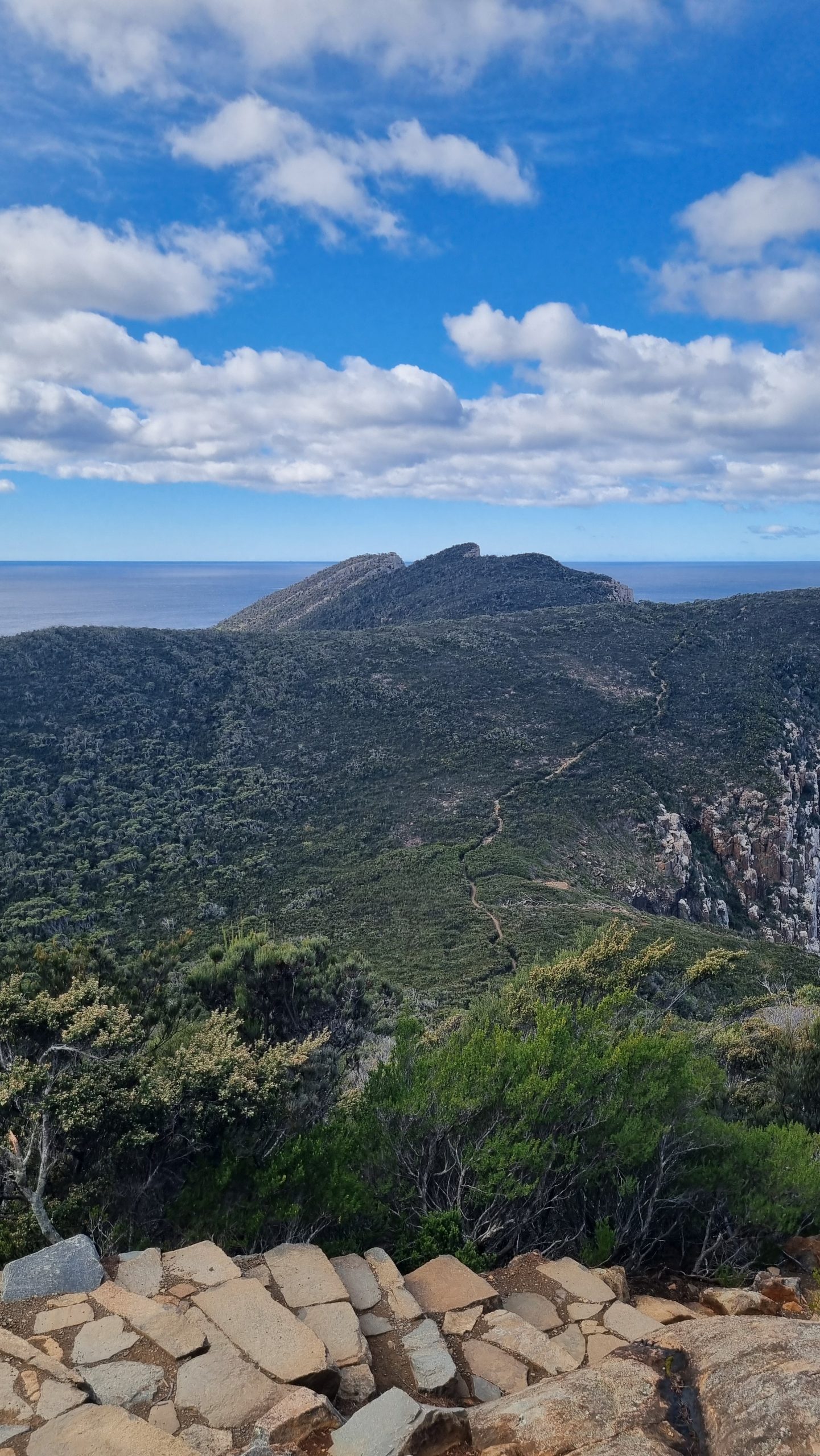
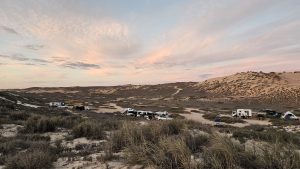
  • Trekking across vast, open heathlands on the way to Bare Knoll camp

Why hike the Three Capes DIY style?

  • Go your own way. Unlike the hut-to-hut Three Capes Track, this DIY version lets you hike at your own pace and sleep under the stars.
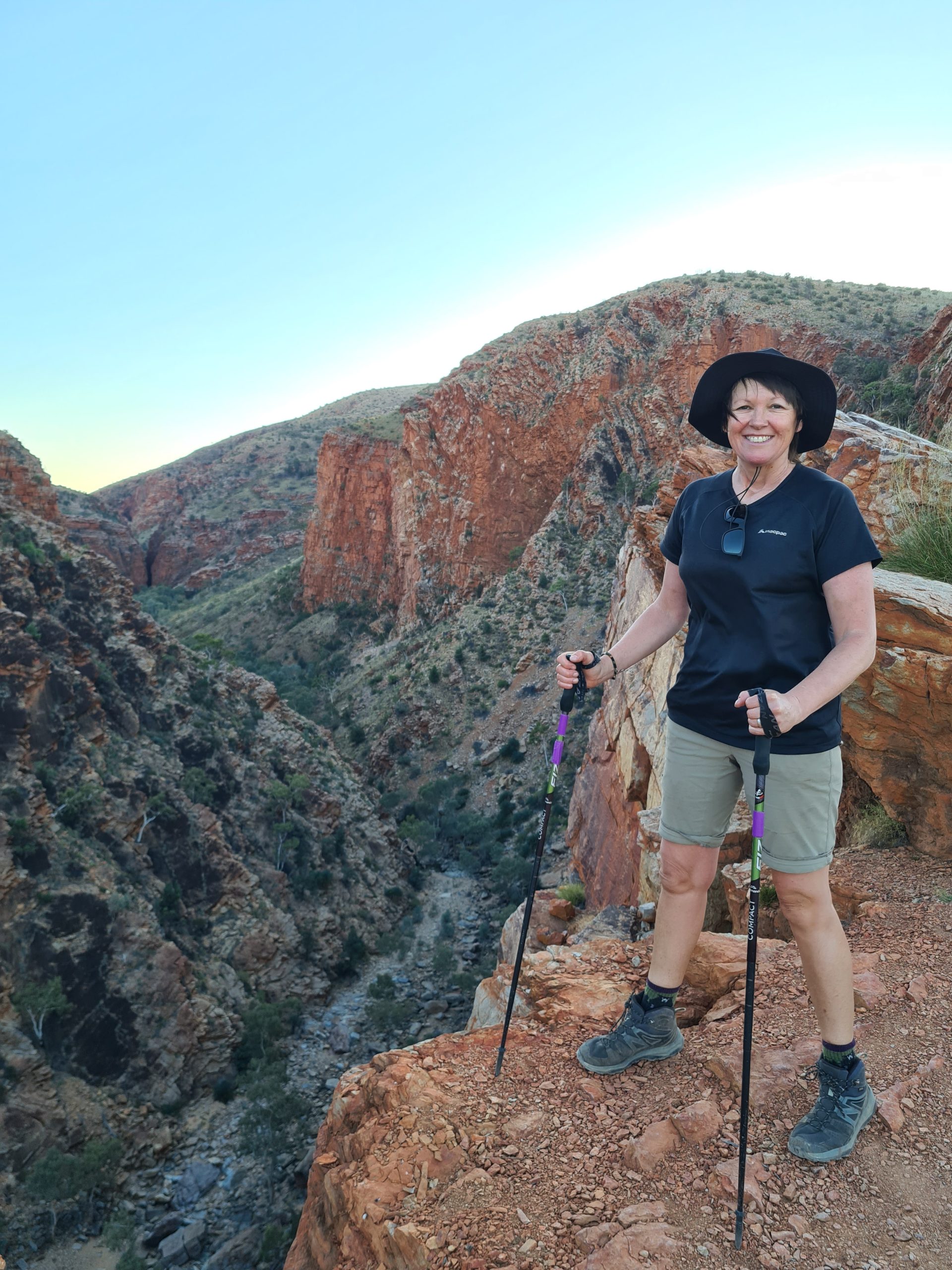
  • Take in wild coastal scenery. Towering cliffs, windswept headlands, and the raw Southern Ocean make every step feel like the edge of the world.
  • Save some coin, get all the bang for buck. A low-cost way to experience one of Tasmania’s most iconic coastal locations.
  • Test and develop your skills. The DIY Three Capes is short but rugged, giving you the chance to hone your pack carrying and overnight hiking skills.
  • A constantly changing backdrop. From epic cliffs and ocean views to mossy forests and coastal heathlands, the scenery never stops surprising.

Skill level & preparation

You should be comfortable with:

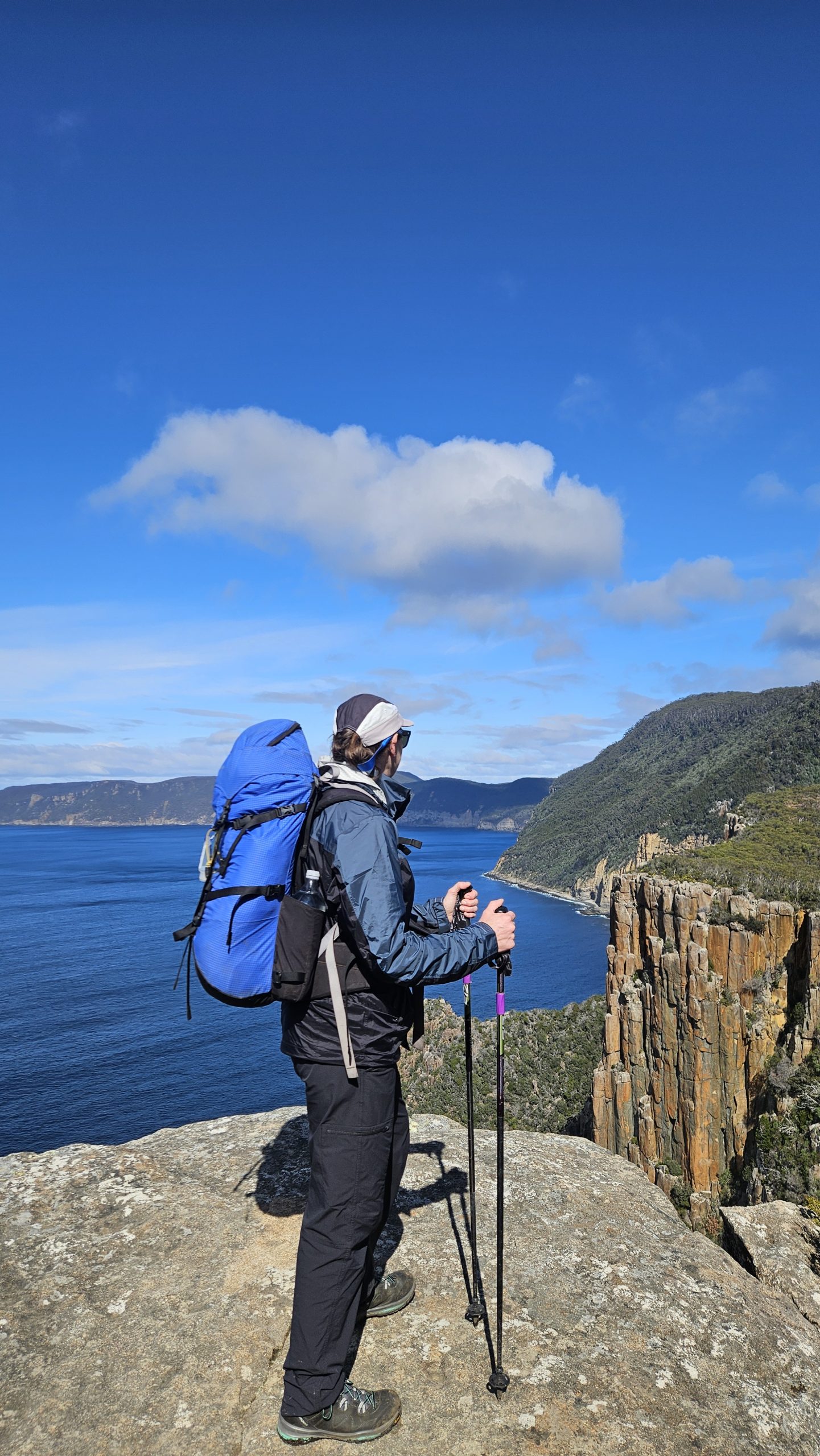
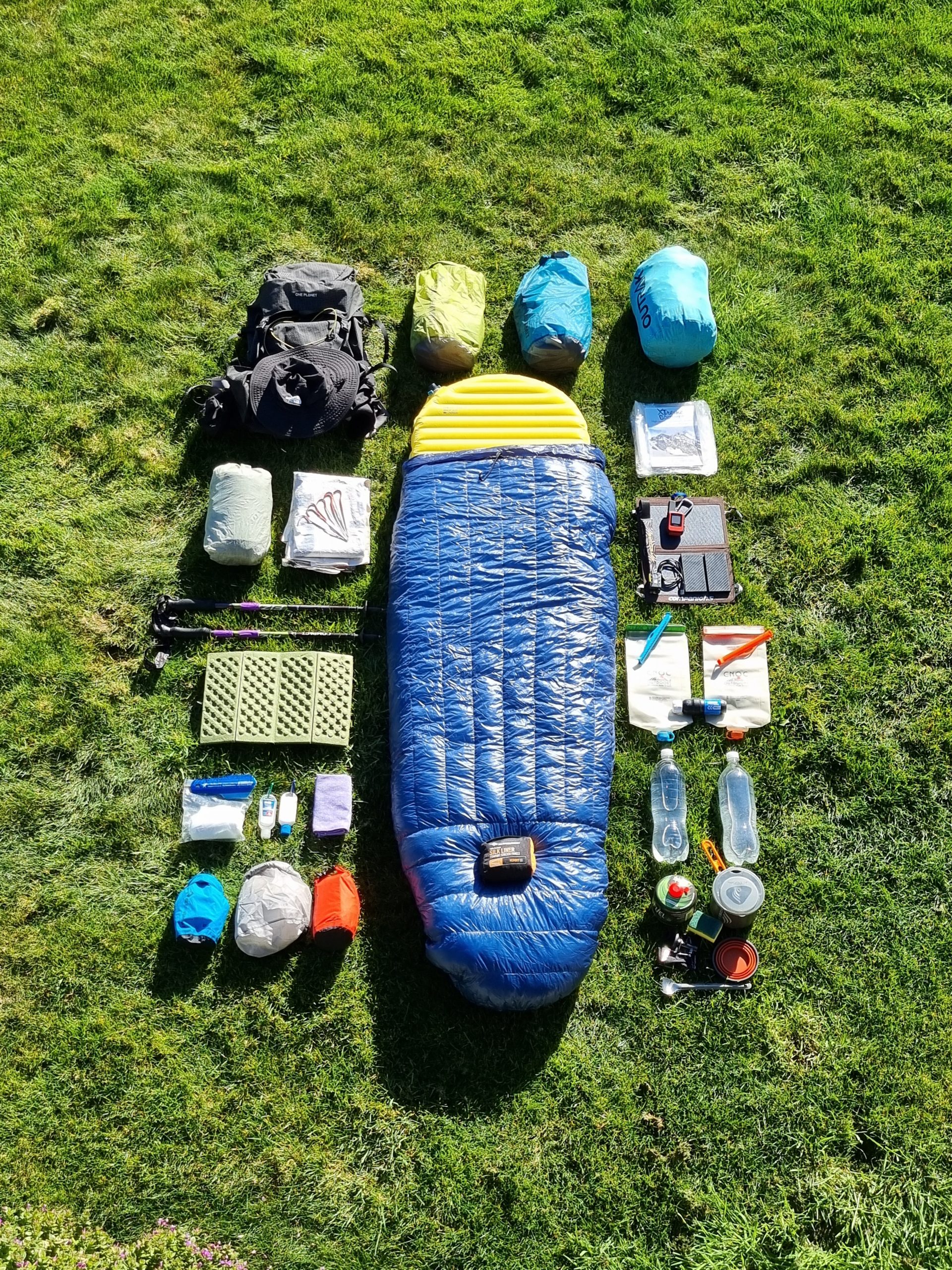
  • Carrying all your food, water, tent, and gear for a self-sufficient multi-day hiking adventure.
  • Walking 10–30 km per day over uneven, steep, and sometimes slippery terrain, including lots of steps.
  • Basic navigation skills — using a map, compass, or GPS — as mobile reception is scarce.
  • Exposure to the elements, including strong winds, sun, and sudden weather changes on open coastal cliffs.
  • Managing your own safety and shelter, including setting up camp, cooking, and keeping gear dry.
  • Endurance and stamina for consecutive long days in remote, rugged terrain.

Permits & bookings

  • Permit: There’s no specific permit required this DIY take on the Three Capes, but a Tasmanian National Parks Pass is required
    Camp fees and bookings:
    Bare Knoll – A walk-in camp that’s free and operates on a first-come, first-served basis
    Fortescue Bay – Requires a small fee ($13 pn). Bookings only required during peak season (1 October to 30 April).
  • Port Arthur pass: It’s highly recommended to book your Port Arthur Historic Site ticket in advance during busy periods.

When to go

  • Best time: Late spring to early summer (November–December) & autumn (March–May)
    Why: Peak wildflowers, stable weather, long daylight, and epic sunrises and sunsets. Autumn also great for consistent weather and fewer crowds.
  • Avoid: Winter (June–August)
    Why: Short days, strong winds, heavy rain, icy conditions and occasional snow — stunning, but cold and potentially hazardous.
  • Avoid: Peak summer (December–February)
    Why: Hottest, driest and busiest months on track.

How it compares

  • Vs. Freycinet Circuit
    Freycinet is shorter, more sheltered, and centered on beach and forest walking, while Three Capes DIY delivers a rugged, cliff-top coastal adventure
  • Vs. official Three Capes Track
    The official track is a paid hut-to-hut experience, guided by schedules and bookings, more social with less gear to carry

Final word: Who this trail is for

The Three Capes DIY adventure delivers in spades for folks chasing epic views, salty air, and a true taste of Tasmania’s wild coastal side. It’s ideal for adventurous, budget-conscious hikers who’d rather carry their own gear and sleep under the stars than check into a hut. It’s also a great foray into pack carrying hiking for those just starting out.

Handy resources

As the DIY Three Capes adventure follows a significant part of the official Three Capes Track, dedicated Three Capes resources provide useful reference tools. Here’s some key resources to help you plan:

Trail info
Plan Your Trip (Three Capes Track) – Seasons, getting there and walk notes (Tasmania Parks)

Maps & navigation
Peninsula Walks map (purchase from TASmasp) – Includes all Three Capes Tracks (Cape Pillar, Hauy and Raoul), as well as the Lime Bay State Reserve and other popular peninsula walks (I.e. Tasman Coastal Trail).
GAIA GPS app – While a GPS app is a little overkill, as the trail is largely well defined, it still offers a useful tool.

Track notes
Cape Raoul – Track notes, maps, and planning tips
Cape Pillar – Track notes, maps, and planning tips
Cape Hauy – Track notes, maps, and planning tips

Facebook group
The Three Capes – Trip reports, advice, and logistics tips

Essential pack list

Check out our complete hiking pack list, fine tuned over 6+ years.

Chasing more epic trails?

Explore our other Australian hiking guides — from rugged alpine tracks to remote coastal walks and desert treks.

Each guide includes practical tips, itineraries and planning advice to help you hit the trail with confidence.

Share:

More posts

Want to roam with us?

Sign up to receive our latest travel stories, tips, tricks and destination guides.

Want to roam with us?

Sign up to receive our latest travel stories, tips, tricks and destination guides.

We honour the ancient cultures of the First Nations peoples whose land we travel.

Copyright © Franky Roams | 2026 | All Rights Reserved