Our complete guide to working on the road
When travel savings run low, working on the road can keep the adventure rolling — and give you time to truly explore places like a local.

Beyond Queensland’s legendary beaches lie national parks that feel a world apart. Untamed, remote, and utterly unforgettable, these parks reveal the state’s wildest corners — places off the beaten track that every adventurer should explore.
From misty rainforests and windswept mountains to uninhabited islands, rugged cliffs, and hidden plains, we’ve handpicked some of our favourite national parks in Queensland — many overlooked, yet all utterly unforgettable.
Distance: 50 km southwest of Ingham
Girringun National Park is home to two absolute showstoppers:
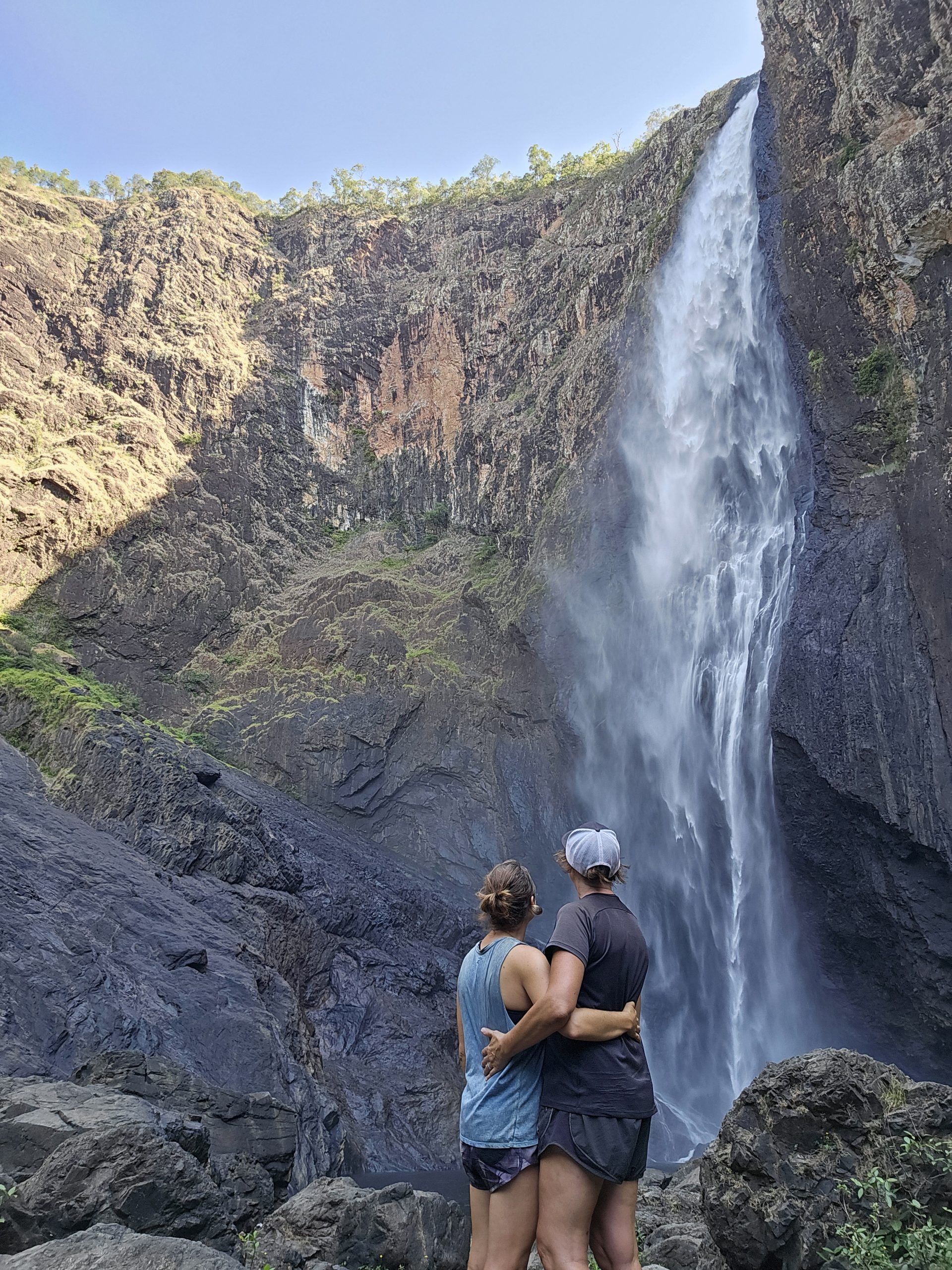
Standing at the base of Wallaman Falls, with water thundering from 268 metres above, is genuinely awe-inspiring and gives you a real sense of the scale of this wild landscape.
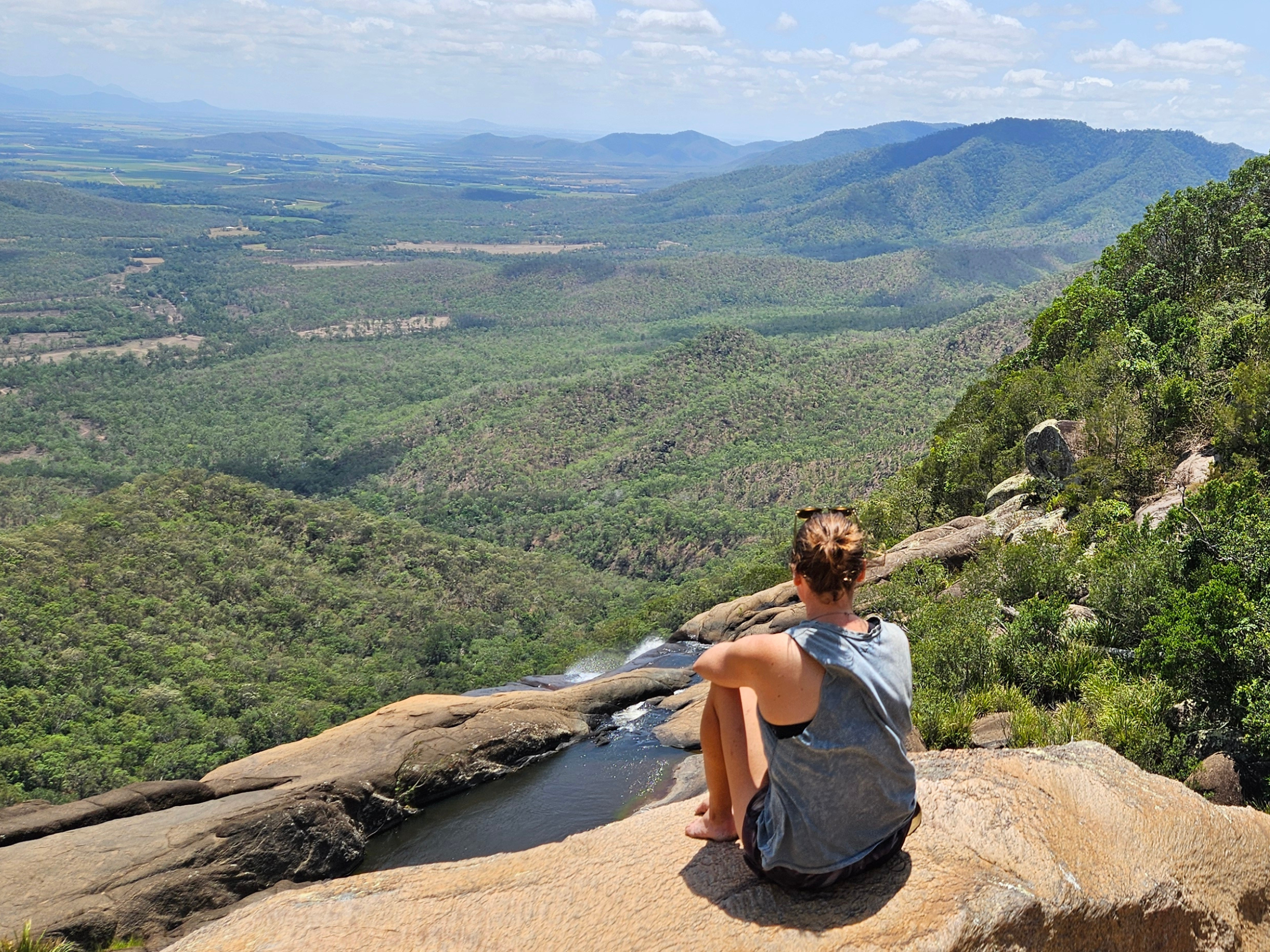
Its lesser-known sister, Raspberry Falls, offers a very different experience. Sitting at the top of the cascade, with not another soul in sight and sweeping views across the Sea View Range, feels truly magical.
Reaching Raspberry Falls is no walk in the park. The falls are accessed via a 5 km return track that winds through dense rainforest and thorny vines on an often obscure trail. It’s steep, overgrown, and undeniably gnarly — but the reward is well worth the effort.
We tackled both waterfalls in one day, clocking up around 12 km on foot. We were completely kaput by the end, but absolutely buzzing.
Tip:
Location: 449km west of Townsville
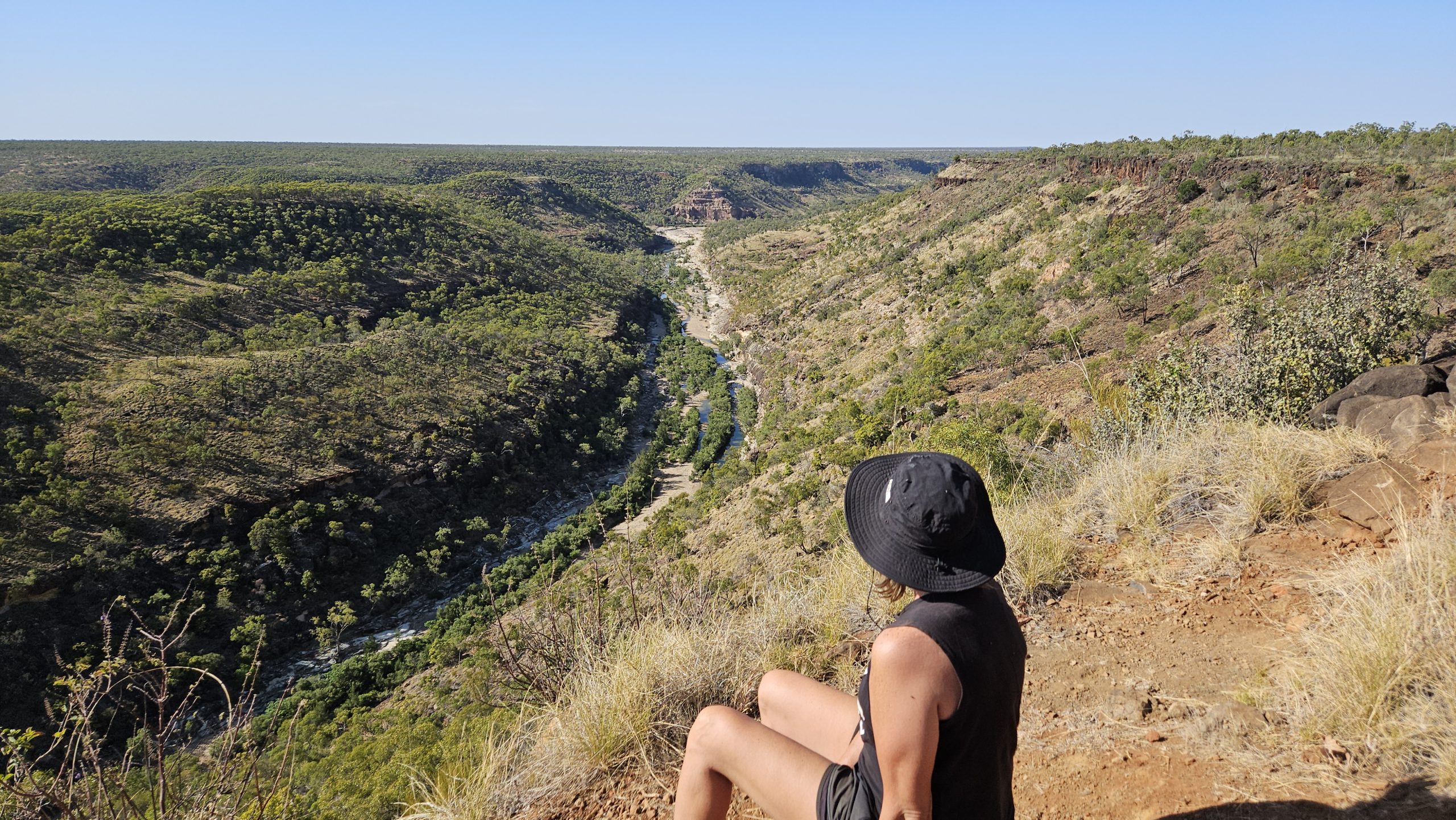
A hidden oasis in north-west Queensland, Porcupine Gorge National Park dazzles with kaleidoscopic sandstone cliffs and vivid green waterholes framed by lush forest — a striking contrast to the surrounding arid savanna plains. We loved exploring the gorge both from the escarpment above and deep inside its cavernous walls, spending two nights camping at the Pyramid Campground.
We followed these walking tracks to explore the canyon and its pyramid-shaped cliff:
On the gorge floor, we followed Porcupine Creek to the northern end, cooling off in its deepest waterholes with only the birds for company — it felt magical.
Tip:
Location: 50 km northwest of Mackay
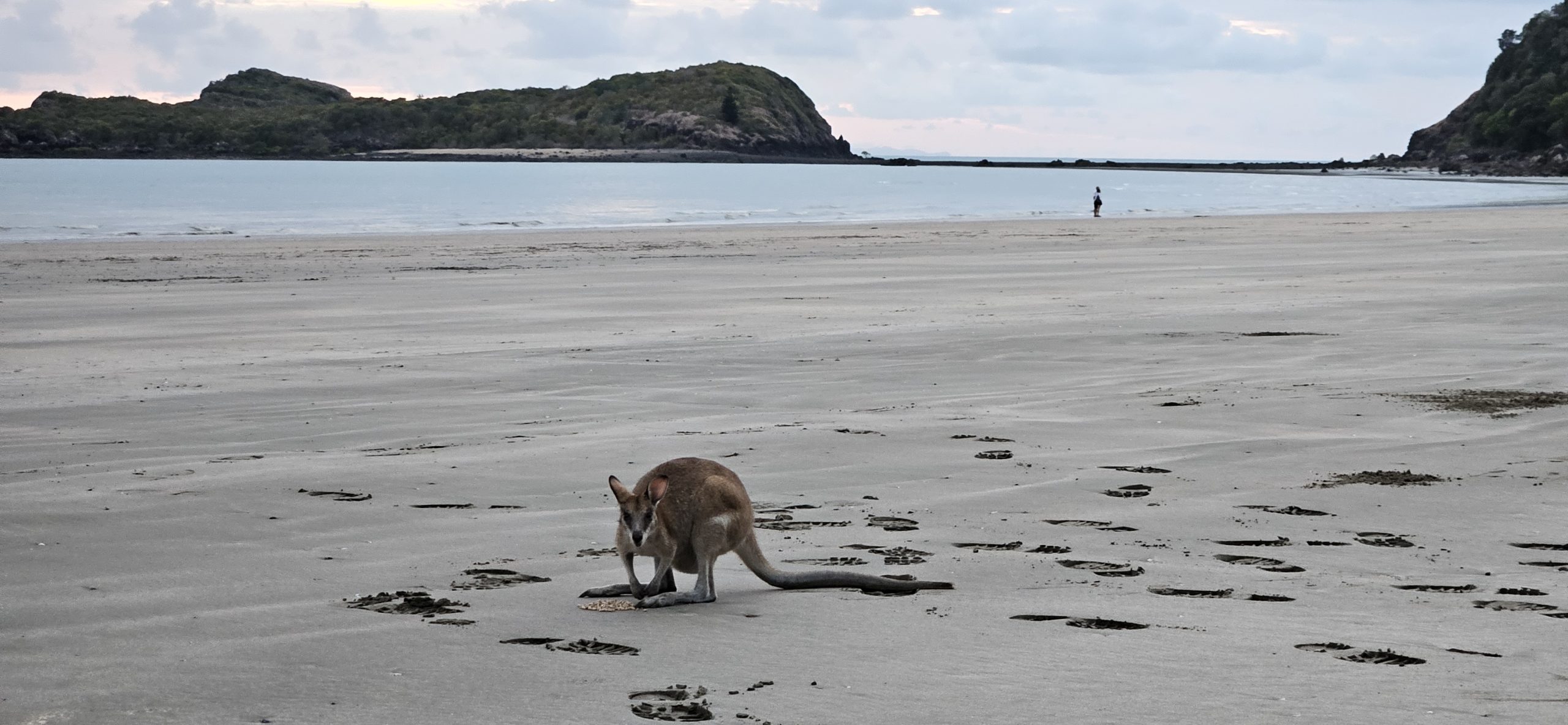
Ever seen kangaroos and wallabies casually grazing on the beach at sunrise? At Cape Hillsborough, it’s a daily show — and yes, it means a 4:30 am wake-up call, but trust us, it’s worth it.
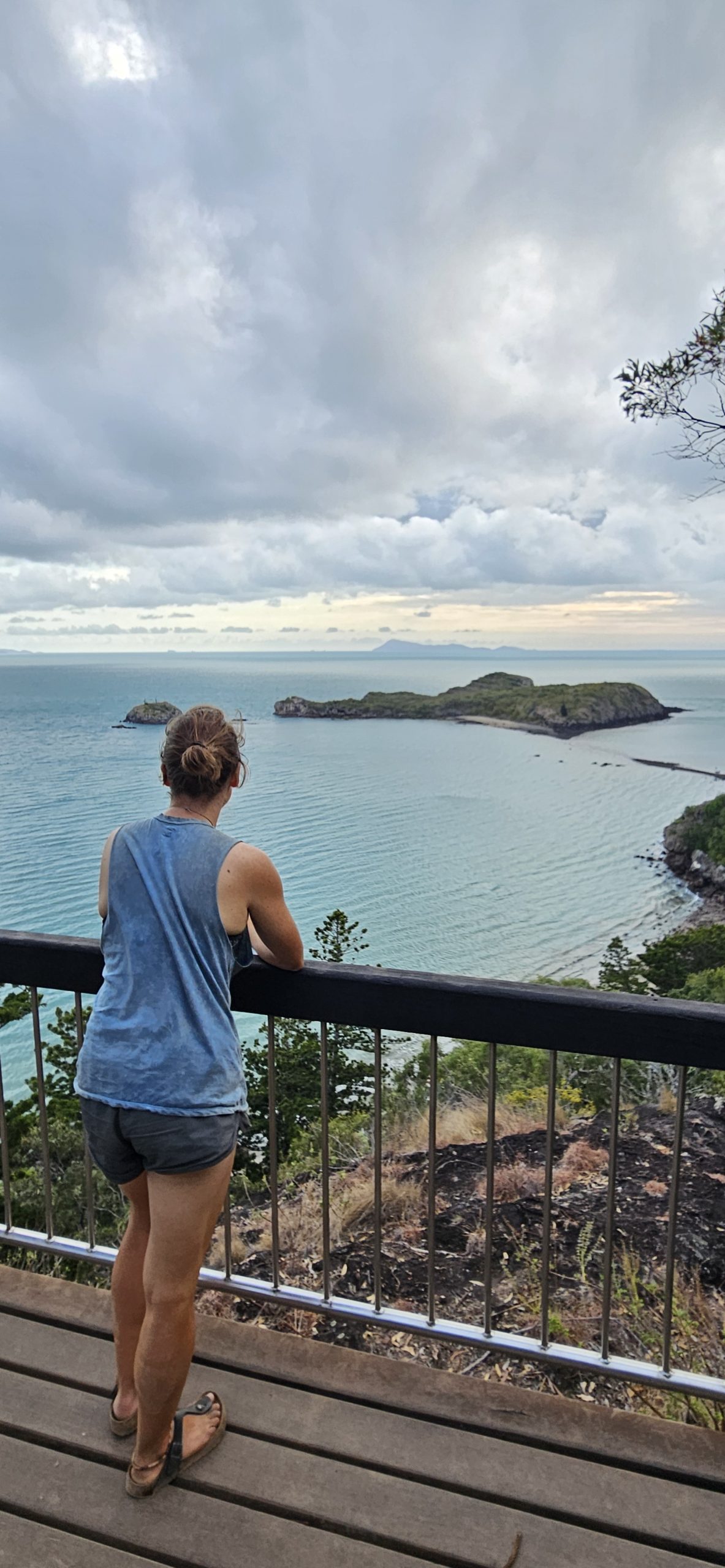
Beyond the wildlife parade, get stuck into scenic coastal and rainforest walks with plenty of wildlife, and at low tide, tidal rock pools teeming with tiny sea creatures.
If you arrive when the tide is falling, take the Andrews Point Track across the causeway to Wedge Island for another unforgettable perspective of the coastline.
Camp right near the beach at Smalleys Beach, or stay at the nearby Cape Hillsborough Nature Tourist Park, where you can easily catch sunrise wildlife, unwind, and soak in the relaxed coastal vibe.
During whale migration season, scan the horizon for humpback whales cruising offshore — a spectacular bonus to an already unforgettable location.
Tip:
Location: 300km south-west of Cairns
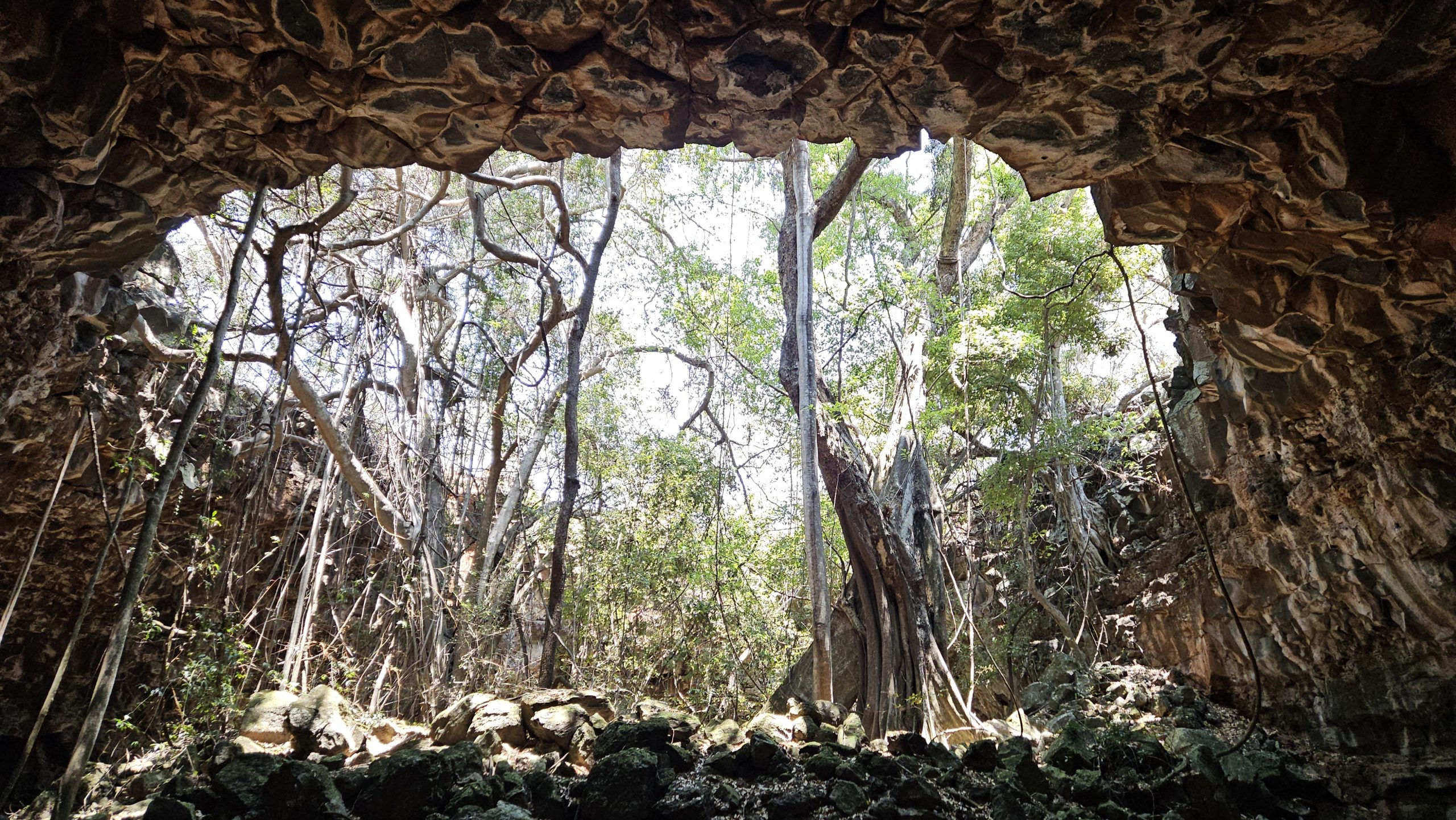
Step into a geological wonder in tropical north Queensland — the Undara Lava Tubes.
It’s mind-blowing to think these tubes are among the oldest on Earth, formed by a volcanic eruption some 190,000 years ago. Walking through them truly feels like stepping into another world.
Access is by guided tour only, offered by Undara Experience. We did the two-hour Archway Explorer tour, following a path that snakes through two vast lava tunnels. The scenery was next level — smooth, sculpted walls, hidden pockets of tropical life thriving inside, and a sense of scale that is simply unforgettable.
Undara offers a rare chance to explore landscapes few ever imagine and stands out as a true highlight of outback Queensland.
We turned our Undara visit into a proper getaway, staying at the campground where we enjoyed a delicious dinner at the restaurant, happy hour at their quirky train bar, and relaxing pool swims.
Tips:
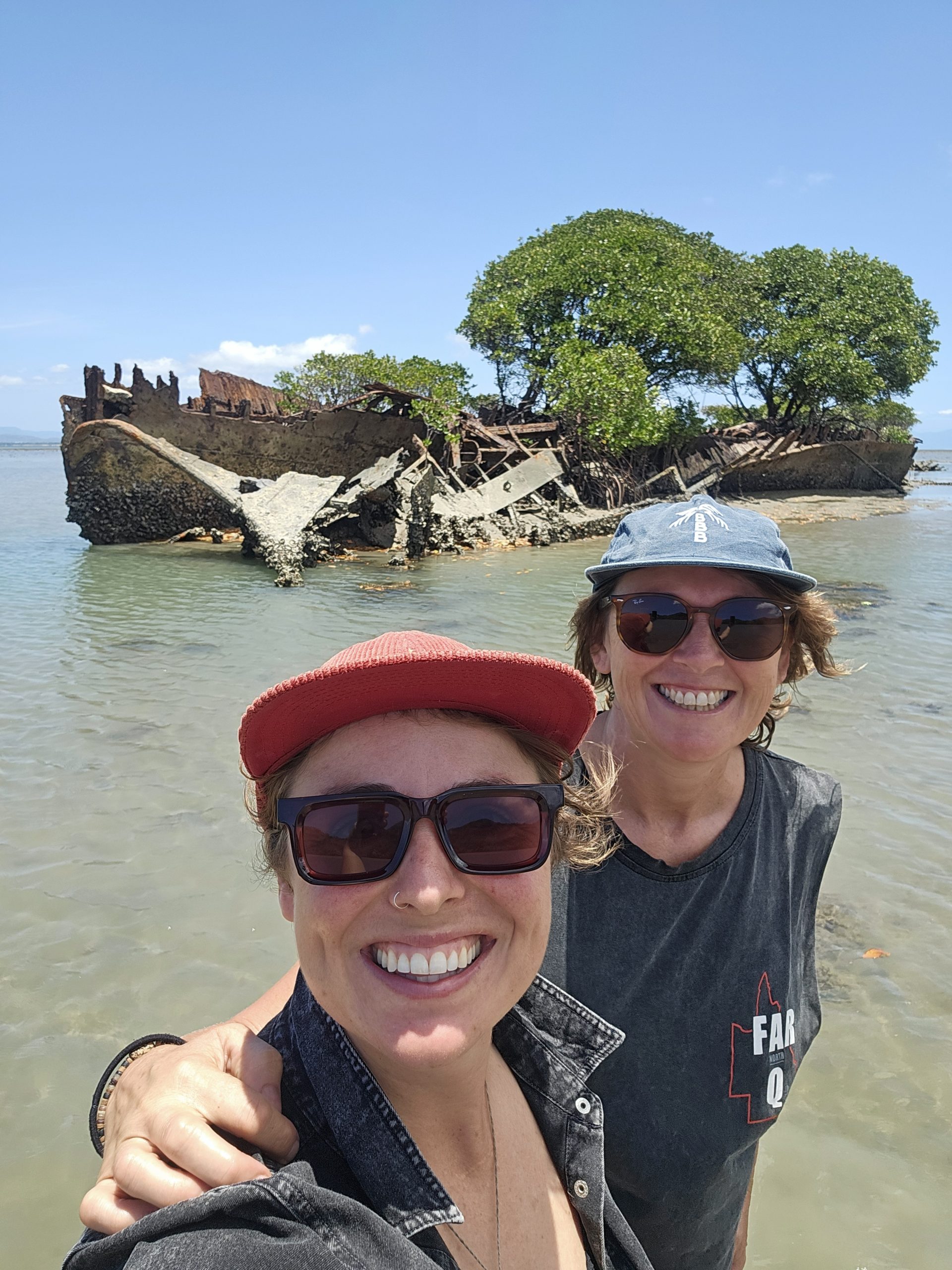
Location: Ferry departs Townsville
Just a short ferry from the mainland, Magnetic Island packs wildlife, walking trails, rugged coastal scenery — and plenty of cocktail opportunities — into one unforgettable spot.
For adventurous explorers, hiking and wildlife spotting are the real highlights.
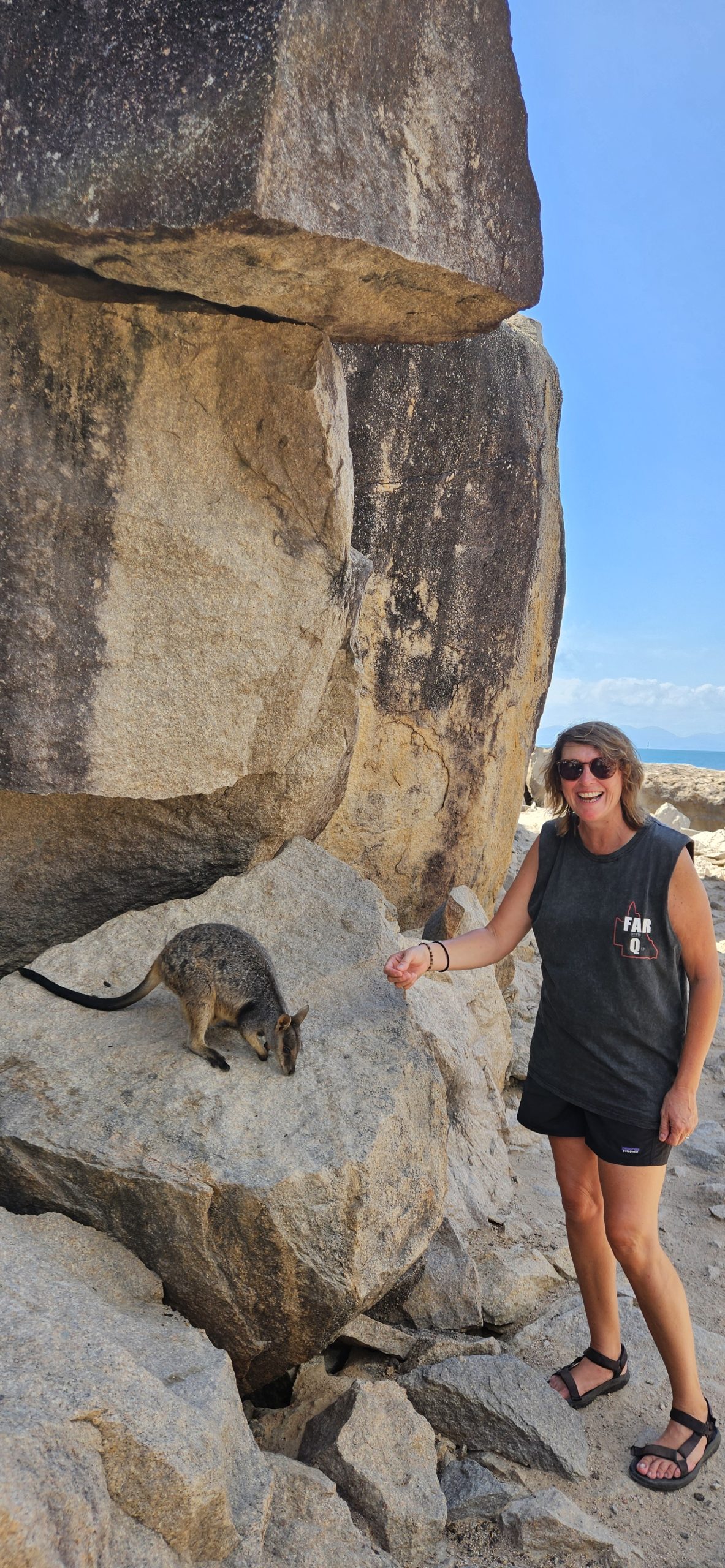
Head to Geoffrey Bay for rock wallaby sightings, and take the Forts Walk trail to spot koalas perched high in eucalyptus trees — all among WWII forts and stunning views over the island and Coral Sea.
For panoramic vistas, visit Arthur Bay Lookout, or explore the island’s quieter western beaches, including Westpoint, where rugged cliffs meet turquoise waters, and more koalas can be spotted.
Coastal highlights include:
While staying overnight gives you the chance to catch sunrise wildlife and enjoy the island at its quietest, day-trippers can still explore key trails, beaches, and wildlife spots.
Tip:
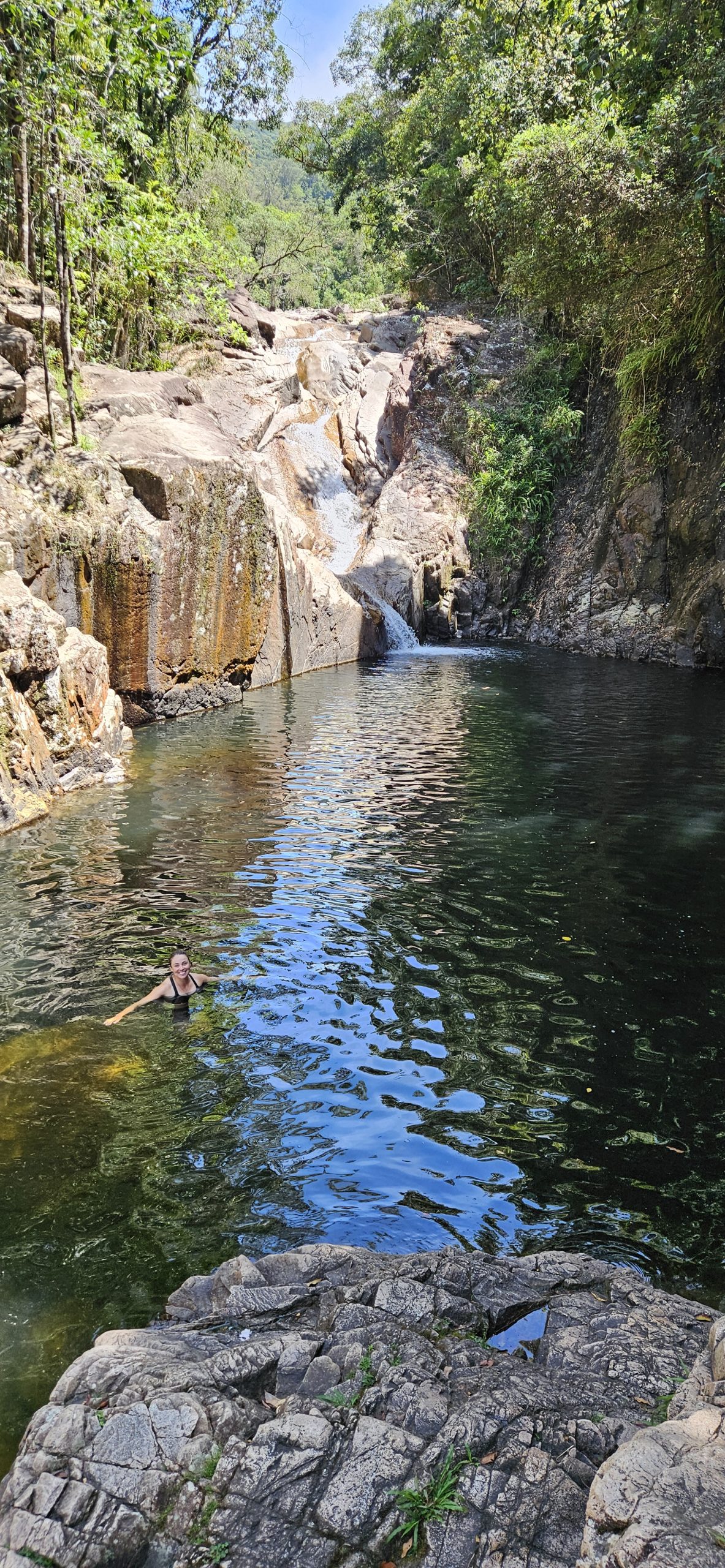
Location: 80 km west of Mackay
Whether you’re chasing wildlife, wandering rainforest trails, or soaking in peaceful creeks and cascades, Eungella National Park is a serene and magical corner of Queensland.
But the main attraction? Queensland’s most elusive residents — the platypus.
The Platypus Trail, stretching from Finch Hatton to Eungella, winds past stunning cascades, crystal-clear creeks, and sweeping vistas, with a few frolicking platypuses making our visit unforgettable. We snagged three sightings from the park’s viewing platforms!
Other highlights along the way include:
Tips:
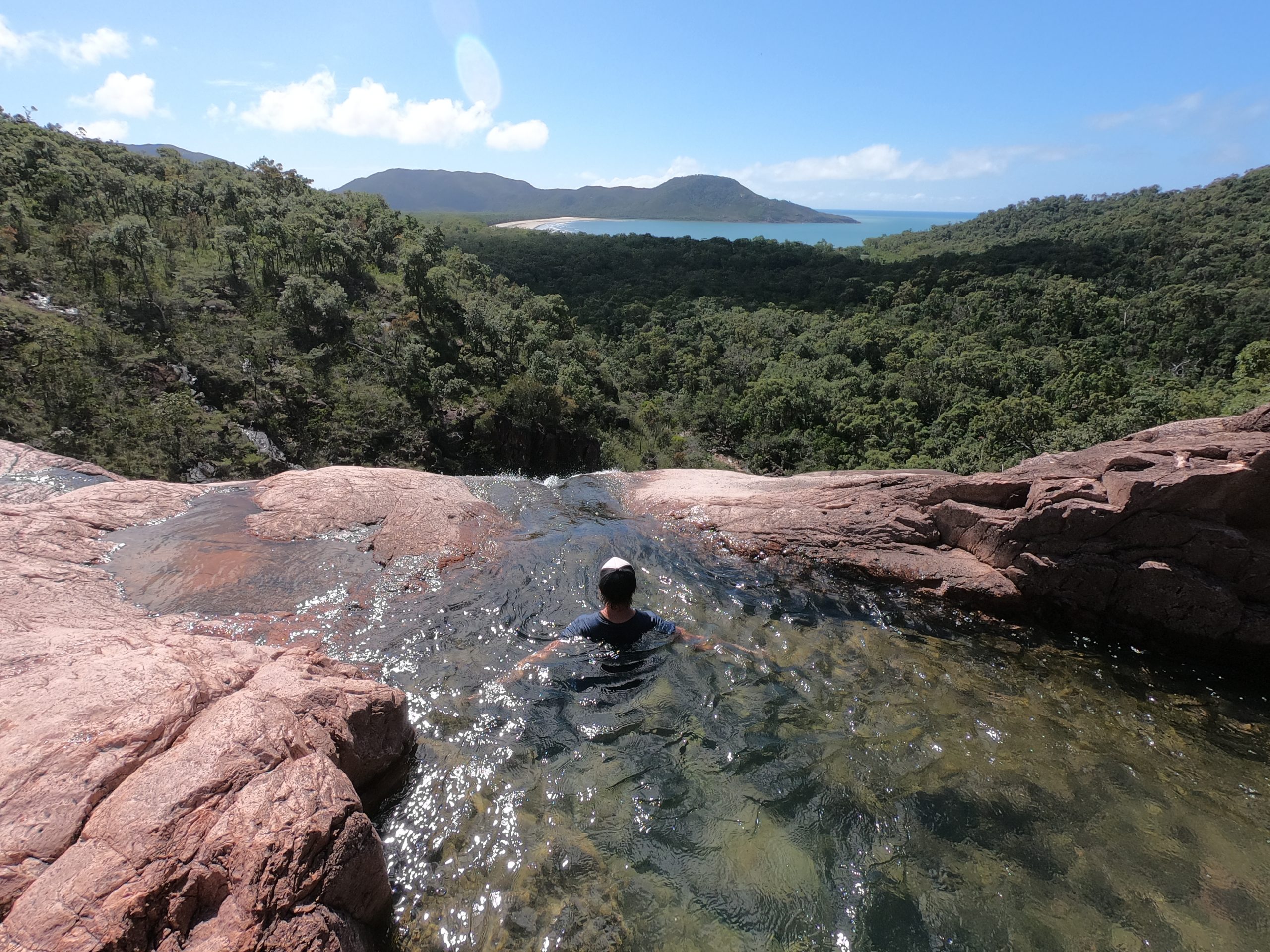
Location: Ferries depart Lucinda (240km south of Cairns) or Cardwell (180km)
Our first multi-day hike and an epic adventure that sparked our love for pack-hiking!
Back in July 2019, we were ferried to this uninhabited island for a spontaneous five-day trek, packs bulging with gear and food — and what an experience it was!
Hinchinbrook delivers a wild, unforgettable adventure: mist-shrouded mountains, lush rainforests, white sandy beaches, turquoise swimming holes, cascading waterfalls, and a natural infinity pool. Every step along the trail feels like exploring a pristine, untouched world.
For anyone keen to try multi-day hiking, the 32 km Thorsborne Trail is an absolute winner. It’s been ranked among the world’s top 10 hikes, and it’s easy to see why — a true mix of challenging terrain, breathtaking scenery, and pure wilderness.
Tip:
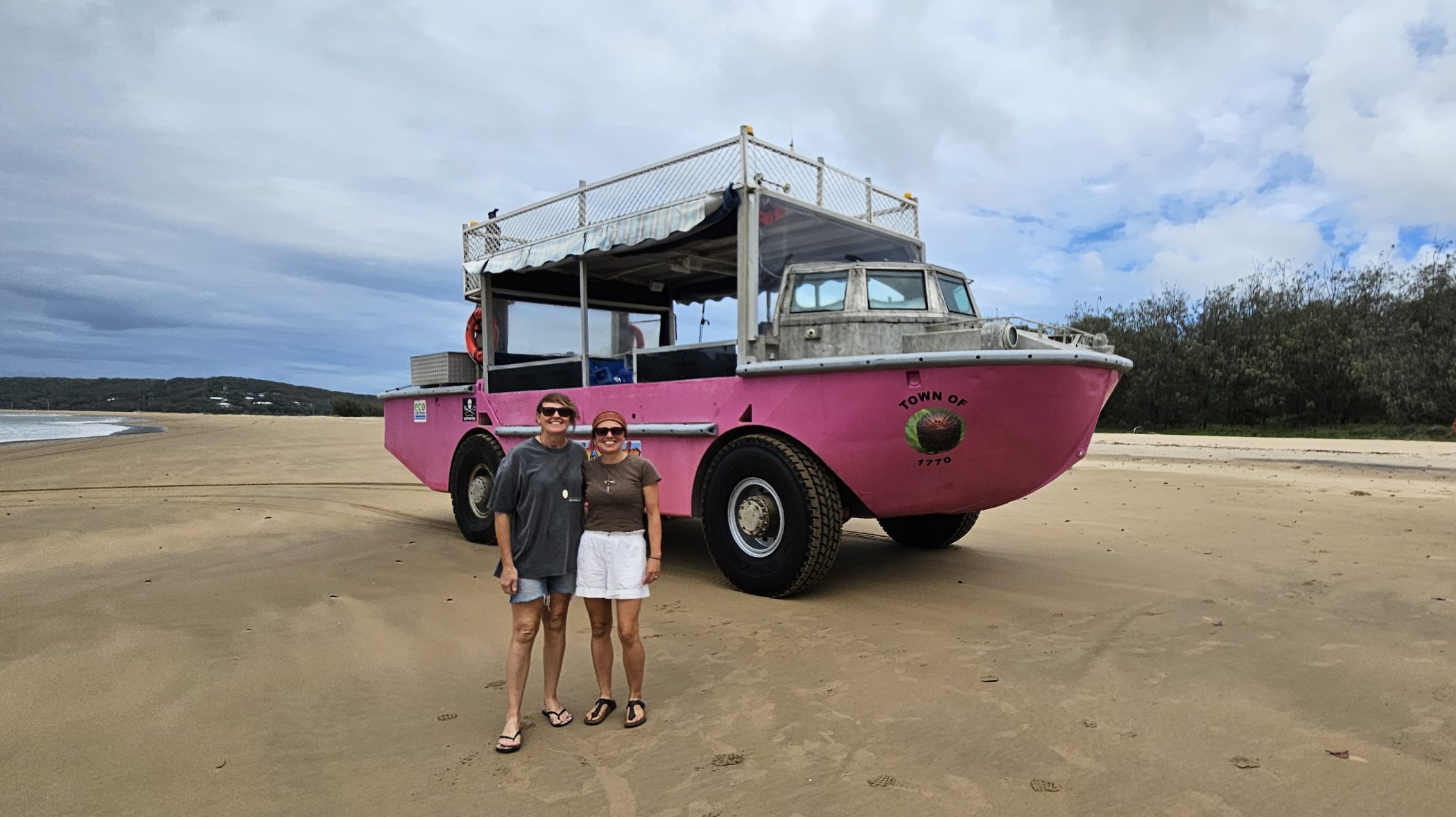
Location: 112km north-west of Bundaberg
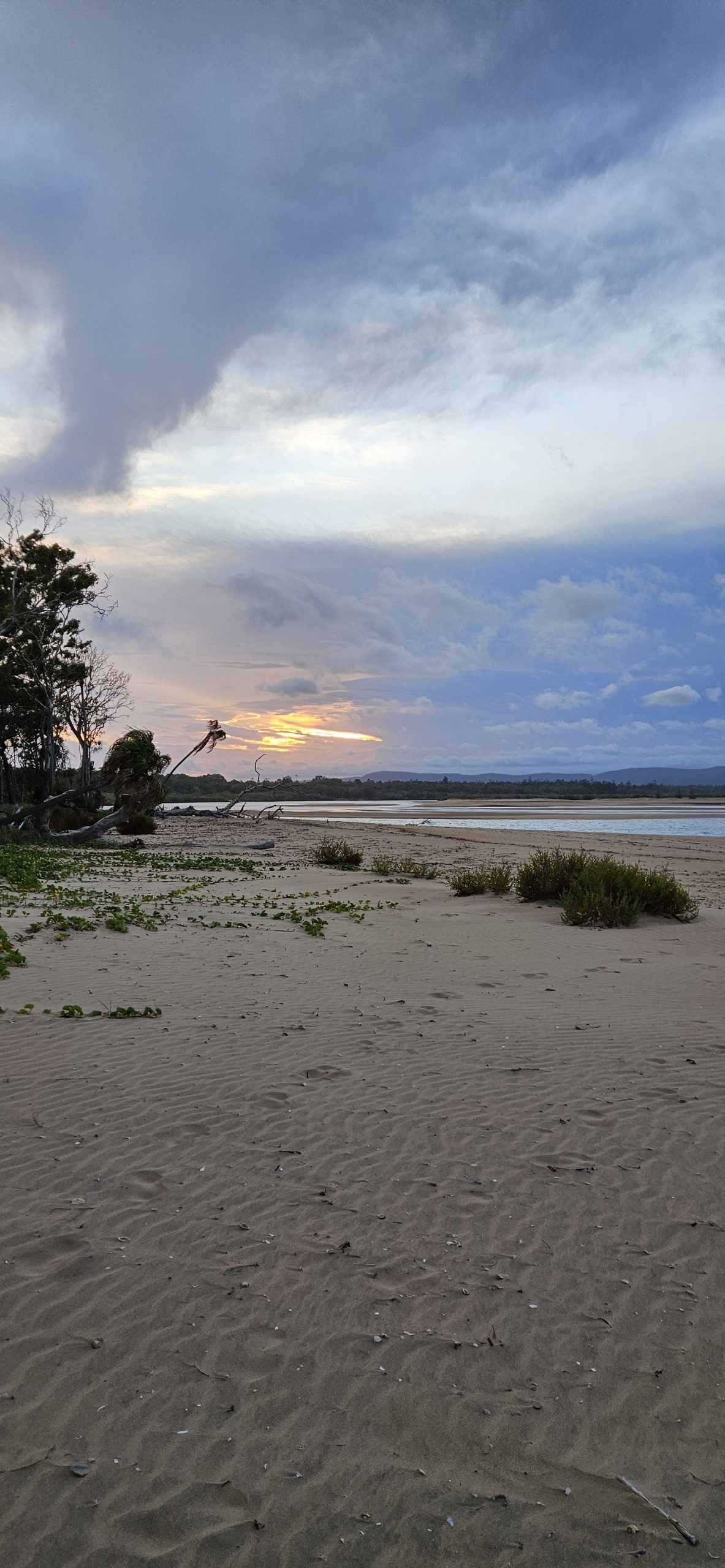
Escape to Eurimbula, a coastal paradise of pristine beaches, mangrove-lined waterways, and lush forests just outside the Town of 1770.
Whether you’re hiking, paddling, fishing, or simply soaking in the sunset, Eurimbula delivers a true ‘Castaway’-style getaway — the kind of place where you slow down and take nature in.
We spent a couple of nights camping by the ocean, enjoying campfire dinners, watching the sun set over the water, and soaking in the serene surroundings.
Hike to Ganoonga Noonga Lookout (720 m return) for spectacular views over the coastal lowlands, spot wildlife from playful platypuses to red-tailed black cockatoos, or simply relax with your feet in the sand.
A paradise for boaties and anglers, you can paddle along tranquil coastal waterways and creeks on the Eurimbula Sea Trail, or cast a line from the nearby beaches or creeks to catch your own dinner.
For a unique perspective, cruise the coastline and waterways aboard the bright pink LARC, an ex-army amphibious 5-ton vessel — we loved exploring Eurimbula this way, seeing hidden coves and sparkling waters up close.
Tips:
Location: 110 km south of Brisbane
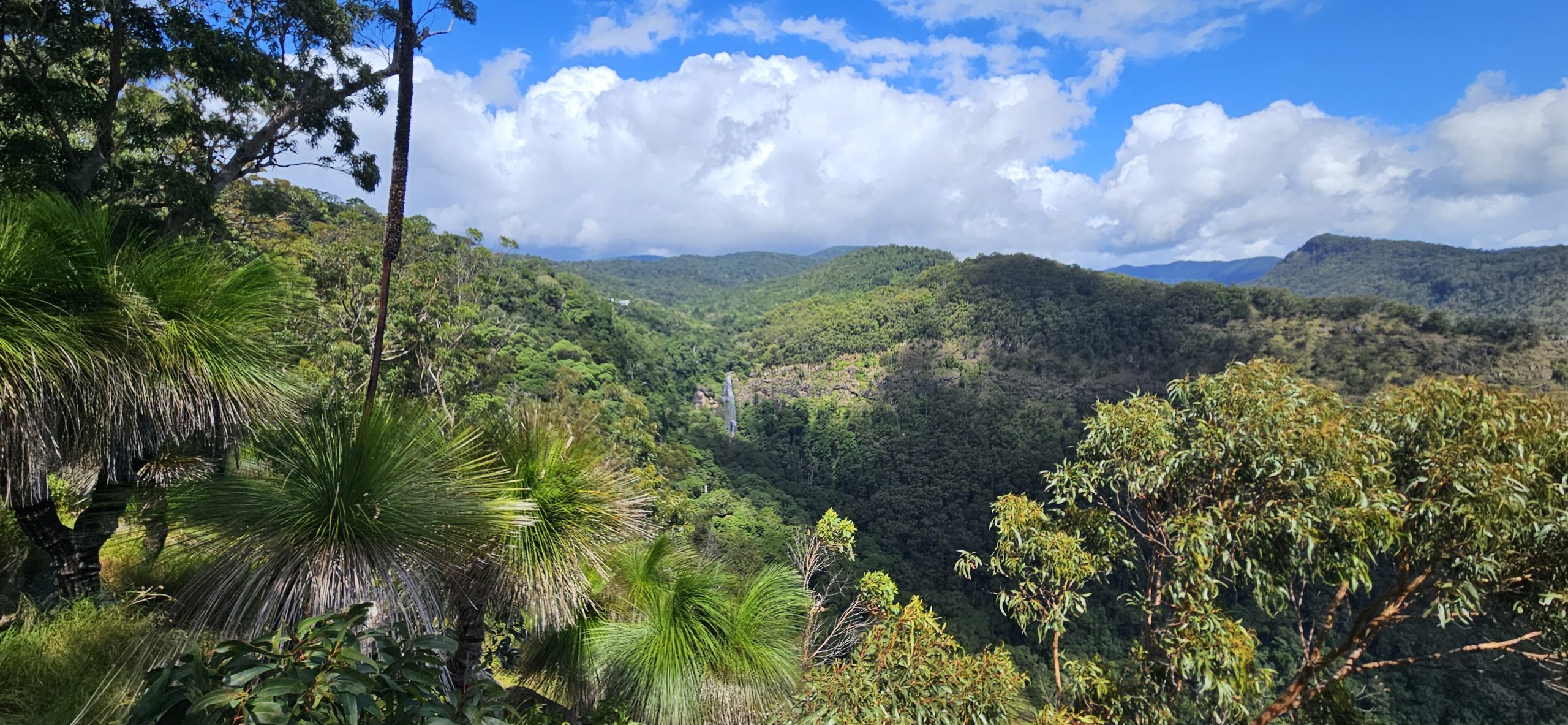
Lamington National Park proves you don’t have to travel far to feel completely removed — once you escape the car park.
Just two hours from Brisbane, this ancient World Heritage Gondwana rainforest feels wild, timeless, and deeply immersive. Time slows right down as you roam trails beneath the canopy of towering trees, and gaze out from dramatic lookouts, and follow the sound of tumbling waterfalls through the green.
Home to one of the most expansive subtropical rainforests on earth, the park is split into two main sections: Green Mountains on the western side and Binna Burra on the eastern. It takes about 1.5 hours to drive between them, so you’ll need a couple of days to explore both.
With limited time, we devoted our overnight stay to Green Mountains, exploring:
Tip:
Location: 650 km north of Cooktown
Far from Queensland’s most accessible national park, Apudthama National Park (formerly Jardine River) is a true jewel of Far North Queensland — and an absolute must on any trip to ‘The Tip’.
Home to the spectacular Fruit Bat Falls, Eliot Falls, and Twin Falls, Apudthama was a standout highlight of our six-day, 1,000 km+ journey to Pajinka — the Tip of Australia — in 2024.
Even better? It’s crocodile-free, meaning when the tropical heat hits, you can actually cool off in the crystal-clear pools without fear of being eaten alive.
We reached Apudthama via the unsealed Peninsula Development Road, followed by a thrilling stretch of the notorious Old Telegraph Track. These stunning waterfalls were a huge part of what made our Cape York adventure feel like true outback magic.
Add in quirky roadside pubs, adrenaline-fuelled 4WD tracks, croc spotting, abundant wildlife, nightly campfires, and all-you-can-eat wild mangoes, and you’ve got an adventure that’s hard to beat.
Tips:
When travel savings run low, working on the road can keep the adventure rolling — and give you time to truly explore places like a local.
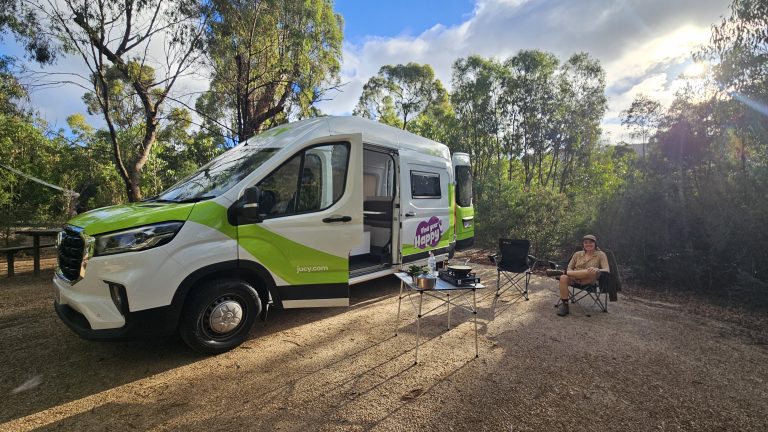
We road-tripped from Adelaide to Melbourne for $1 a day. Here’s how campervan car relocations work — and the catches.