Fifty shades of crimson: Australia’s wildest red earth adventures

Explore Australia’s red-earth landscapes, from the fiery cliffs of Francois Peron to the iconic Uluru, and discover the remote beauty of 10 unforgettable outback gems.

There’s something wild and uniquely Australian about travelling through country the colour of terracotta tiles and tomato sauce.

From the far-flung Tip of Australia, across the West’s vast Pilbara, to the country’s infamous Red Centre, that red dust seeps into your soul, your boots and your rig, like nothing else.

It lingers long after the road disappears.

Maybe it’s the distance, the heat or the challenge that comes with reaching these often-remote places. Maybe it’s the ancient stories etched in the land. Or perhaps it’s simply the way the earth glows.

Here are 10 of our favourite patches of red earth from across Australia.

1. Francois Peron National Park

  • Location: Gascoyne, Western Australia (726 km north of Perth)
  • Access: 4WD only
  • Recommended campsite: Big Lagoon (bush camping, lagoon for swimming)

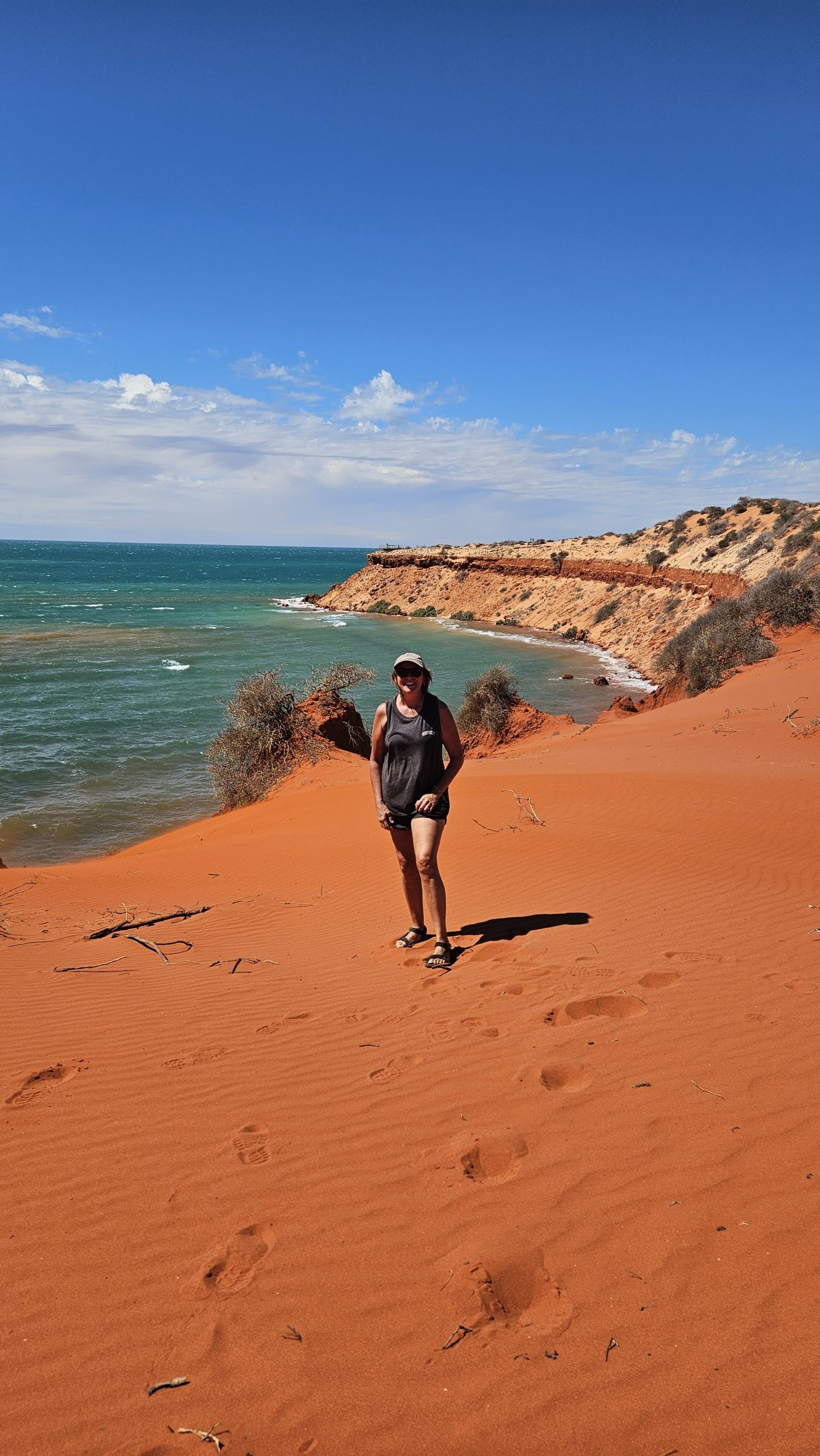
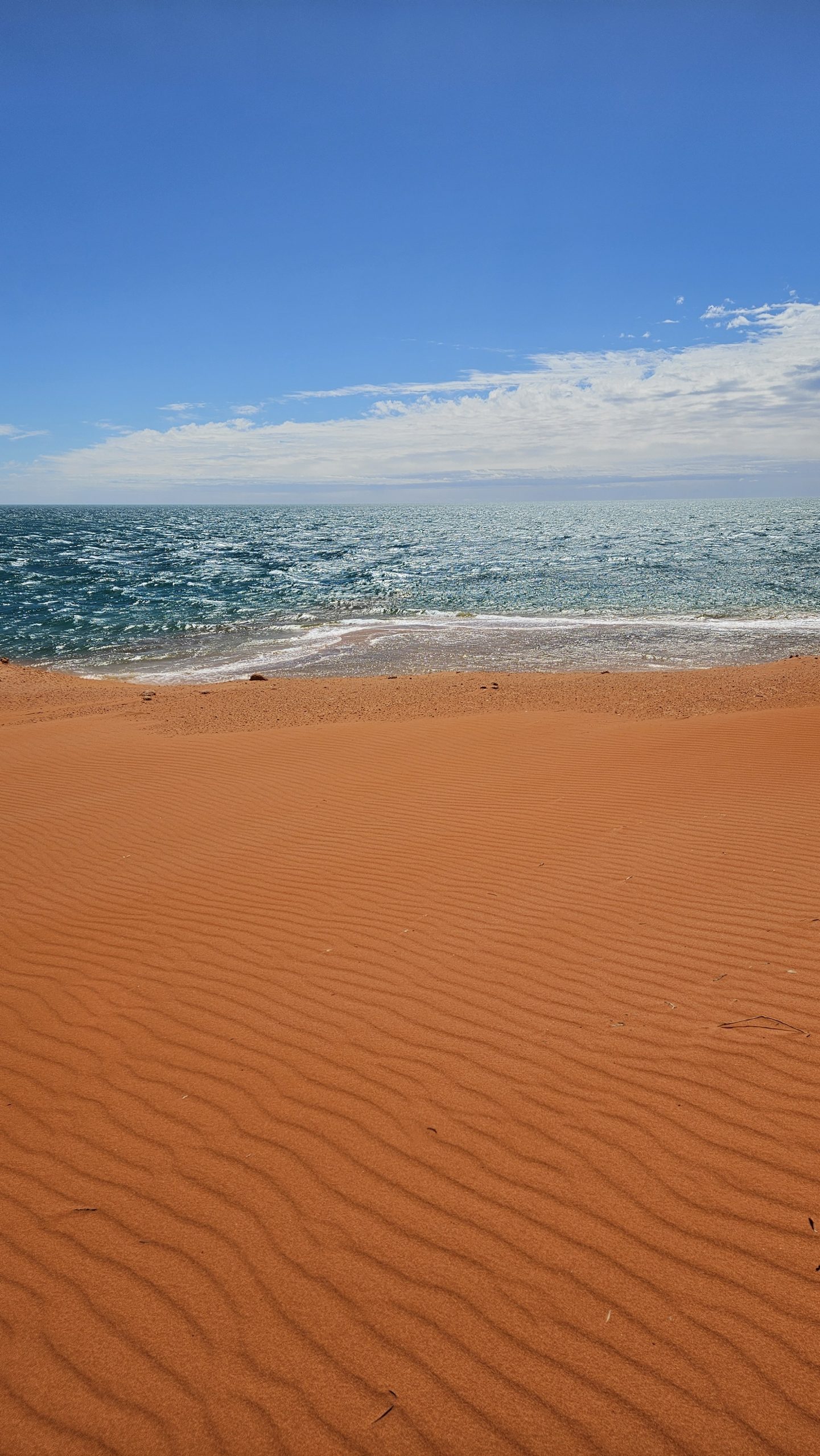
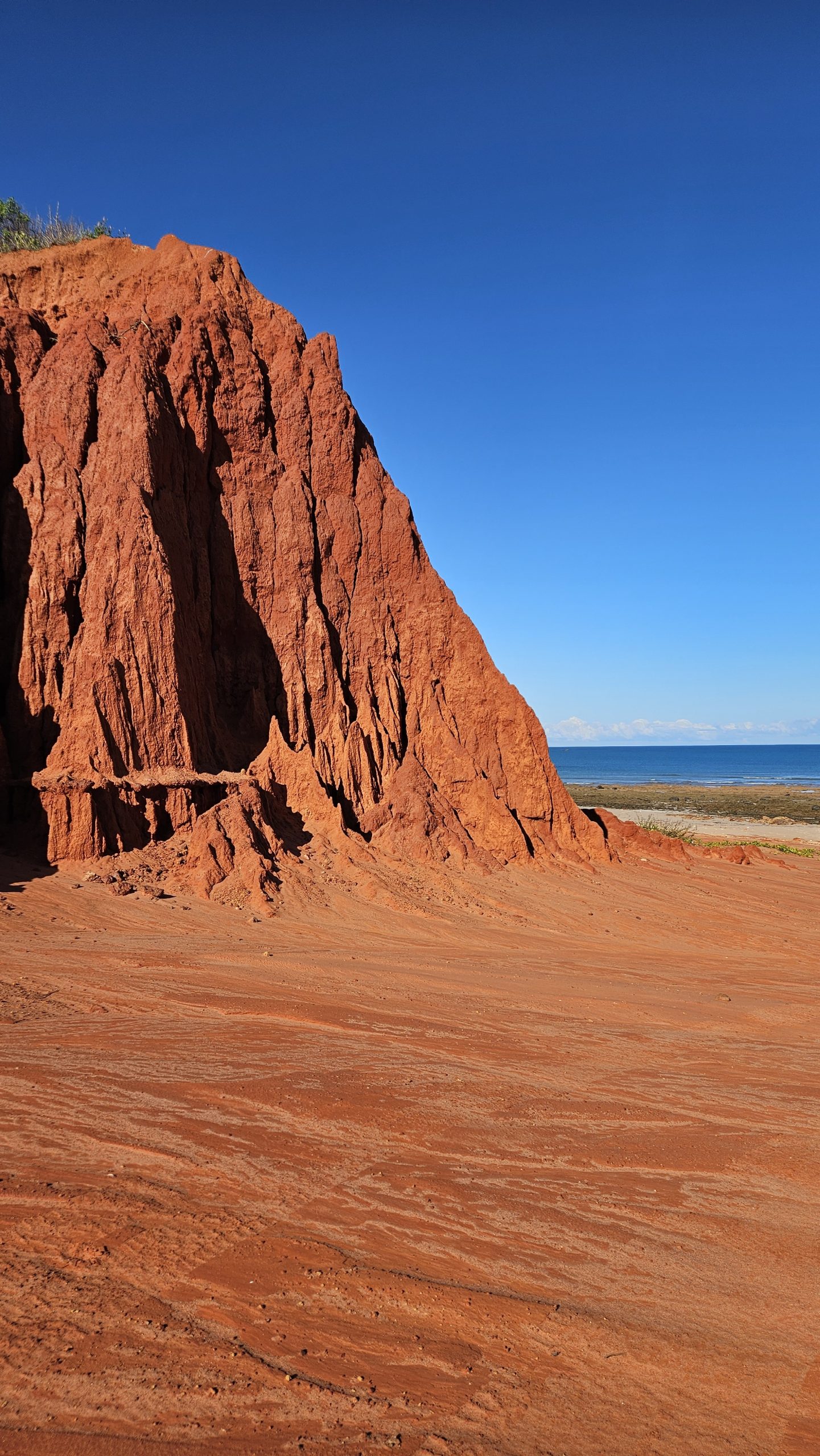
Few places burn quite like Francois Peron National Park — iron-rich cliffs, rust-coloured tracks, crimson dunes, and blazing headlands plunging into electric blue water. The sand glows fiercely under the Shark Bay sun. Camped among the red sand, the land glows fiercely under the Shark Bay sun, with nights that feel raw, remote and unmistakably wild.

2. Pajinka – 'The Tip'

  • Location: Cape York, Queensland
  • Access: 4WD only
  • Recommended campsitePunsand Bay (beachfront sites, ‘Currogation’ bar, facilities)

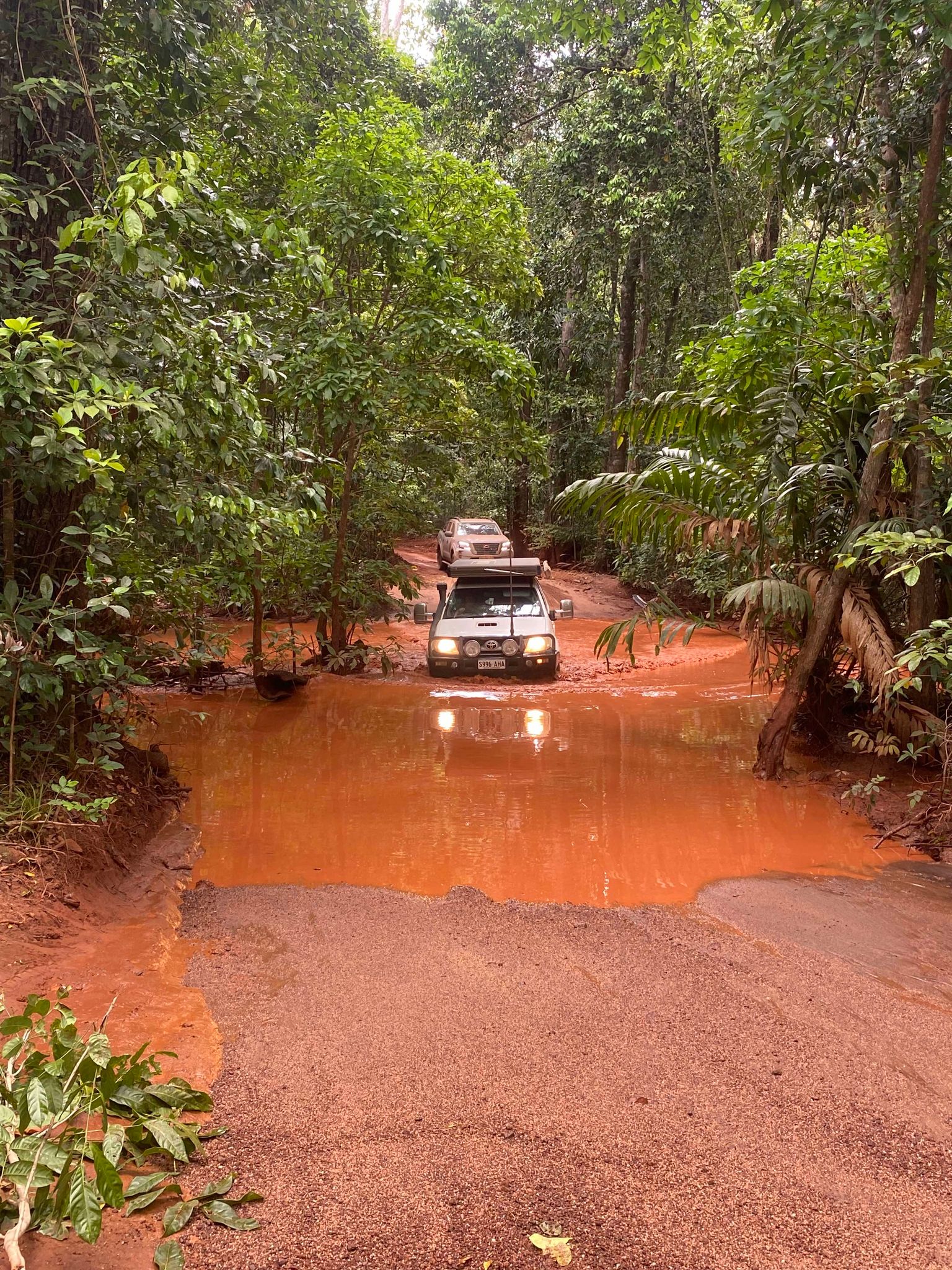
The final stretch of road to The Tip burns a deep, rusty red. It winds its way through lush green tropical forest and beneath red-stained waters before the continent finally gives way to sea. It’s a striking contrast — and an epic way to mark the end of one of Australia’s wildest adventures.

3. Kennedy Range National Park

  • Location: Gascoyne region, Western Australia (230 km east of Carnarvon)
  • Access: 4WD only
  • Recommended campsite: Temple Gorge (bush camping, picnic benches, toilets)

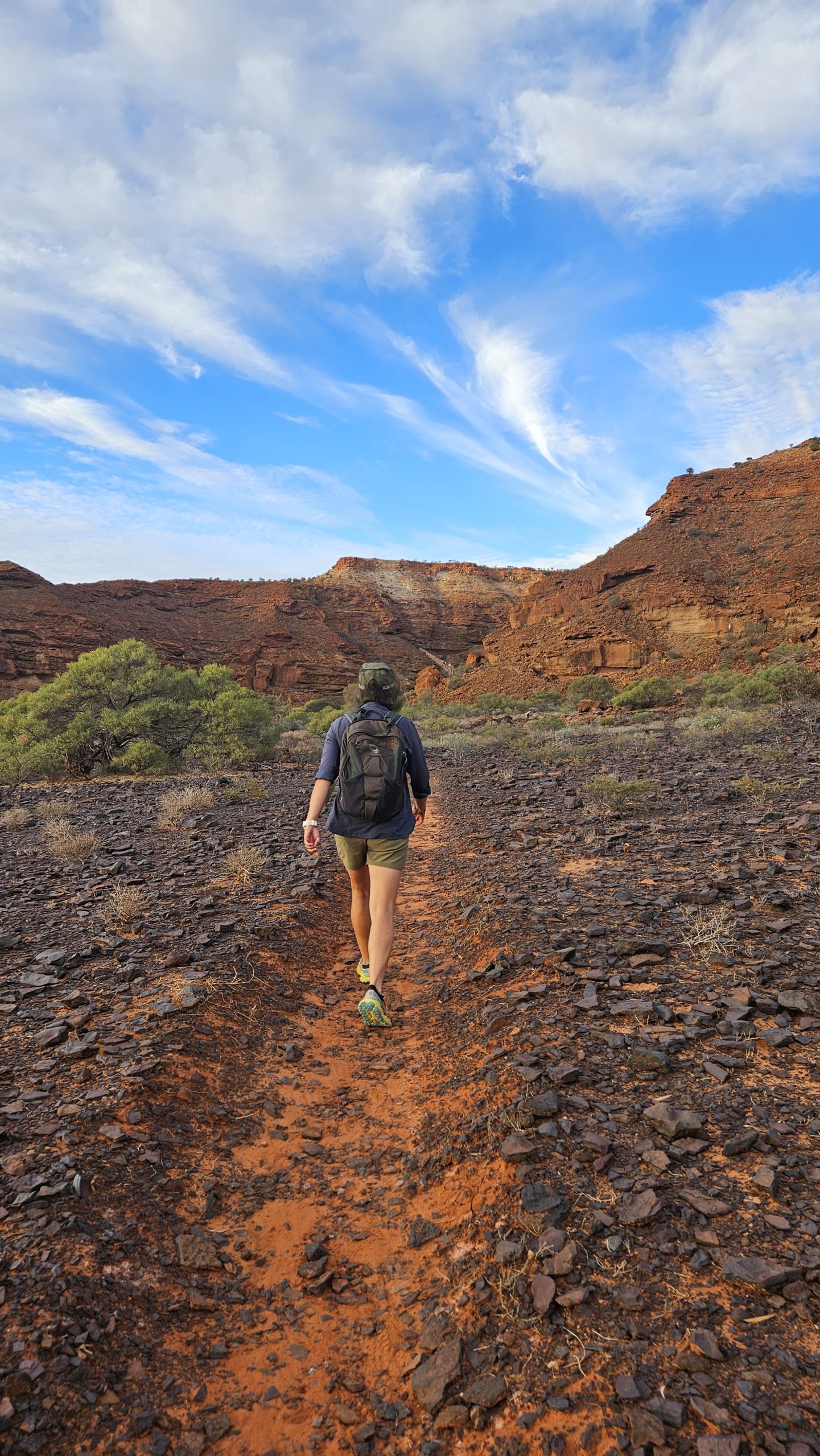
Kennedy Range hits you with colour straight away — red roads lead to towering red cliffs rising from the vast plains, carved with unique formations like Honeycomb Gorge. For the adventurous, a 4WD loop track climbs to the top of the sandstone plateau, where crimson sand dunes and epic outlooks stretch across the rugged, red-drenched landscape. Best of all, it’s blissfully quiet and feels a world away from WA’s busier hotspots

4. Uluru

  • Location: Uluru-Kata Tjuta National Park, Northern Territory (~450km from Alice Springs)
  • Access: Sealed road (optional 4WD tracks)
  • Camping: Ayers Rock Resort Campground (option of power, full amenities, pool)

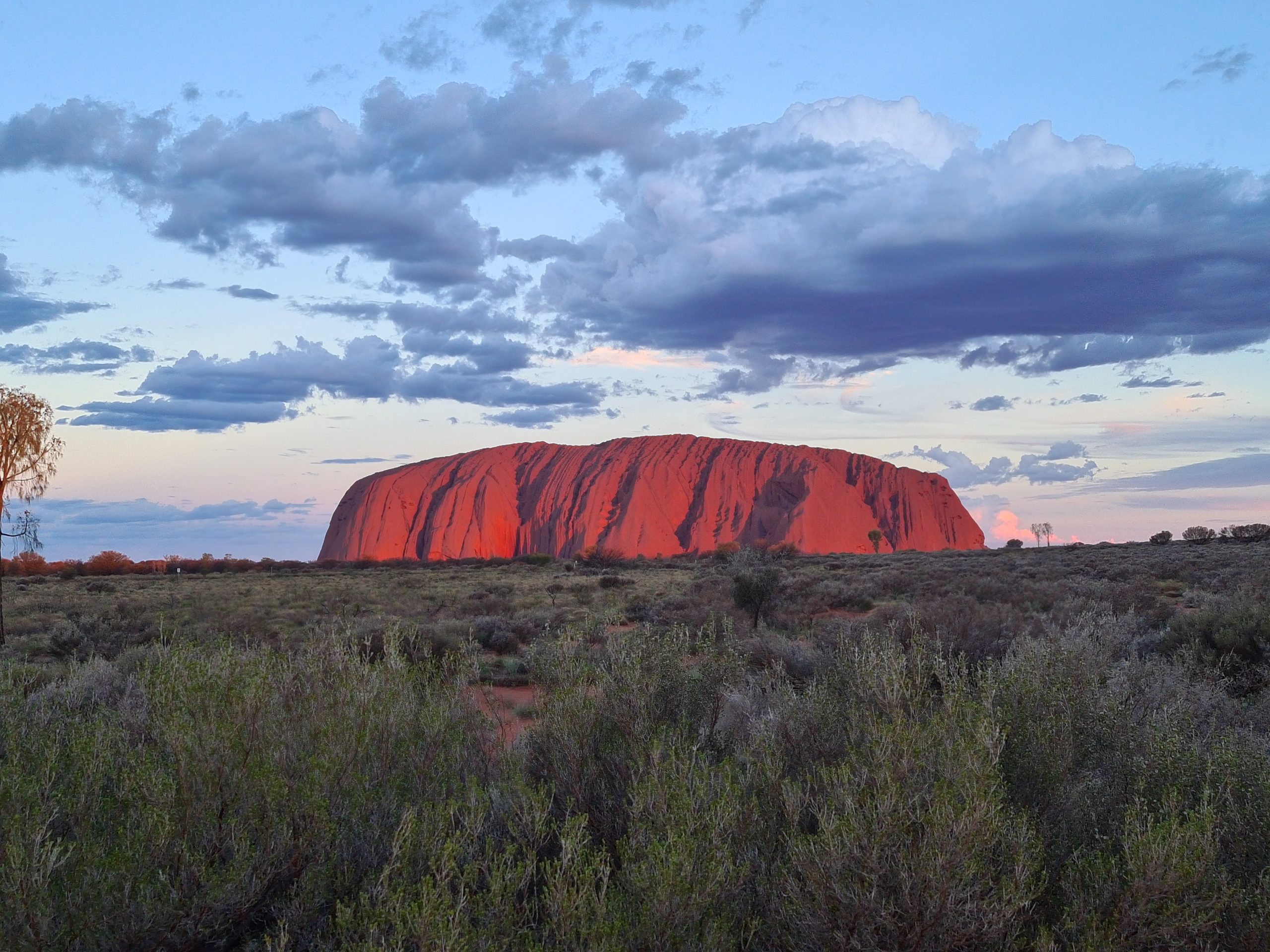
A list of Australia’s most spectacular red-earth places wouldn’t be complete without Uluru. This ancient, iconic crimson rock rises from the Central Australian plains like a fiery sentinel, its massive sandstone face glowing at sunrise and sunset. All around, desert tracks and ochre sands stretch endlessly — a raw, timeless landscape where red earth dominates every horizon.

5. James Price Point (Walmadany)

  • Location: Dampier Peninsula, Western Australia (~60 km north of Broome)
  • Access: 4WD recommended
  • Camping: Free coastal bush camping onsite

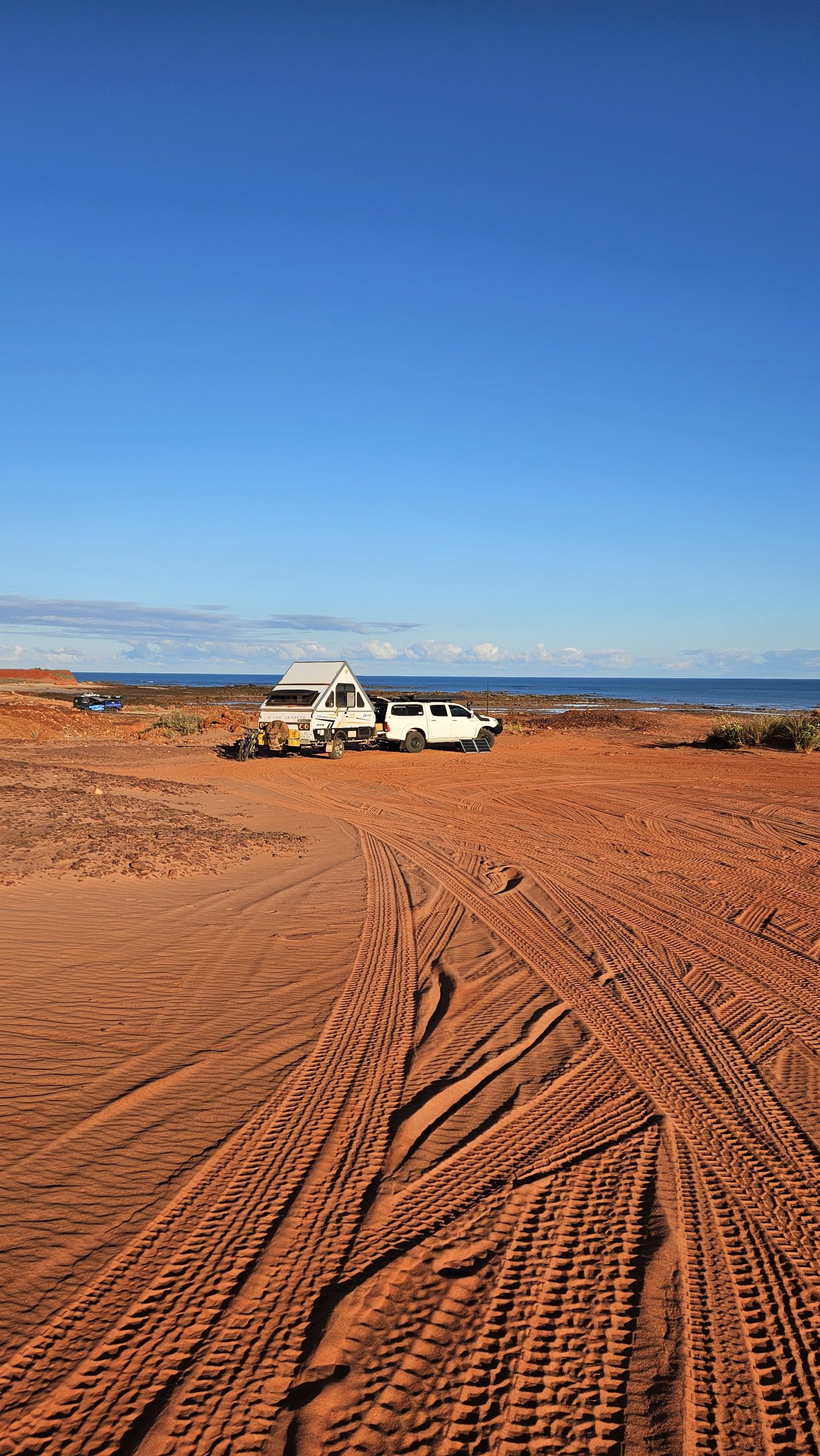
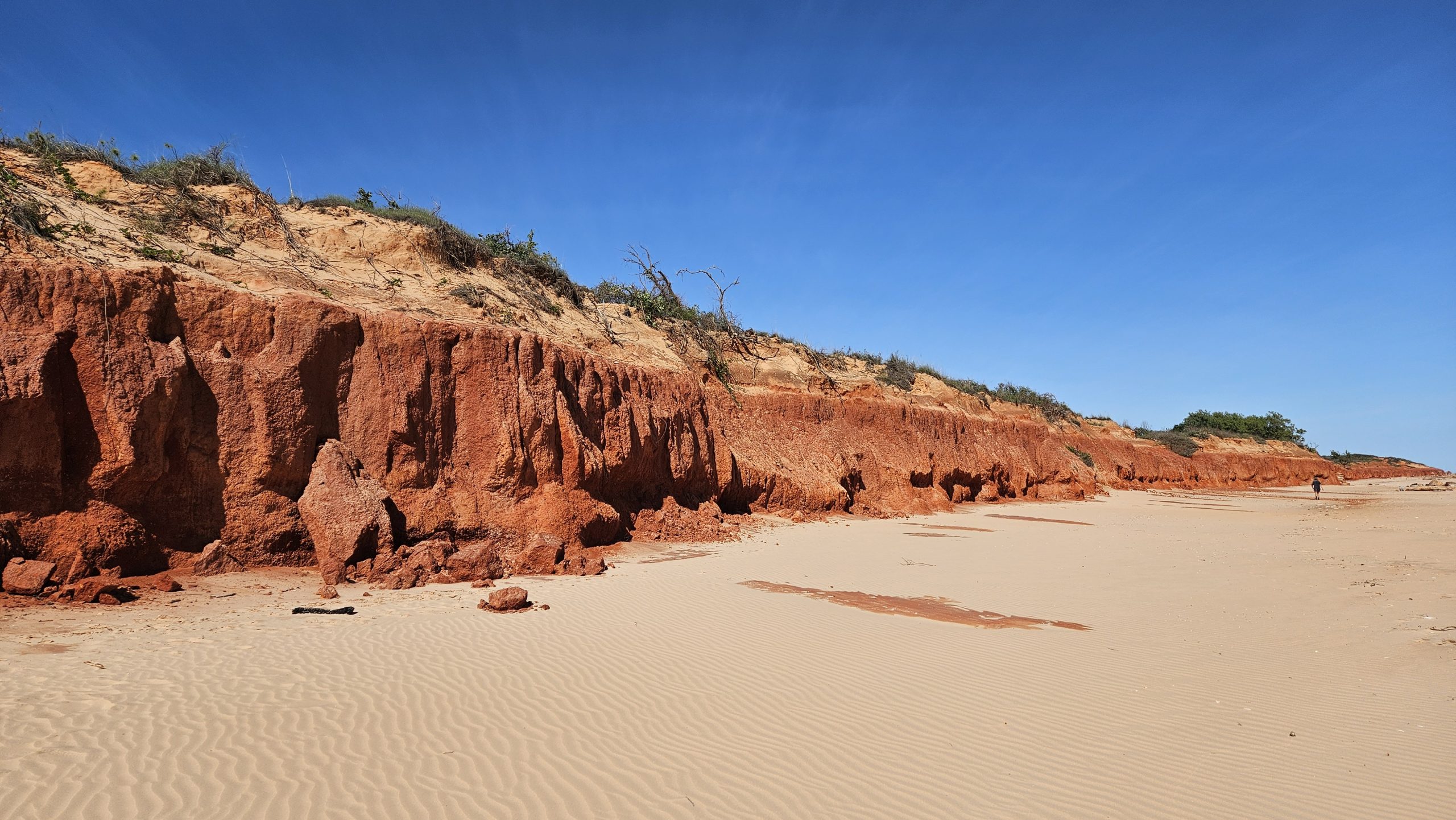
The drive into James Price Point sets the tone. Red dirt roads wind through Broome’s outback before opening up to dramatic pindan cliffs, white sand and turquoise sea. Here, the red earth runs right to the ocean’s edge, creating a striking contrast against the water. While not on the tourist map so to speak, this raw and rugged location is one of the Dampier’s most spectacular coastal places — and a standout freedom camp.

6. Purnululu National Park

  • Location: East Kimberley, Western Australia
  • Access: 4WD recommended (some walking tracks)
  • Recommended camping: Walardi (closest, bush camping, toilets)

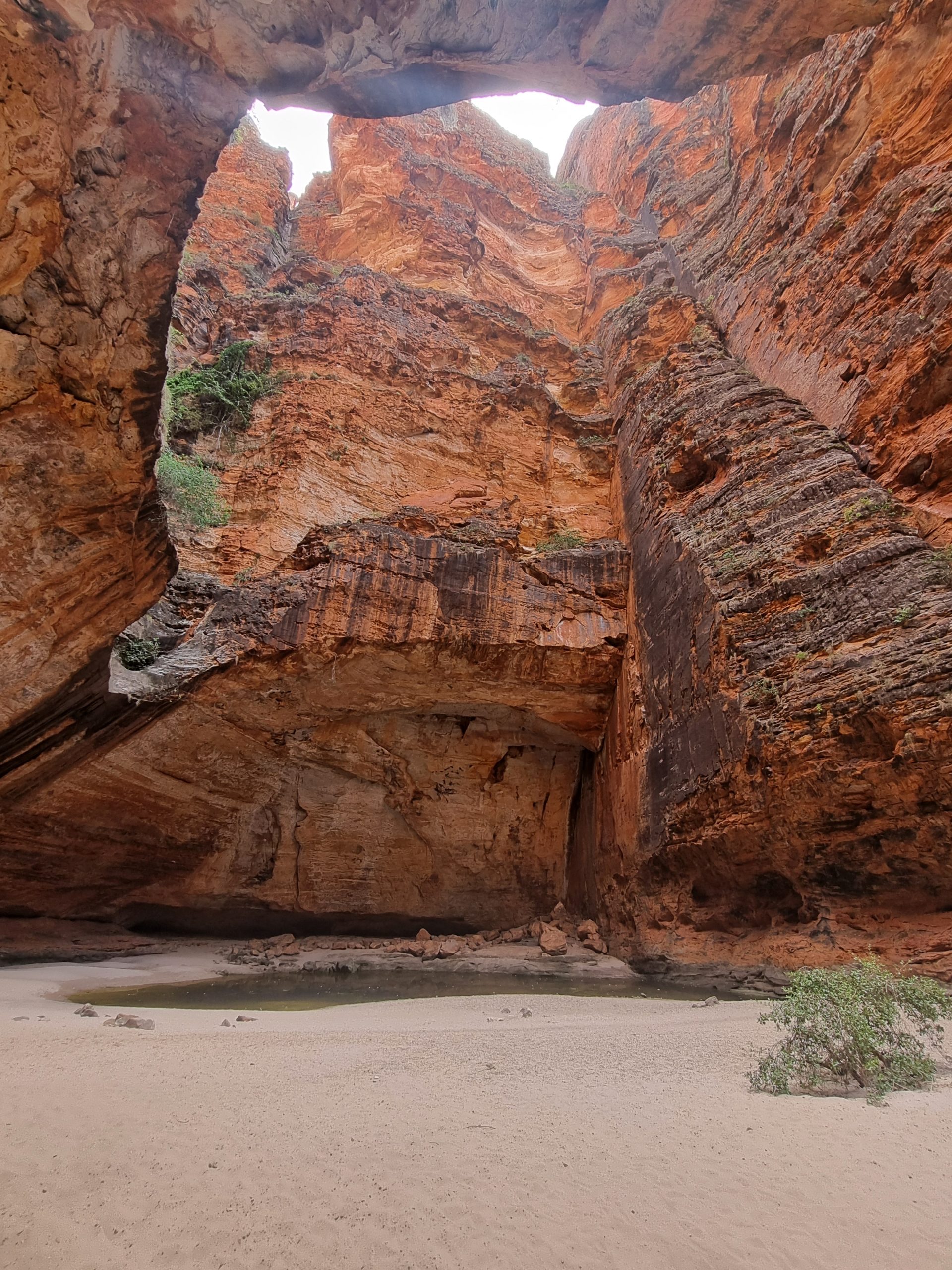
While Purnululu is famed for its striking bee-hive domes, its hidden red rock gorges add to its wonder. One of its most photographed sites, Cathedral Gorge is a vast natural amphitheatre of glowing red rock, tucked deep within the rugged ranges. The acoustics are remarkable, so sit down on its sandy floor and give your vocals a work out like we did.

7. Peace Gorge

  • Location: Meekatharra, Western Australia
  • Access: 4WD recommended
  • Recommended camping: On site

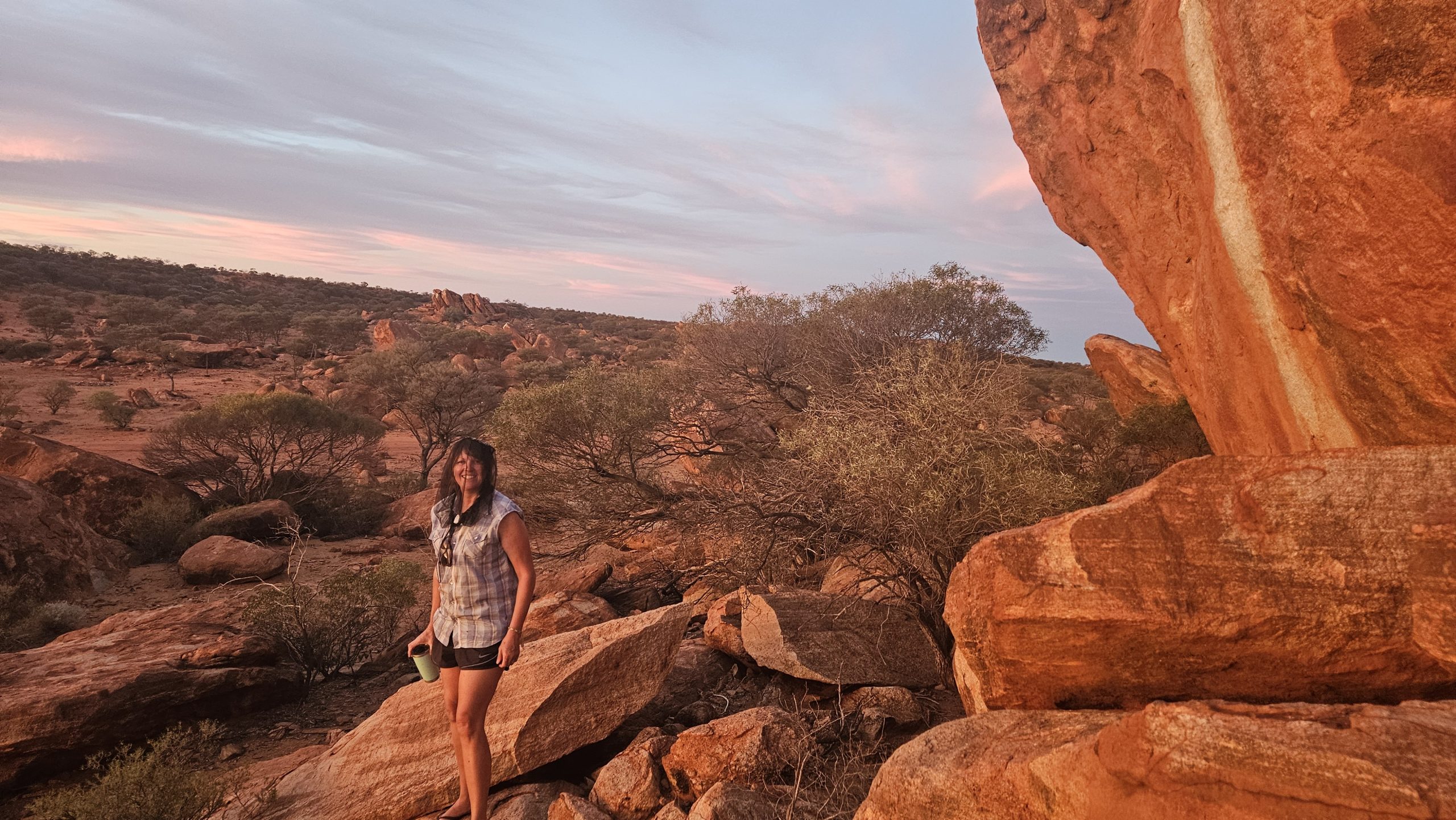
Ochre earth stretches across Peace Gorge, just a short drive from Meekatharra, where massive, weathered granite boulders and rocky outcrops rise from the vibrant Murchison plains. Rust-colored hills and the bright red Sturt’s pea, the area’s signature wildflower, punctuate the landscape. It’s a rugged, fiery playground that perfectly captures the raw, remote beauty of this corner of WA.

8. Kings Canyon

  • Location: Meekatharra, Northern Territory (330 km southwest of Alice Spring)
  • Access: 2WD friendly (optional 4WD tracks)
  • Recommended camping: Kings Creek Station (glamping, camping, pool, facilities, open seasonally)

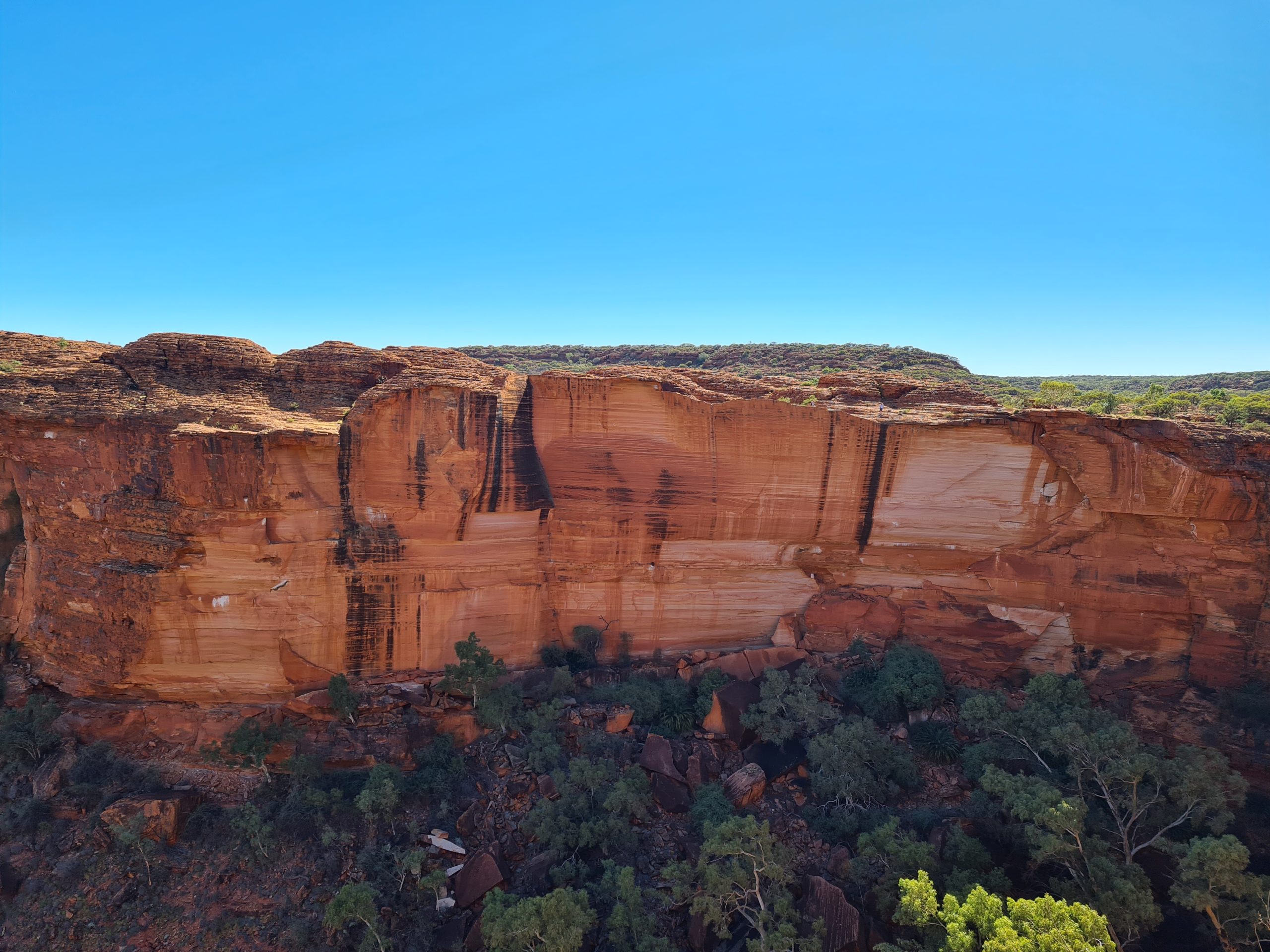
Kings Canyon towers over the desert like a fortress of red stone, carved by millions of years of wind and water. Hike the rim for epic views or wander down to the shady Garden of Eden, a hidden oasis of palms and waterholes. It’s a fiery, unforgettable landscape that captures the raw beauty of the Red Centre.

9. Mount Augustus National Park

  • Location: Mount Augustus National Park, Western Australia (430km from Carnarvon)
  • Access: 4WD recommended (especially after rain)
  • Recommended camping: Mt Augustus Tourist Park (awesome vibes, bar/restaurant, amenities)

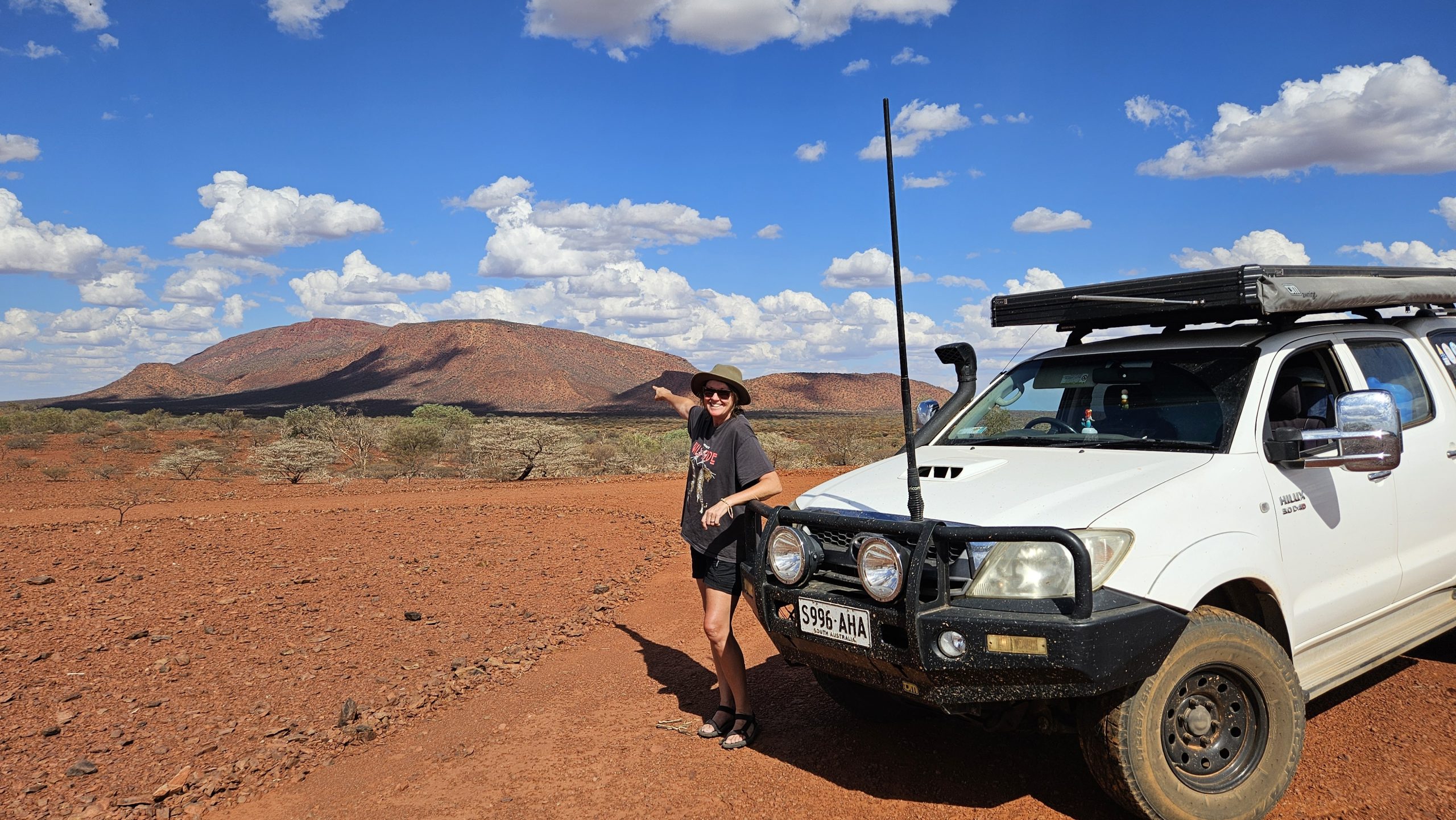
Mount Augustus is the world’s largest monolith, rising dramatically from the ochre-red plains of outback WA. Its sheer cliffs and rugged ridges offer epic hiking and unforgettable views, while the surrounding spinifex and wildflowers highlight the fiery tones of the landscape.

10. Roebuck Bay

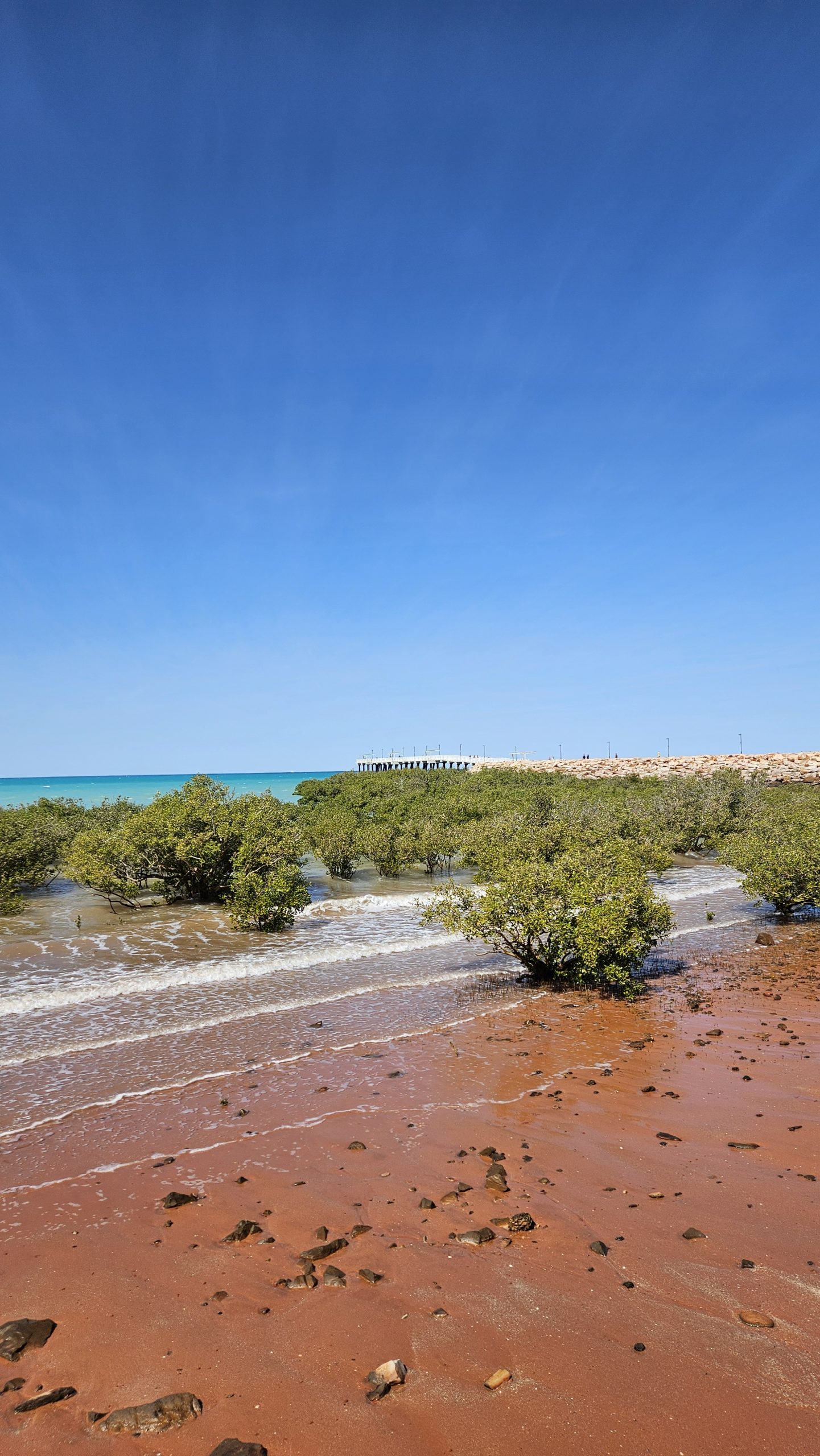
Broome’s Roebuck Bay is a striking mix of turquoise water, white sand, and red earth framing the shoreline. At low tide, the bay’s mudflats glow golden and crimson, making it a striking spot to take in WA’s unique coastal colours.

Inspired? Here’s more